Search Results for: best concrete floor repair

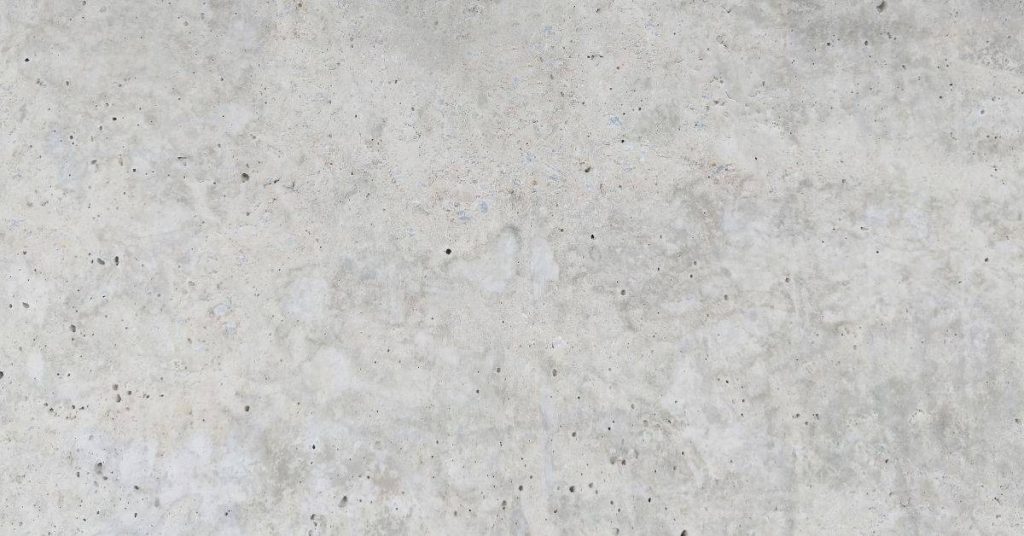
Concrete surface with small holes and surface pitting

Air Entrained Concrete: When it’s necessary and how to avoid surface pitting

Introduction Air entrained concrete is concrete that includes tiny air bubbles introduced by a special additive to improve its performance. These micro-bubbles help when water freezes and expands, reducing cracks in the slab. It’s a common choice for projects that sit outside or face temperature swings. Use is appropriate when you want a smoother surface […]

Air Entrained Concrete: When it’s necessary and how to avoid surface pitting Read More »
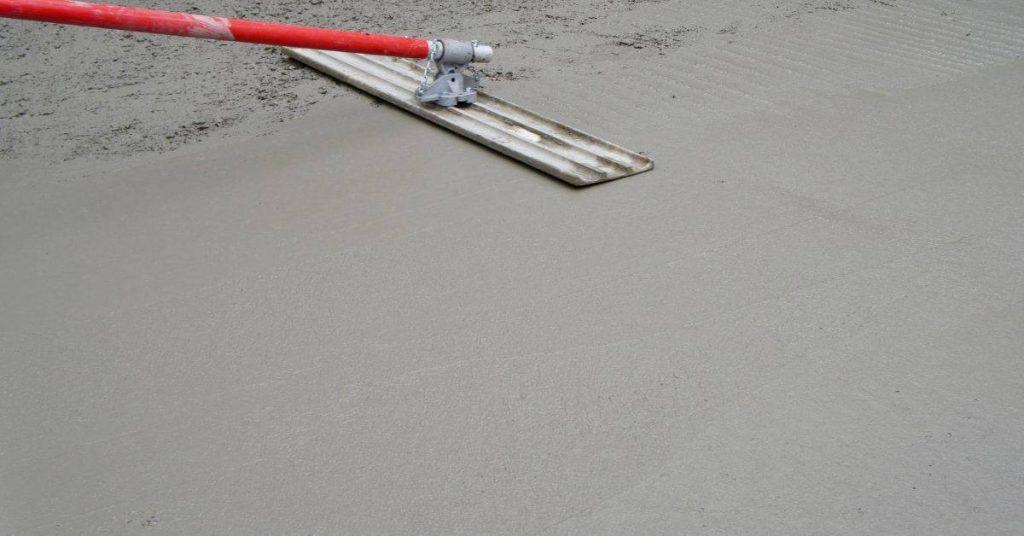
Long-handled tool smoothing fresh concrete slab surface

Concrete Paste vs Aggregate Balance: Why some slabs finish smooth and others tear

Introduction A smooth concrete slab starts with a proper paste-to-aggregate balance and clean finishing technique. Too much paste or too little can cause a rough touch or surface tearing; using the right balance alongside the standard finishing steps helps the surface stay uniform. Always verify with the product label or local guidelines if you’re unsure

Concrete Paste vs Aggregate Balance: Why some slabs finish smooth and others tear Read More »

Precast concrete panel resting on sandy ground

Concrete Sealer Whitening After Rain: Causes and how to restore clarity

Introduction Sealer whitening after rain is a cloudy, milky look on newly sealed concrete caused by moisture and uneven drying. It happens when the surface still holds moisture or the sealer cures too fast in damp conditions. Check the product label and local guidelines for ideal conditions and reapplication steps. To prevent it, seal only

Concrete Sealer Whitening After Rain: Causes and how to restore clarity Read More »

Black metal fence with gold decorative spikes close-up

Concrete Fibers Explained: Microfiber vs macrofiber and what each actually does

Introduction Concrete fibers are tiny reinforcing additives added to concrete to improve crack resistance and durability. Microfibers are very fine fibers that help control tiny cracks and plastic shrinkage, while macrofibers are larger and designed to increase toughness and impact resistance. In DIY terms, you’ll notice better handling and fewer tiny cracks, but you still

Concrete Fibers Explained: Microfiber vs macrofiber and what each actually does Read More »

Concrete slab being smoothed with a long-handled float

Concrete Pinholes After Grinding: Filling pores without losing texture

Introduction Pinholes after grinding are tiny surface pores left in the concrete after smoothing. They can show up after grinding and may affect texture if not filled. This article explains a practical way to fill them while keeping the surface feel intact. You’ll need simple fillers and a bit of patience, and always check product

Concrete Pinholes After Grinding: Filling pores without losing texture Read More »

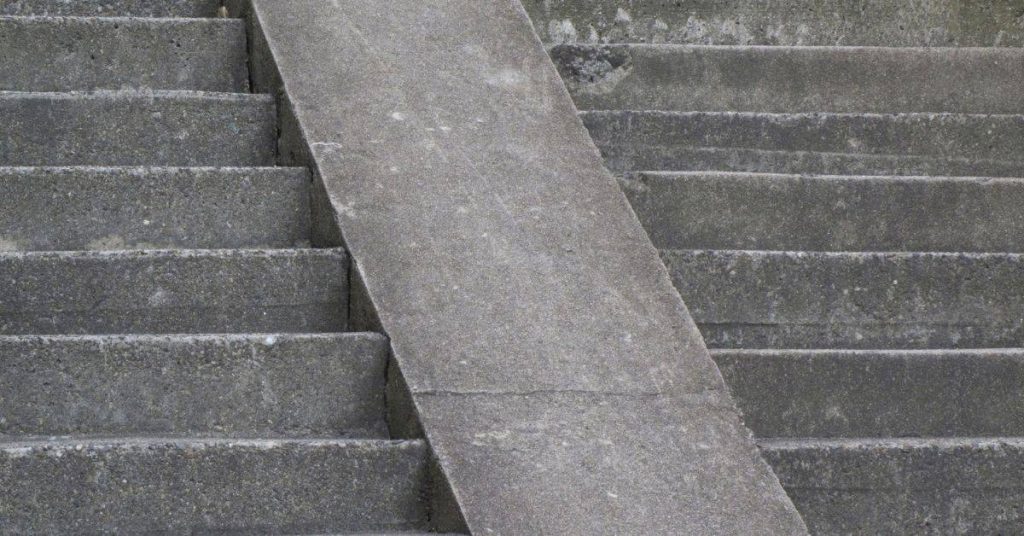
Concrete stairs with a smooth ramp in the middle

Fixing a Concrete Patch That Won’t Take Stain: Porosity matching and blending

Introduction Porosity matching and blending means adjusting a concrete patch so it accepts stain like the surrounding concrete and hides the edges. Start with a clean, dry surface and test a small area to see how the stain looks. If the patch seems off, adjust the patch mix with a compatible additive or bonding agent

Fixing a Concrete Patch That Won’t Take Stain: Porosity matching and blending Read More »

Hand holding paintbrush near white window frame and paint tray

Painting Over Patches: Priming so repairs disappear under raking light

Introduction Priming over patches means applying a seal coat to even out repairs so they don’t show under strong raking light. It helps blend repairs with the surrounding paint and surface texture. This is especially important on walls with uneven sheen or rough patches. Start with a clean, dry surface, lightly scuff the patched area,

Painting Over Patches: Priming so repairs disappear under raking light Read More »

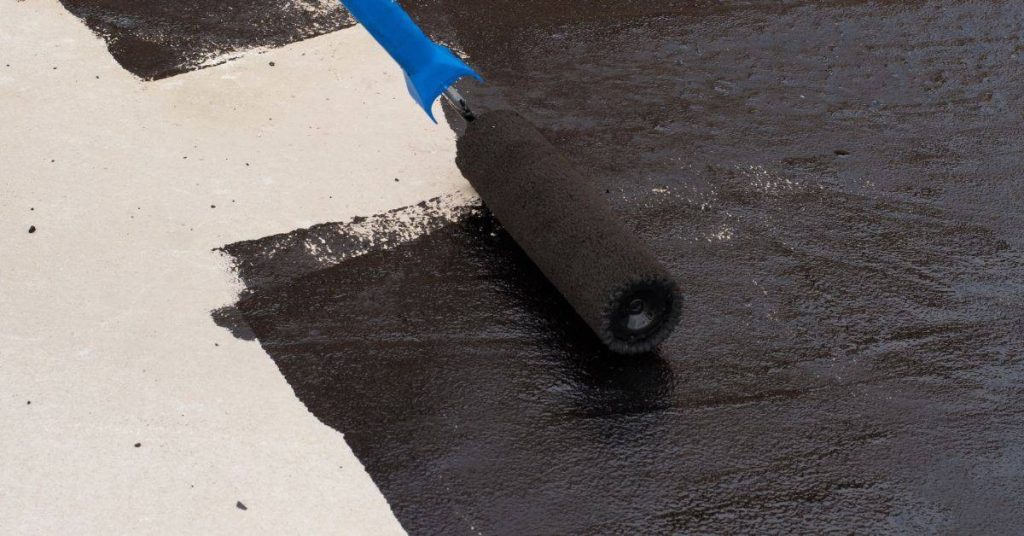
Paint roller applying black sealer on concrete surface

Concrete Sealer Recoat Windows: Why ‘too soon’ and ‘too late’ both cause problems

Introduction A concrete sealer recoat is best done when the surface is ready to bond again, so applying too soon or too late can cause problems. If you seal too soon, the new coat may not adhere well or cure correctly. If you wait too long, contaminants or the old film can prevent proper bonding.

Concrete Sealer Recoat Windows: Why ‘too soon’ and ‘too late’ both cause problems Read More »