Search Results for: basement concrete floor repair

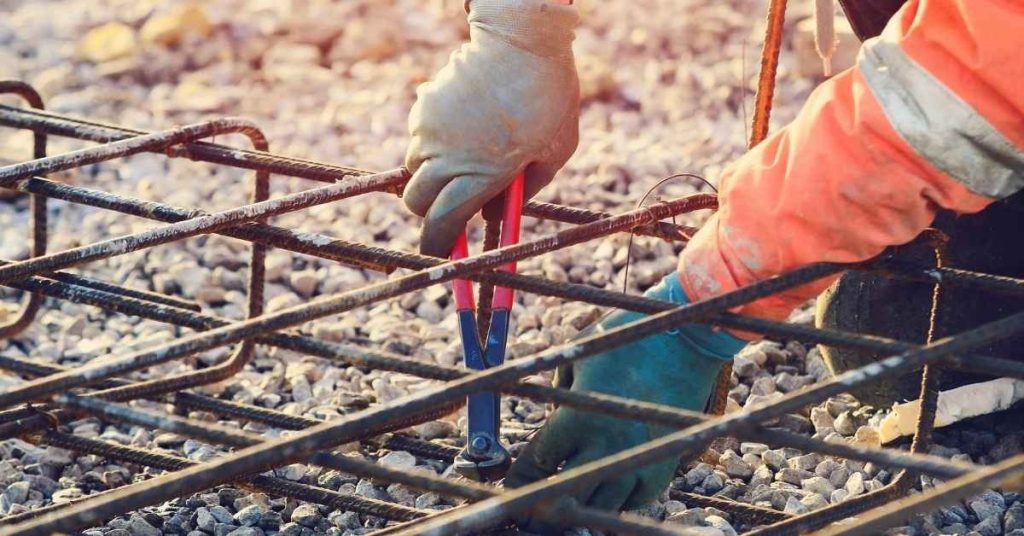
Worker tying rebar grid with pliers on gravel base

What Happens If a Concrete Slab Is Too Thin? Real-World Failure Signs, Load Issues, and Fix Options

Introduction A concrete slab that is “too thin” means it lacks the mass and reinforcement to carry the loads and ground movements expected of it, and it will show that by failing sooner than a properly sized slab. Expect visible signs like cracking, sagging, or edge spalling, and check manufacturer guidance, product labels, and local […]

What Happens If a Concrete Slab Is Too Thin? Real-World Failure Signs, Load Issues, and Fix Options Read More »

Drywall panels with taped and mudded joints in unfinished room

Drywall Butt Joint ‘Humps’: Prevention With Back-Blocking and Repair Options

Introduction A drywall butt joint hump is an uneven bump along a seam where two panels meet. It happens when compaction or framing flex creates a little bulge that catches the eye. This article covers how back-blocking and simple repair steps can keep seams flat. Back-blocking involves inserting solid material behind the joint to help

Drywall Butt Joint ‘Humps’: Prevention With Back-Blocking and Repair Options Read More »

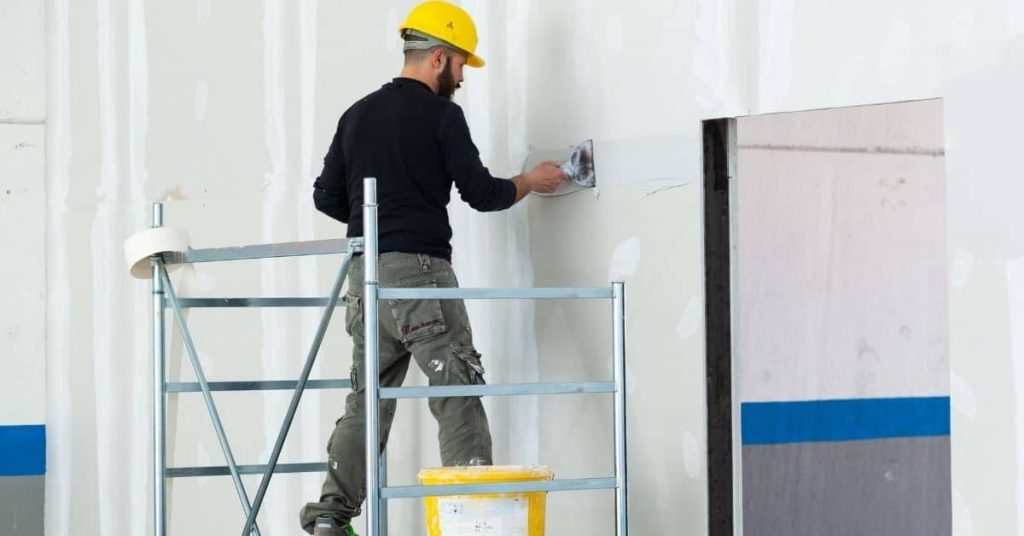
Worker applying plaster to drywall wearing yellow hard hat

Mold-Resistant Drywall in Basements: Moisture Testing Before You Hang Anything

Introduction Mold-resistant drywall is dry wall designed to resist moisture and mold growth in basements. It’s a practical upgrade when you’re finishing a damp space. I’ll walk you through how to tell if it’s a good fit and what to expect on the job. Before hanging anything, do moisture testing and air checks. Use a

Mold-Resistant Drywall in Basements: Moisture Testing Before You Hang Anything Read More »

Closeup of spider crack on rough concrete surface

DIY Concrete Waterproofing on the Inside: When It Works and When It’s a Trap

Introduction DIY concrete waterproofing on the inside is applying moisture barriers and sealants to interior concrete surfaces to keep dampness at bay. It helps when intrusion comes through cracks, porous walls, or hydrostatic pressure, but it isn’t a substitute for good exterior drainage. We’ll walk through identifying water sources and choosing practical interior steps for

DIY Concrete Waterproofing on the Inside: When It Works and When It’s a Trap Read More »

Person kneeling installing laminate flooring planks

Fixing Squeaky Subfloors Before New Flooring: Screw Patterns and When to Add Blocking

Introduction Squeaky subfloors happen when the subfloor boards move or lack solid support, and fixing them requires securing boards and sometimes adding blocking. Using the right screw patterns helps pull the boards tight and stop movement. Before laying new flooring, you may need to identify problem areas and decide if blocking should be added. You’ll

Fixing Squeaky Subfloors Before New Flooring: Screw Patterns and When to Add Blocking Read More »

Living room with hardwood floor and furniture

Hardwood Floor Cupping vs. Crowning: Diagnosing Moisture Direction and Fixing It

Introduction Cupping happens when boards bow with edges higher than the center due to moisture imbalance, and crowning is when the center swells above the edges. In practice, cupping shows as edges higher than the center, with a concave profile across boards, while crowning shows the opposite where the center sits higher than the edges.

Hardwood Floor Cupping vs. Crowning: Diagnosing Moisture Direction and Fixing It Read More »

Packed cardboard boxes and household items in sunlit room

Engineered Hardwood Over Concrete: Glue-Down vs. Floating and Vapor Barrier Strategy

Introduction Engineered hardwood over concrete can be installed either glued down or floated, with a moisture plan in place. This is a practical, hands-on topic that matters for a stable floor and a smooth finish. You’ll see how pre-install steps set the stage and what to check before you start cutting or laying material. Choosing

Engineered Hardwood Over Concrete: Glue-Down vs. Floating and Vapor Barrier Strategy Read More »

Person applying glossy epoxy coating on concrete floor

Painting Basement Walls Without Trapping Moisture: Mineral Paints vs. Acrylics vs. Epoxy

Introduction Painting basement walls without trapping moisture means choosing a coating and prep method that manages moisture rather than sealing it in. Start by diagnosing the wall condition and cleaning, repairing leaks, and planning ventilation before any paint goes on. Then determine if the wall needs moisture barriers, steps for drying, and whether to apply

Painting Basement Walls Without Trapping Moisture: Mineral Paints vs. Acrylics vs. Epoxy Read More »

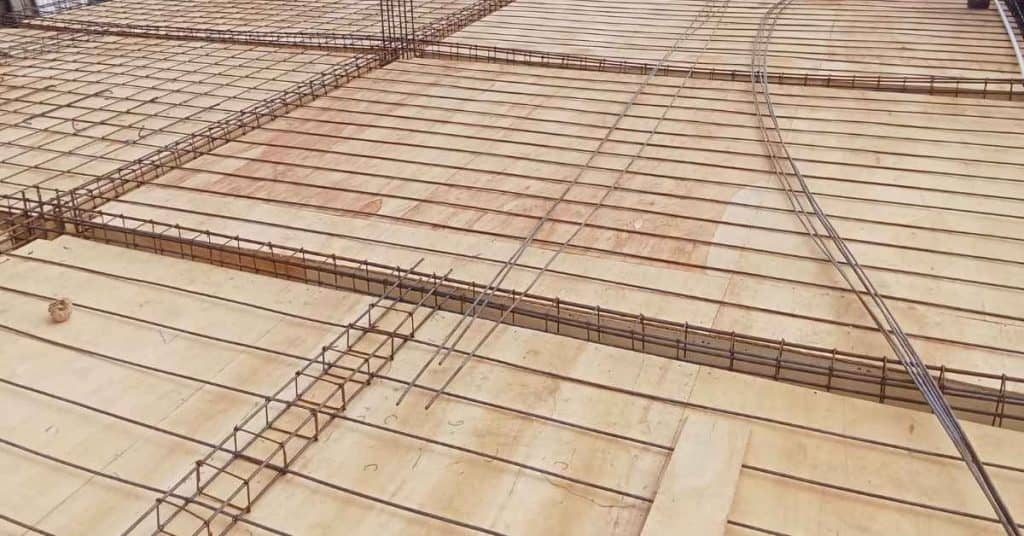
Wooden formwork with rebar grid for concrete slab

Concrete ‘Dusting’ in Basements: Hardener Options and Prep That Actually Works

Introduction Dusting in basements is when the top layer of concrete powder flakes away, leaving a dusty, chalky surface. It’s usually caused by weak laitance, moisture, improper finishing, or wear from foot traffic. Choosing a floor hardener and a solid prep plan helps harden the surface and reduce future dust. Prep work is critical: clean

Concrete ‘Dusting’ in Basements: Hardener Options and Prep That Actually Works Read More »