Search Results for: anti slip additive for concrete sealer

Paint roller applying liquid to concrete pavers

DIY Large-Format Concrete Pavers: Reinforcement, Curing, and Warp Prevention

Introduction Large-format concrete pavers require proper reinforcement, curing, and warp prevention to stay flat and durable. In plain terms, you reinforce the base and pavers, manage moisture and temperature during curing, and watch for movement that can cause warping. This article focuses on practical, hands-on methods you can apply on a DIY project. Follow the […]

DIY Large-Format Concrete Pavers: Reinforcement, Curing, and Warp Prevention Read More »
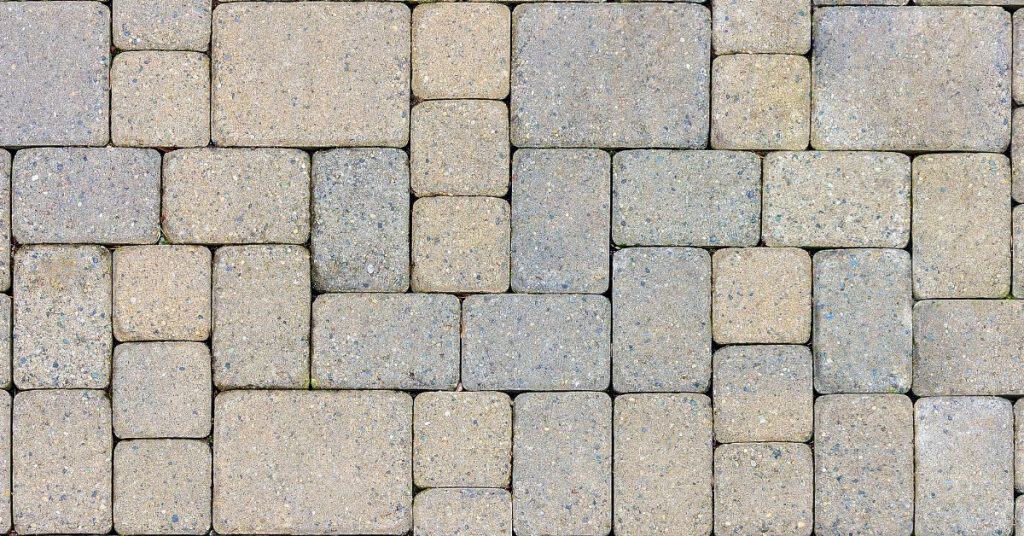
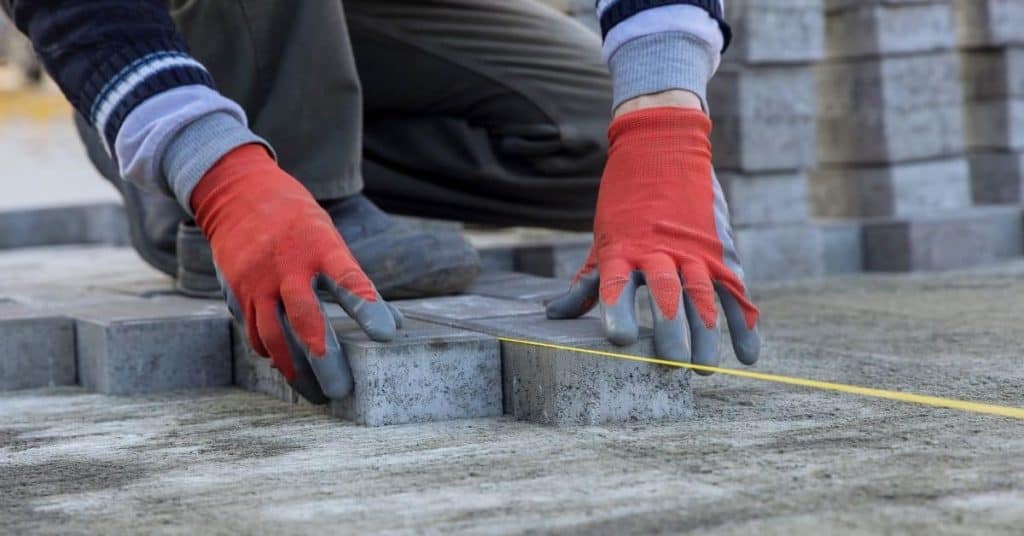
Interlocking concrete pavers arranged in a grid pattern.

How to Cast Removable Concrete Pavers With Built-In Lifting Slots

Introduction Removable concrete pavers with built-in lifting slots are modular paving units cast with recessed grips to lift and reposition. This is a practical, hands-on overview you can follow in a DIY setup for long-term flexibility and easy maintenance. When selecting materials and planning, check product labels and manufacturer instructions for slot design, heel protection,

How to Cast Removable Concrete Pavers With Built-In Lifting Slots Read More »

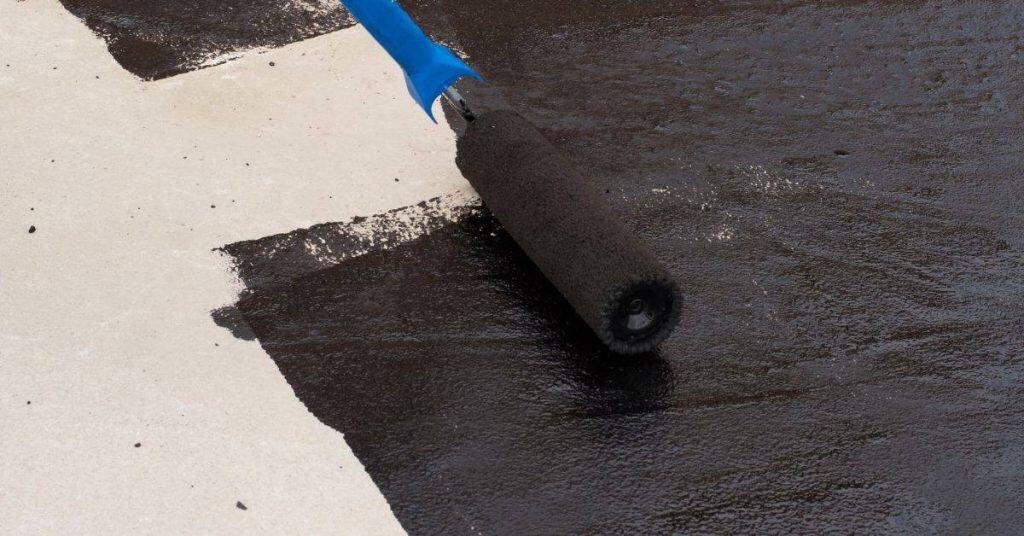
Paint roller applying black sealer on concrete surface

Concrete Sealer Slip Problems: How to Add Traction Without Peeling the Finish

Introduction A concrete sealer is a surface coating intended to protect and seal a concrete floor. When it becomes slick or peels, traction is lost and the risk of slips increases. This article explains practical ways to add traction without peeling the finish. There are penetrating sealers that soak in and film-forming coatings that sit

Concrete Sealer Slip Problems: How to Add Traction Without Peeling the Finish Read More »

Concrete surface peeling and flaking near wall base

Concrete Sealer Failures: Whitening, Peeling, and Slippery Surfaces

Introduction Concrete sealer failures are coatings that whiten, peel, or make surfaces unexpectedly slippery. These issues usually show up after a year or two of use, not right away, and they come from improper sealing, surface prep, or weather. Understanding what goes wrong helps you spot red flags early and plan the right steps for

Concrete Sealer Failures: Whitening, Peeling, and Slippery Surfaces Read More »

Wooden concrete forms with metal rebar inside trenches

Crack-Resistant Concrete Prep: Base, Rebar, Mix, and Curing

Introduction Crack-resistant concrete prep means setting up the base, reinforcement, mix, and curing plan to minimize cracking and movement in the slab. Start with a solid, well-drained base and clean forms, then place appropriate reinforcement and ensure everything is tied and supported before mixing. Follow the manufacturer’s instructions for any additives or metalwork, and check

Crack-Resistant Concrete Prep: Base, Rebar, Mix, and Curing Read More »

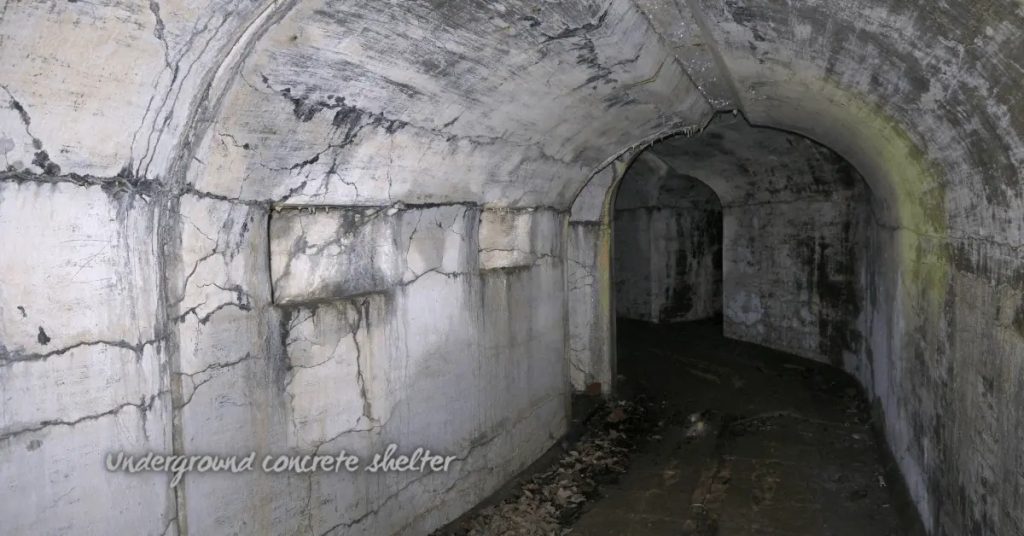
cracked concrete walls and ceiling of underground tunnel

Fixes for Worn Concrete — What to Check + Repair Options

Introduction Worn concrete is concrete that has lost surface quality or strength and should be checked and repaired rather than ignored. Look for cracks, spalling, scaling, discoloration, and any movement or moisture behind the slab. Repair options vary from clean patches and crack sealing to resurfacing, depending on how deep and widespread the wear is.

Fixes for Worn Concrete — What to Check + Repair Options Read More »

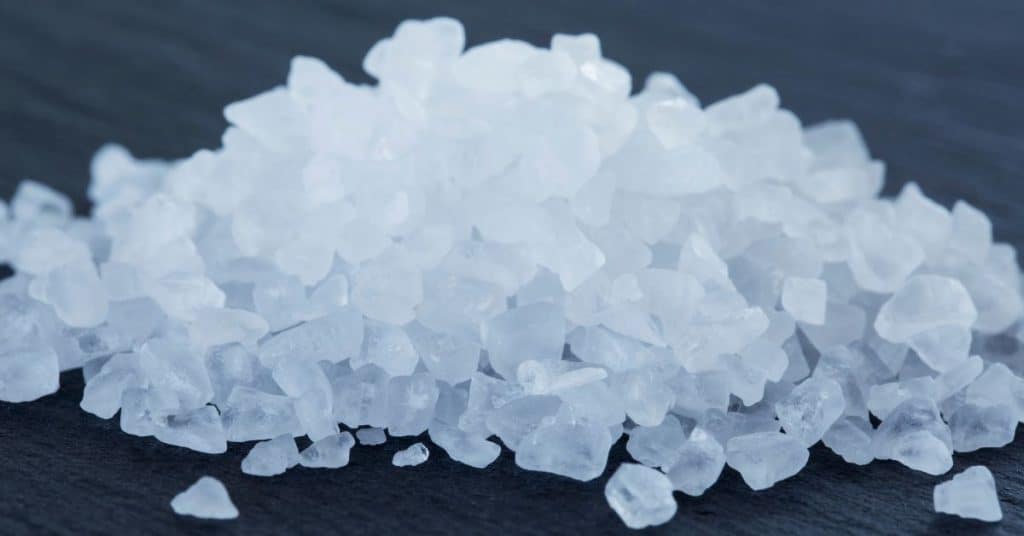
Loose rock salt crystals on a dark surface.

Why You Shouldn’t Use Salt on Concrete — What to Know + Why It Matters

Introduction Salt should not be used on concrete because it can damage the surface over time. It can draw moisture, cause scaling, and lead to pitting in some mixes. Before you apply anything, check your product label and follow local guidelines. If you must de-ice, choose alternatives and follow the product instructions for your situation.

Why You Shouldn’t Use Salt on Concrete — What to Know + Why It Matters Read More »