Search Results for: andy concrete

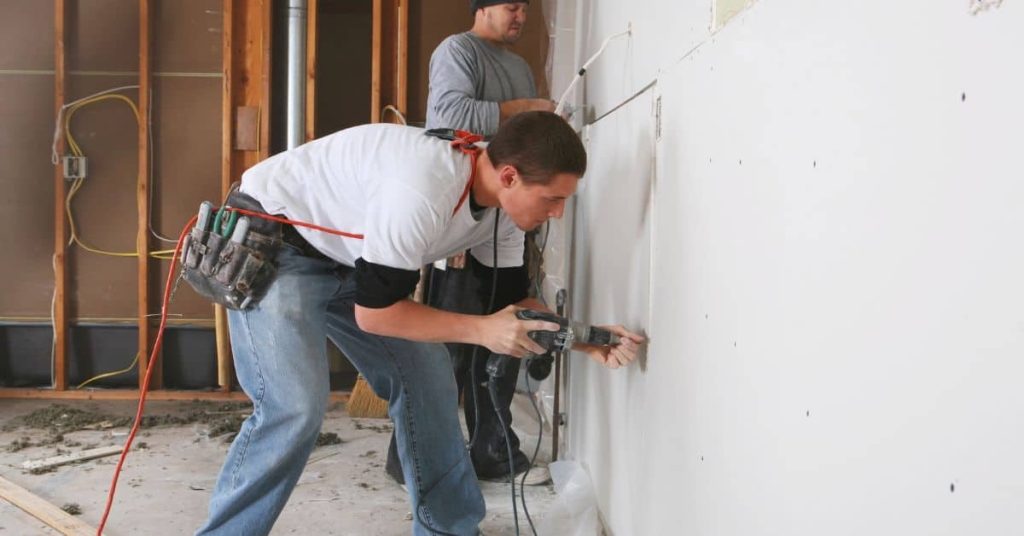
Man drilling screws into drywall while another person stands behind

How to Hang Drywall Solo: Temporary Cleats, Supports, and Tricks

Introduction Hanging drywall solo means installing full sheets on walls by yourself, using temporary cleats and supports. This intro explains practical, hands-on steps you can use to hold panels in place while you fasten them. Plan your approach, set up simple temporary cleats and supports so the sheet can be slid into place without grabbing

How to Hang Drywall Solo: Temporary Cleats, Supports, and Tricks Read More »

Interior room with drywall sheets taped and mudded on walls and ceiling

Drywall Thickness Guide: 1/4-Inch, 3/8-Inch, 1/2-Inch, 5/8-Inch and Where Each Belongs

Introduction Drywall thickness is the distance between the front and back surfaces, and this guide explains where each size fits. As a hands-on DIY guy, you’ll see how 1/4, 3/8, 1/2, and 5/8 inch sheets differ in feel, strength, and finish needs. You’ll also get practical tips on which thickness works for walls, ceilings, and

Drywall Thickness Guide: 1/4-Inch, 3/8-Inch, 1/2-Inch, 5/8-Inch and Where Each Belongs Read More »

Man in blue overalls holding paint roller and bucket near ladder

Dust Control for Interior Painting: Hepa Vac, Plastic, and Cleanup Flow

Introduction Dust control for interior painting means using a Hepa vac, plastic barriers, and careful cleanup to keep dust contained. It’s about isolating the work area so finish dust doesn’t spread. Set up temporary containment, seal doors, and vacuum regularly to reduce mess. Use a Hepa vacuum correctly by checking the label for compatible filters

Dust Control for Interior Painting: Hepa Vac, Plastic, and Cleanup Flow Read More »

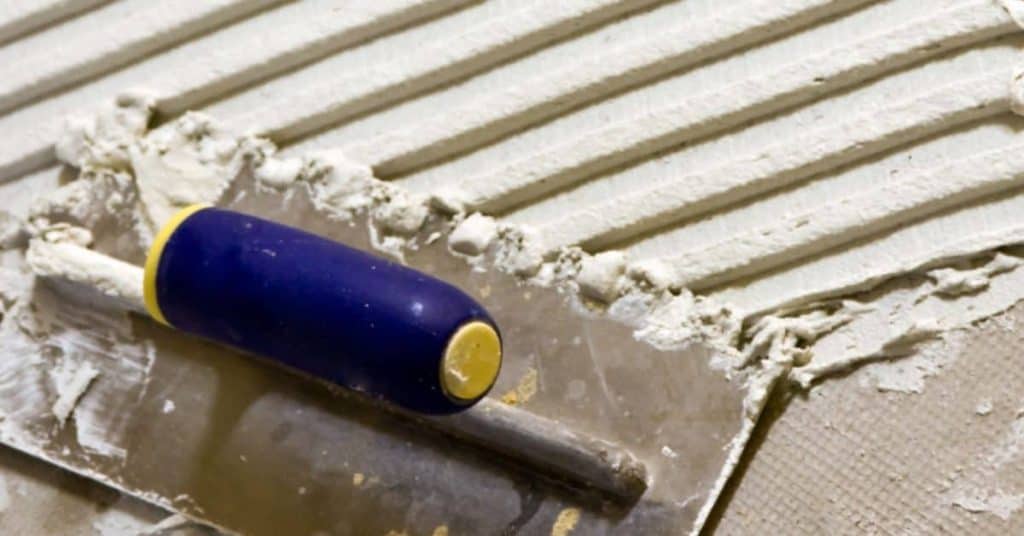
Notched trowel spreading adhesive on surface

Mastic Vs Thinset for Backsplashes: Where Mastic Is Safe and Where It Fails

Introduction Mastic is a flexible, premixed adhesive that some DIYers use for lightweight backsplashes. Thinset is a cement-based mortar that needs mixing and longer cure times. For most reliable backsplashes, you should check manufacturer guidance and local rules before choosing. Key takeaways Mastic is easier for small, dry layouts but unsuitable for wet areas. Thinset

Mastic Vs Thinset for Backsplashes: Where Mastic Is Safe and Where It Fails Read More »

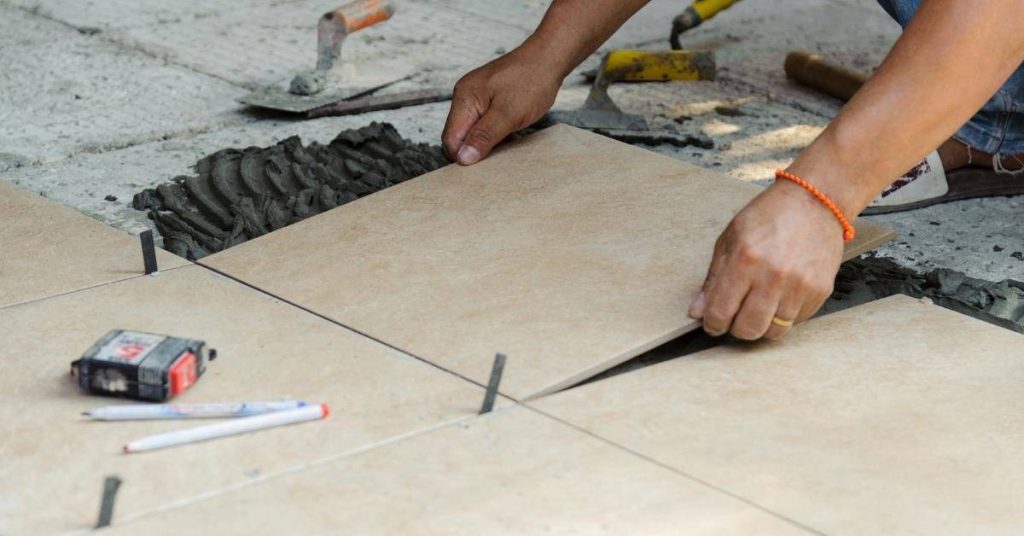
Hands placing beige floor tiles with black spacers between them

Tile Spacers Vs Wedges Vs Leveling Systems: What Each Actually Does

Introduction Tile spacers, wedges, and leveling systems are tools to keep tiles aligned and at a consistent height while you set them. They each serve different roles in the job, and using the right one helps prevent lippage and misalignment. Trust the product label and manufacturer instructions for how to install and use them on

Tile Spacers Vs Wedges Vs Leveling Systems: What Each Actually Does Read More »

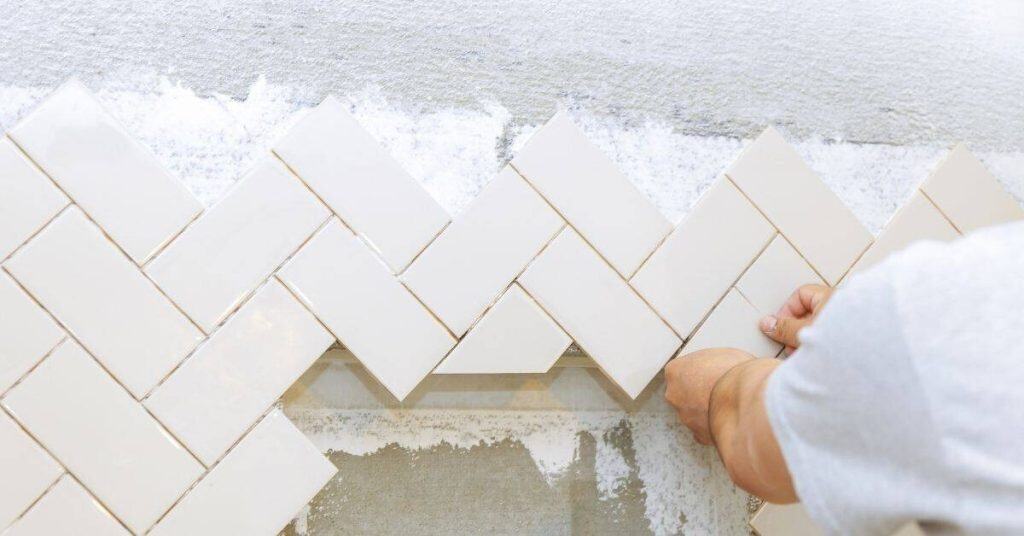
Hands placing white rectangular tiles in herringbone pattern

How to Find the “Money Line” for Tile Layout (Reference Lines That Save You)

Introduction The money line is a primary reference line you establish from a starting edge to guide tile layout. It helps you keep the pattern centered and saves adjustments later. Check your layout with straightedge checks and confirm your starting points before you set adhesive. To find it, pick a clean starting edge, snap a

How to Find the “Money Line” for Tile Layout (Reference Lines That Save You) Read More »

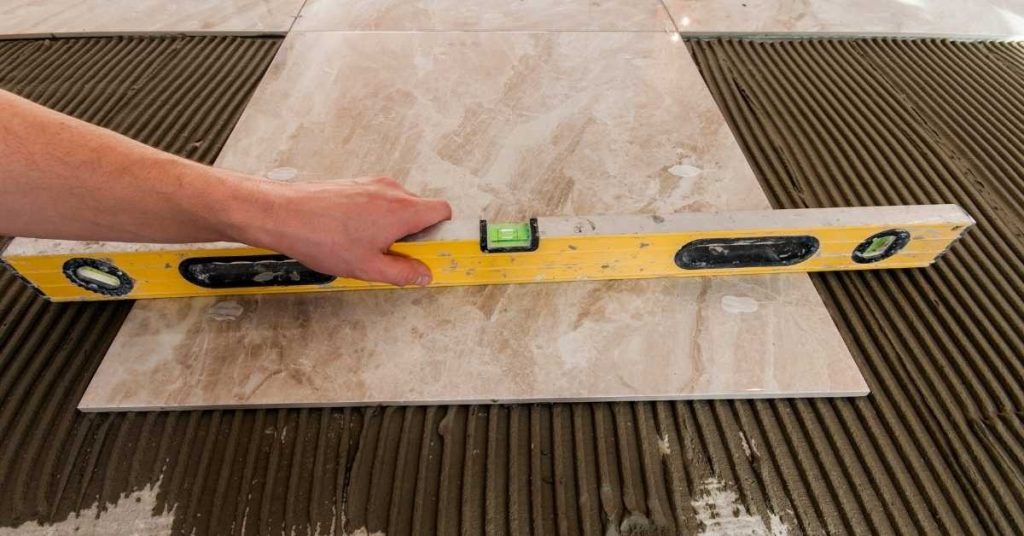
Rubber mallet and level on concrete floor with tiles

Tile Substrate Checklist: What Must Be Flat, Solid, and Clean Before You Start

Introduction Your tile substrate must be flat, solid, and clean before you start. That means checking for levelness, firm backing, and a dust-free surface. If you find problems, fix them before laying tile. -None>Check the substrate with a straightedge or level and use the right patching or leveling products as directed on the label. Sweep

Tile Substrate Checklist: What Must Be Flat, Solid, and Clean Before You Start Read More »