Search Results for: adhesive for stone bonding

Close-up of decorative gold and black metal fence spikes

Unexpected Ways to Use Concrete: DIY Ideas That Hold Up

Introduction Concrete is a versatile material you can use for a wide range of DIY projects. This article shares hands-on ideas you can try at home, from decor to functional pieces. It emphasizes plain language, safe practices, and checking product labels for any limits. From decorative countertops and fire pits to repurposed concrete blocks, there […]

Unexpected Ways to Use Concrete: DIY Ideas That Hold Up Read More »

Person applying plaster to brick oven dome with trowel

Plaster Repairs Over Masonry Fireplaces: Managing Heat Cycles and Soot Staining

Introduction Plaster repairs over masonry fireplaces are patches of plaster applied to brick or stone around the firebox to restore a smooth, protected surface. Heat cycles and soot staining can crack and discolor the area, so you approach it in layers and blend with the surrounding texture. Keep an eye on existing cracks and smoke

Plaster Repairs Over Masonry Fireplaces: Managing Heat Cycles and Soot Staining Read More »

Old hammer and chisel on wood shavings covered surface

DIY Concrete Overlay Over Tile: When It’s Possible and the Bond-Breakers to Avoid

Introduction Yes, you can overlay concrete over tile if the tile is sound and properly prepared for bonding. Make sure the existing surface is firmly adhered and free of movement. If you’re unsure, check the manufacturer’s instructions or local rules before you start. Watch for bond-breakers like sealants, coatings, or residue that can prevent adhesion

DIY Concrete Overlay Over Tile: When It’s Possible and the Bond-Breakers to Avoid Read More »

Person installing wood-look vinyl flooring on adhesive

LVP on Concrete Slabs: Moisture Tests You Can Do and Underlayment Choices

Introduction LVP on concrete slabs means laying luxury vinyl plank over a concrete floor while evaluating moisture in the slab and picking an underlayment that suits the job. It’s a practical DIY approach, not a showpiece install, so you’ll want to verify dryness and choose materials that tolerate the conditions you’re working with. Expect to

LVP on Concrete Slabs: Moisture Tests You Can Do and Underlayment Choices Read More »

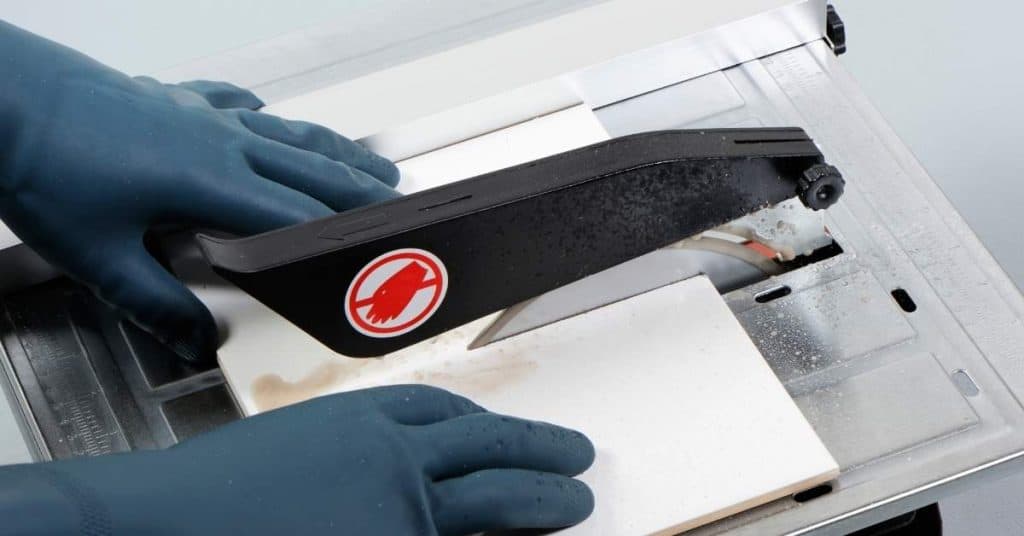
Hands in gloves cutting tile on a wet tile saw

Cutting Tiny Tile Slivers Safely: Jigs and Alternatives That Look Better

Introduction Cutting tiny tile slivers safely means trimming small tile offcuts with stable guides to avoid breakage. This article covers practical jigs and simple alternatives that help you keep the edge clean. It stays hands-on and avoids guessing, with tips you can verify on the job. You’ll find options that pair a steady fence with

Cutting Tiny Tile Slivers Safely: Jigs and Alternatives That Look Better Read More »

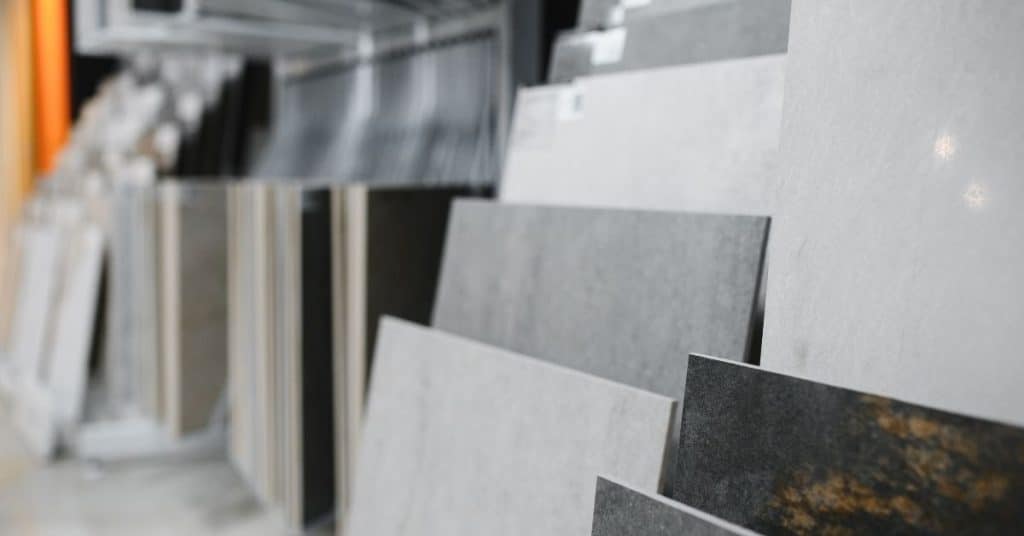
Various large tile samples displayed upright in a store

Tile Ledger Boards in Showers: How to Mount Them Without Puncturing Waterproofing

Introduction A tile ledger board is a horizontal support mounted to the shower wall to hold tile while it sets, without puncturing the waterproofing. Before you start, locate studs and check the waterproofing membrane behind the tile area. This guide walks you through a practical, hands-on approach you can do with common tools. Plan your

Tile Ledger Boards in Showers: How to Mount Them Without Puncturing Waterproofing Read More »

spiked roller on freshly applied epoxy floor coating

Epoxy Thinset vs. Cement Thinset: Where Epoxy Is Worth It (and where it’s trouble)

Introduction Epoxy thinset is a two‑part adhesive that uses epoxy as the binder, offering a tougher, more chemical‑resistant bond than plain cement thinset. In DIY terms, it sets slower and can be trickier to mix and apply, so it’s not always the best choice for every job. Check manufacturer instructions for mixing ratios, pot life,

Epoxy Thinset vs. Cement Thinset: Where Epoxy Is Worth It (and where it’s trouble) Read More »

Man laying floor tiles on cement base in room

Installing Ditra-Heat or Similar Uncoupling Heat Membranes: Common DIY Mistakes

Introduction Installing Ditra-Heat or similar uncoupling membranes is a DIY method to protect tile from cracks by decoupling the tile from the substrate. Common mistakes include rushing layout, skipping dry fitting, and not verifying the floor is flat and ready. Always check the product label and your local rules before starting. Before laying, pre-lay membrane

Installing Ditra-Heat or Similar Uncoupling Heat Membranes: Common DIY Mistakes Read More »

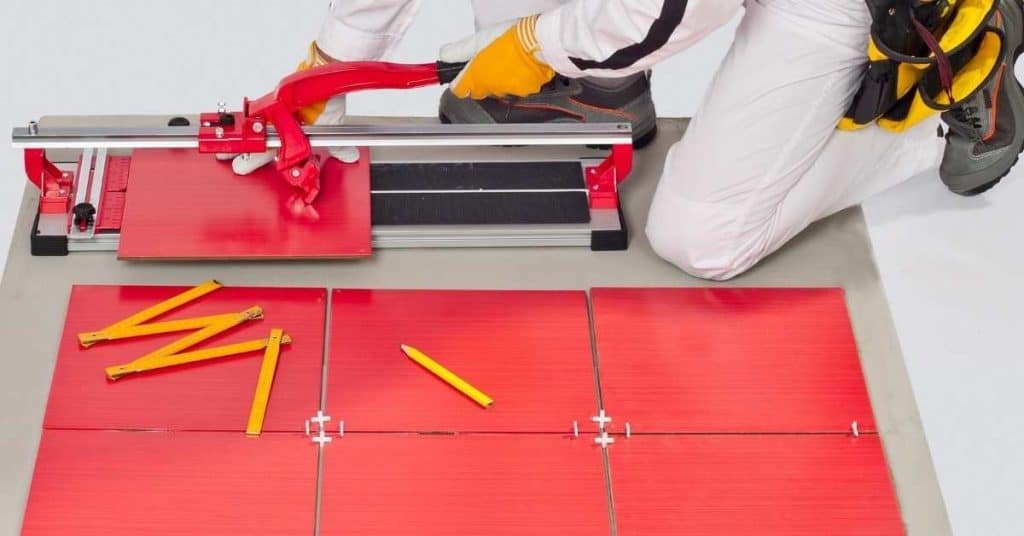
Person cutting red ceramic tile with manual tile cutter

How to Tile Over Radiant Heat Mats: Layout, Thickness Buildup, and Sensor Placement

Introduction Tile over radiant heat mats means installing tile on top of an electric floor heating mat with a careful layout plan. This introduction covers how to plan tile layout, where to place sensors, and how to account for depth as you build up. It’s a hands-on DIY approach, not a product pitch, so check

How to Tile Over Radiant Heat Mats: Layout, Thickness Buildup, and Sensor Placement Read More »

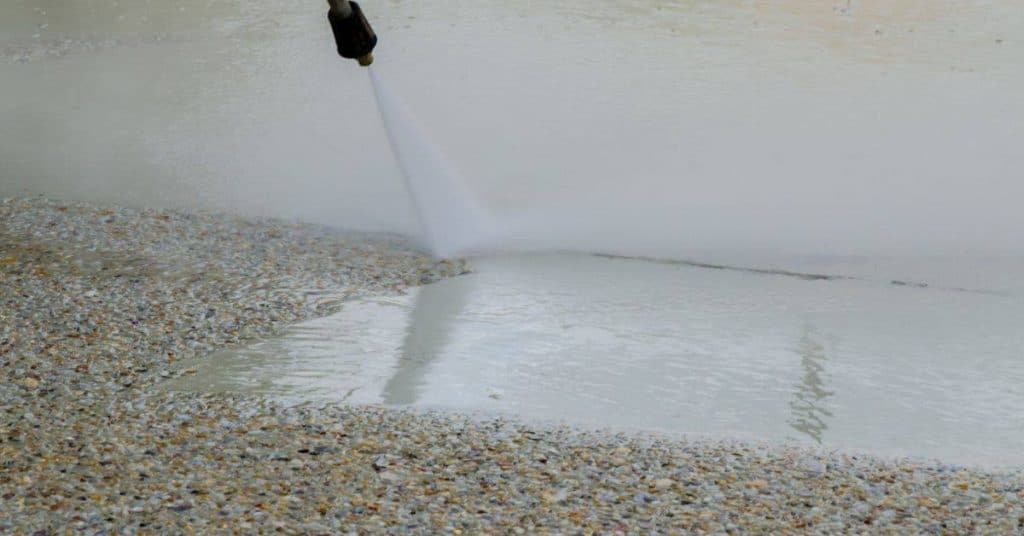
Pressure washing exposed aggregate concrete surface

Creating an Exposed Aggregate ‘Window’ in a Small Repair (Matching Existing Finish)

Introduction An exposed aggregate window is a small patch that reveals decorative stones after removing a portion of concrete to match the surrounding finish. Plan to cut a window in the existing slab, clean and dampen the area, and set up a simple form to keep edges neat. Check local rules and the patch will

Creating an Exposed Aggregate ‘Window’ in a Small Repair (Matching Existing Finish) Read More »