Search Results for: adhesive for stone bonding

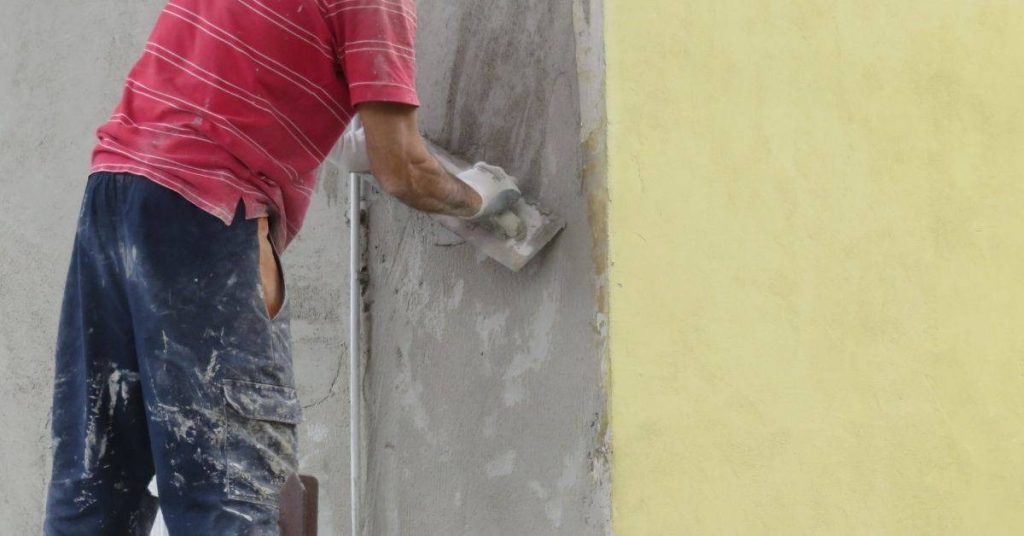
Person applying stucco texture to exterior foam wall

Stucco + Exterior Foam Additions: Transition Details That Keep Drainage Paths Open

Introduction This approach combines stucco with exterior foam to manage drainage and keep water from standing against the foundation. It adds an insulating layer outside the wall and creates a smooth receiver for the stucco finish. You’ll want to plan how drainage paths remain open while the layers are installed and sealed. For DIY work, […]

Stucco + Exterior Foam Additions: Transition Details That Keep Drainage Paths Open Read More »

White stucco coated brick wall texture close-up

Stucco Control Joint Layout: Where They Belong and Why Random Cracks Follow Bad Layout

Introduction Control joints in stucco are deliberate gaps that guide where cracks will form, instead of letting random cracks run everywhere. They serve as a planned break for movement due to temperature, moisture, and framing shifts. Placement guidelines depend on factors like height, openings, and changes in plane; check manufacturer instructions for specifics. Use appropriate

Stucco Control Joint Layout: Where They Belong and Why Random Cracks Follow Bad Layout Read More »

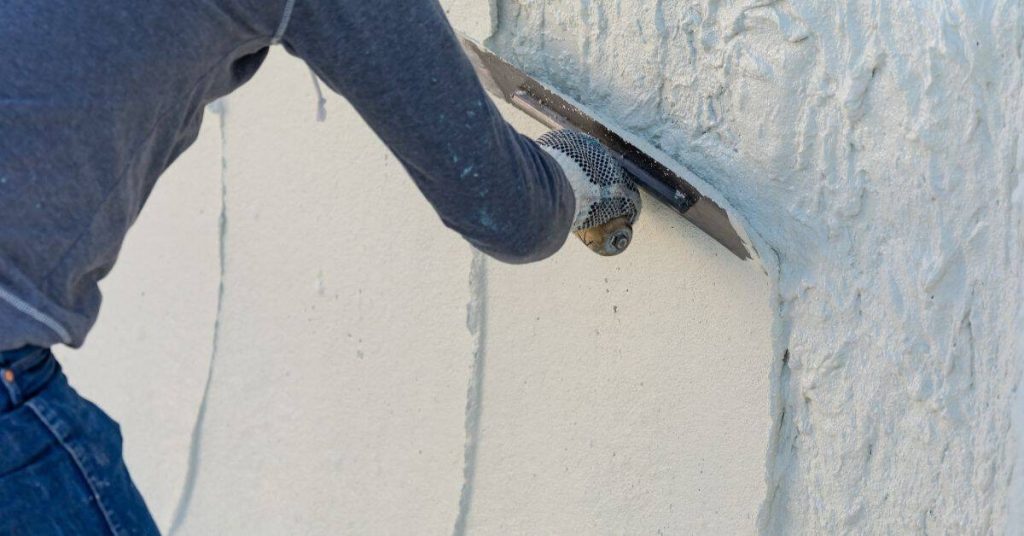
Worker applying stucco on an exterior wall section

Stucco Kickout Flashing Retrofit: Minimal Removal Approaches That Actually Work

Introduction Stucco kickout flashing is a piece of flashing, usually metal or plastic, installed at the edge where the roof overhang meets a stucco wall to redirect water away. This article outlines minimal-removal retrofit ideas that still guide water correctly and protect the wall. You’ll need simple hand tools, basic fasteners, and compatible flashing material

Stucco Kickout Flashing Retrofit: Minimal Removal Approaches That Actually Work Read More »

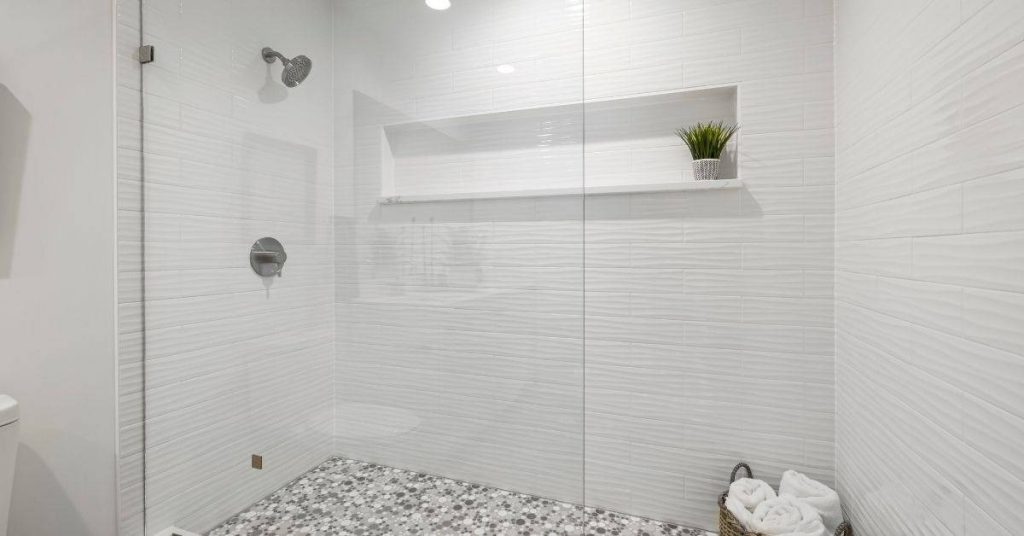
white textured tile shower with niche and glass door

Tadelakt on Shower Niches: Edge Details That Keep Water Out of Transitions

Introduction Tadelakt on shower niches is applying a polished lime-plaster finish to the niche with well-planned edge details to keep water from leaking into transitions. This is a hands-on DIY job, so you’ll be shaping and sealing the edges as you plaster and tile. Focus on edge trim profiles and how they meet the wall

Tadelakt on Shower Niches: Edge Details That Keep Water Out of Transitions Read More »

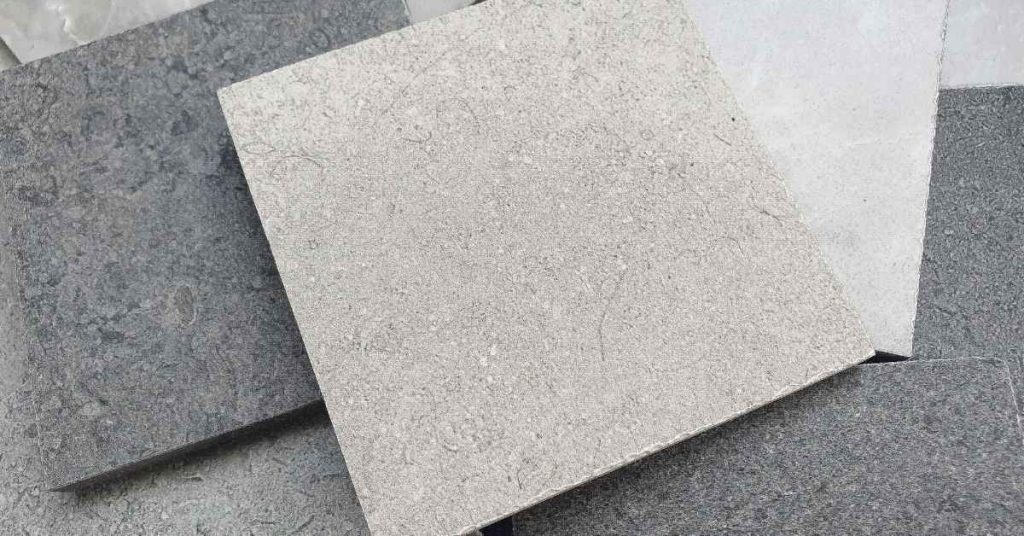
Close up of textured stone-like tiles in various gray shades

Form Liner Basics: Getting Consistent Texture and Avoiding Trapped Air Patterns

Introduction Form liner basics mean using flexible surface liners in concrete forms to shape texture and finish. They define the pattern you pull from the concrete and help control air pockets as the mix cures. We’ll cover how to choose liners, how they sit in the frame, and what to look for during setup. To

Form Liner Basics: Getting Consistent Texture and Avoiding Trapped Air Patterns Read More »

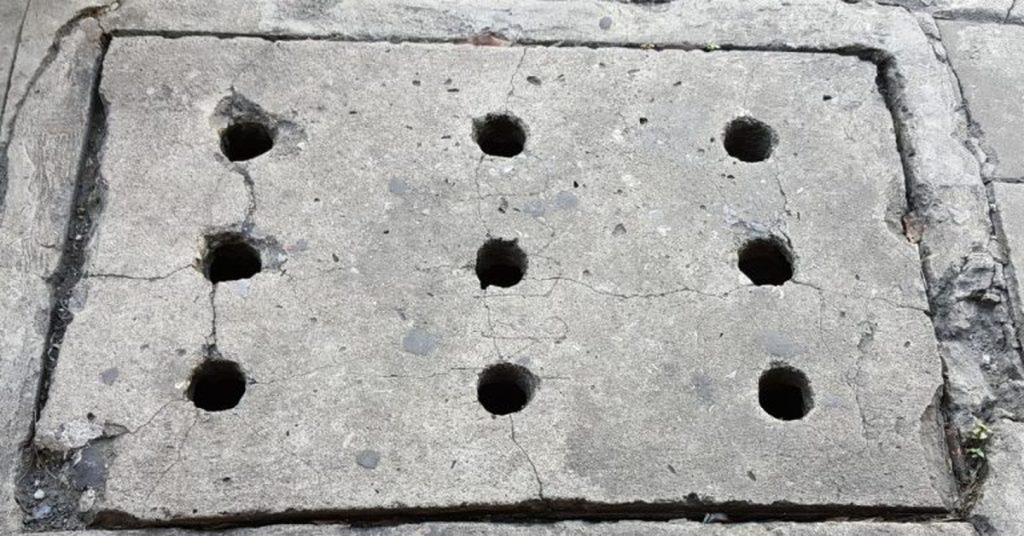
Concrete slab with nine drainage holes

Placing Concrete Against Waterproofing Membranes: Protection Boards, Punctures, and Drainage Mats

Introduction Placing concrete against waterproofing membranes means building up concrete right to the membrane while using protective layers to keep it intact. In this DIY friendly guide, we talk through protection boards, avoiding punctures, and how drainage mats help manage water pressure during a pour. Always check the product and tech literature for data sheets

Placing Concrete Against Waterproofing Membranes: Protection Boards, Punctures, and Drainage Mats Read More »

Hand applying white plaster with metal putty knife

Scagliola Basics: Making Faux-Marble Plaster Panels and Sealing Them for Real Use

Introduction Scagliola is a plaster technique used to imitate marble. Key takeaways Choose faux-marble panels when you want durable, low-maintenance decorative plaster. Prepare substrate with clean, sound surface and proper moisture management. Use sharp tools and steady mixing with PPE to avoid texture inconsistencies. Marbling requires even color distribution; test small panels before full cast.

Scagliola Basics: Making Faux-Marble Plaster Panels and Sealing Them for Real Use Read More »

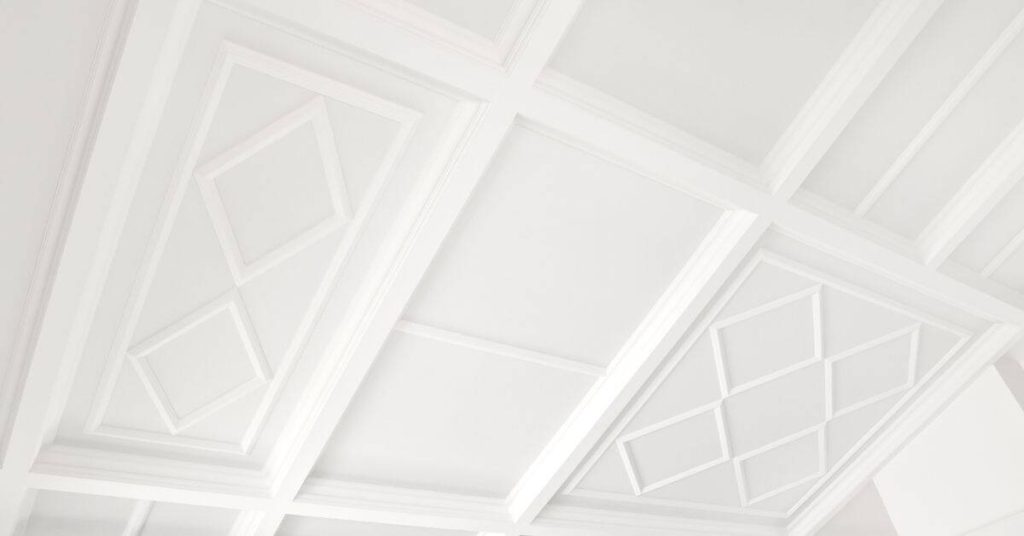
white decorative plaster ceiling panels with geometric patterns

Stucco Delamination at Plywood Shear Panels: Why It Happens and How to Rebuild the Assembly

Introduction Stucco delamination at plywood shear panels occurs when the stucco separates from the plywood backing, usually due to moisture intrusion and substrate movement. That separation shows up as cracks, bubbling, or flaking, and it weakens the exterior assembly. It’s a hands-on issue you can diagnose by looking for soft spots, damp patches, or loose

Stucco Delamination at Plywood Shear Panels: Why It Happens and How to Rebuild the Assembly Read More »

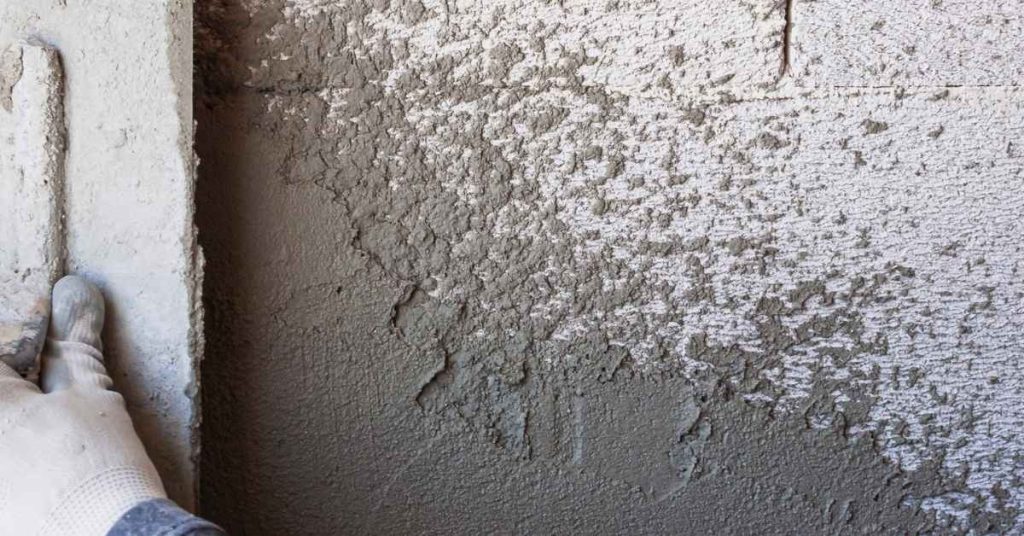
Hand smoothing wet scratch coat over base wall surface

Stucco Over Autoclaved Aerated Concrete (AAC): Base Coat Choice, Fasteners, and Suction Control

Introduction Stucco over AAC is applying a compatible base coat to Autoclaved Aerated Concrete walls. Pre-installation prep is key—clean surfaces, seal any joints, and plan how you’ll store and handle panels to avoid damage. Handle AAC panels with care, store flat in a dry, shaded area, and check manufacturer guidance for any site-specific restrictions. Choose

Stucco Over Autoclaved Aerated Concrete (AAC): Base Coat Choice, Fasteners, and Suction Control Read More »

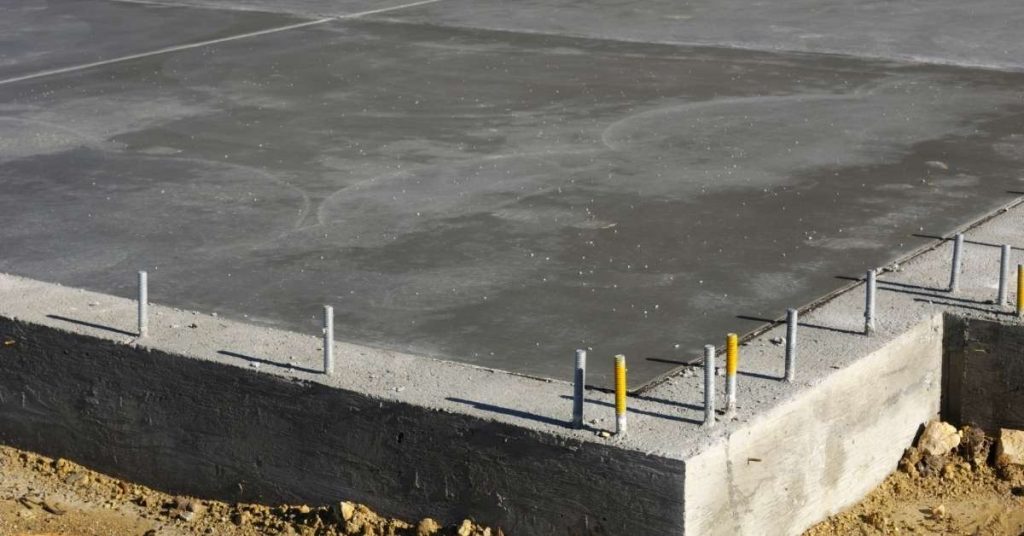
Concrete slab foundation with metal anchor bolts embedded

Preventing Cracks Around Slab Penetrations: Pipe Sleeves, Bond Breakers, and Joint Layout

Introduction Cracks around slab penetrations happen when the concrete around pipes or openings isn’t managed during pour. Key takeaways Use pipe sleeves fully encased in concrete, with proper clearance for movement. Apply bond breakers on form faces and sleeves to minimize three-sided adhesion. Plan joint layout early to align joints with penetrations and expected movement.

Preventing Cracks Around Slab Penetrations: Pipe Sleeves, Bond Breakers, and Joint Layout Read More »