Search Results for: T & M concrete pumping

Person measuring concrete slab consistency with rod

DIY concrete slump control: consistent water measurement and batch-to-batch matching

Introduction Slump control is the practical effort to keep concrete consistency by watching how much water is added and how the mix behaves as it sets. In DIY terms, it means measuring water carefully and watching the mix feel and settle so each batch pours the same way. This article stays focused on simple, hands‑on […]

DIY concrete slump control: consistent water measurement and batch-to-batch matching Read More »
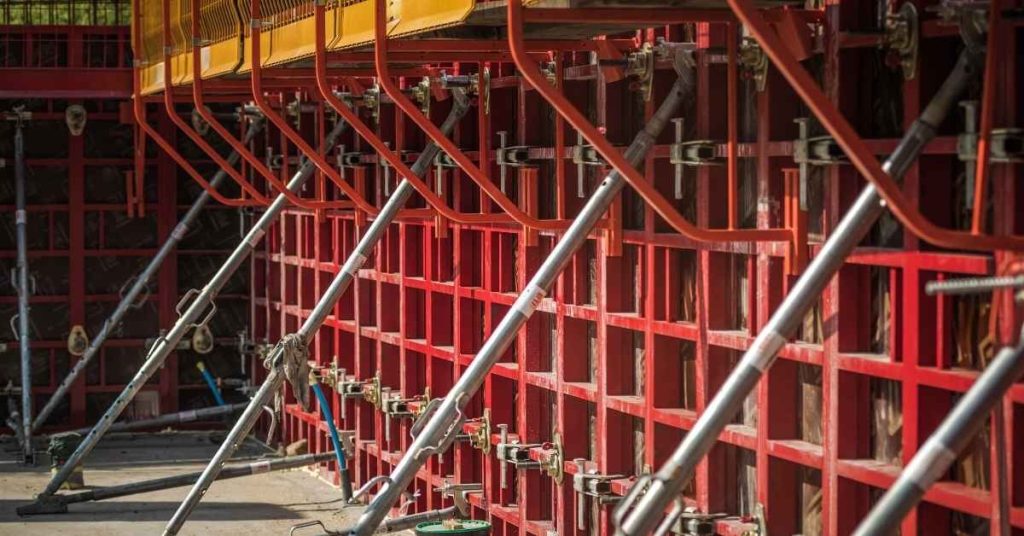
Red metal concrete formwork with angled braces and yellow safety rails

Concrete formwork bulge and bow: brace spacing and quick checks before the truck shows up

Introduction Concrete formwork bulge and bow means the framed plywood or panels are deforming under pressure, creating outward or inward unevenness. Check that brace spacing is appropriate and perform quick, in‑place checks before the truck arrives to hold the form firmly. If you see obvious bow, slack in braces, or loose sheathing, pause and reassess

Concrete formwork bulge and bow: brace spacing and quick checks before the truck shows up Read More »

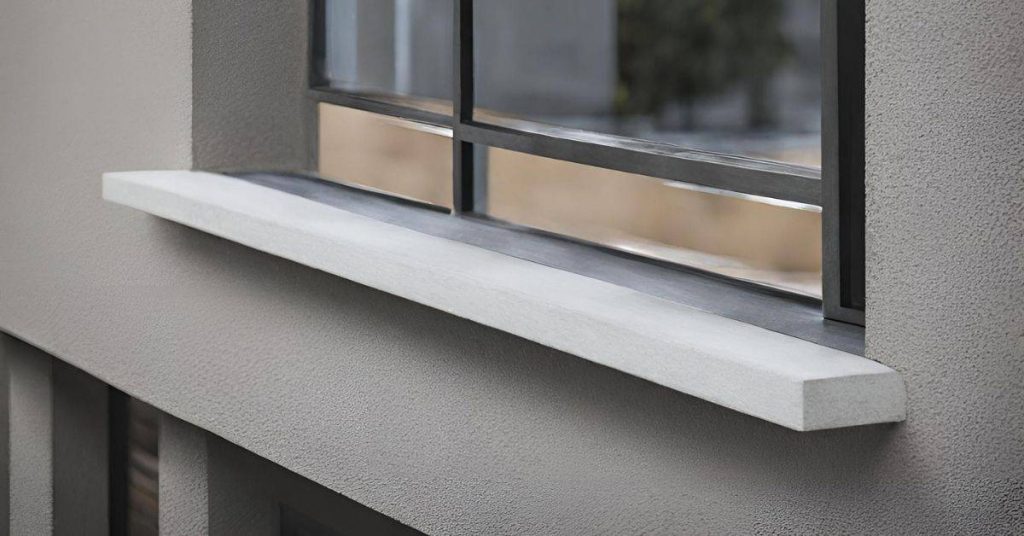
Precast concrete window sill on textured exterior wall

Concrete Pads for Mini-Split Condensers: Vibration Isolation and Drainage Details

Introduction Concrete pads provide a solid, level base for mini-split condensers while helping dampen vibration and manage drainage. In practice, you’ll pick a pad size and placement that suits your unit and how you route condensate away from the slab. Always verify load limits, mounting hardware recommendations, and local rules before pouring. Anti-vibration features and

Concrete Pads for Mini-Split Condensers: Vibration Isolation and Drainage Details Read More »

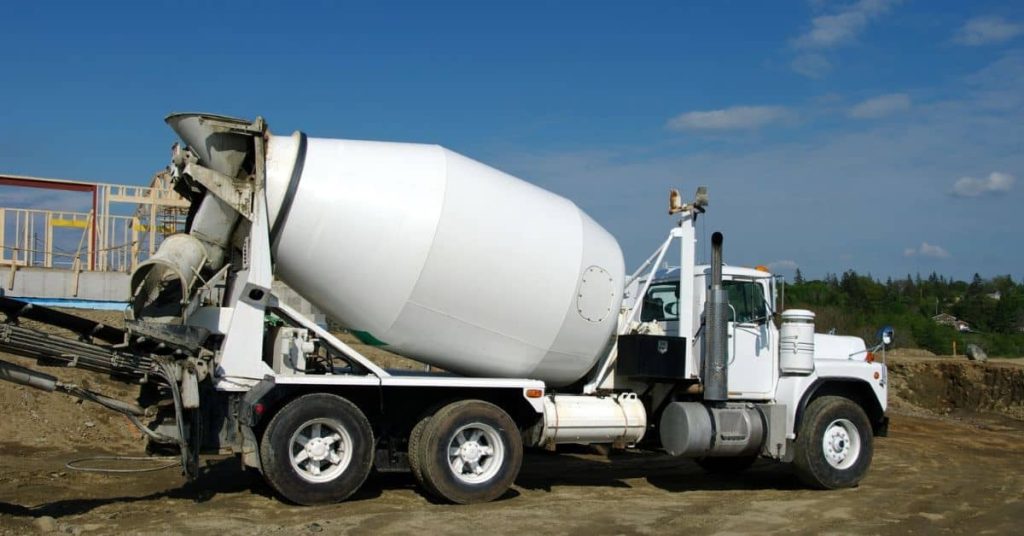
White concrete mixer truck parked on dirt under clear sky

Heaved Sidewalk Fixes in Concrete: Mudjacking vs Polyjacking vs Full Replacement

Introduction This article compares three concrete repair options for a heaved sidewalk: mudjacking, polyjacking, and full replacement. Mudjacking uses a cement slurry to lift the slab from below, while polyjacking uses a foam material to fill voids and lift. Full replacement means removing the old slab and pouring a new one. Each method has its

Heaved Sidewalk Fixes in Concrete: Mudjacking vs Polyjacking vs Full Replacement Read More »

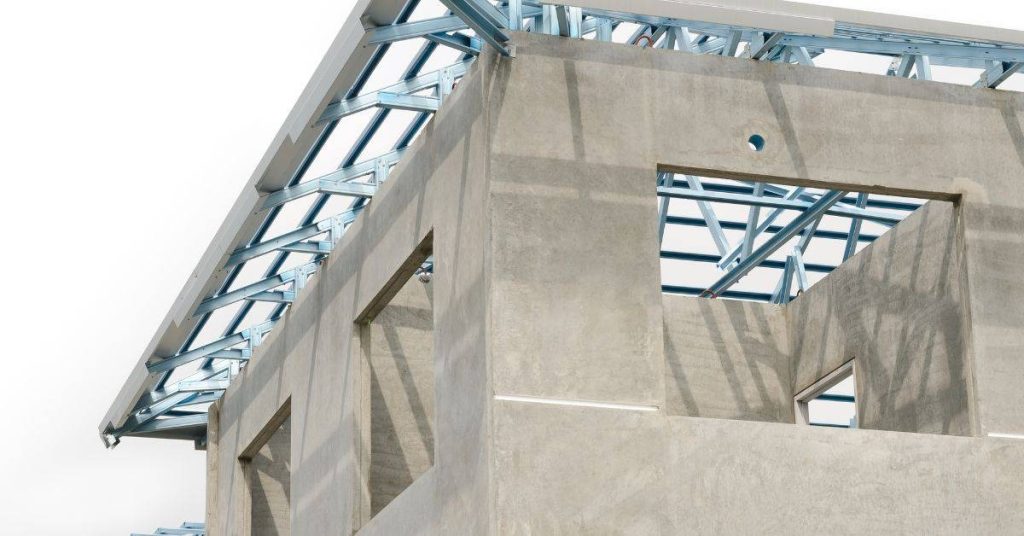
Precast concrete wall panels and steel roof framing

Repairing Honeycombed Concrete: When to Patch, When to Inject, and When to Rebuild

Introduction Repairing honeycombed concrete means fixing voids and loose pockets in the surface by choosing patching, injecting, or rebuilding. You evaluate how severe the honeycombing is and start with the simplest, most straightforward method. If the concrete has hollow spots you can reach, patching is usually the first option; deeper voids may need injecting, and

Repairing Honeycombed Concrete: When to Patch, When to Inject, and When to Rebuild Read More »

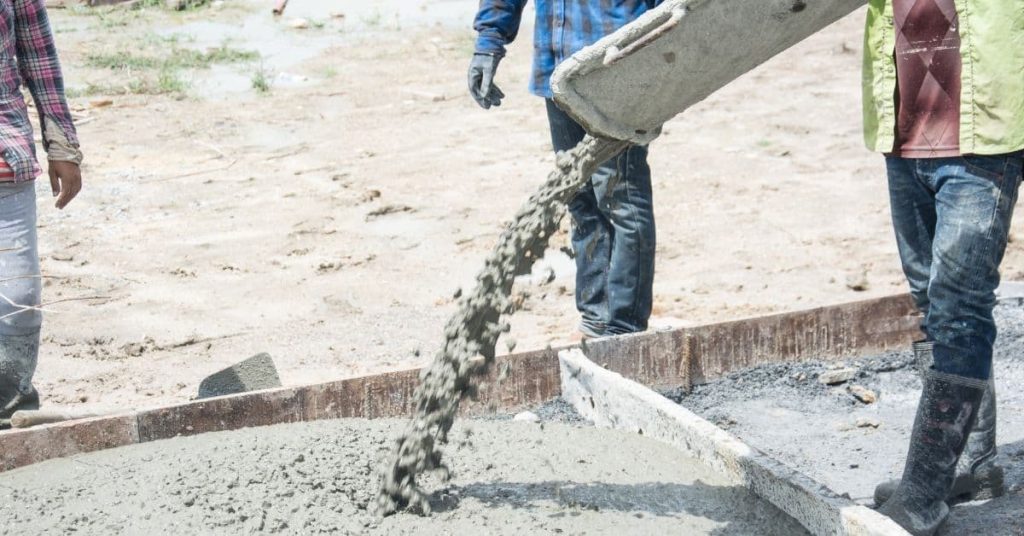
Workers pouring wet concrete into a wooden frame outdoors

Cellular Concrete Uses: Trench Backfill and Under-Slab Fill (Pros, Cons, DIY Limits)

Introduction Cellular concrete is a lightweight concrete mix used for trench backfill and under-slab fill. It is also known as foamed or aerated concrete, and it’s discussed as a DIY-friendly option with attention to local rules and product instructions. It’s not a substitute for every job, so check what your project requires first and follow

Cellular Concrete Uses: Trench Backfill and Under-Slab Fill (Pros, Cons, DIY Limits) Read More »

Workers pouring concrete over dense rebar on construction site

SCC vs Regular Concrete: Best Uses in Dense Rebar (and Can You DIY It?)

Introduction SCC, or self-consolidating concrete, is a flowable mix that settles around dense rebar without vibration. For DIY, this means less hammering and fewer air pockets, but you still need good formwork and clean rebar. Always check the product label and local rules for any restrictions or requirements on your project. Advantages and disadvantages depend

SCC vs Regular Concrete: Best Uses in Dense Rebar (and Can You DIY It?) Read More »

Closeup of orange concrete hopper against clear blue sky

Metakaolin in Concrete: What Changes (Strength, Finish, Workability) and Best Uses

Introduction Metakaolin is a supplementary cementitious material added to concrete to modify performance. In DIY terms, you mix it with cement and aggregate to replace part of the cement, following the product label and local rules. It’s used to improve consistency and reduce shrinkage, but you should verify compatibility with your mix and jobsite conditions.

Metakaolin in Concrete: What Changes (Strength, Finish, Workability) and Best Uses Read More »

Hand wearing glove spraying liquid from paint spray gun

HVLP vs Airless vs Conventional Sprayers: DIY Durability Timeline & Steps by Time

Introduction Embarking on a DIY painting project? Understanding the timeline and steps involved in each sprayer type is crucial for planning your project efficiently. This guide compares HVLP, airless, and conventional sprayers based on time taken, setup, application, and cleanup to help you choose the right system for your durability needs. Whether you’re a seasoned

HVLP vs Airless vs Conventional Sprayers: DIY Durability Timeline & Steps by Time Read More »

Wooden concrete formwork with soil inside and wooden braces

Concrete Formwork for Curves: Timeline and Steps by Time

Introduction The process of creating concrete formwork for curves involves careful planning, preparation, and execution. Understanding the timeline and steps involved can help you manage your project more efficiently. In this guide, we’ll break down the process into clear, time-specific stages to ensure you stay on track and complete your curved concrete forms successfully. For

Concrete Formwork for Curves: Timeline and Steps by Time Read More »