Search Results for: Non sag repair mortar

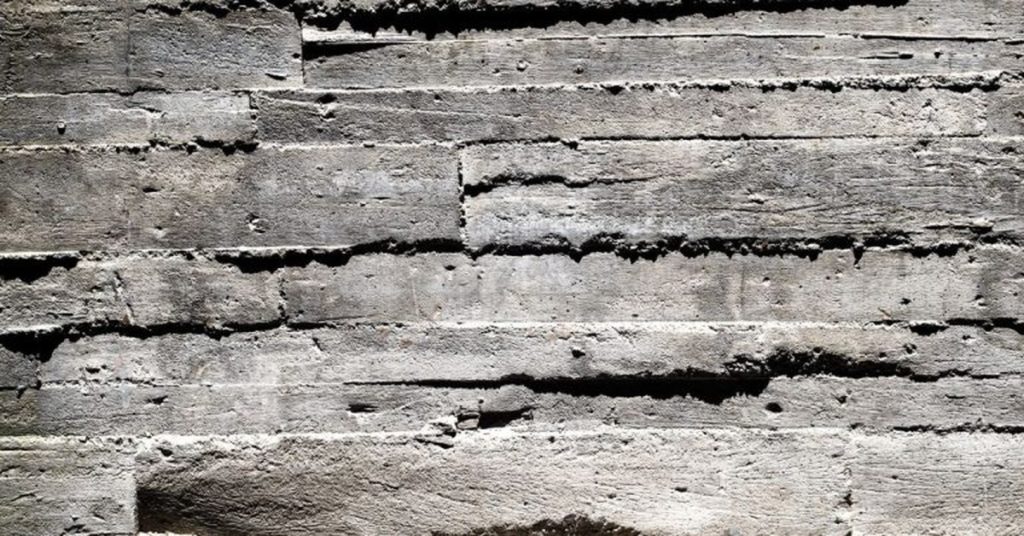
Close-up of rough concrete wall with wood formboard texture

Hydrated Lime in Concrete Mixes: Workability, Finish, and Strength Effects

Introduction Hydrated lime is a dry powder added to concrete to adjust texture and binding. In DIY mixes, it can improve workability and long-term texture, but it also changes setting behavior. Check the product label and local guidelines before use. It can influence finish quality and how smoothly you can trowel or pour. Lime affects […]

Hydrated Lime in Concrete Mixes: Workability, Finish, and Strength Effects Read More »

Close-up of rusted steel rebar with metal ties

Steel Microfibers in Overlays: When They Outperform Rebar Mesh

Introduction Steel microfibers in overlays are tiny reinforcement fibers mixed into concrete to control cracking and improve durability, often replacing some needs for traditional rebar mesh. They disperse with the mix and can reduce crack widths, making overlays tougher for DIY projects. For a DIY job, compare them to rebar mesh in terms of installation

Steel Microfibers in Overlays: When They Outperform Rebar Mesh Read More »

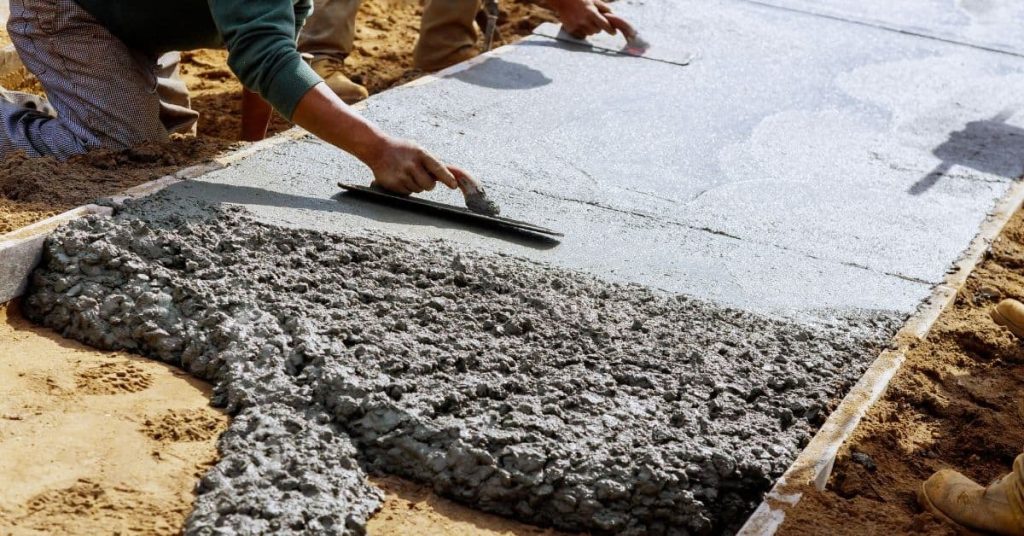
Hands smoothing wet concrete with trowels on a slab

Basalt Fibers vs Polypropylene Fibers: Crack Control, Finishing, and Cost Tradeoffs

Introduction Basalt fibers and polypropylene fibers are two concrete add-ons that help crack control and finishing, with different costs and handling requirements. In practice, the choice comes down to how you mix, place, and finish the concrete, plus how much you’re willing to pay for long-term durability. Always check the manufacturer instructions and local rules

Basalt Fibers vs Polypropylene Fibers: Crack Control, Finishing, and Cost Tradeoffs Read More »

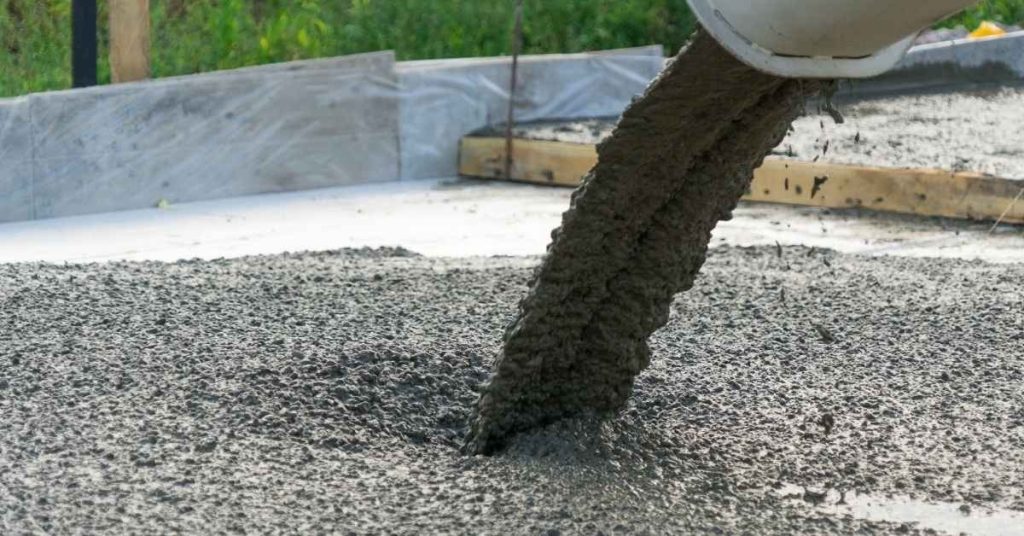
Fresh concrete pouring onto a slab outdoors

Concrete Alkali-Silica Reaction (ASR) Spot Checks: Symptoms That Mimic Other Failures

Introduction ASR is a chemical reaction in concrete between alkalis and reactive silica in aggregates that can lead to slow expansion and cracking. In the field, it can look like cracking, blistering, or powdery patches that mimic other problems. Understanding these symptoms helps you tell whether you might be dealing with ASR or something else.

Concrete Alkali-Silica Reaction (ASR) Spot Checks: Symptoms That Mimic Other Failures Read More »

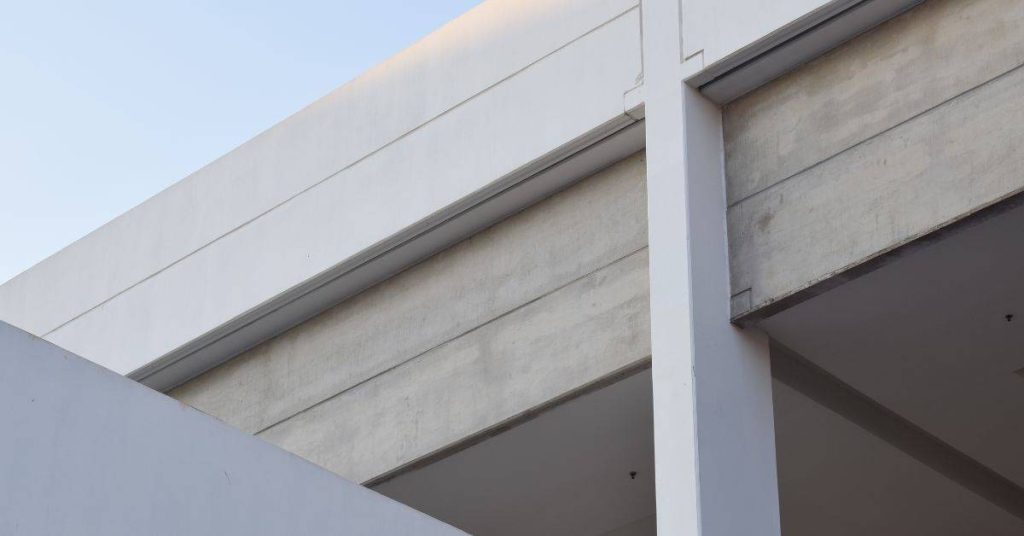
Close-up of concrete beams and columns on building exterior

Petrographic Analysis for Concrete Problems: When It’s Worth Sending a Sample

Introduction Petrographic analysis is identifying what’s inside concrete by examining thin sections under a microscope to diagnose problems. Sending a sample is worth it when surface tests don’t tell you the cause, or when you need to confirm suspicion of reactions or cracking. It’s a straight‑forward way to separate chemical reactions from physical wear. A

Petrographic Analysis for Concrete Problems: When It’s Worth Sending a Sample Read More »

Stacked precast concrete hollow core slabs outdoors

Chloride Penetration in Concrete: Why Coastal Slabs Fail and How to Slow It Down

Introduction Chloride penetration in concrete is the inward movement of chloride ions from the environment into the concrete and reinforcement area. In coastal areas, salt spray, moisture, and wet-dry cycles push chlorides into the concrete matrix. This can lead to corrosion of reinforcing steel and reduce the structure’s long-term durability. To slow chlorides down, choose

Chloride Penetration in Concrete: Why Coastal Slabs Fail and How to Slow It Down Read More »

Close-up of a gray concrete slab surface with cracks and pitting

Concrete Dusting Floors: Why the surface powders and how to harden it

Introduction Concrete dusting is the surface powdering that happens when the upper layer of the concrete wears away, leaving a chalky film. It can occur from weak finishing, too much air in the mix, poor curing, or heavy traffic without protection. Understanding the signs helps you decide whether to protect, repair, or reseal the floor.

Concrete Dusting Floors: Why the surface powders and how to harden it Read More »

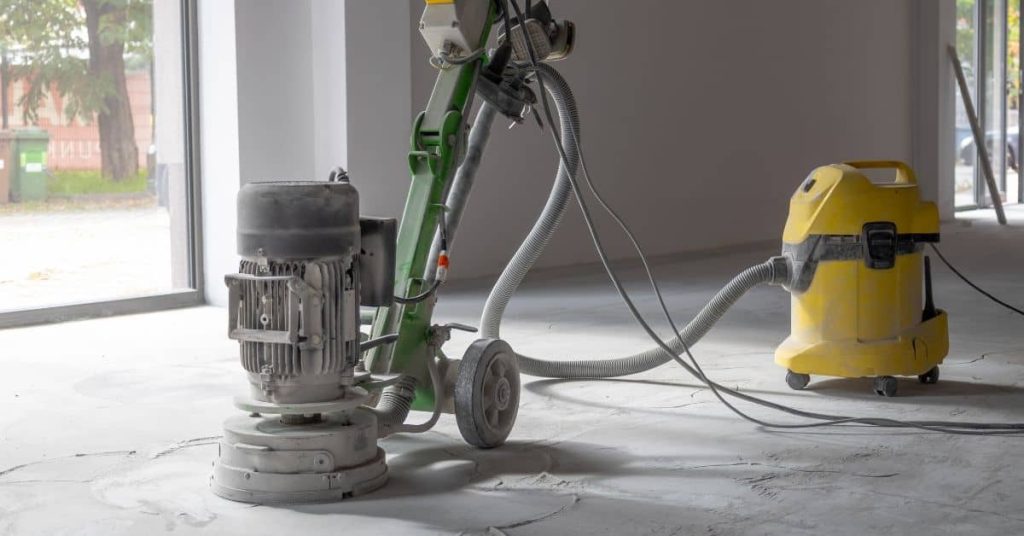
Concrete floor grinder connected to yellow vacuum cleaner

Bugholes on Formed Concrete: Vibration, release agents, and mix tweaks that help

Introduction Bugholes on formed concrete are small air cavities that mar the surface after form removal. They happen from trapped air, sticky release agents, or improper vibration. In DIY work, you can reduce them by adjusting how you vibrate, how you release the form, and how you mix your concrete. Use the right vibration technique

Bugholes on Formed Concrete: Vibration, release agents, and mix tweaks that help Read More »

Concrete surface with small holes and surface pitting

Air Entrained Concrete: When it’s necessary and how to avoid surface pitting

Introduction Air entrained concrete is concrete that includes tiny air bubbles introduced by a special additive to improve its performance. These micro-bubbles help when water freezes and expands, reducing cracks in the slab. It’s a common choice for projects that sit outside or face temperature swings. Use is appropriate when you want a smoother surface

Air Entrained Concrete: When it’s necessary and how to avoid surface pitting Read More »

Close-up of concrete screed tool smoothing wet concrete slab

Concrete Bleed Water: Finishing timing to avoid dusting, blisters, and flakes

Introduction Bleed water is the surface water that rises through the concrete mix as it sets. Finishing timing means waiting for that water to emerge and begin to dry before you apply final troweling or brooming. Doing it too soon can trap moisture and lead to dusting, blisters, or flaking later. The bleeding rate depends

Concrete Bleed Water: Finishing timing to avoid dusting, blisters, and flakes Read More »