Search Results for: Non sag repair mortar

Smooth light gray concrete wall surface

Surface-Bonding Cement on Dry-Stack Concrete Block: When It’s Allowed and How to Reinforce

Introduction Surface-bonding cement on dry-stack concrete block is a thin adhesive layer applied to the face of stacked blocks to improve bond and stability when allowed. It’s a practical option you can use to reinforce and tidy up a wall that’s already in place. Check your local rules and manufacturer instructions to know if this […]

Surface-Bonding Cement on Dry-Stack Concrete Block: When It’s Allowed and How to Reinforce Read More »

Open white window above thick smooth concrete sill

Concrete Block Window Sill Water-Shedding Details: Slopes, Drips, and Smart Sealant Placement

Introduction A concrete block window sill water-shedding detail is the built-in slope and drip setup that directs rain away from the wall and into drainage. We’ll set a gentle slope on the top surface and add small drip features to keep water from riding back into the opening. Check local rules and manufacturer guidance for

Concrete Block Window Sill Water-Shedding Details: Slopes, Drips, and Smart Sealant Placement Read More »

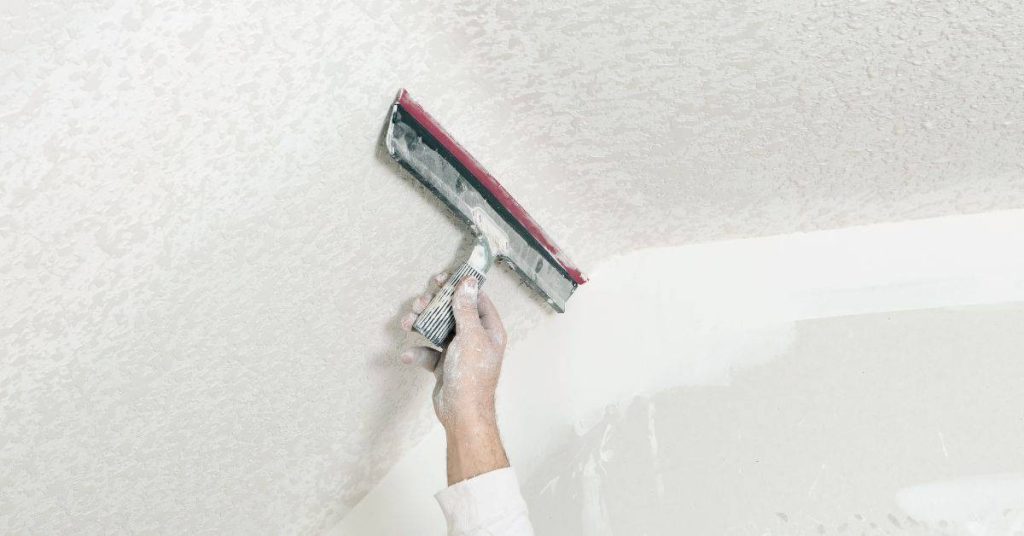
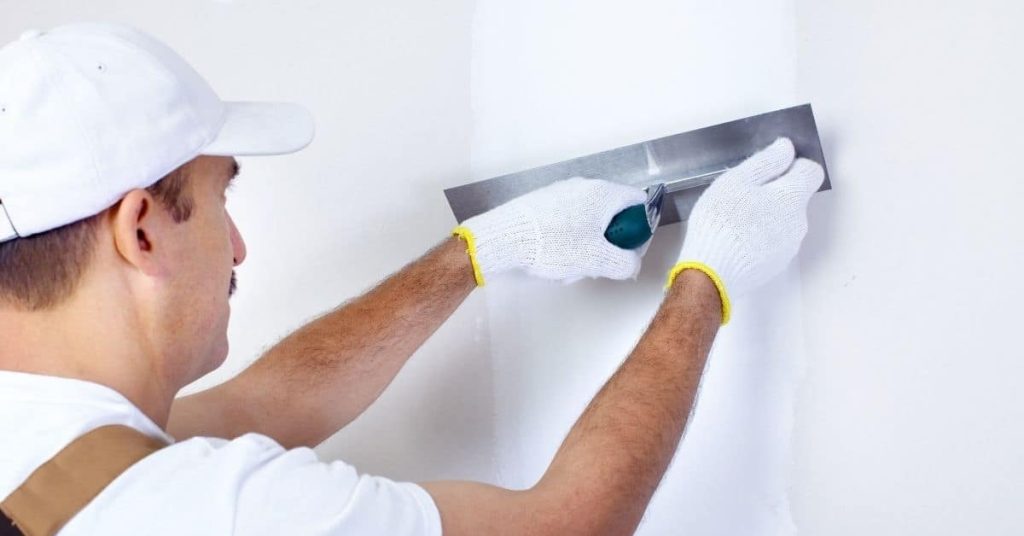
Worker smoothing white plaster wall with metal trowel

Plaster Returns at Deep Windows: Reinforcement That Doesn’t Bulge the Edge

Introduction Reinforcement for plaster returns at deep windows means adding solid edge support so the plaster won’t bulge. In practice you build up a stable, tight edge before the final coat. This keeps the plaster flush and reduces cracking. Use appropriate edging, furring, or metal lath as directed on the product label and by the

Plaster Returns at Deep Windows: Reinforcement That Doesn’t Bulge the Edge Read More »

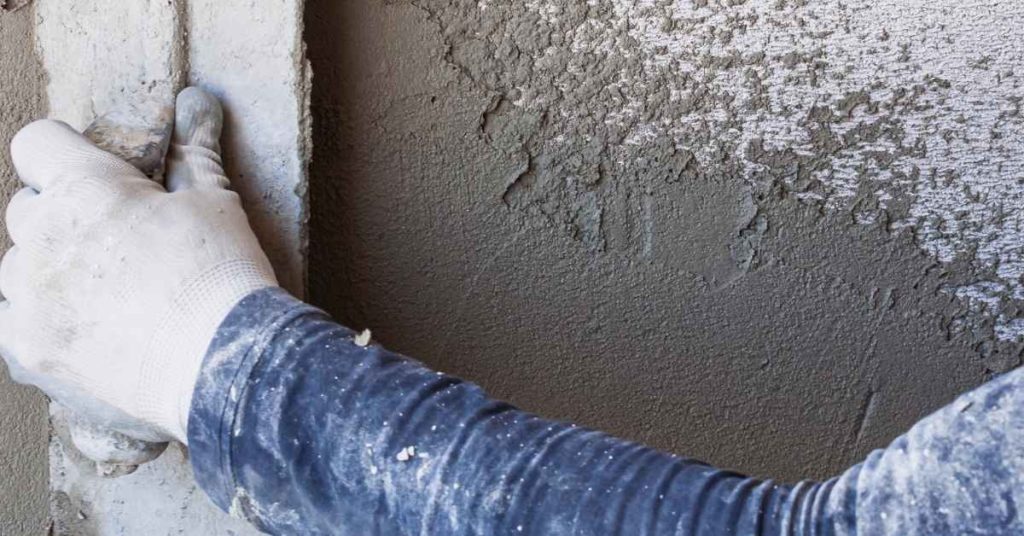
Worker smoothing plaster on a wall with a trowel

Microcement Over Old Plaster: Bond Layers, Movement Risk, and Sealer Selection

Introduction Microcement over old plaster means applying a thin cement-based coating on top of a plaster substrate with careful surface prep. Start by cleaning the surface and repairing obvious flaws to give the new layer something to grip. Roughen or abrade slightly and use an appropriate bonding primer to improve adhesion. Movement risk comes from

Microcement Over Old Plaster: Bond Layers, Movement Risk, and Sealer Selection Read More »

Hand applying textured plaster to wall with a red trowel

Clay Plaster Basics: Mixing, Application, and Crack Control That’s Realistic

Introduction Clay plaster basics are simple, old-fashioned wall coverings made from clay, sand, and water that you mix and trowel onto a surface. This article gives a practical, hands-on look at mixing, applying, and why cracks happen. You’ll learn how to handle the mix and what to watch for on site. Expect a straightforward, honest

Clay Plaster Basics: Mixing, Application, and Crack Control That’s Realistic Read More »

Wet concrete being poured onto floor surface

Concrete Control Joints Around Floor Drains: Crack Steering Without Creating a Lip

Introduction Concrete control joints around floor drains are expansion joints that help crack control by isolating the drain area from the surrounding slab. They create a defined weak plane that guides cracks away from the drain and keep a smooth surface around the lip. This is a practical, hands-on detail you can plan for during

Concrete Control Joints Around Floor Drains: Crack Steering Without Creating a Lip Read More »

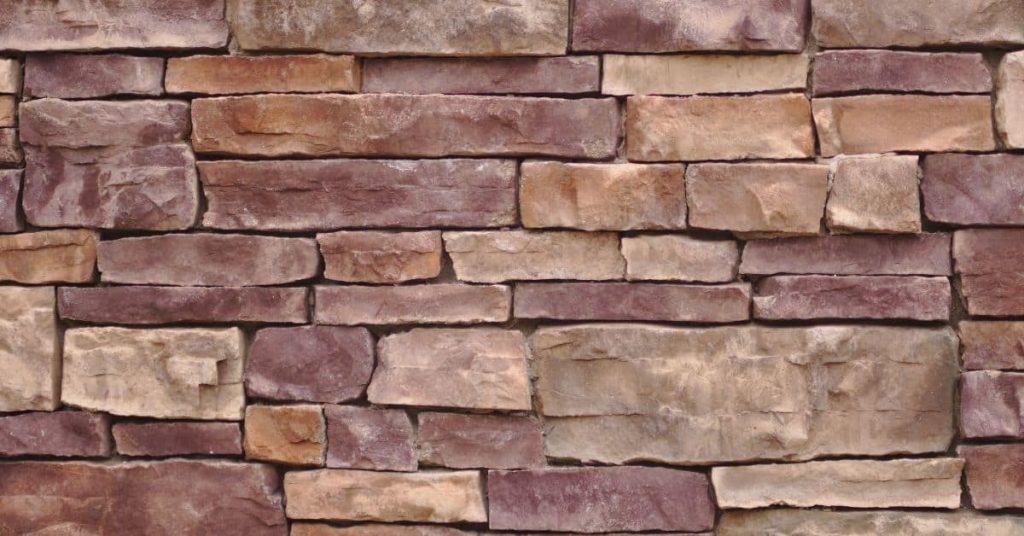
Close-up of stacked stone veneer wall with varied shapes

Brick Veneer 101: Air Gaps, Weeps, and Why “Stuck-On” Systems Fail

Introduction Brick veneer is a non-structural facing that sits on a wall with an intentional air gap to vent moisture. Understanding why air gaps and weep holes matter helps you spot issues before they show up. This setup is what keeps brick veneer performing without relying on the wall itself for support. Stuck-on brick systems

Brick Veneer 101: Air Gaps, Weeps, and Why “Stuck-On” Systems Fail Read More »

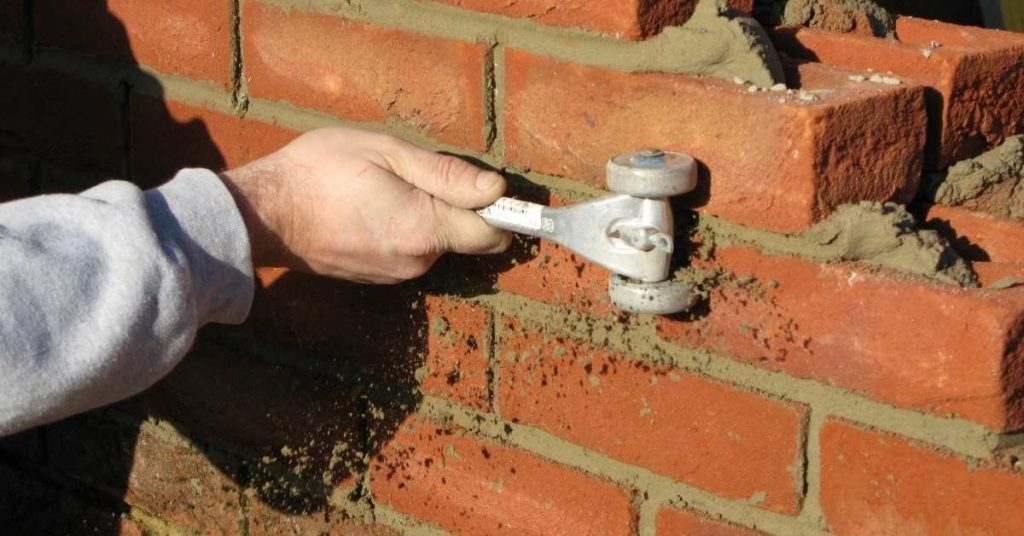
Hand using brick joint roller on fresh mortar joints

Brick Repointing Without Drool Lines: Vertical Joint Control Tricks

Introduction Brick repointing is the process of renewing the mortar between bricks to restore strength and look. This article focuses on doing it without leaving drool lines or smeared mortar, especially along vertical joints. We’ll talk through practical steps you can do on a DIY basis with common tools. Control vertical joints by tooling and

Brick Repointing Without Drool Lines: Vertical Joint Control Tricks Read More »

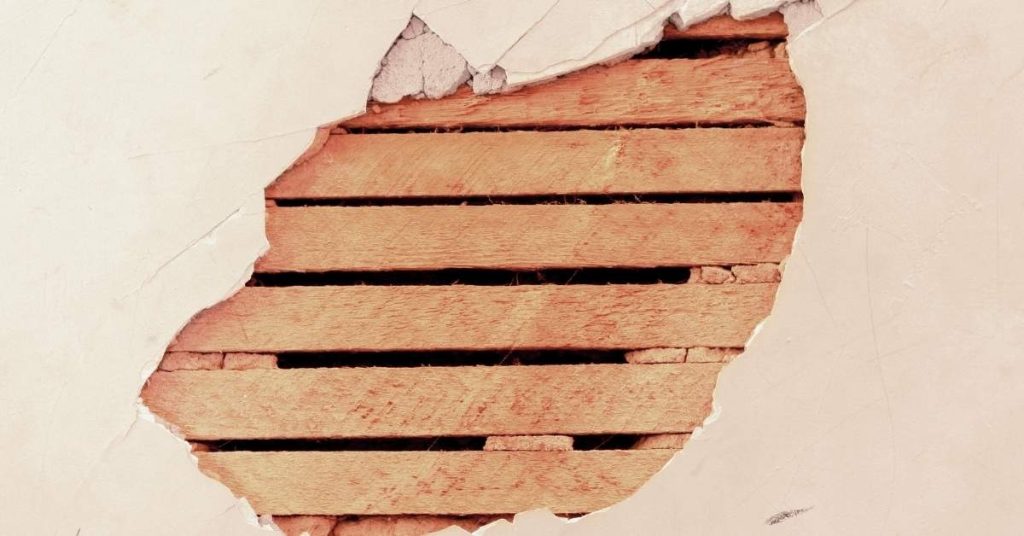
Broken plaster revealing wooden lath behind wall

Loose Lath Under Plaster: Refasten vs Replace (a Practical Decision Guide)

Introduction Refastening loose lath is usually the simplest first step to fix plaster that’s pulling away. If the lath is rotten or severely warped, replacement might be the safer option. Check for signs of damp, rot, and whether the plaster remains solid. Decide between refastening and replacing by inspecting the lath condition and the soundness

Loose Lath Under Plaster: Refasten vs Replace (a Practical Decision Guide) Read More »

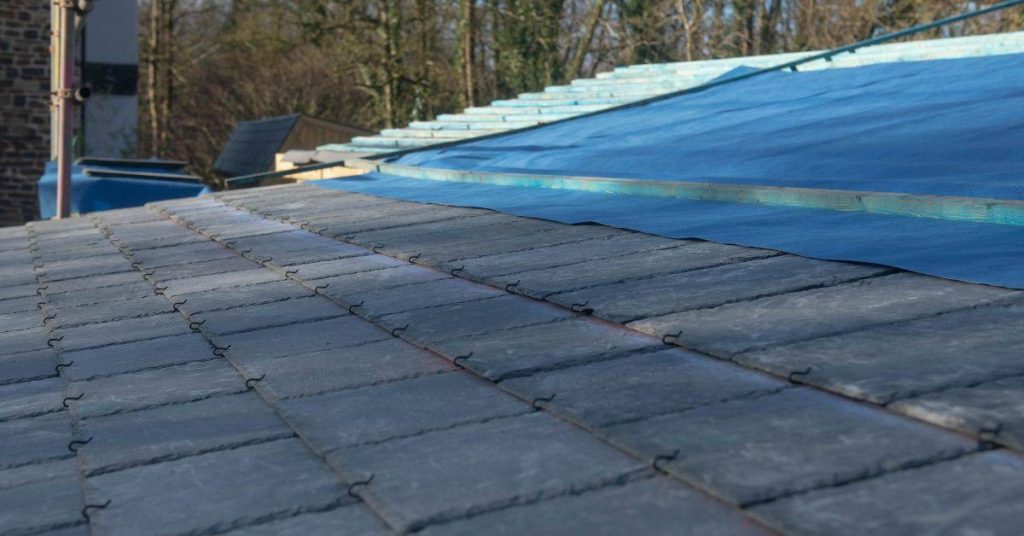
Slate roof tiles partially installed with underlayment visible

Stucco Meets Roof: Step Flashing, Sealant Placement, and Drainage Gaps

Introduction Step flashing, sealant placement, and drainage gaps are the practical techniques used at the stucco-roof intersection to prevent leaks. In plain talk, they’re the fail-safes you create where the wall meets the roof to keep water out. Follow local practice and the manufacturer instructions for flashing, sealant, and any required gaps, and check product

Stucco Meets Roof: Step Flashing, Sealant Placement, and Drainage Gaps Read More »