Search Results for: MS with epoxy

Close-up of concrete surface with a patch of spalling damage

Concrete Spalling at Garage Door Thresholds: Why It Happens and How to Rebuild the Edge

Introduction Spalling is when the surface concrete flakes, chips, or peels away at the garage door edge. The damage comes from moisture intrusion, freeze-thaw cycles, or heavy traffic over time. You’ll notice rough edges where the edge of the slab meets the door opening. To rebuild the edge, remove loose material and clean the area […]

Concrete Spalling at Garage Door Thresholds: Why It Happens and How to Rebuild the Edge Read More »
Person painting white kitchen cabinets with small brush

How to Paint Glossy Laminate Cabinets Without Peeling (Bonding Primers and Scuff Tests)

Introduction Bonding primers and proper surface prep are what keep glossy laminate cabinets from peeling. This article walks you through practical steps you can take at home to prep, test adhesion, and apply a durable finish. You’ll learn how to evaluate the surface and choose the right primer for a long-lasting bond. Start with a

How to Paint Glossy Laminate Cabinets Without Peeling (Bonding Primers and Scuff Tests) Read More »

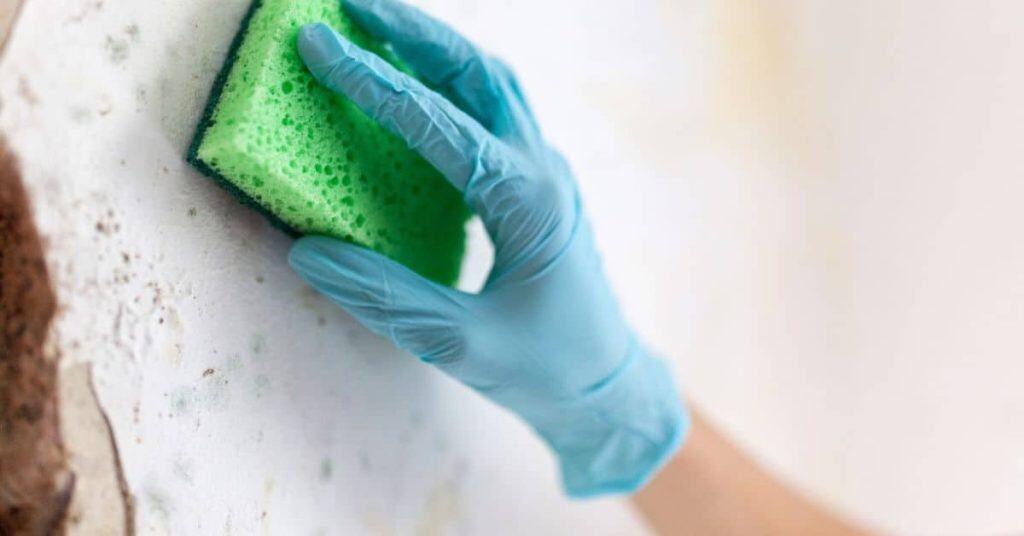
Hand wearing blue glove scrubbing stucco wall with green sponge

Repainting Old Stucco: Cleaning, Priming, and Coatings That Don’t Peel

Introduction Repainting old stucco means preparing the surface, then applying primer and coatings that resist peeling. It’s a hands-on process you can do in stages, not a one-shot job. Focus on cleanliness, a good seal, and choosing products labeled for stucco and exterior use. Start with a thorough cleaning, fix obvious cracks, and verify the

Repainting Old Stucco: Cleaning, Priming, and Coatings That Don’t Peel Read More »

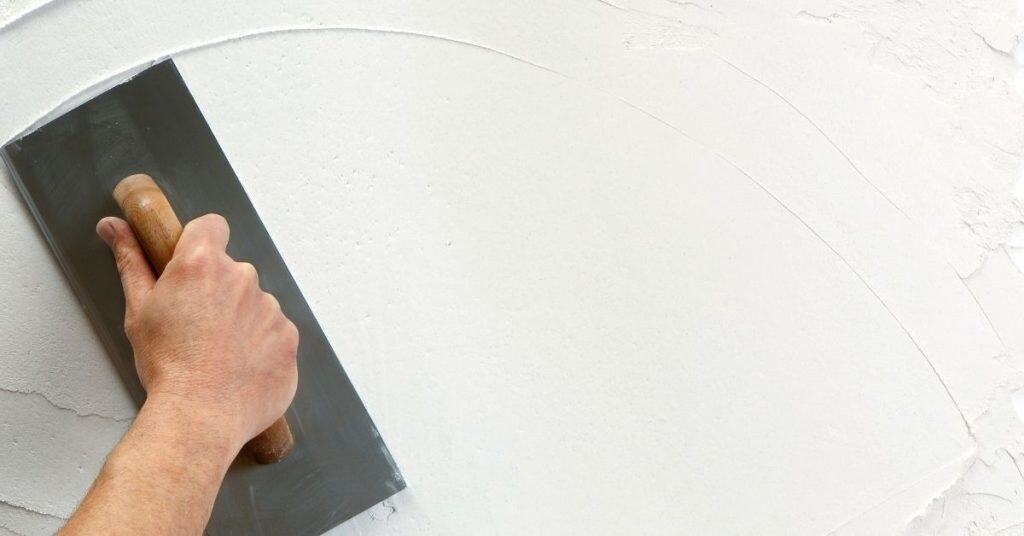
Hand holding trowel smoothing plaster on wall

Plaster Crack Repair That Lasts: Stabilize Movement Before You Patch

Introduction Stabilizing movement before patching means stopping the wall from shifting so the patch can stick. This is a hands-on job, not a quick cover-up. You’ll address the underlying cause first, then patch. Start by locating what’s moving in the wall and take steps to stop it. Secure loose framing with basic fixes and let

Plaster Crack Repair That Lasts: Stabilize Movement Before You Patch Read More »

Paint roller applying sealer on outdoor concrete pavers

Sealing Concrete Outdoors: Penetrating vs Film-Forming and When to Use Each

Introduction Penetrating sealers soak into the concrete to guard against moisture and stains, while film-forming sealers sit on the surface as a protective layer. That choice changes how you clean, maintain, and how it handles water. If you want a low-maintenance, breathable finish, penetrating is often better; if you want a slick surface or easier

Sealing Concrete Outdoors: Penetrating vs Film-Forming and When to Use Each Read More »

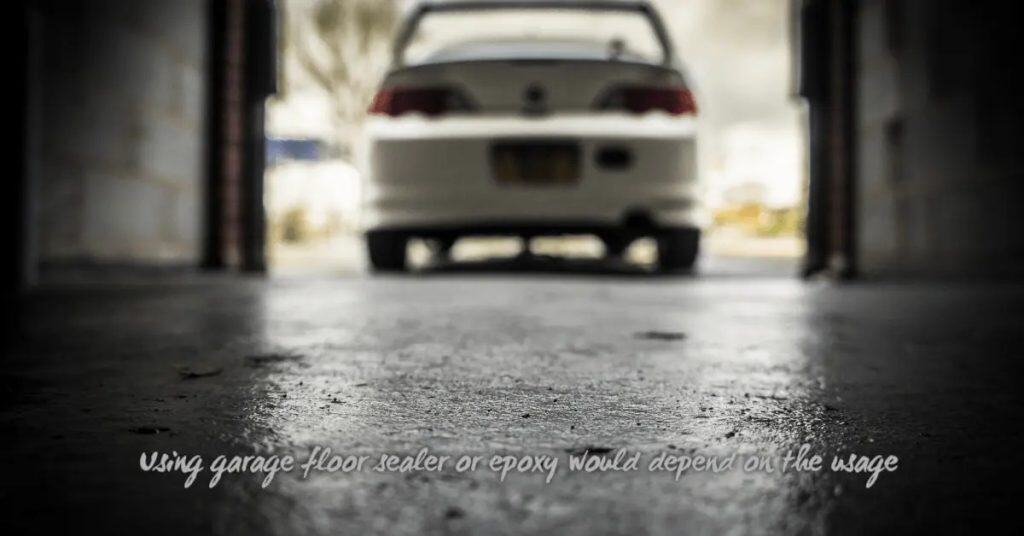
Close-up of textured concrete garage floor with white car in background

Moisture-Safe Concrete Coatings: What Works, What Doesn’t, and Why

Introduction Moisture-safe concrete coatings are sealers and finishes that slow or block water from the concrete surface. They help keep moisture from moving into basements, garages, or workshops. Choose options that fit your climate and surface, and always follow label directions. What doesn’t work for everyone can be a waste of time and money. In

Moisture-Safe Concrete Coatings: What Works, What Doesn’t, and Why Read More »

Pouring bonding slurry onto dry concrete surface

How to Patch Thin Concrete Repairs: Bonding Slurry and Edge Prep That Sticks

Introduction Patch thin concrete repairs with a bonding slurry to help the patch stick to the prepared edge. Start with clean, dust-free edges and roughen the surface for a solid key, then mix the slurry and patch material as instructed. If in doubt, check manufacturer guidance or local rules to ensure proper adhesion. Prepare the

How to Patch Thin Concrete Repairs: Bonding Slurry and Edge Prep That Sticks Read More »