Search Results for: MS with epoxy

Close-up of white subway tiles with visible grout lines

Do Subway Tiles Need Spacers? Layout Rules, Exceptions, and Best Practices

Introduction Subway tiles benefit from spacers to keep joints even and straight as you set rows. The idea is to create uniform grout lines while you work, and to understand that layout options come from pattern choices like running bond or stacked tile. Always check the tile manufacturer instructions and local rules for any specific […]

Do Subway Tiles Need Spacers? Layout Rules, Exceptions, and Best Practices Read More »

Hands using scraper to remove blue paint from wall

Cratering in Paint: Contamination Tests and Fixes for Pitted Surfaces

Introduction Cratering in paint is when small pits or craters appear on the painted surface, leaving uneven spots. It usually happens when the surface is contaminated or the coating fails to bond properly. Pitted areas can also result from poor surface prep or moisture under the film. To detect it, start with a careful visual

Cratering in Paint: Contamination Tests and Fixes for Pitted Surfaces Read More »

Worker measuring drywall with tape measure on wall

Drywall Fasteners Over Steel Studs: Screw Types, Spacing, and Stripping Avoidance

Introduction Drywall fasteners over steel studs are screws used to attach drywall to metal framing. They’re the fasteners you drive with a screwdriver or drill to secure gypsum to metal studs. Follow the screw manufacturer instructions and local rules for type and installation, and check the packaging label for compatibility with steel studs. To avoid

Drywall Fasteners Over Steel Studs: Screw Types, Spacing, and Stripping Avoidance Read More »

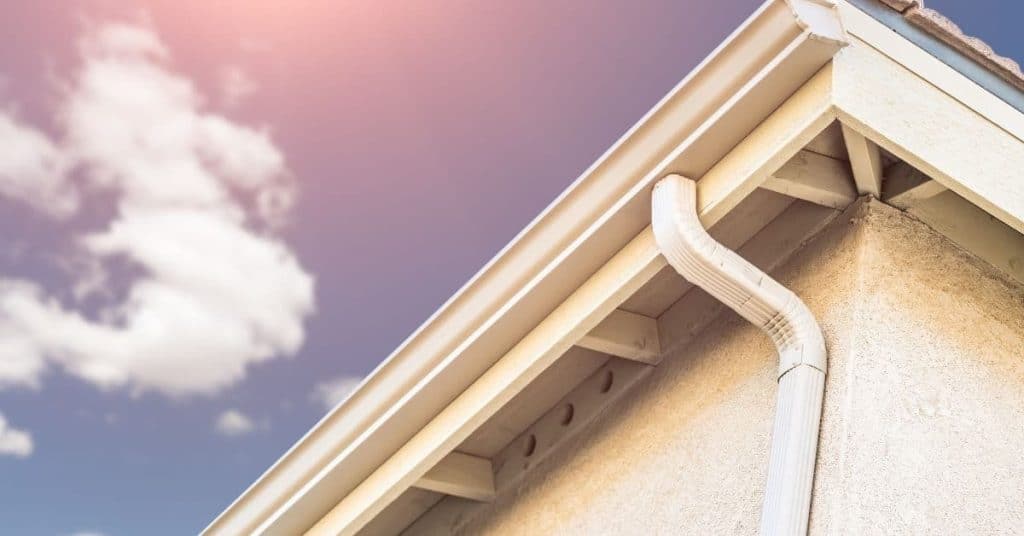
White gutter and downspout on beige house corner under blue sky

Inside Corner Cracks That Keep Returning: Movement Causes and Reinforcement Options

Introduction Inside corner cracks that keep returning are signs of ongoing movement at wall corners. These cracks usually form where framing shifts, settles, or surfaces rub as seasons change. In DIY terms, you’re seeing a repeating tug that small repairs alone won’t stop. Reinforcement options depend on the cause and finish material, and you’ll want

Inside Corner Cracks That Keep Returning: Movement Causes and Reinforcement Options Read More »

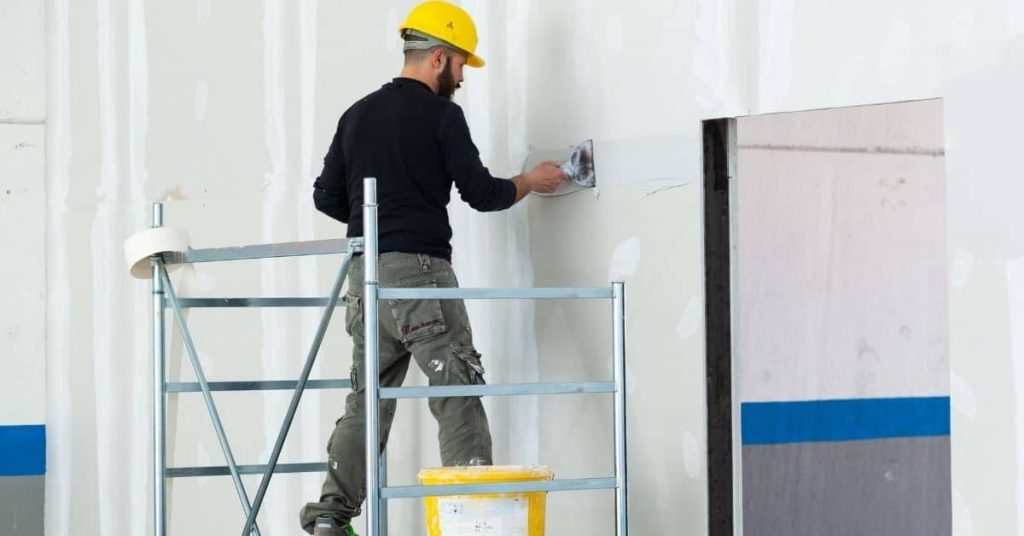
Worker applying plaster to drywall wearing yellow hard hat

Mold-Resistant Drywall in Basements: Moisture Testing Before You Hang Anything

Introduction Mold-resistant drywall is dry wall designed to resist moisture and mold growth in basements. It’s a practical upgrade when you’re finishing a damp space. I’ll walk you through how to tell if it’s a good fit and what to expect on the job. Before hanging anything, do moisture testing and air checks. Use a

Mold-Resistant Drywall in Basements: Moisture Testing Before You Hang Anything Read More »

Close-up of blue fiberglass mesh rolls

Paperless Drywall (Fiberglass-Faced): Where It Helps, How to Finish It, and Common Pitfalls

Introduction Paperless drywall with fiberglass facing is a gypsum board that uses a fiberglass mat instead of paper on the surface. It’s designed to resist moisture and mold better in damp spaces, though it still needs proper installation and sealing. This article covers where it helps, how to finish it, and common pitfalls. When finishing,

Paperless Drywall (Fiberglass-Faced): Where It Helps, How to Finish It, and Common Pitfalls Read More »

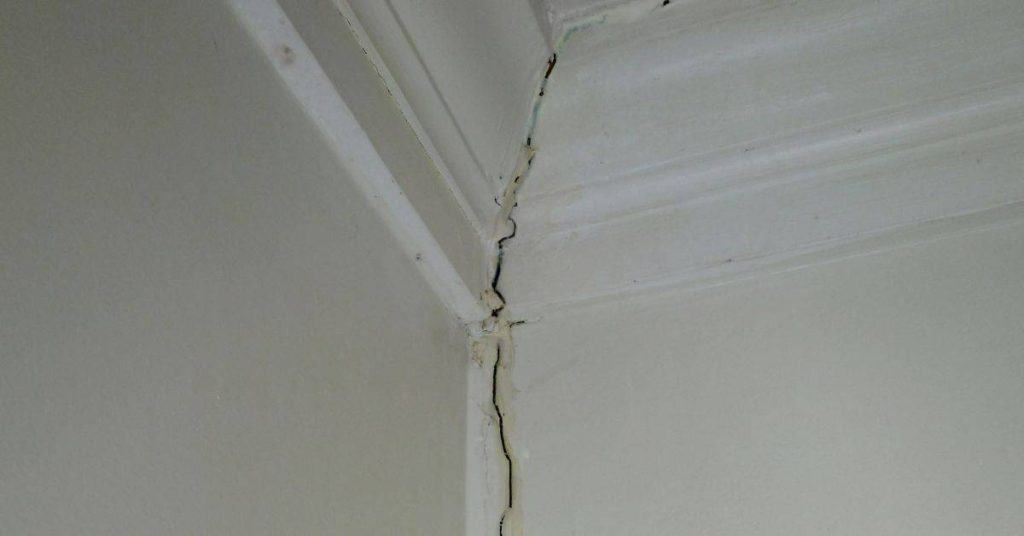
Crack running along wall and ceiling corner

Plaster Crack Monitoring: Simple Marking and Timing So You Don’t Patch Moving Cracks

Introduction Plaster crack monitoring is watching cracks to see if they move over time before deciding to patch. Mark the crack and check it again after a short period to see if the gap changed. Keep the marks simple and document any movement by noting the crack’s location and new markings, then compare to prior

Plaster Crack Monitoring: Simple Marking and Timing So You Don’t Patch Moving Cracks Read More »

Worker applying plaster with trowel on wall corner

Plaster Over Painted Concrete Block: Bonding Agent Choices and Keying Techniques

Introduction Plaster over painted concrete block means applying plaster to a surface that has paint, using a bonding agent and surface keying to make the plaster stick. You’ll want a bonding agent that’s compatible with both the paint and the plaster mix you plan to use. Keying techniques involve scuffing or abrading the paint and

Plaster Over Painted Concrete Block: Bonding Agent Choices and Keying Techniques Read More »

Worker spraying cement plaster on concrete wall

Plaster in Shower Areas: When Cement Plaster Is Safer Than Gypsum (and Why)

Introduction Cement plaster is typically safer in shower areas because it resists moisture better than gypsum. It dries hard and handles moisture and humidity in wet zones better. Choose cement plaster for areas that get a lot of splash, and always follow the product label and local building guidance. Check that the substrate is sound,

Plaster in Shower Areas: When Cement Plaster Is Safer Than Gypsum (and Why) Read More »