Search Results for: MS with epoxy

Long white concrete pump arm extending over building roof

Sump Pit Design Basics: Lid Sealing, Radon Tie-In, and Pump Cycling Problems

Introduction Sump pit design basics are practical steps to contain groundwater, seal the lid, and manage the pump. Keep the pit clean, plan the lid fit, and consider ventilation paths for radon if applicable. Always check local rules and manufacturer guidance when selecting components. Lid sealing techniques involve a tight fit, gasket or sealant use, […]

Sump Pit Design Basics: Lid Sealing, Radon Tie-In, and Pump Cycling Problems Read More »
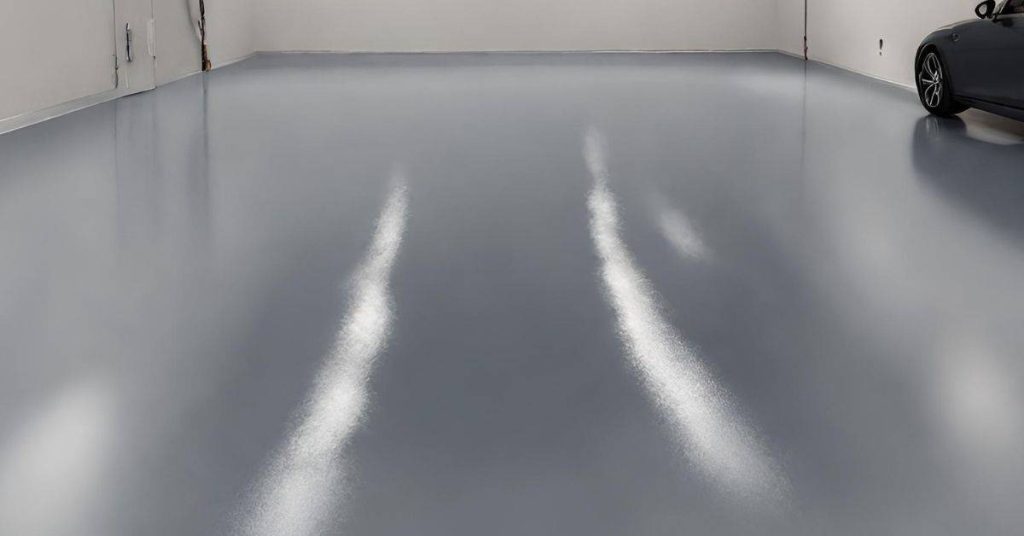
Smooth gray epoxy coated concrete garage floor with car

Epoxy Injection vs Polyurethane Injection for Cracks: Choosing Based on Movement and Moisture

Introduction Epoxy and polyurethane injections are two concrete crack repair options, chosen based on movement and moisture. Epoxy cures into a stiff bond ideal for solid, non-moving cracks, while polyurethane stays more flexible to absorb tiny shifts. Always check the product label and local rules before committing to one method. In terms of practical differences,

Epoxy Injection vs Polyurethane Injection for Cracks: Choosing Based on Movement and Moisture Read More »

Worker spraying cement plaster on interior wall

Aluminate Cement Systems: Compatibility Traps With Portland Cement Repairs

Introduction Aluminate cement systems can clash with Portland cement repairs because their chemistries and hydration behave differently. That mismatch can affect bonding, crack resistance, and how the repair ages in real-world use. In practical terms, you want to know if the two systems will stick together over time and cope with the environment around your

Aluminate Cement Systems: Compatibility Traps With Portland Cement Repairs Read More »

Person applying yellow epoxy floor coating with roller

Bubbles in Epoxy: Where they come from and how to stop them

Introduction Bubbles in epoxy are air pockets that form during mixing and pouring. They come from trapped air, improper mixing, or surface contamination. Taking care during prep and curing helps reduce them. Minimize bubbles by following the product’s mixing instructions and preparing the surface before pouring. Pour slowly, avoid stirring air into the resin, and

Bubbles in Epoxy: Where they come from and how to stop them Read More »

Paint roller applying black sealer on concrete surface

Concrete Sealer Recoat Windows: Why ‘too soon’ and ‘too late’ both cause problems

Introduction A concrete sealer recoat is best done when the surface is ready to bond again, so applying too soon or too late can cause problems. If you seal too soon, the new coat may not adhere well or cure correctly. If you wait too long, contaminants or the old film can prevent proper bonding.

Concrete Sealer Recoat Windows: Why ‘too soon’ and ‘too late’ both cause problems Read More »

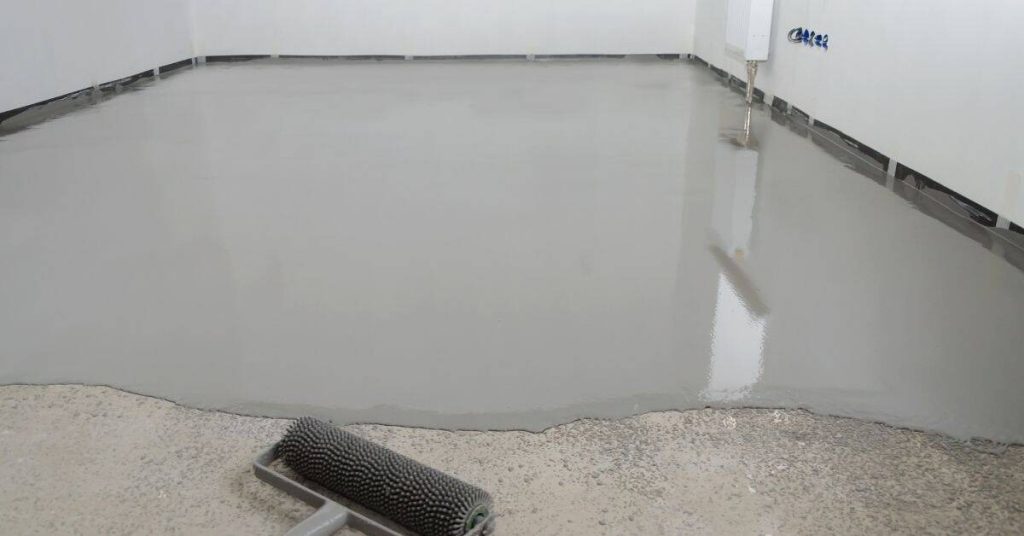
Freshly applied self-leveling concrete floor with roller

Microtopping Problems: Preventing bubbles, pinholes, and delamination

Introduction Microtopping problems are defects like bubbles, pinholes, and delamination that happen when a thin decorative concrete layer can’t bond or level properly. This article covers straightforward, hands-on steps to prevent them during mixing, prep, and application. You’ll also see how surface preparation and choosing self-leveling options can help you get a smoother, longer-lasting finish.

Microtopping Problems: Preventing bubbles, pinholes, and delamination Read More »