Search Results for: MS with epoxy

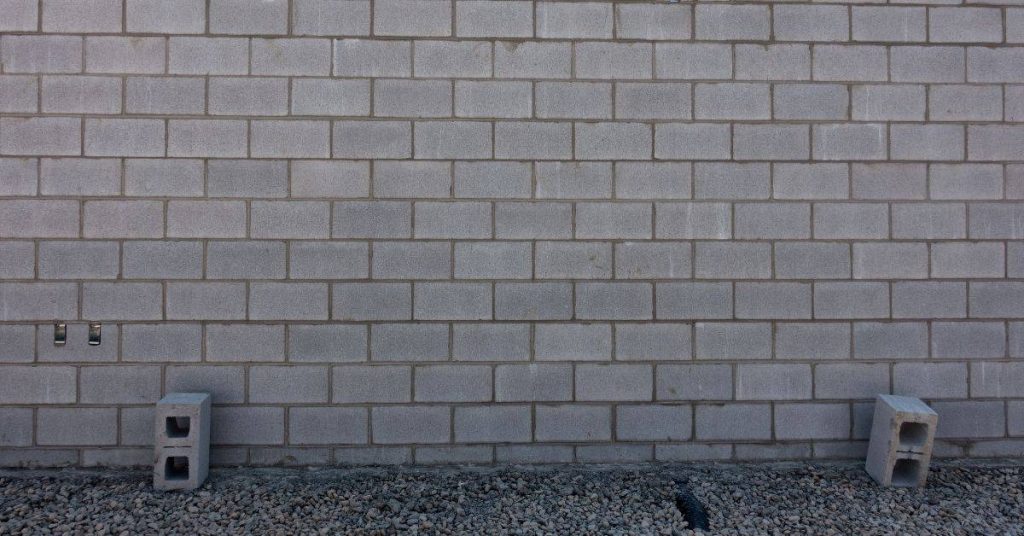
Gray concrete block wall with gravel base and two hollow concrete blocks

Anchoring Into Concrete Block: Hollow vs Grouted Cells and Proper Fastener Choices

Introduction Anchoring into concrete block means using the right anchors and installation technique to secure fasteners into hollow or grouted cells. The choice depends on whether you’re dealing with hollow sections or fully grouted blocks, so consult the anchor’s instructions and the block type before proceeding. Plan for safe drilling, clean holes, and proper seating […]

Anchoring Into Concrete Block: Hollow vs Grouted Cells and Proper Fastener Choices Read More »
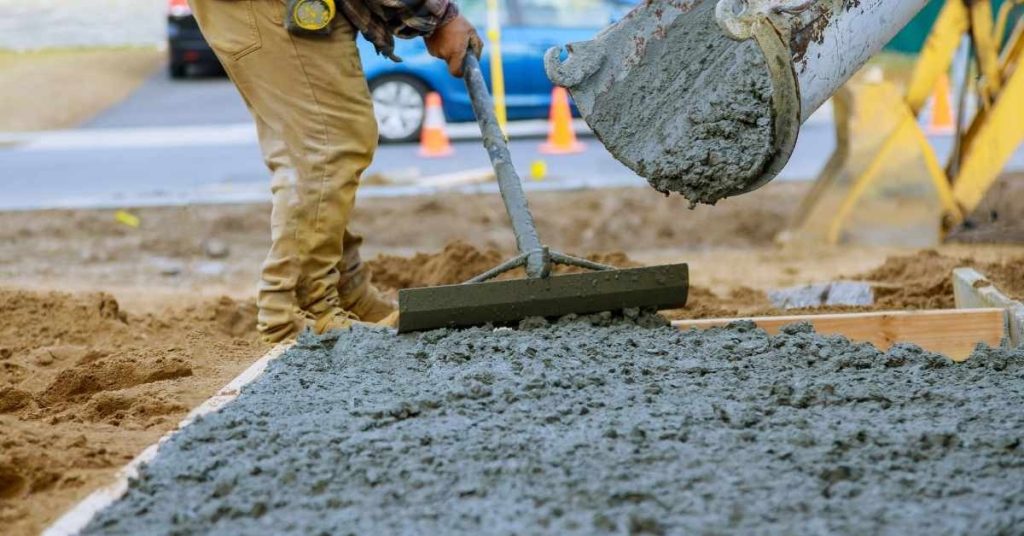
Worker smoothing wet concrete with rake near pouring excavator

Concrete Discoloration From Plastic Curing: Preventing ‘Tarp Lines’ and Blotches

Introduction Concrete discoloration from plastic curing happens when the surface dries unevenly under plastic sheeting, creating lighter and darker patches. Tarp lines and blotches form where edges or wrinkles trap moisture or restrict evaporation. That’s a common DIY issue when you want a smooth, uniform finish without waiting longer. To prevent it, lay the plastic

Concrete Discoloration From Plastic Curing: Preventing ‘Tarp Lines’ and Blotches Read More »

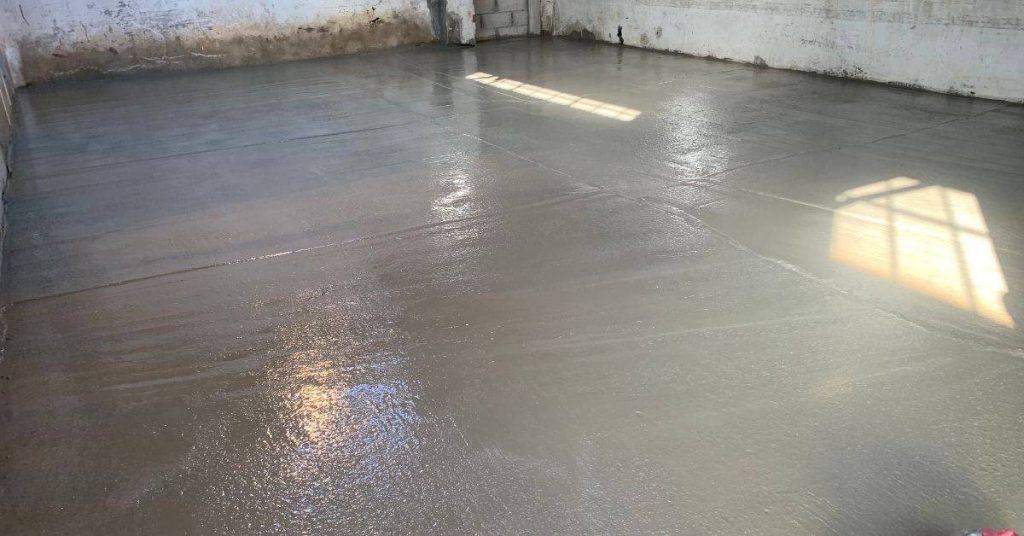
Freshly poured concrete floor inside a building

Why New Concrete Gets Soft Spots: Bleed Water, Overworking, and Local Fixes

Introduction Soft spots in new concrete are areas where the surface feels mushy or weak while it cures. They commonly form when extra bleed water rises to the surface or when the mix is overworked during finishing. Identifying the cause helps you choose the right fix and prevent this from reoccurring. Watch for shiny patches,

Why New Concrete Gets Soft Spots: Bleed Water, Overworking, and Local Fixes Read More »

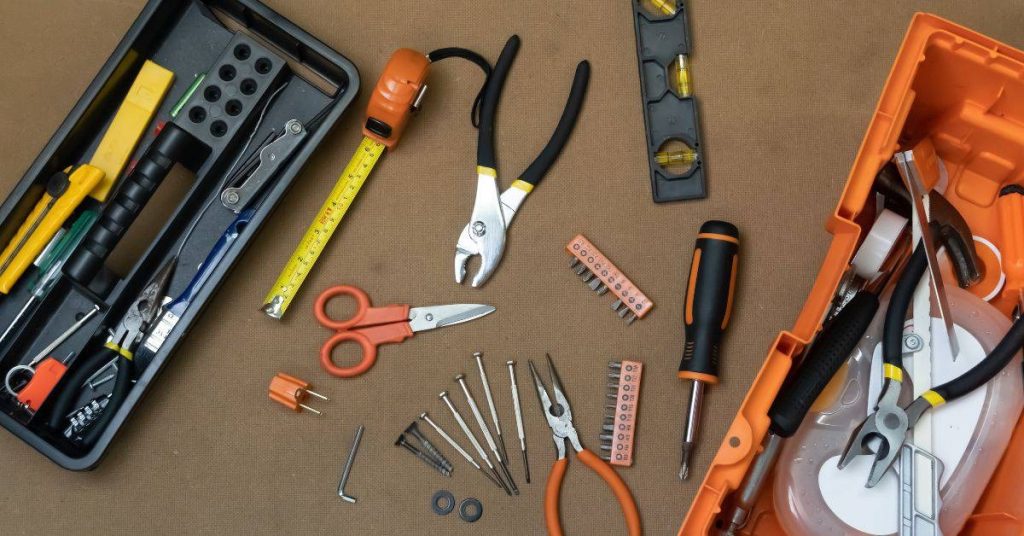
Hand tools including scissors pliers screwdrivers tape measure and level

Hand Edger Radius Guide: Picking 1/8″, 1/4″, 3/8″ Edges for Durability vs Looks

Introduction A hand edger radius guide helps you pick edge profiles around 1/8″, 1/4″, or 3/8″ to shape exposed concrete edges. The choice affects durability and how clean or decorative the edge will look. Always check the product label, manufacturer instructions, and local rules to confirm what radius is allowed for your project. To use

Hand Edger Radius Guide: Picking 1/8″, 1/4″, 3/8″ Edges for Durability vs Looks Read More »

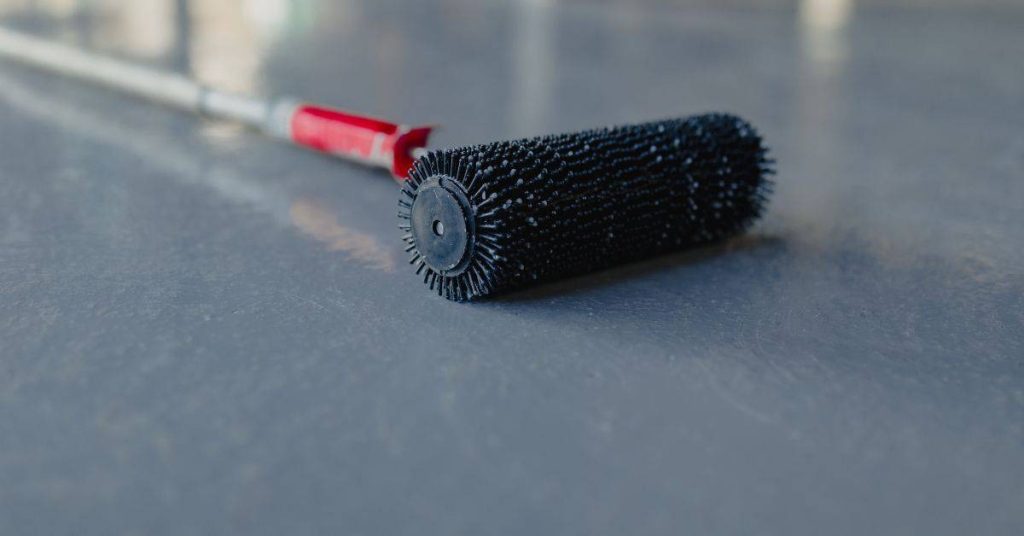
Black spiked roller on smooth concrete floor

Resealing Only Traffic Lanes: Avoiding Roller Bands and Gloss Differences

Introduction Resealing only traffic lanes means applying a seal coating to just the lane surfaces to protect them and restore color, without sealing adjoining areas. Do the prep, mask the edges, and keep the sealer off markings and shoulder while you work. Check the product label for surface prep steps, cure time, and any local

Resealing Only Traffic Lanes: Avoiding Roller Bands and Gloss Differences Read More »

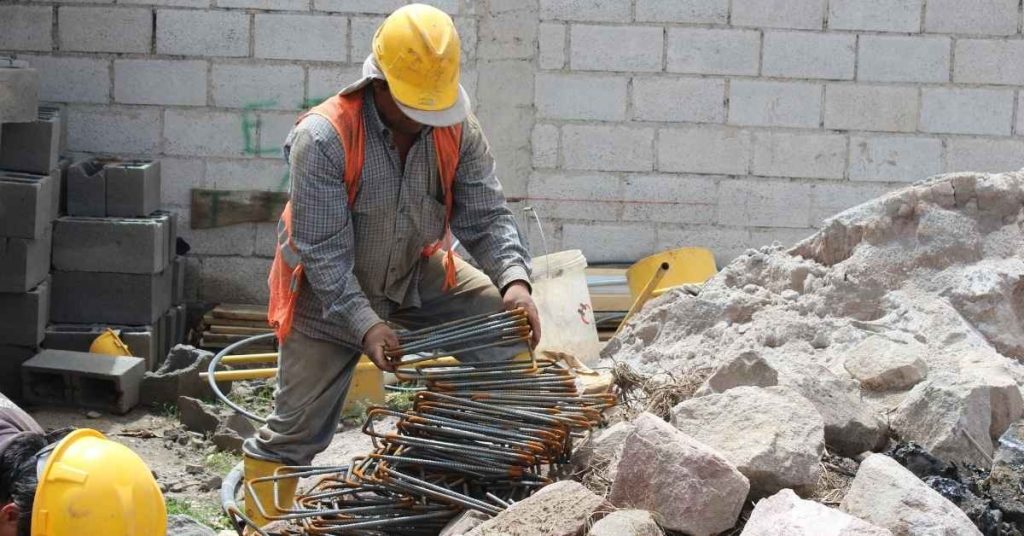
Worker in safety gear handling rusty rebar on construction site

Cleaning Rebar for Small Repairs: When Wire-Brushing Is Enough and When It Isn’t

Introduction Wire-brushing rebar is a surface cleaning method used to remove loose rust and scale from small repair bars before patching. It can be enough when the rust is light and the bar is still solid, with clean steel showing through. Check that the metal is not deeply pitted or flaky; if it is, further

Cleaning Rebar for Small Repairs: When Wire-Brushing Is Enough and When It Isn’t Read More »

Person painting white window sill with brush

Stucco Hairline Cracking After Painting: Film Thickness, Moisture, and How to Diagnose

Introduction Hairline cracks in painted stucco are tiny, visible splits in the finish that appear after you paint. The issue often comes from how thick the paint film is, moisture effects, or the way the substrate moved over time. To diagnose, look for patterns, damp spots, or soft areas that suggest moisture trouble, and note

Stucco Hairline Cracking After Painting: Film Thickness, Moisture, and How to Diagnose Read More »

Metal concrete formwork panels assembled at construction site

Tapcon Screws in Concrete: When They Strip and How to Get Real Holding Power

Introduction Tapcon screws are concrete screws designed to bite into hardened concrete. They tend to strip when the hole is too large or when the screw is driven without a clean, bored hole and straight alignment. That makes it hard to hold heavy fixtures and requires careful installation. To get real holding power, start with

Tapcon Screws in Concrete: When They Strip and How to Get Real Holding Power Read More »

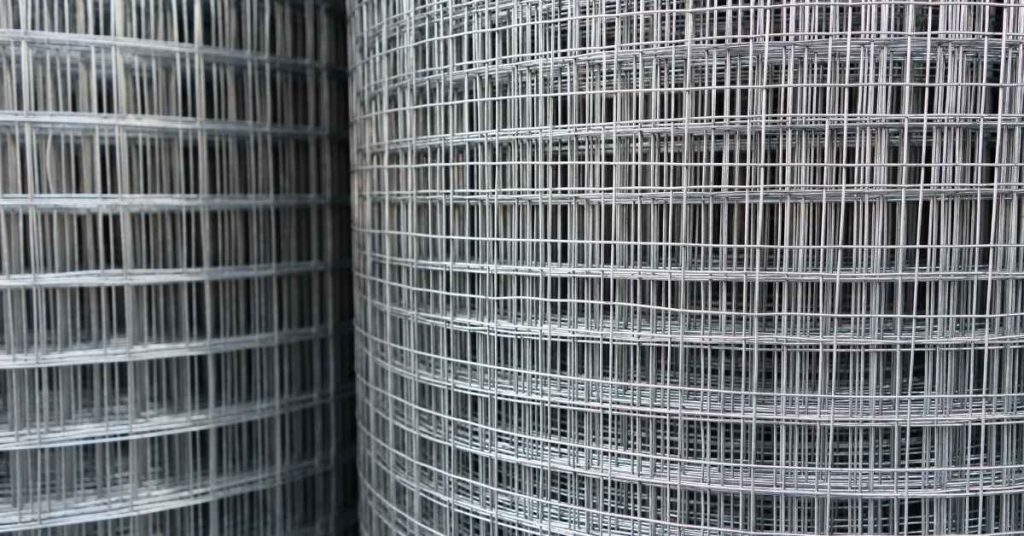
Close-up of two rolls of metal wire mesh

Fiber + Wire Mesh Together: When It’s Redundant and When It Helps

Introduction Fiber + wire mesh together is a reinforced concrete setup where fibers help control cracking and mesh provides added structural distribution. Redundancy can mean extra fibers or extra mesh ends up overlapping; watch for overcomplicating the pour. Combining fiber with mesh can help in slabs with control joints or poor soil, but it can

Fiber + Wire Mesh Together: When It’s Redundant and When It Helps Read More »

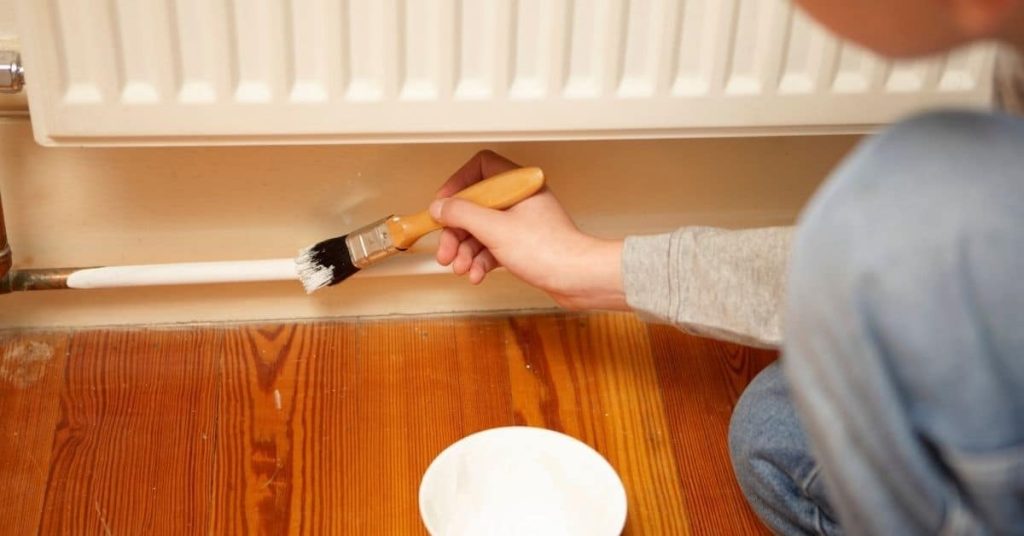
Person painting a metal pipe white near wooden floor and radiator

Painting Over Chalky Fiber Cement: Cleaning Thresholds and Primer Choices

Introduction Painting over chalky fiber cement means you must remove, neutralize, and prime a rough, powdery surface before any paint sticks. Rinse and scrub the surface to remove chalk, dust, and debris. Choose a primer that keys to the chalky layer and a weatherproof topcoat, and follow label directions. Watch for signs like flaking, chalking,

Painting Over Chalky Fiber Cement: Cleaning Thresholds and Primer Choices Read More »