Search Results for: MS with epoxy

Wet concrete being poured onto a surface

Embedding Magnets in Concrete: Layout, Encapsulation, and Avoiding Rust Stains

Introduction Embedding magnets in concrete means placing magnets inside or just beneath the surface of a poured concrete member so they stay with the concrete. Plan their layout so they don’t interfere with forms or rebar. Keep the magnet placement simple and clear in your form work to avoid surprises during curing. Encapsulation should protect […]

Embedding Magnets in Concrete: Layout, Encapsulation, and Avoiding Rust Stains Read More »

pile of crushed concrete aggregate rocks and debris

Why Concrete Chips at Control Joints: Sawcut Timing, Aggregate, and Edge Protection

Introduction Chipping at control joints happens when the timing of the sawcut and how the edges are protected allow the concrete near the joint to chip. In DIY terms, it means bits of the slab break off along the joint after cutting. Factors like how fresh the concrete was, how deep the cut is, and

Why Concrete Chips at Control Joints: Sawcut Timing, Aggregate, and Edge Protection Read More »

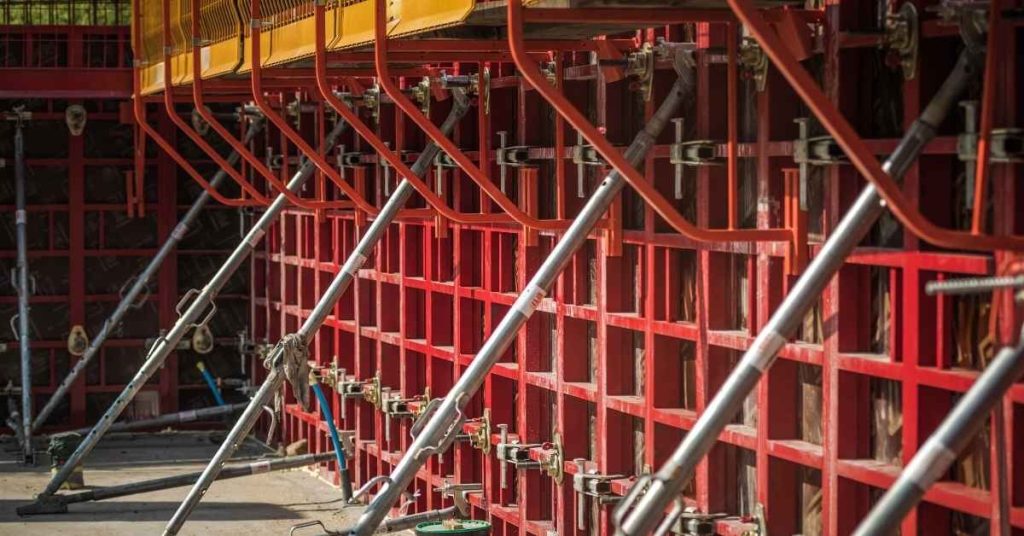
Red metal concrete formwork with angled braces and safety railing

How to Cast Concrete With Embedded Hardware: Threads, Tape, and Keeping Inserts Clean

Introduction Casting concrete with embedded hardware means placing fasteners or inserts into the form before the concrete sets so they stay in the right place. Key takeaways Plan hardware embed locations early to avoid rework and clearance conflicts. Label inserts and keep threads clean during form setup and pour. Use release agent properly and wipe

How to Cast Concrete With Embedded Hardware: Threads, Tape, and Keeping Inserts Clean Read More »

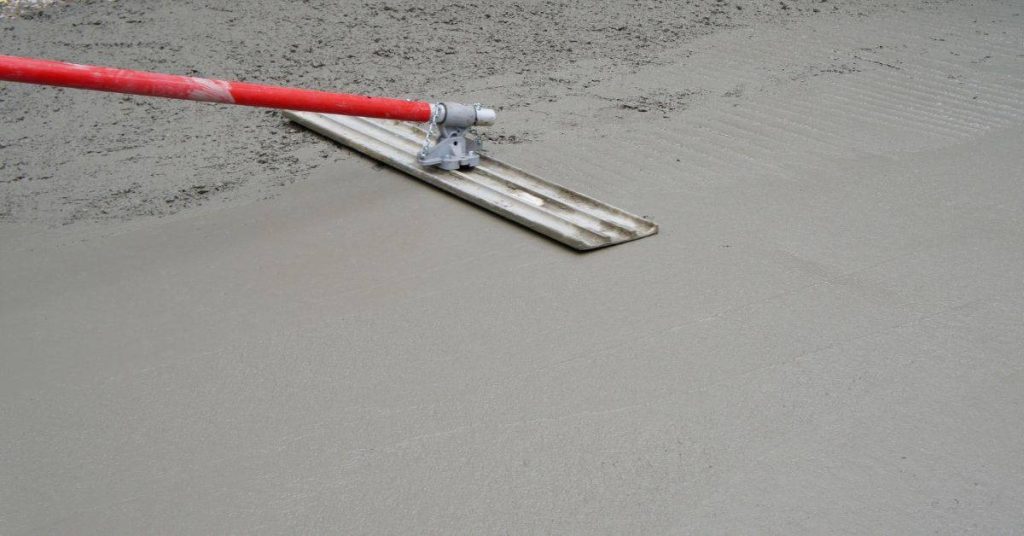
Red-handled tool smoothing wet concrete surface

Concrete Crack Stitching for DIYers: When Staples Help and When They Don’t

Introduction Concrete crack stitching is a repair method that uses staples to grab and hold cracked slabs together. It aims to slow opening and transfer movement across the crack when appropriate. This DIY intro explains when staples help and when they don’t in plain language. Before you start, check manufacturer instructions, local rules, and the

Concrete Crack Stitching for DIYers: When Staples Help and When They Don’t Read More »

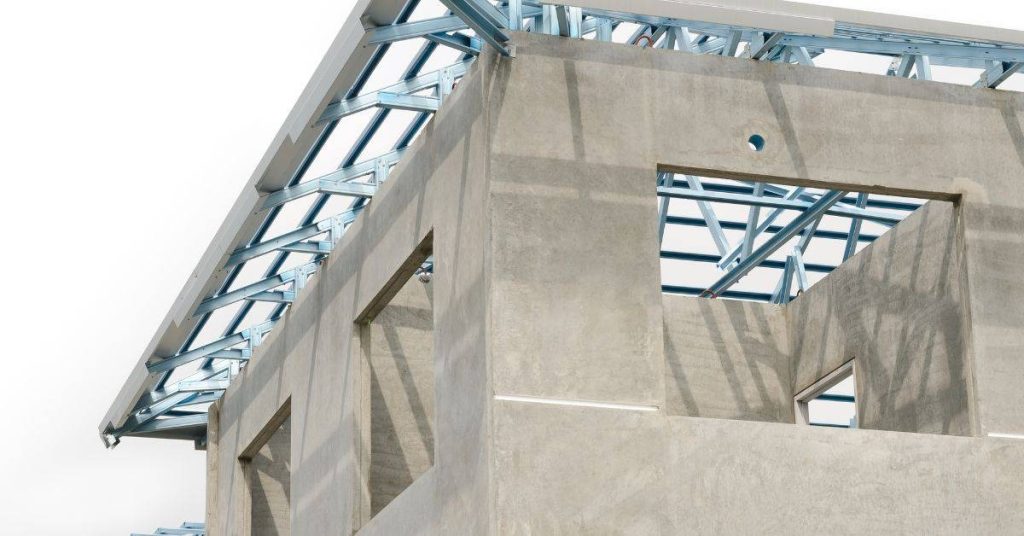
Precast concrete wall panels and steel roof framing

Repairing Honeycombed Concrete: When to Patch, When to Inject, and When to Rebuild

Introduction Repairing honeycombed concrete means fixing voids and loose pockets in the surface by choosing patching, injecting, or rebuilding. You evaluate how severe the honeycombing is and start with the simplest, most straightforward method. If the concrete has hollow spots you can reach, patching is usually the first option; deeper voids may need injecting, and

Repairing Honeycombed Concrete: When to Patch, When to Inject, and When to Rebuild Read More »

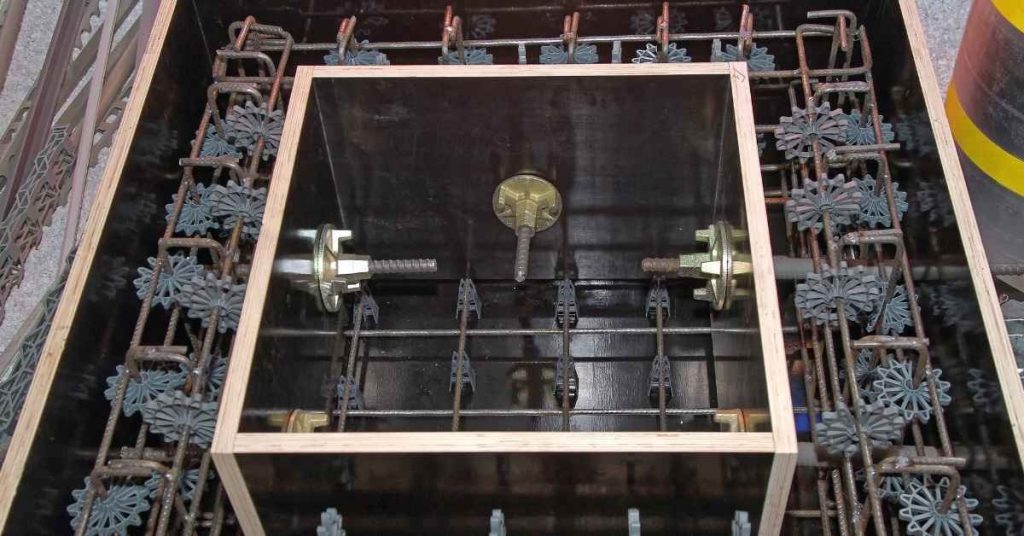
Concrete formwork with rebar and spacer components inside

Concrete Spall Repairs at Rebar: Cleaning Standards, Corrosion Protection, and Patch Build-up

Introduction Concrete spall repairs at rebar involve cleaning the damaged area, exposing corroded steel, and rebuilding the surface. This is a hands‑on task you can handle with basic tools, patience, and attention to safety. You’ll focus on cleaning to remove loose material, protecting rebar from further corrosion, and patching with compatible concrete. Check manufacturer instructions

Concrete Spall Repairs at Rebar: Cleaning Standards, Corrosion Protection, and Patch Build-up Read More »

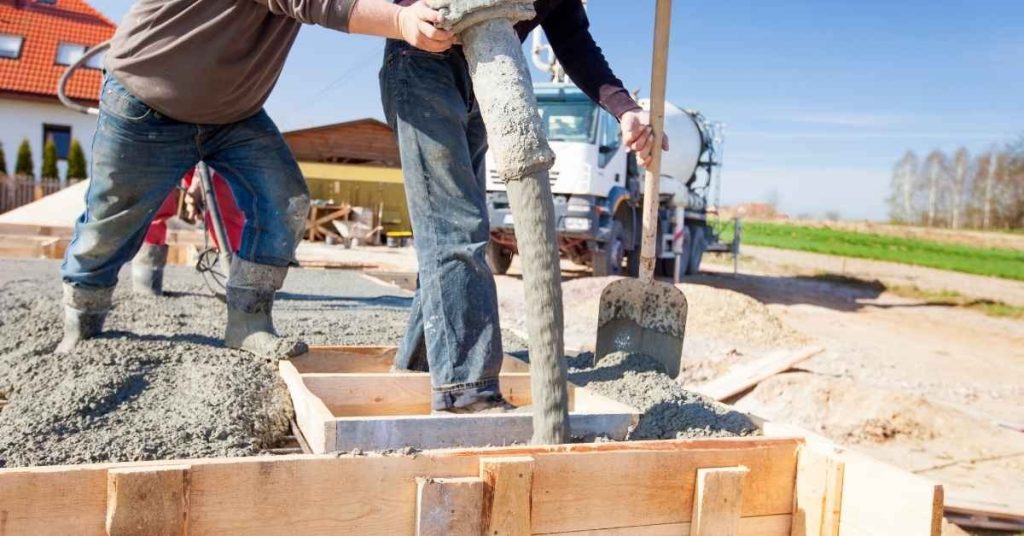
Two workers pouring concrete into wooden formwork outdoors

Pouring Concrete in Two Lifts: Cold Joint Risks and How to Make the Interface Strong

Introduction Pouring concrete in two lifts means placing concrete in one lift, pausing, and then adding a second lift later, which creates a joint between pours. That joint, or cold joint, can be weaker if the surfaces don’t bond well or if the second pour doesn’t integrate with the first. Understanding how this joint forms

Pouring Concrete in Two Lifts: Cold Joint Risks and How to Make the Interface Strong Read More »

Close-up of a smooth fresh concrete surface

Concrete Come-Along Rakes: Choosing the Right Teeth and How to Avoid Pulling Aggregate to the Surface

Introduction Concrete come-along rakes are hand tools used to even out freshly placed concrete and expose the surface texture. They come in different tooth patterns, sizes, and stiffness, so pick based on the slab size and your finish. Check the manufacturer’s guidance for tooth material and replacement parts. To prevent aggregate from surfacing, use light,

Concrete Come-Along Rakes: Choosing the Right Teeth and How to Avoid Pulling Aggregate to the Surface Read More »

Concrete formwork with rebar and metal anchors in soil

Setting Wedge Anchors in Weak Concrete: When They Spin and Better Options

Introduction Wedge anchors spin in weak concrete when the anchor’s wedging action can’t grab solid material. That spinning often means the fastener won’t hold the load you expect. In practice, it’s a sign the substrate or hole preparation isn’t up to the task. If they spin, stop and check that the hole size and depth

Setting Wedge Anchors in Weak Concrete: When They Spin and Better Options Read More »

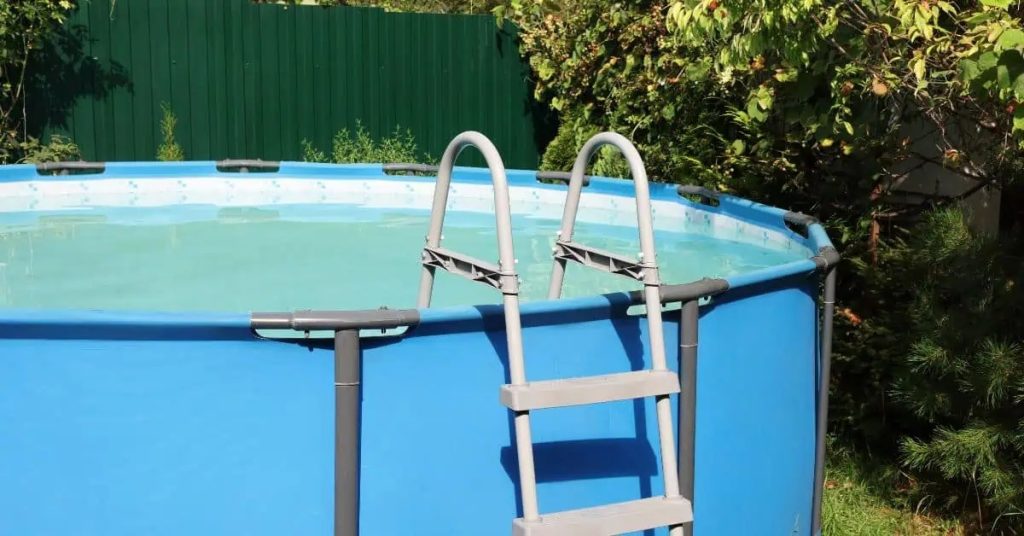
Above ground pool with ladder in backyard

Concrete on Frost-Heave-Prone Ground: DIY Drainage Fixes Before You Pour

Introduction Concrete on frost-prone ground needs drainage and subgrade prep to resist heave. In plain terms, moisture and freezing soil can push concrete upward if the ground isn’t managed. Check your local rules and follow manufacturer guidance for soil prep and drainage when planning a pour. A proper base and a simple drainage path help

Concrete on Frost-Heave-Prone Ground: DIY Drainage Fixes Before You Pour Read More »