Search Results for: MS with epoxy

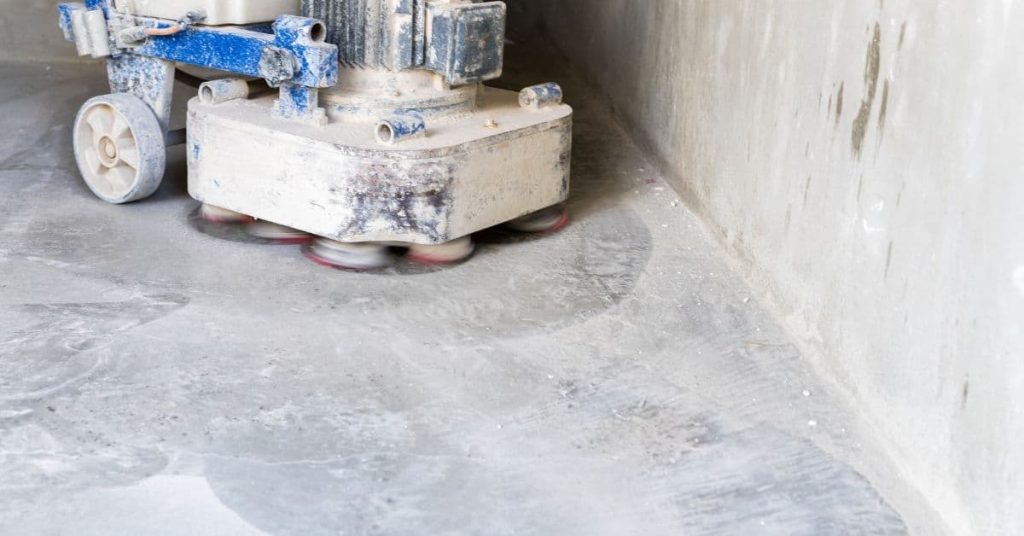
Concrete floor grinding machine smoothing surface near wall

Fixing Trip Hazards by Grinding: How Much You Can Remove Before You Create New Problems

Introduction Grinding to fix trip hazards is removing small amounts of material from high spots so the surface becomes even. Do not remove more than necessary, since over-grinding can create new problems. Check the material, tool, and surface before you start, and follow manufacturer instructions and local rules. Do small passes and check your progress […]

Fixing Trip Hazards by Grinding: How Much You Can Remove Before You Create New Problems Read More »
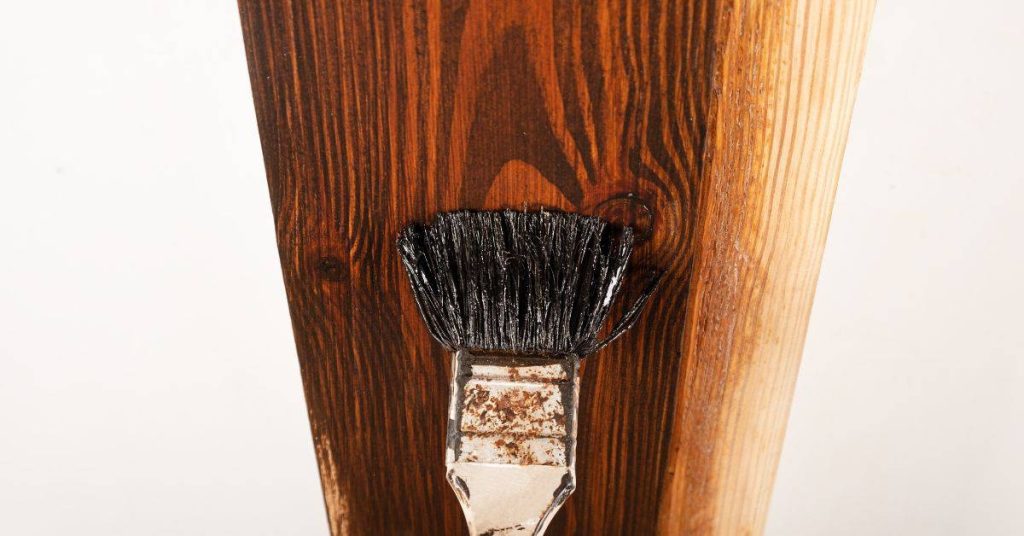
Paintbrush applying dark varnish to wooden plank

Coating Over Damp Wood Near Concrete: Why Blisters Form and Better Breathable Systems

Introduction Blisters form when moisture underneath the coating pushes through and splits the film over damp wood near concrete. You’ll see raised bubbles or pockets as the coating tries to cure in a wet, alkaline environment. Work is risky if you skip drying and proper surface prep. Look for breathable coating options and follow proper

Coating Over Damp Wood Near Concrete: Why Blisters Form and Better Breathable Systems Read More »

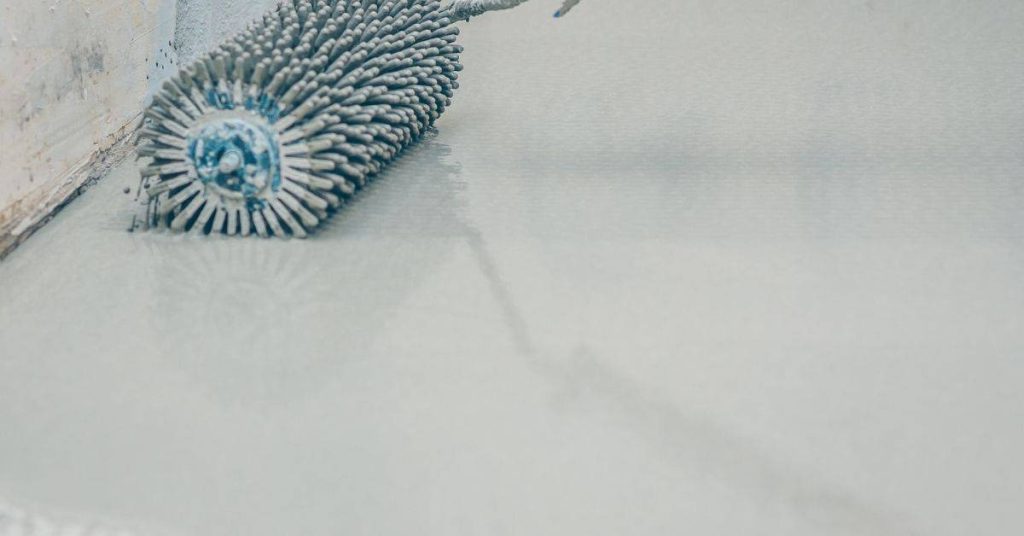
spiked roller laying on smooth wet epoxy floor coating

Why Epoxy Turns Waxy After Cure: Identifying Blush and Cleaning Without Smearing

Introduction Epoxy blush is a waxy, milky film that forms on the surface after curing. It happens when humidity and temperature during curing push oils to the top. This film isn’t cured epoxy and can be wiped away before recoating. To clean without smearing, wipe with a clean solvent or water with a little soap,

Why Epoxy Turns Waxy After Cure: Identifying Blush and Cleaning Without Smearing Read More »

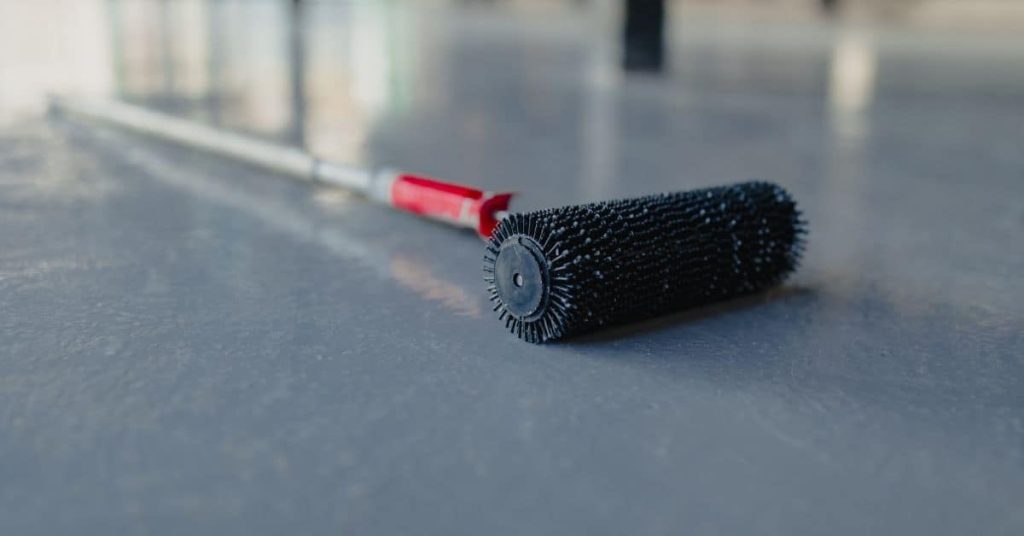
Black spiked roller with red handle on smooth floor surface

Topcoating Epoxy With Urethane: Recoat Windows and Sanding Levels That Prevent Delam

Introduction Topcoating epoxy with urethane is applying a urethane topcoat over an epoxy coating to seal and protect the finish. This step adds abrasion resistance and UV protection beyond the epoxy layer. Do it only after the epoxy has cured as instructed and the surface is clean and prepared for a new coat. Choose compatible

Topcoating Epoxy With Urethane: Recoat Windows and Sanding Levels That Prevent Delam Read More »

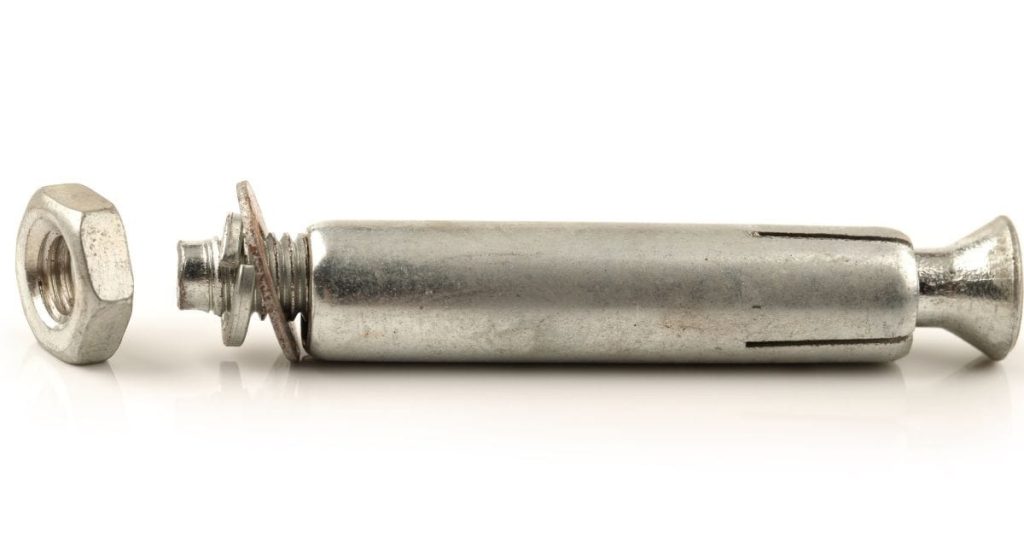
metal expansion anchor bolt with nut and washer

Epoxy Anchor Failure Modes: Dirty Holes, Wet Holes, and Wrong Cure Temperature

Introduction Epoxy anchor failure happens when the adhesive bond can’t develop strength because the hole or mix is contaminated, wet, or poorly cured. Dirty holes, wet holes, and wrong cure temperature are common failure modes that weaken the bond and let anchors loosen. Symptoms include movement, a shiny or crumbly surface, or inconsistent setting, and

Epoxy Anchor Failure Modes: Dirty Holes, Wet Holes, and Wrong Cure Temperature Read More »

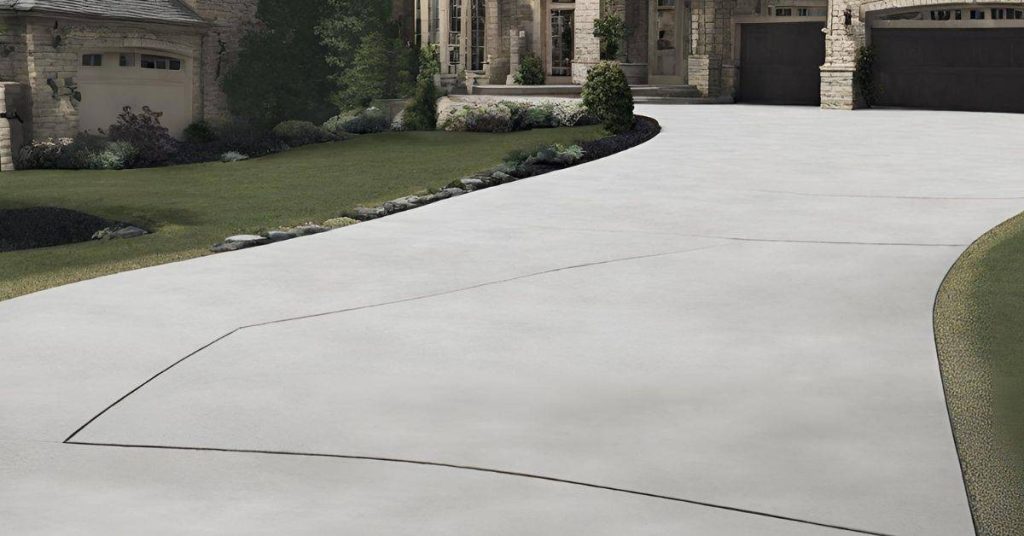
Smooth concrete driveway in front of residential garages

Sealing Concrete With High Moisture: Systems That Tolerate Vapor (and Common Myths)

Introduction Sealing concrete with high moisture means choosing systems that can protect the surface while allowing water vapor to escape. This is not about making a completely watertight barrier, but about selecting materials and methods that tolerate damp conditions. In practice, you’ll look for products and application plans that address vapor transmission and moisture management.

Sealing Concrete With High Moisture: Systems That Tolerate Vapor (and Common Myths) Read More »

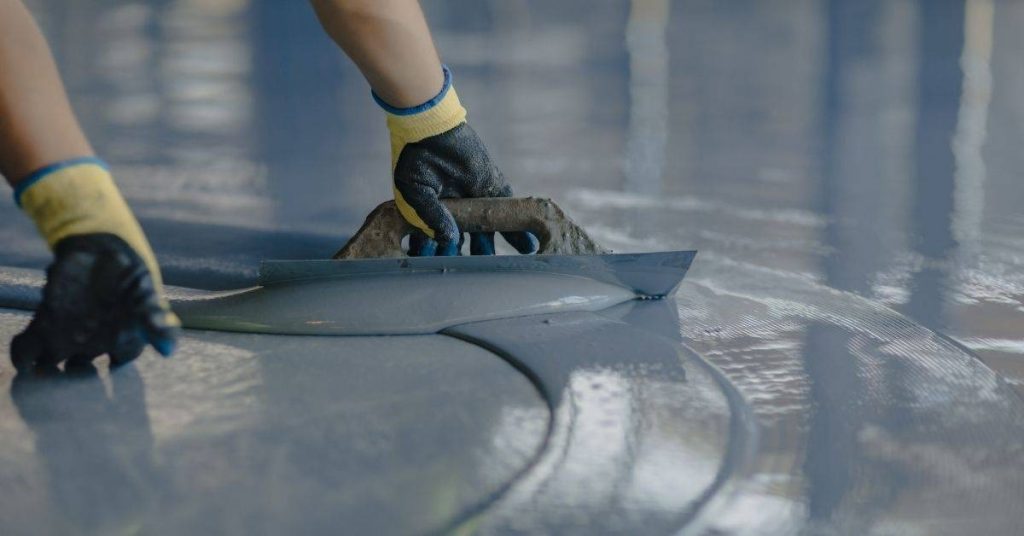
Hands wearing gloves smoothing gray epoxy on floor with trowel

DIY Epoxy Patch on a Garage Floor: Feathering Edges and Matching Gloss Without a Halo

Introduction An epoxy patch is a DIY repair that fills a damaged garage floor and blends it into the surrounding concrete. You’ll feather the edges so the repair tapers into the floor, and aim for a consistent sheen to avoid a noticeable halo. Check manufacturer instructions for cure times, prep steps, and recommended products. This

DIY Epoxy Patch on a Garage Floor: Feathering Edges and Matching Gloss Without a Halo Read More »

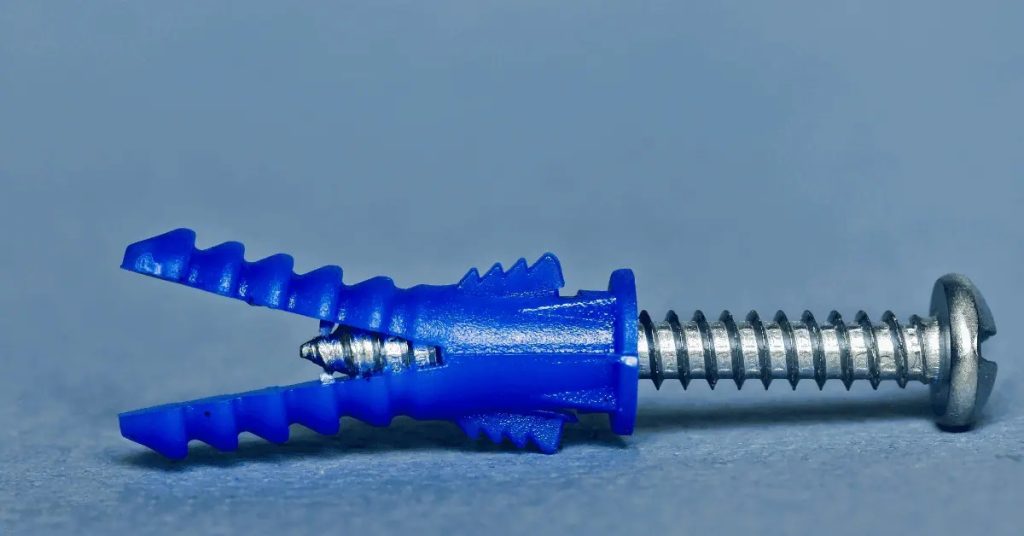
Blue plastic drywall anchor with metal screw on gray surface

Epoxy Anchor Failure Modes: Dirty Holes, Wet Holes, and Wrong Cure Temperature

Introduction Epoxy anchor failure happens when the hole is dirty, wet, or the cure temperature is off. In real job sites, debris, moisture, or the wrong curing conditions keep the epoxy from bonding to the concrete. That shows up as low pullout, hairline cracks, or anchors that spin. Always clean the hole, dry it, and

Epoxy Anchor Failure Modes: Dirty Holes, Wet Holes, and Wrong Cure Temperature Read More »

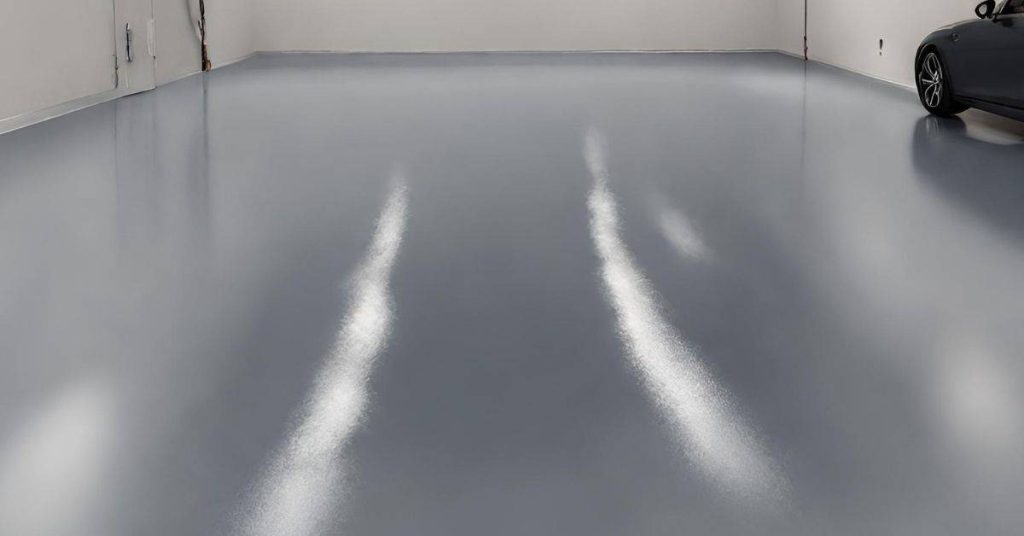
Smooth grey epoxy coated concrete floor in garage

Concrete Crack Sealants: Polyurethane, Epoxy, MMA, and Why ‘Flexible’ Isn’t Always Better

Introduction Concrete crack sealants come in polyurethane, epoxy, and methyl methacrylate (MMA), and the goal is to seal cracks while allowing some movement. In practical DIY terms, you choose based on how much movement the crack will have, the exposure, and what the product label recommends. Always check the manufacturer instructions and local rules before

Concrete Crack Sealants: Polyurethane, Epoxy, MMA, and Why ‘Flexible’ Isn’t Always Better Read More »

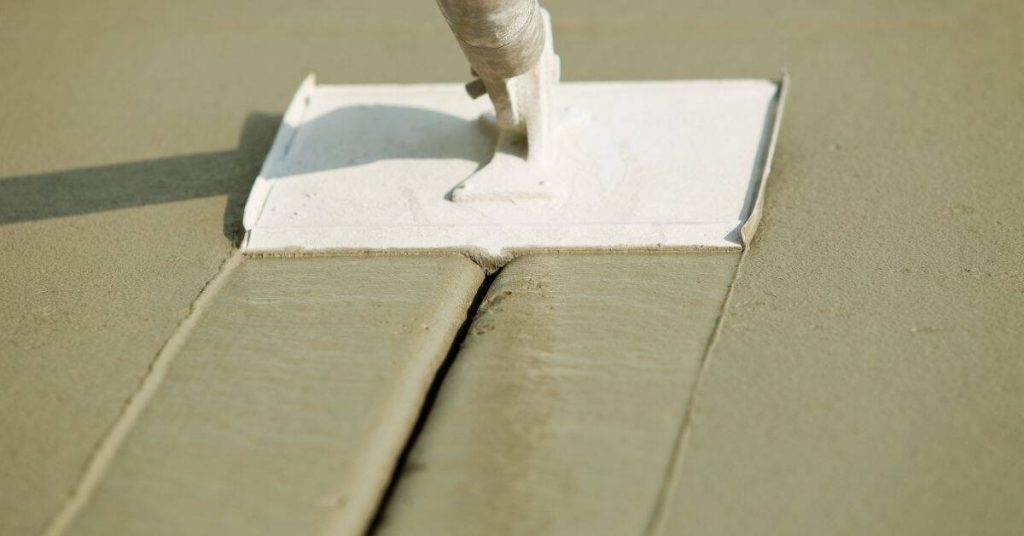
Hand using float tool on concrete control joint edge

Rebuilding Control Joint Edges After Raveling: Saw-Cut Cleanup, Primers, and Edge Forms

Introduction Rebuilding control joint edges after raveling is the process of renewing the exposed edge of a control joint that has deteriorated. This DIY repair focuses on cleaning, restoring shape, and preparing the edge for bonding or resurfacing. Keep the goal to create a clean, straight edge ready for primers and forms. You’ll need basic

Rebuilding Control Joint Edges After Raveling: Saw-Cut Cleanup, Primers, and Edge Forms Read More »