Search Results for: MS with epoxy

Close-up of cracked concrete surface with fine fissure

A Concrete Curb That Won’t Crack Off: Keyways, Dowels, and Joint Strategy

Introduction A concrete curb that won’t crack off relies on proper keyways, dowels, and joints to control movement. Keyways help lock the curb to the adjoining slab, dowels transfer load across joints, and joints manage where cracking can safely occur. This DIY overview will explain the ideas in plain language and what to check on […]

A Concrete Curb That Won’t Crack Off: Keyways, Dowels, and Joint Strategy Read More »

Three workers pouring concrete over rebar framework outdoors

Pouring a Concrete Ramp Over an Existing Slab: Bond Breakers, Dowels, and Slope Math

Introduction Pouring a concrete ramp over an existing slab means adding a new ramp surface on top of the old slab and tying it together properly. Make sure the bond between old and new concrete is controlled with the right bond breaker plan and reinforcement setup. I’ll use bond breakers where they’re needed to prevent

Pouring a Concrete Ramp Over an Existing Slab: Bond Breakers, Dowels, and Slope Math Read More »

Concrete being poured onto slab framed by wood

Anchor Bolts in Fresh Concrete: Templates, Thread Protection, and Staying Dead-Accurate

Introduction Anchor bolts in fresh concrete are bolts placed before the pour to lock in exact locations for the structure. Getting them right means using simple templates, protecting threads during the pour, and checking alignment as you go. I’ll keep it plain and practical, with no fluff or guesswork. For proper placement, work from the

Anchor Bolts in Fresh Concrete: Templates, Thread Protection, and Staying Dead-Accurate Read More »

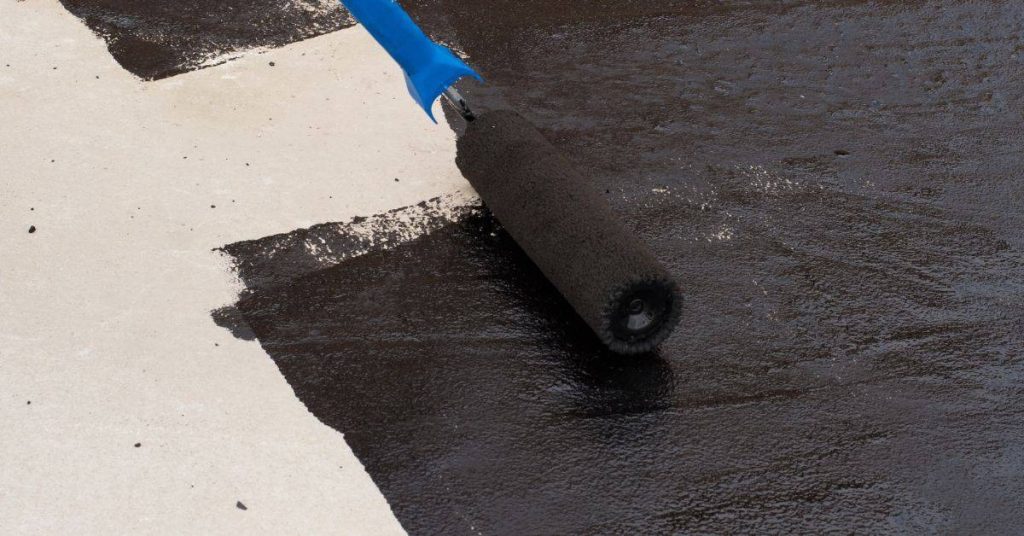
Paint roller applying black sealer on concrete surface

How to Remove Tire Marks Without Dulling a Sealer: Cleaner Types and Pad Choices

Introduction Removing tire marks from a sealed surface without dulling the sealer means using cleaners and pads that lift the mark without damaging the seal. Start with a light cleaner labeled for concrete sealers and test in an inconspicuous spot first. Work in small areas and use gentle motions to avoid abrasive wear. Choose non-aggressive

How to Remove Tire Marks Without Dulling a Sealer: Cleaner Types and Pad Choices Read More »

Concrete building with vertical and horizontal structural elements

How to Patch Vertical Concrete Without Sag: Mix Stiffness, Bonding, and Lift Thickness

Introduction Patch vertical concrete without sag by using a stiff, workable mix that stays put once placed. Choose a mix with good bonding and low slump, and apply in quick, controlled strokes. Always check product labels and local guidelines to confirm compatible bonding agents and lift thickness. Keep the surface clean and dampened as needed,

How to Patch Vertical Concrete Without Sag: Mix Stiffness, Bonding, and Lift Thickness Read More »

Yellow construction helmet tape measure pencils on architectural plans

Replacing Failed Expansion Joint Filler: Removal, Priming, and Resealing Workflow

Introduction Replacing failed expansion joint filler means removing the old filler, prepping the joint, and applying new material to restore sealing and movement space. The workflow typically covers removal, priming, and resealing, using basic hand tools, caulk guns, and compatible filler products. Always check product labels, manufacturer instructions, and local code or permit rules to

Replacing Failed Expansion Joint Filler: Removal, Priming, and Resealing Workflow Read More »

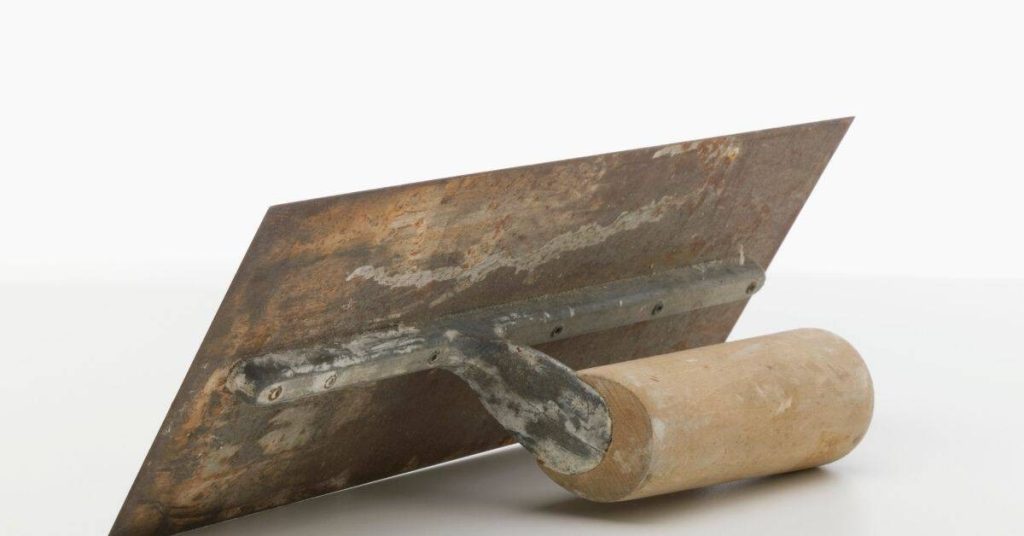
Rusty plastering trowel with wooden handle on white background

Repairing Historic Plaster With Embedded Wood Trim: Keeping Reveals Crisp Without Cracking

Introduction Repairing historic plaster with embedded wood trim means restoring plaster around the trim while preserving the wood reveals. It’s a practical, hands-on job that requires careful alignment of the reveals and gradual patching. Take your time to resecure loose plaster and check that the trim remains in the same plane. Use patch materials that

Repairing Historic Plaster With Embedded Wood Trim: Keeping Reveals Crisp Without Cracking Read More »

Newly poured smooth concrete floor inside an unfinished room

Plastering Directly Over Concrete Ceilings: Bonding Bridges, Suction Control, and Crack Isolation

Introduction Plastering directly over concrete ceilings means applying plaster straight onto a bare concrete surface without a separate bonding layer. It’s a DIY-friendly approach when the surface is solid and clean, but it needs careful prep. I’ll walk you through what to expect and how to stay on track. Bonding bridges help the plaster grab

Plastering Directly Over Concrete Ceilings: Bonding Bridges, Suction Control, and Crack Isolation Read More »

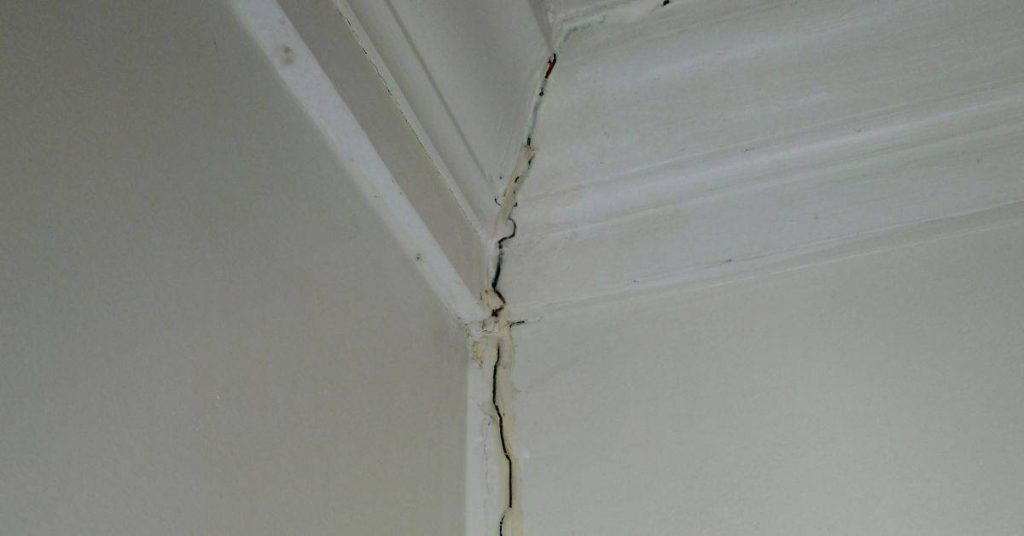
Hairline crack in plaster wall corner near ceiling trim

Hairline Crack Repairs That Don’t Show: Routing vs Injection vs Surface Fill

Introduction Hairline crack repairs that don’t show are methods that seal the crack and restore a smooth, uniform surface without visible seams. Routing, injection, and surface fill are common DIY options you can choose based on access and how the crack behaved. The goal is to blend the repair so it’s hard to notice after

Hairline Crack Repairs That Don’t Show: Routing vs Injection vs Surface Fill Read More »

Hand holding trowel with wet concrete inside container

Feather-Edge Patch Failures: Minimum Thickness Rules and Better Edge Details

Introduction Feather-edge patch failures occur when the thin edge of a patch is not thick or stable enough to grip the surrounding concrete. In plain terms, the edge can erode or chip and the patch pulls away. Make sure you follow the material’s directions and local rules for edge prep. To avoid failures, clean and

Feather-Edge Patch Failures: Minimum Thickness Rules and Better Edge Details Read More »