Search Results for: MS with epoxy

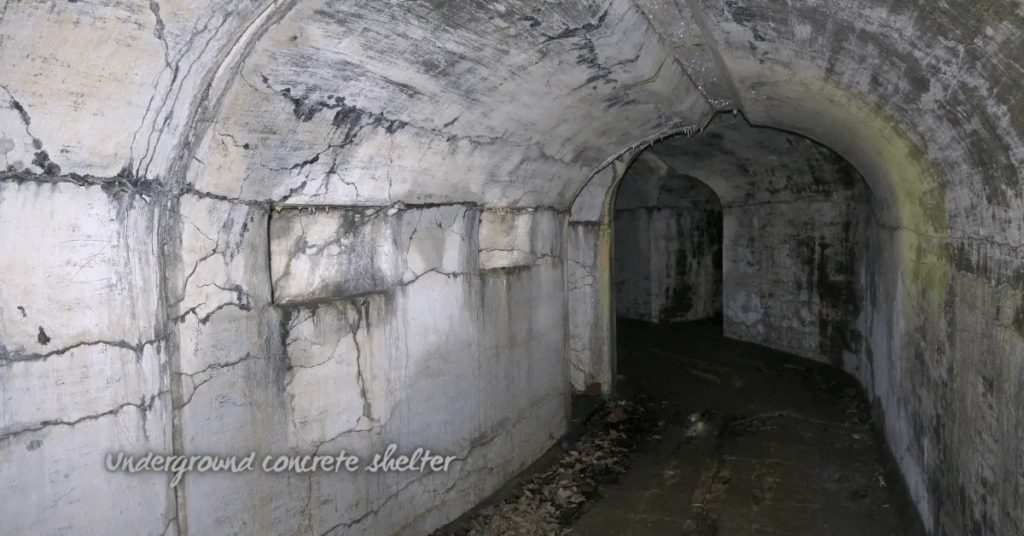
Cracked concrete walls and ceiling inside underground tunnel

Concrete Overlay Vs Full Replacement: a Decision Guide Based on Movement, Moisture, and Thickness

Introduction Concrete overlay is a thin surface layer applied over an existing floor to refresh or repair it without removing the old substrate. Full replacement requires removing the existing concrete and pouring a new slab or substrate. Both options have tradeoffs in durability, cost, and installation time. Choosing between them depends on movement, moisture, and […]
Concrete Overlay Vs Full Replacement: a Decision Guide Based on Movement, Moisture, and Thickness Read More »

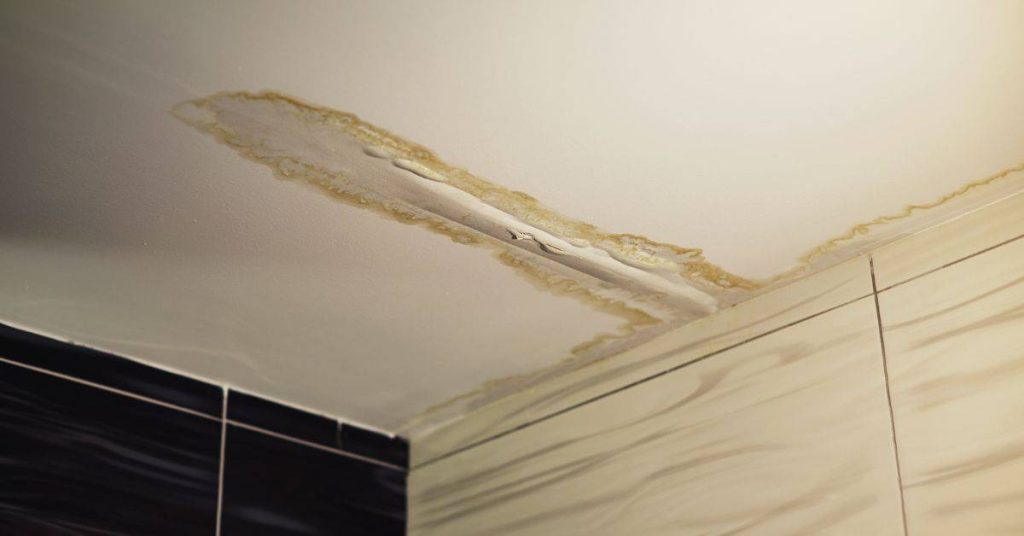
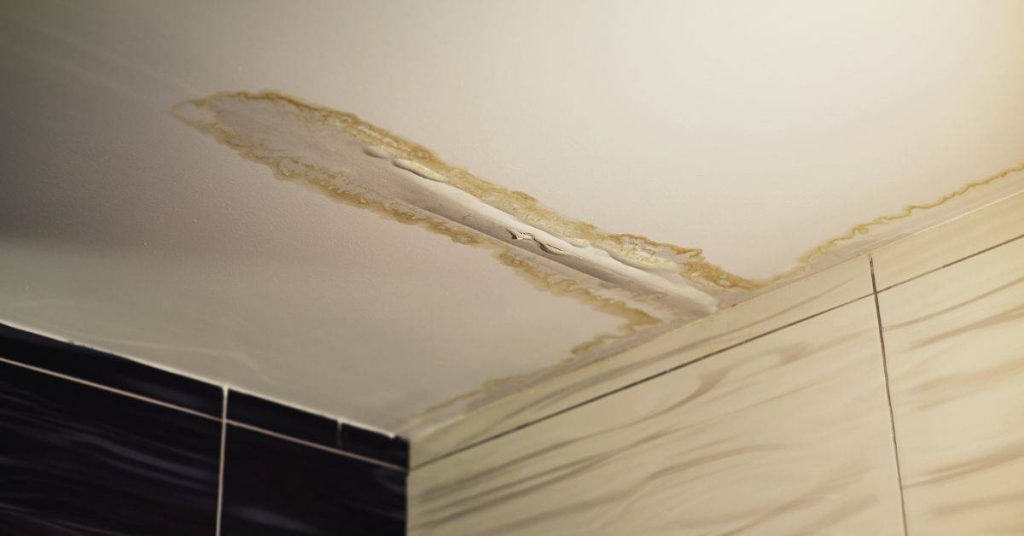
Ceiling with water stains and damage near corner tiles

Choosing the Right Concrete Crack Repair for Your Situation: Movement, Width, and Water

Introduction Choosing the right concrete crack repair means matching the repair method to how the crack moves, how wide it is, and whether water is involved. Cracks can be structural or non-structural, and the approach should reflect that difference and how it affects stability. Start by noting whether the crack is active, and how you

Choosing the Right Concrete Crack Repair for Your Situation: Movement, Width, and Water Read More »

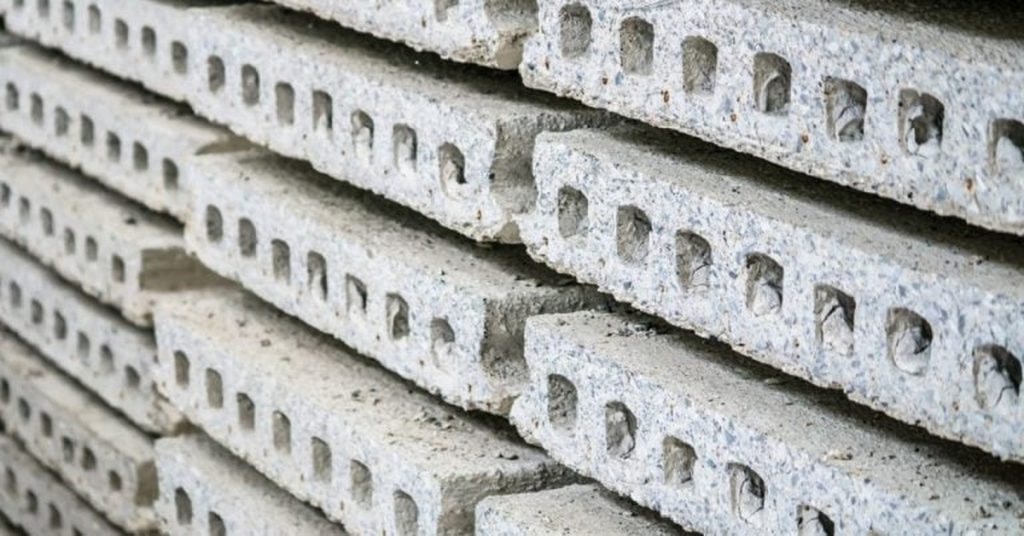
Stacked hollow core concrete slabs with visible edges

Random Cracks on Concrete Slabs: How to Read the Pattern and Find the Real Cause

Introduction Random cracks on concrete slabs are cracks that appear without a clear, repeating pattern. They can be the surface result of shrinkage, settlement, or temperature changes that stress the slab. Understanding when a crack is random helps you decide which steps to take next. To read the pattern, look at crack direction, length, width,

Random Cracks on Concrete Slabs: How to Read the Pattern and Find the Real Cause Read More »

Closeup of stacked concrete deck blocks

De-Icing Salts on Concrete: Which Products Attack Surfaces and Safer Winter Habits

Introduction De-icing salts on concrete are chemical products used to melt snow and ice, but they can damage the surface if misused. They work by lowering the freezing point of water, but some products can attack the concrete finish or initiate surface wear. Before applying, read the label and follow manufacturer instructions to choose a

De-Icing Salts on Concrete: Which Products Attack Surfaces and Safer Winter Habits Read More »

Close-up of concrete slabs with surface bug holes and rough texture

Windy-day crusting on concrete slabs: evaporation reducers and how to avoid surface tears

Introduction Windy conditions can cause rapid evaporation from a freshly poured concrete slab, leading to crusting and surface tears. This crust forms as the outer layer dries faster than the interior, creating a thin, brittle skin. Understanding how wind drives that evaporation helps you plan a safer, smoother finish. Use evaporation reducers and proper curing

Windy-day crusting on concrete slabs: evaporation reducers and how to avoid surface tears Read More »

rough textured grey concrete wall surface with marks

Concrete post base pockets and voids: where they come from and how to patch invisibly

Introduction Concrete post base pockets and voids are hollow spaces that form around a post base when concrete doesn’t fill evenly. They can occur from improper forms, settling, or air pockets during pouring. These gaps can weaken the attachment if not addressed. To patch invisibly, clean the area, mix a compatible repair mortar, and fill

Concrete post base pockets and voids: where they come from and how to patch invisibly Read More »

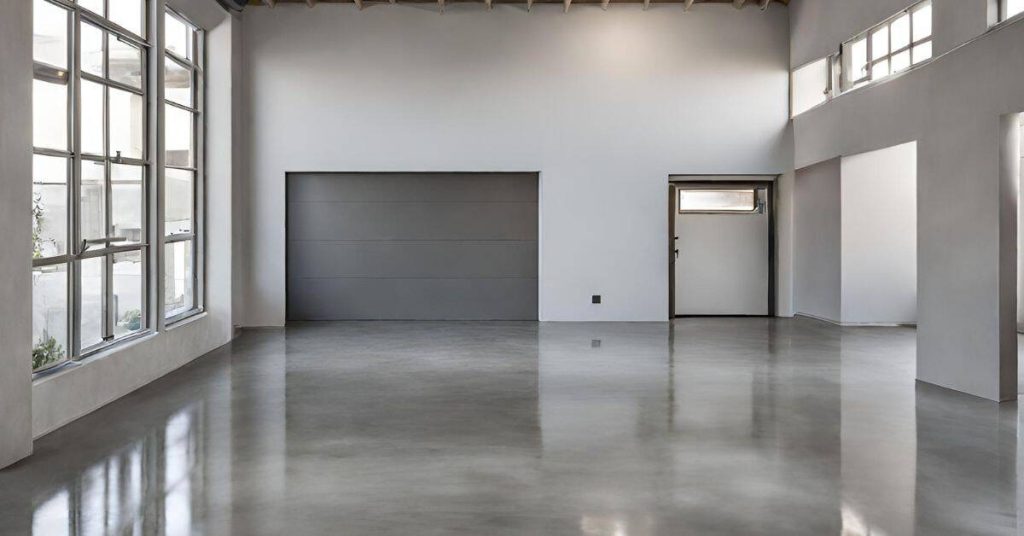
Empty room with smooth polished concrete floor and large windows

Fixing a Bad Concrete Broom Finish: Rescue Tricks for Chatter Marks, Streaks, and Overworked Slabs

Introduction A bad concrete broom finish is an uneven, rough texture on a broom-finished slab with chatter marks and streaks. This article offers practical, hands-on techniques to smooth out the look while preserving the surface integrity. For DIY fixes, assess the surface and plan a remediation approach with simple tools and safe methods. Check guidelines

Fixing a Bad Concrete Broom Finish: Rescue Tricks for Chatter Marks, Streaks, and Overworked Slabs Read More »

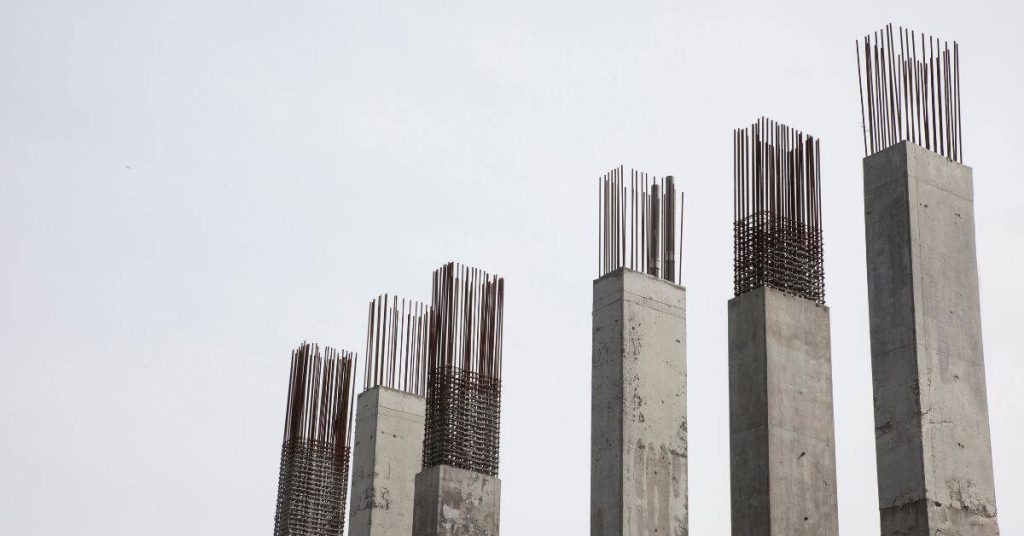
Concrete columns with exposed rebar against sky

Matching Old Exposed Aggregate Concrete: Patching, Extensions, and Blending Stone Mixes

Introduction Matching old exposed aggregate concrete means repairing and extending the surface so new material blends with the existing exposed aggregate. This hands-on approach focuses on color, texture, and the way stones recess with the surrounding mix. Take time to assess the current finish and plan how patching or extensions will align with the original

Matching Old Exposed Aggregate Concrete: Patching, Extensions, and Blending Stone Mixes Read More »

Ceiling with water stains and peeling paint near tiles

Choosing the right concrete crack repair for your situation: movement, width, and water

Introduction The right repair depends on how the crack moves, how wide it is, and whether water is getting through. Key takeaways Assess movement versus static cracks to guide repair method choices and timing. Measure crack width approximately and note tolerance to determine suitable filler and injection. Address water infiltration first: seal active leaks before

Choosing the right concrete crack repair for your situation: movement, width, and water Read More »

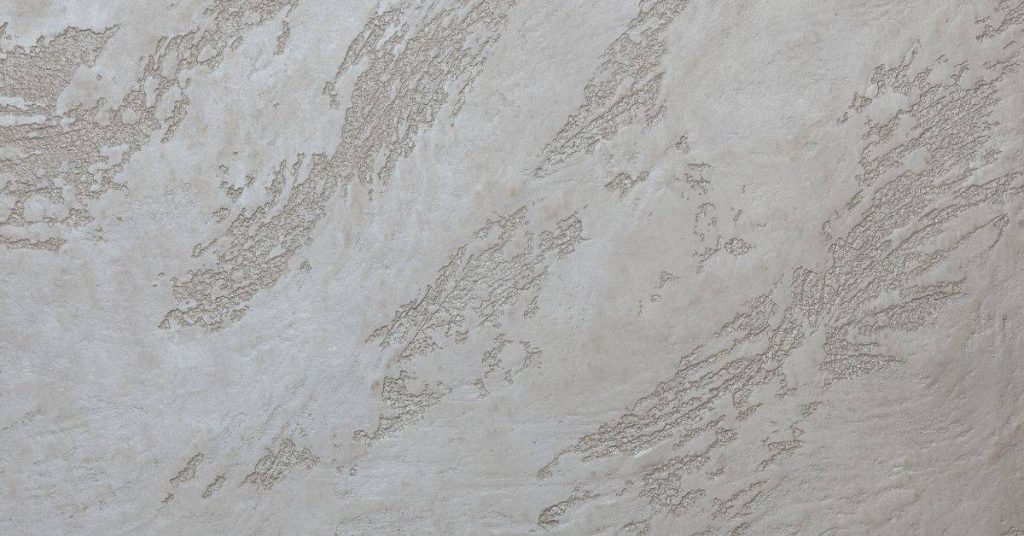
close-up of textured light grey plaster wall finish

Feather finish vs polymer patch: choosing a repair that won’t pop off in winter

Introduction Feather finish is a thin cement skin designed to feather the edges and blend with the surrounding concrete. Polymer patches are thicker repairs that use a polymer-based material to fill and bond, creating a solid patch that can be sanded smooth. In winter, prep is key: make sure the area is clean, dry, and

Feather finish vs polymer patch: choosing a repair that won’t pop off in winter Read More »