Search Results for: MS with epoxy

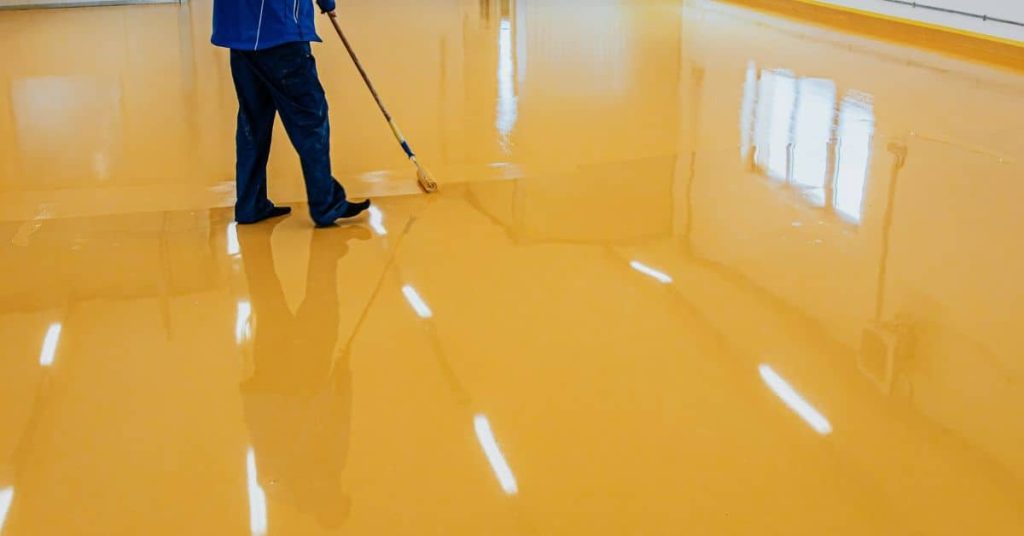
Person applying yellow epoxy coating on garage floor

Painting a Garage Floor: Epoxy vs Polyurea vs Polyaspartic Systems Compared

Introduction Painting a garage floor means choosing between epoxy, polyurea, and polyaspartic systems based on what you need: epoxy is durable and affordable but slower to cure, polyurea is extremely tough and fast-curing, and polyaspartic sits between them with quick return-to-service and good UV resistance; check product labels and manufacturer instructions for exact cure times […]

Painting a Garage Floor: Epoxy vs Polyurea vs Polyaspartic Systems Compared Read More »

Close-up of speckled gray epoxy coated floor surface

Garage Floor Epoxy Colors: Choosing Shades, Flake Systems, and UV Issues

Introduction Garage floor epoxy colors are the tinted options you apply over epoxy to change the shade and look. You can choose solid color, color flakes, or metallic looks, but you should confirm compatibility with the topcoat and base coat on your concrete. Check product labels for UV stability, coverage, and application layers, and plan

Garage Floor Epoxy Colors: Choosing Shades, Flake Systems, and UV Issues Read More »

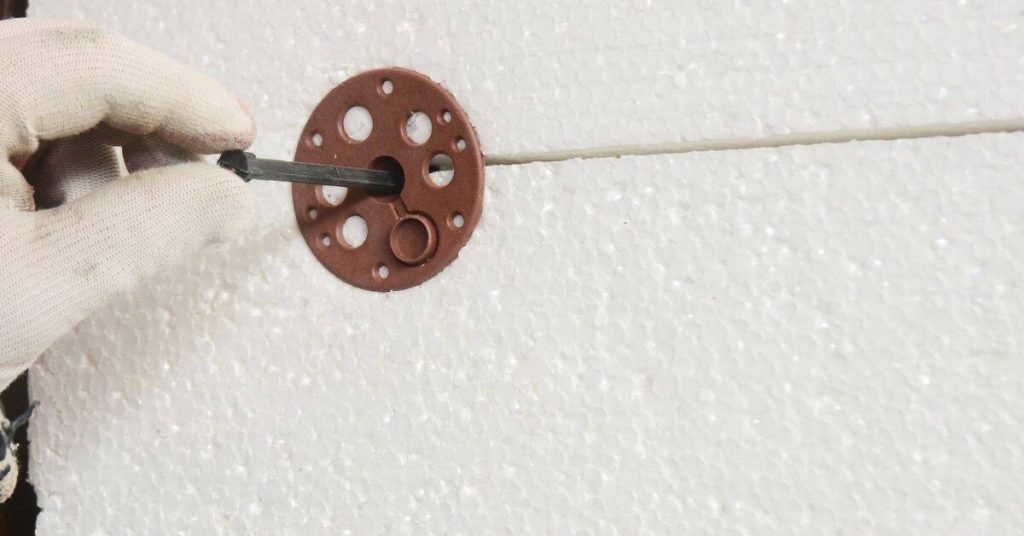
Hand with glove inserting tool into brown plastic fastener on foam board

Epoxy anchor guns: cartridge care, purge steps, and nozzle reuse reality

Introduction Epoxy anchor guns rely on careful cartridge care, proper purge steps, and mindful nozzle reuse to stay reliable. Keeping cartridges clean, stored, and upright helps prevent jams and inconsistent mixing. Purge steps before use remove air and unmixed material, reducing the risk of cured epoxy affecting the next shot. Nozzle reuse requires attention to

Epoxy anchor guns: cartridge care, purge steps, and nozzle reuse reality Read More »

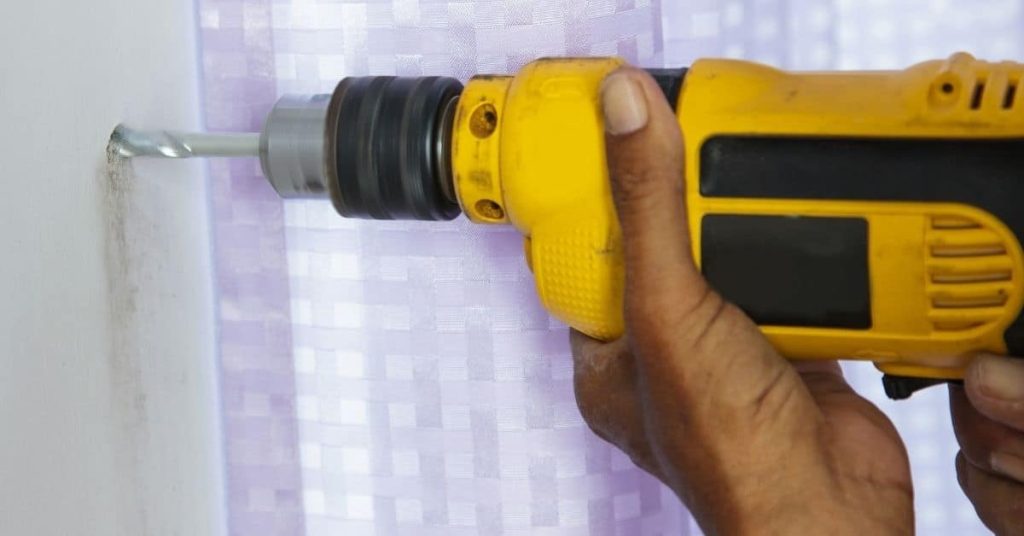
Hand using yellow electric drill to drill hole in masonry wall

Masonry anchors compared: sleeve, wedge, tapcon, and epoxy

Introduction Masonry anchors secure items to brick or concrete by gripping into the material. This guide compares sleeve, wedge, tapcon, and epoxy anchors, focusing on their grip mechanisms, installation methods, and ideal applications. Each anchor type has a unique setup and installation approach: Sleeve and Wedge Anchors: These use expansion grip to secure into place.

Masonry anchors compared: sleeve, wedge, tapcon, and epoxy Read More »

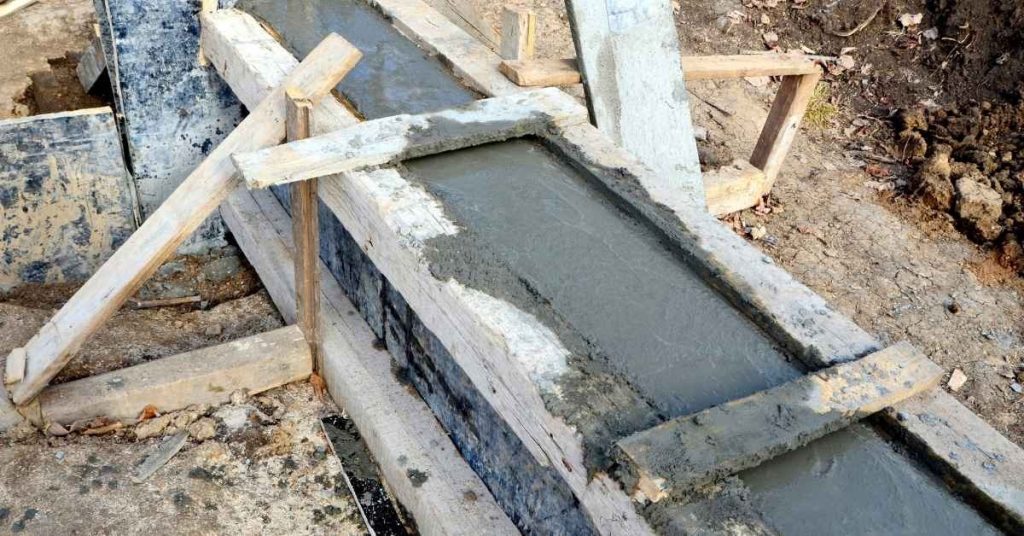
Fresh concrete poured in wooden formwork at construction site

Concrete vibrator mistakes in DIY forms: honeycombing, blowouts, and how to avoid them

Introduction Honeycombing and blowouts are defects in concrete caused by improper compaction. This article explains how to spot these issues and why they happen in DIY pours. We’ll cover how to use a vibrator correctly and what to check to avoid problems. Identify honeycombing by looking for voids, exposed aggregate, and a rough, porous surface

Concrete vibrator mistakes in DIY forms: honeycombing, blowouts, and how to avoid them Read More »

Hand placing small brick on mini brick wall

Placing anchor bolts in block bond beams: templates that actually hold alignment

Introduction Anchor bolts in block bond beams are embedded hardware used to secure framing and hold alignment during construction. This article covers practical, hands-on steps for placing them accurately. You’ll want to verify embedment and spacing with the project at hand. Templates can help keep bolts aligned as you set them, but you must check

Placing anchor bolts in block bond beams: templates that actually hold alignment Read More »

Unfinished multi-story concrete building structure outdoors

Self-leveling overlays on concrete: dams, primers, and stopping pinholes and ripples

Introduction Self-leveling overlays are pourable surface toppings designed to flow into low spots and produce a flat, smooth concrete surface. They rely on proper surface preparation, containment dams at edges, and primer or bond agents to promote adhesion. Always follow the material manufacturer’s instructions for mixing, compatibility with the concrete, and cure requirements. Before you

Self-leveling overlays on concrete: dams, primers, and stopping pinholes and ripples Read More »

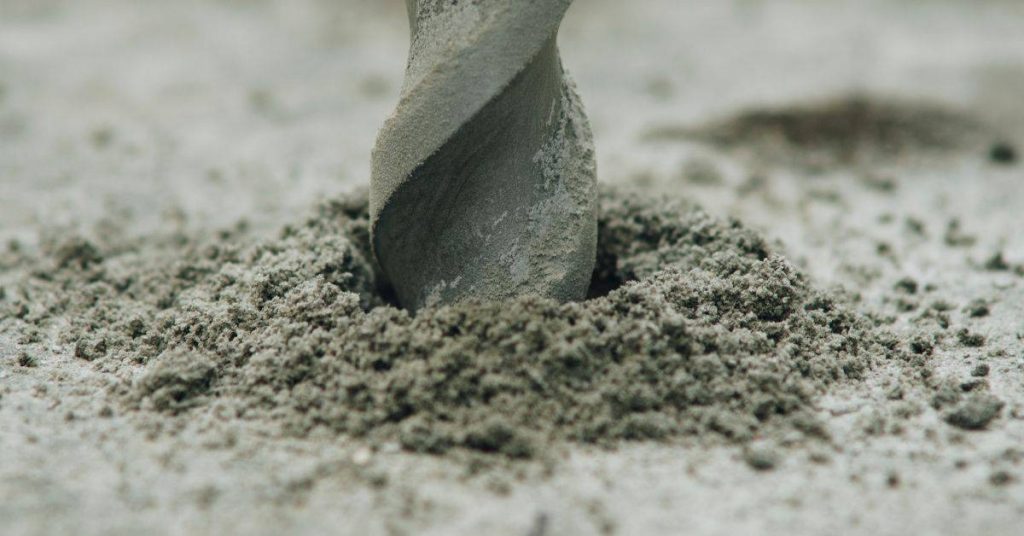
Close-up of a drill bit drilling into concrete with dust

Anchor Bolts in Concrete That Landed Wrong: Drill-and-Epoxy Fixes and Layout Prevention

Introduction If an anchor bolt landed wrong in concrete, drilling and epoxy can correct the install and restore holding strength. This hands-on guide walks through practical steps for re-anchoring and preventing misalignment when you’re handling pallet racks. You’ll learn how to evaluate the situation, choose a repair approach, and proceed safely on site. focus> Key

Anchor Bolts in Concrete That Landed Wrong: Drill-and-Epoxy Fixes and Layout Prevention Read More »

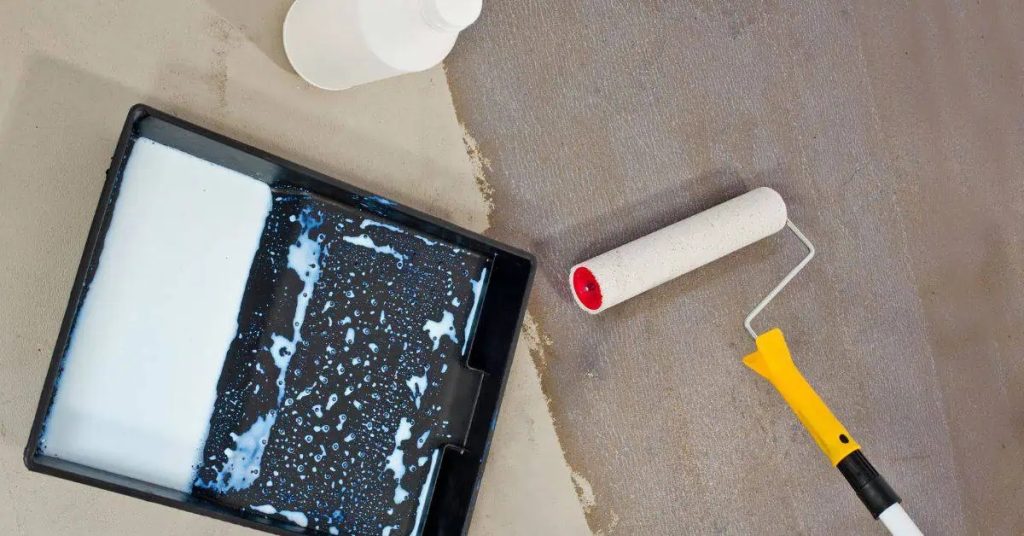
Paint roller and tray with white primer on concrete floor

Self-Leveling Overlays on Concrete: Dams, Primers, and Stopping Pinholes and Ripples

Introduction Self-leveling overlays are thin, cement-based compounds poured over concrete to create a smooth, level surface. They are applied after proper substrate preparation to fill minor irregularities and set with minimal manual leveling. A proper dam at edges and openings helps keep the mix in place as it cures. People doing this at home should

Self-Leveling Overlays on Concrete: Dams, Primers, and Stopping Pinholes and Ripples Read More »

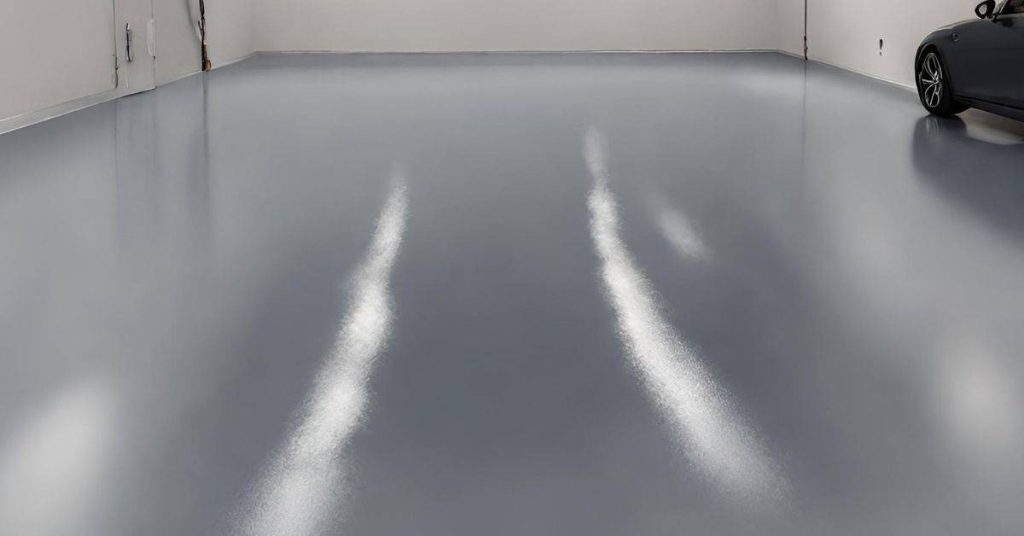
Smooth grey epoxy-coated concrete floor in garage

Anchor bolts in concrete that landed wrong: drill-and-epoxy fixes and layout prevention

Introduction Anchor bolts misinstalled in concrete can be repaired with drill-and-epoxy fixes and better planning for layout. The goal is to restore hold and align the bolts without overcomplicating the job. This approach keeps the work practical and repeatable in real-world settings. Start by cleaning the holes and surrounding concrete to remove dust and debris.

Anchor bolts in concrete that landed wrong: drill-and-epoxy fixes and layout prevention Read More »