Search Results for: HEPA vac

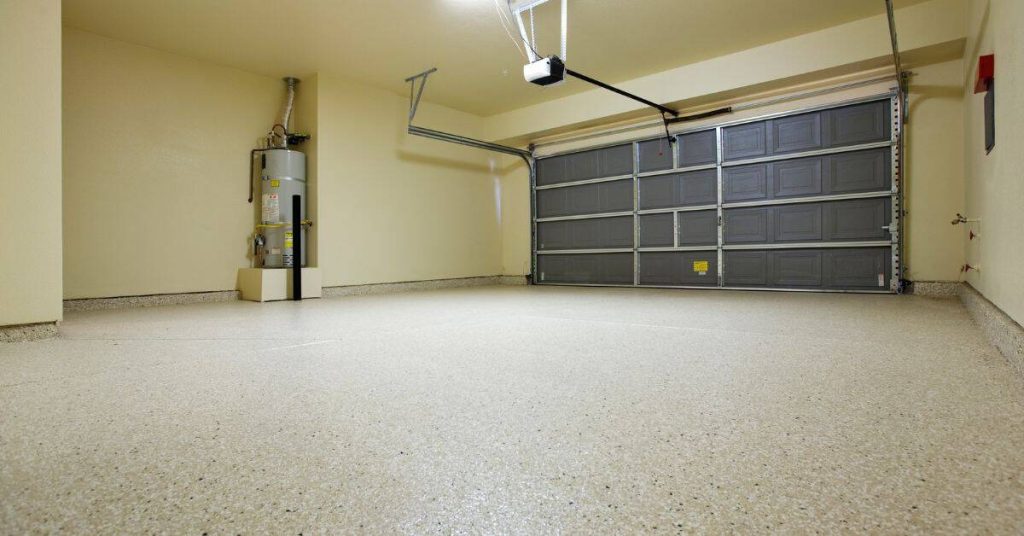
Clean epoxy-coated residential garage floor with water heater

Salt-Contaminated Garage Slabs: Cleaning Limits and Coating System Choices That Survive

Introduction Salt-contaminated garage slabs are concrete floors with salt residues that can interfere with finishes and moisture behavior. The salt can come from de-icing agents or nearby treatments, and this article explains what to expect when cleaning and choosing a coating that lasts. Salt residue can cause efflorescence, staining, and a weakened surface near joints, […]

Salt-Contaminated Garage Slabs: Cleaning Limits and Coating System Choices That Survive Read More »
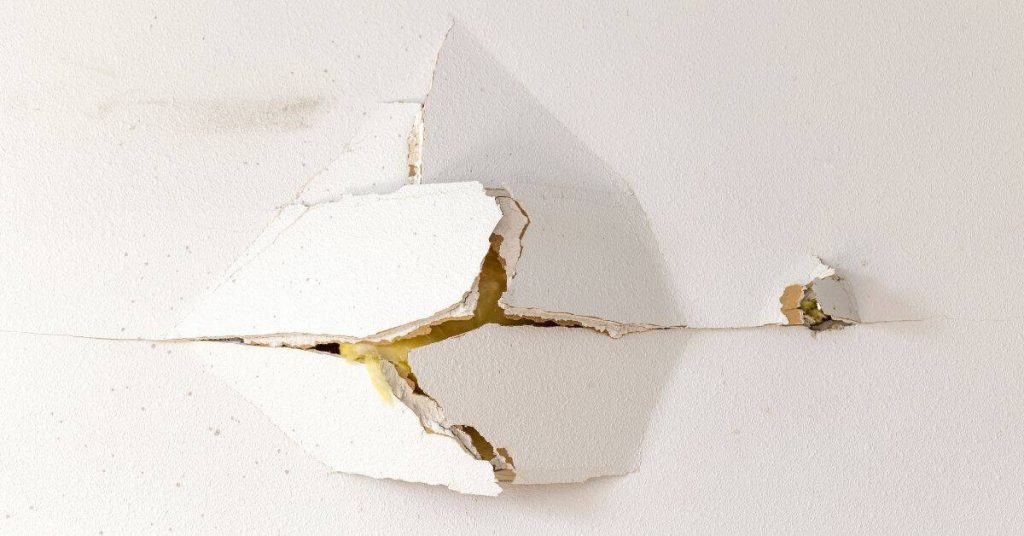
Closeup of cracked and peeling plaster on white wall

How to Repair a Failed Patch That Sounds Hollow: Cutback Rules and Reattachment Options

Introduction A failed patch that sounds hollow is a plaster area with voids that likely needs back-cutting and reattachment. In plain terms, you’ll check why it came loose and decide whether to trim the patch back or start fresh. This is a real-world, DIY job you can handle with basic tools and a patient approach.

How to Repair a Failed Patch That Sounds Hollow: Cutback Rules and Reattachment Options Read More »

Smooth concrete window sill below metal frame window

Concrete Delamination Under Tiles: Removing Thinset Residue and Preventing Re-Bond Failure

Introduction Delamination under tiles happens when the adhesive bond fails and thinset residue is left behind, leading to loose or cracked tile. It’s a sign you need to assess the substrate before continuing and plan how to remove it safely. Start with a clear look at what’s under the surface and what you’ll need to

Concrete Delamination Under Tiles: Removing Thinset Residue and Preventing Re-Bond Failure Read More »

Empty room with large windows and polished concrete floor

Salt-and-Pepper Polished Concrete: Achieving a Consistent Exposure Without Over-Grinding Edges

Introduction A salt-and-pepper polished-concrete floor has a fine, scattered aggregate reveal rather than an unbroken cream surface or a deeply exposed aggregate look. It is not a universal exposure class or a fixed grinding depth: the result depends on aggregate distribution, paste thickness, hardness, flatness, finishing, and the slab’s prior condition. The most reliable practical

Salt-and-Pepper Polished Concrete: Achieving a Consistent Exposure Without Over-Grinding Edges Read More »

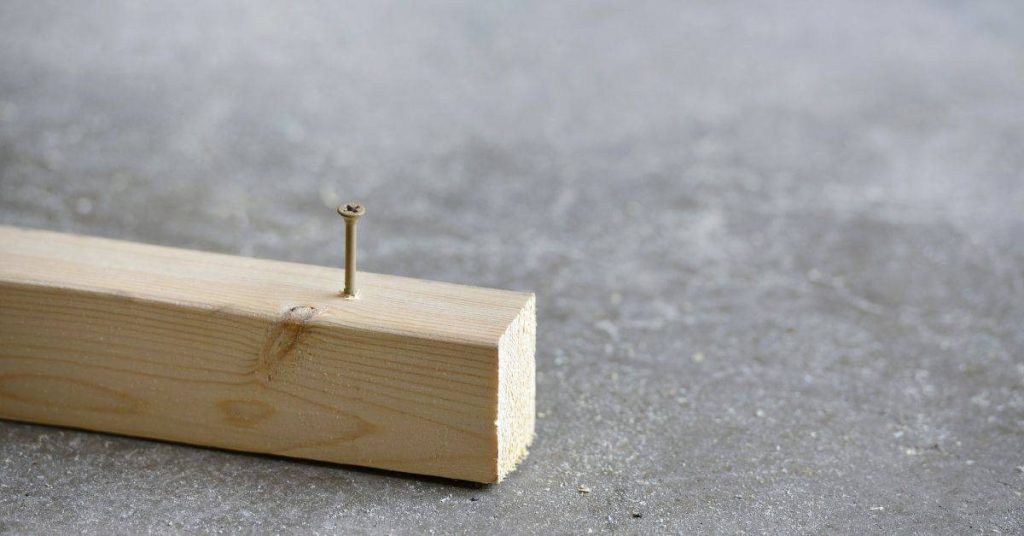
Wood block with nail inserted standing on concrete surface

Concrete Countertops With Inlays: Brass, Glass, Wood—Bonding and Differential Movement

Introduction Concrete countertops with inlays are countertops that embed brass, glass, or wood accents into the concrete surface. This article gives a practical, hands-on look at how to plan, mix, and place those inlays so they stay put. The goal is a durable, smooth surface you can live with, not a museum piece. We cover

Concrete Countertops With Inlays: Brass, Glass, Wood—Bonding and Differential Movement Read More »

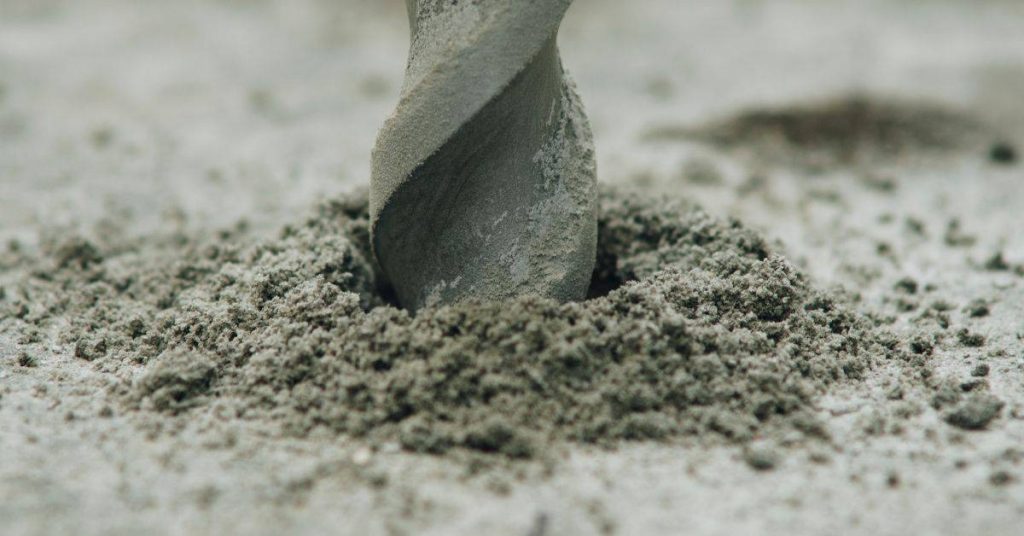
Concrete drill bit drilling into concrete with dust around

Bush-Hammered Concrete Finish: Tools, Dust Control, and Where It Makes Sense

Introduction Bush-hammered concrete finish is a textured surface created by striking the concrete with bush-hammer tools to expose the aggregate and create a rough, irregular pattern. This guide helps you think through what tools work, how to control dust, and where the finish makes sense in a DIY project. You’ll find practical notes on safety

Bush-Hammered Concrete Finish: Tools, Dust Control, and Where It Makes Sense Read More »

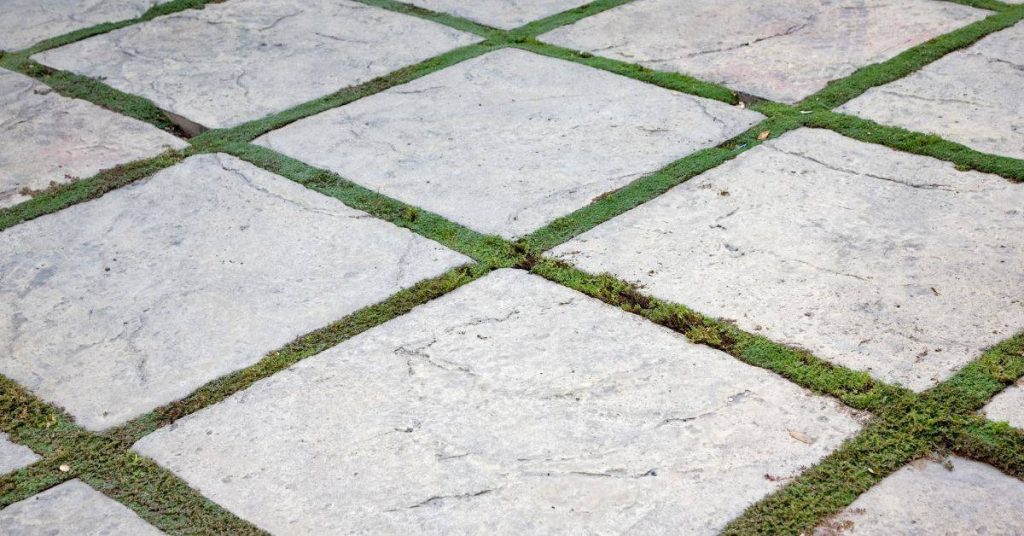
Square stone pavers with green moss in the joints

Sandblasted Finishes: Uniformity Tricks and How to Avoid Shadowing Around Joints

Introduction Sandblasted finishes are a textured surface created by blasting marble with abrasive media to reveal the stone’s grain. The result is a matte, slip-resistant look that hides tiny flaws and can add character to a space. As a DIY project, it’s important to understand that consistency comes from planning, the right media, and steady

Sandblasted Finishes: Uniformity Tricks and How to Avoid Shadowing Around Joints Read More »

Polished concrete floor next to large window overlooking ocean

Concrete Polishing Grit Progression Explained: Avoiding ‘Wavy’ Shine and Swirl Marks

Introduction Concrete polishing grit progression is the stepped use of abrasive grits to smooth and shine a concrete surface. In practice, you move from coarser grits to finer ones to minimize swirl marks and achieve a consistent look. A careful sequence helps you control the shine and avoid waviness as you work. Choose the grit

Concrete Polishing Grit Progression Explained: Avoiding ‘Wavy’ Shine and Swirl Marks Read More »

gray concrete surface with visible cracks crossing joints

Routing Cracks for Sealant: Geometry Rules That Actually Improve Longevity

Introduction Routing cracks for sealant means creating clean, engineered gaps in concrete to receive sealant that can accommodate movement. This is a hands-on job where the cut shape and depth influence how well the sealant sticks and lasts. Keep the work plain and practical, focusing on a straight, uniform groove and clean edges. Understanding crack

Routing Cracks for Sealant: Geometry Rules That Actually Improve Longevity Read More »

precast concrete wall panels with steel roof framing

Grinding vs Scarifying vs Milling: Picking Removal Methods by Depth and Dust

Introduction Grinding, scarifying, and milling are three removal methods that remove concrete from the surface, each with a different tool and result. Grinding uses a rotating abrasive disk to smooth and flatten the top layer. Scarifying tears and scratches the surface to lift material more aggressively, while milling removes larger sections with a powered drum.

Grinding vs Scarifying vs Milling: Picking Removal Methods by Depth and Dust Read More »