Search Results for: Finish

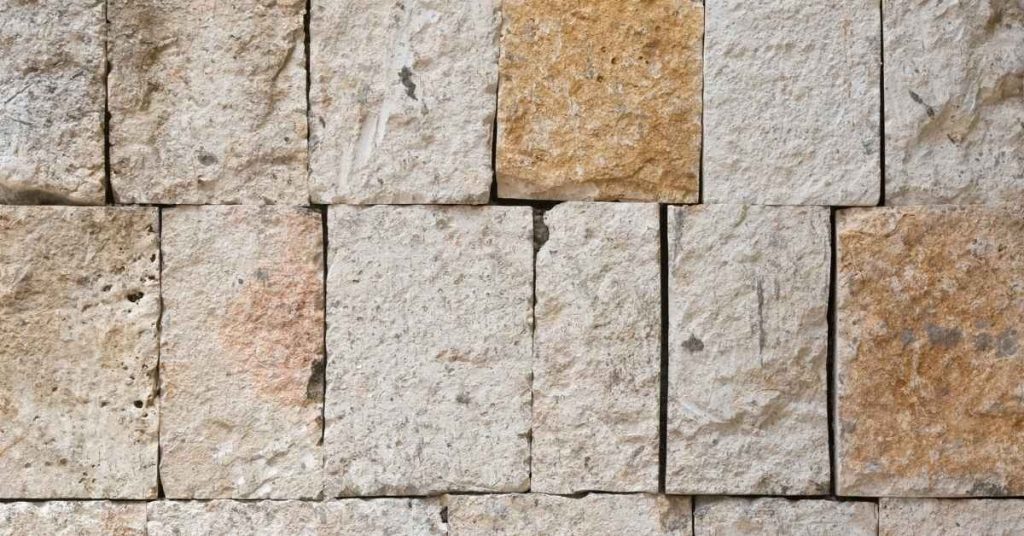
Close-up of rough cut limestone blocks arranged in a wall

Backfilling timing for block retaining walls: when the wall is ready and how to avoid bowing it

Introduction Backfilling timing for block retaining walls means starting to fill behind the wall only after the wall is stable and set. Check that the wall is properly tallied with the foundation, that acceptable drainage components are in place, and follow manufacturer or local guidelines before proceeding. Use small lifts and follow recommended guidance to […]


Backfilling timing for block retaining walls: when the wall is ready and how to avoid bowing it Read More »

Close-up of a power drill with a drill bit attached

Adding control joints in block walls: where to place them and how to detail the break

Introduction Control joints in block walls are intentional breaks that help manage movement and crack control. They should be planned with the wall’s stress points in mind and placed at key locations. Where to place them depends on wall length, layout, and climate, so identify long spans and changes in the wall condition. Detail the

Adding control joints in block walls: where to place them and how to detail the break Read More »

Cordless drill, wrench, drill bit, and assorted screws on wood

Mounting shelves on block walls: fasteners that don’t crumble the web

Introduction When mounting shelves on block walls, use fasteners and anchors designed to grip blocks without damaging their inner web. Choose from practical options such as masonry screws, toggles, and anchors designed for hollow or solid blocks. Select based on your wall type and the expected weight of your shelves. When installing, consider the drilling

Mounting shelves on block walls: fasteners that don’t crumble the web Read More »

close up of textured wet plaster surface

Repairing spalled block faces: patch materials and surface prep that lasts

Introduction Repairing spalled block faces involves restoring a damaged masonry surface by cleaning, patching, and smoothing to prevent further deterioration. First assessing whether you should repair or replace is essential; if the damage exposes hollow cores or undermines structural integrity, replacement may be wiser. Prepare the surface by cleaning loose material and chipping away rough

Repairing spalled block faces: patch materials and surface prep that lasts Read More »

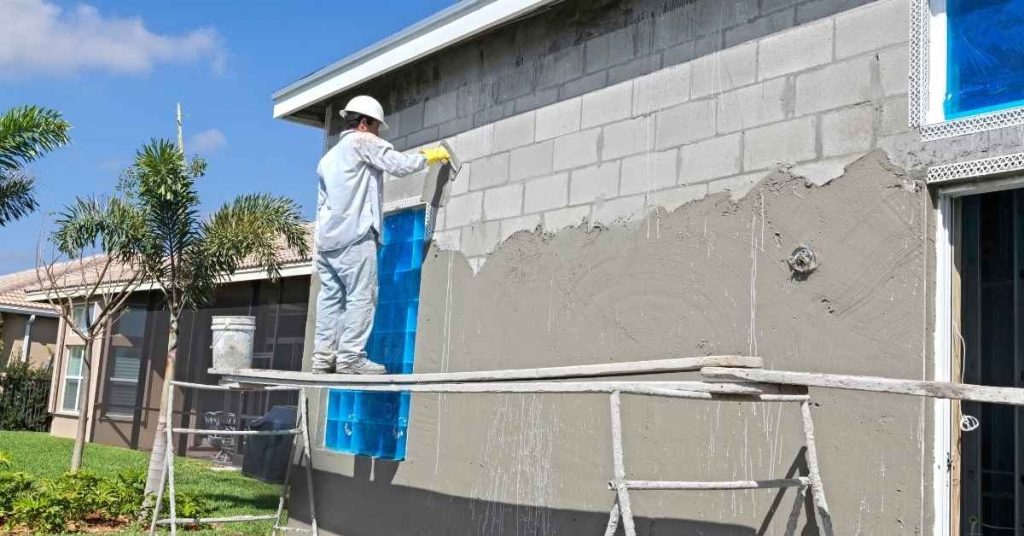
Worker applying stucco on cinder block wall outdoors

Parging vs stucco on block: prep, bonding, and avoiding delamination

Introduction Parging and stucco are two surface finishes for block walls, with parging being a thin cement-based coating and stucco a thicker, textured layer. Both aim to prevent moisture intrusion and create a smooth or textured exterior. The article compares prep, bonding, and how to avoid delamination in each method. Surface prep should start with

Parging vs stucco on block: prep, bonding, and avoiding delamination Read More »

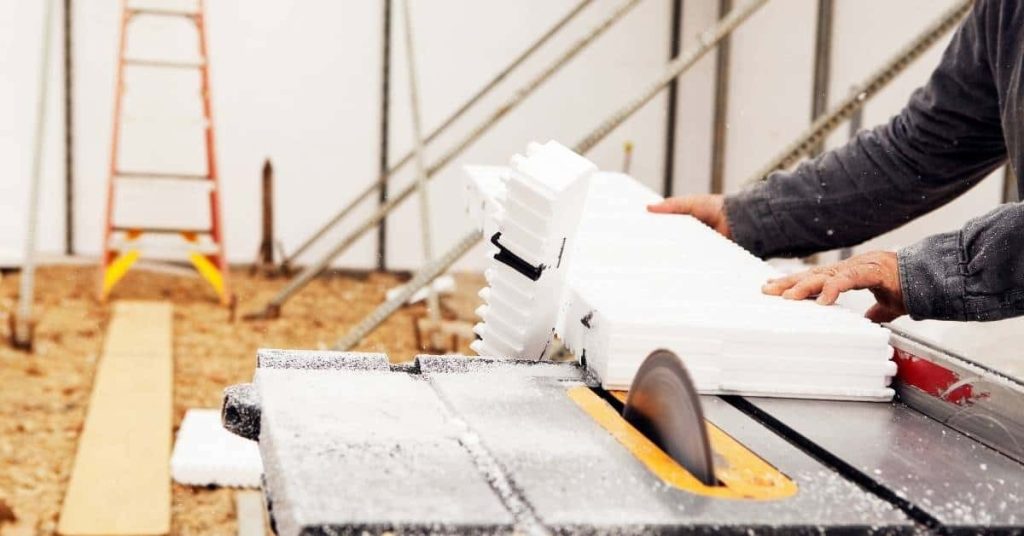
Person cutting white foam insulation board on table saw

Interior moisture management on block walls: furring, insulation, and vapor strategy that won’t trap water

Introduction Interior moisture management on block walls is the practice of keeping the wall assembly dry by separating the concrete from finishes with furring, insulation, and a controlled vapor path. This hands‑on approach focuses on airflow, condensation control, and dry finishes rather than relying on the concrete to act as a wet surface. Work with

Interior moisture management on block walls: furring, insulation, and vapor strategy that won’t trap water Read More »

Person using power drill on composite deck boards

Waterproofing block foundations: coatings vs membranes vs drainage boards

Introduction Waterproofing block foundations means choosing between coatings, membranes, or drainage boards to keep moisture from entering the structure. Coatings seal the surface, membranes create a continuous barrier, and drainage boards help direct water away from the wall. Think about how water will contact the wall and what prep is needed before any product is

Waterproofing block foundations: coatings vs membranes vs drainage boards Read More »

Row of modern townhouses with siding and brick veneer

Vertical cracks in block walls: shrinkage vs movement and how to monitor them

Introduction Vertical cracks in block walls are cracks that run straight up and down the masonry and are often linked to shrinkage or movement in the structure. They can form as the wall settles or as the blocks and mortar dry and adjust over time. Monitoring these cracks involves simple visual checks and noting any

Vertical cracks in block walls: shrinkage vs movement and how to monitor them Read More »

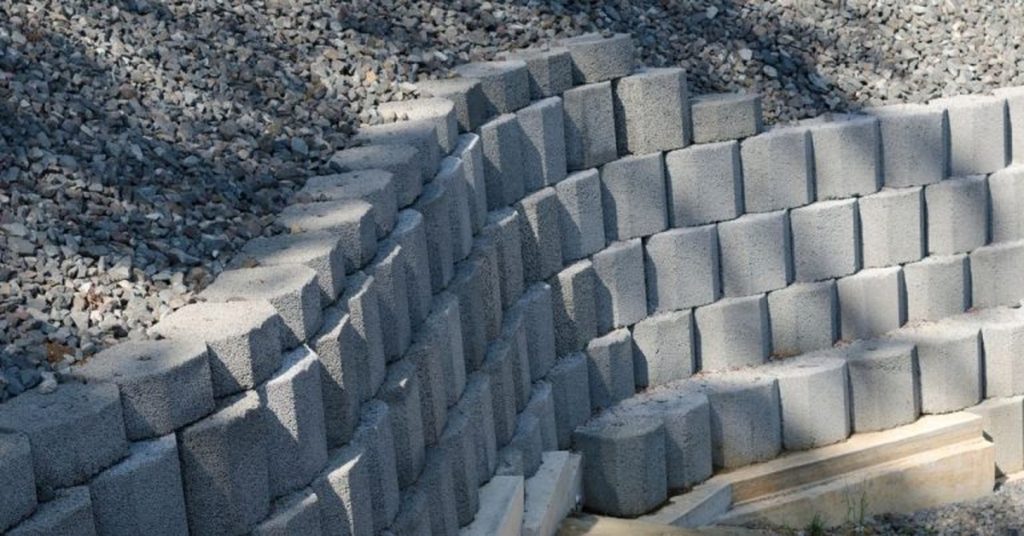
Curved block retaining wall without visible cracks

Stair-step cracks in block walls: settlement clues and when a crack is ‘normal’ vs structural

Introduction Stair-step cracks are diagonal cracks that follow mortar joints in block walls, forming a stepped pattern. They often point to movement in the wall due to settlement or shifting soil. In homes and foundations, these cracks can appear after changes in moisture or load. Not every stair-step crack is a sign of a major

Stair-step cracks in block walls: settlement clues and when a crack is ‘normal’ vs structural Read More »