Search Results for: Finish

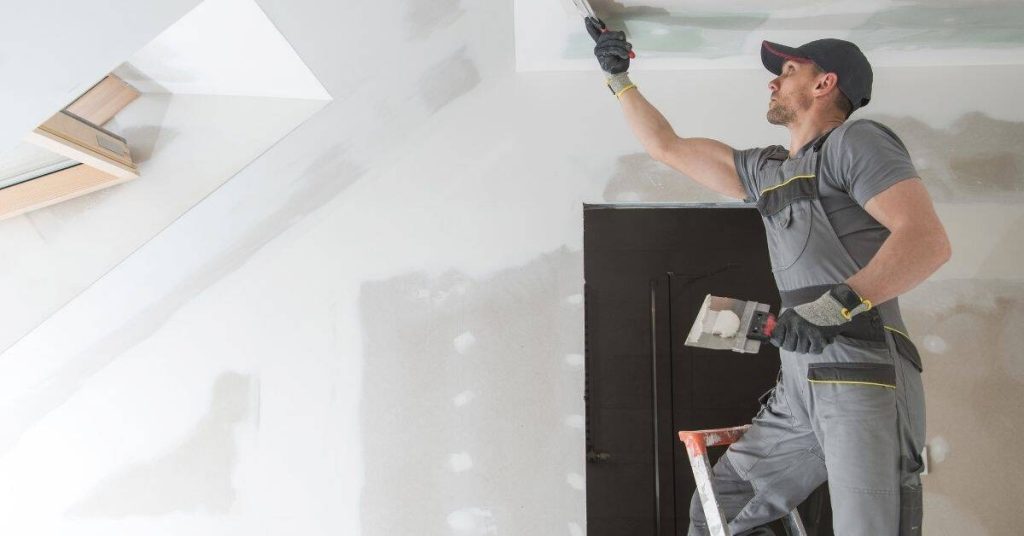
Man applying plaster with tools on drywall ceiling

Loose Plaster Repair With Washers: Spacing, Drilling, and Finishing

Introduction Loose plaster repair with washers is a simple method to reanchor plaster that has pulled away by using washers driven into solid backing and secured with screws. You’ll space the anchors to grip the edge of the plaster and reach solid backing behind it. Then you can tighten until the plaster sits firmly without […]

Loose Plaster Repair With Washers: Spacing, Drilling, and Finishing Read More »

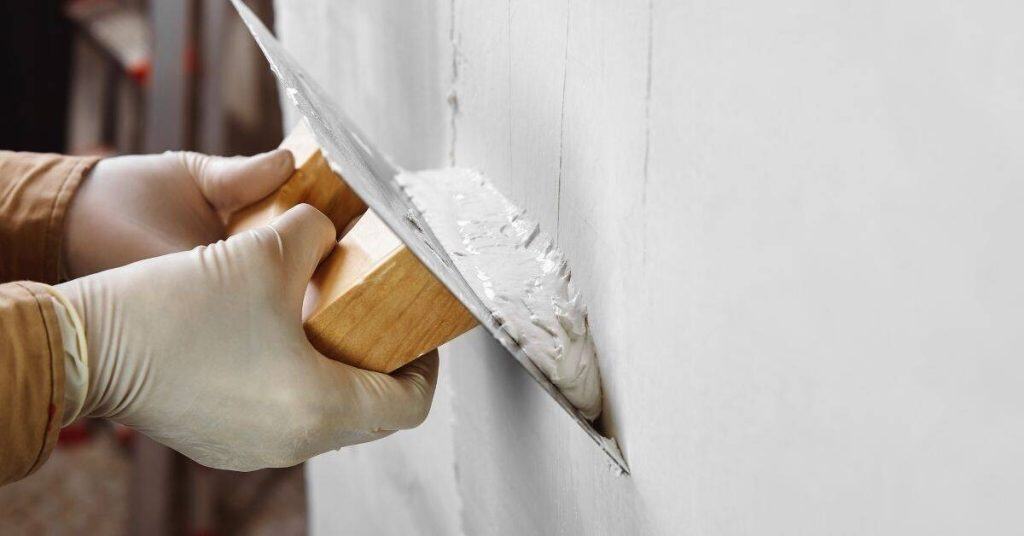
Hands applying wet plaster on wall with trowel

Creating a Smooth Plaster Finish: Trowel Pressure and Timing Basics

Introduction A smooth plaster finish comes from controlled trowel pressure and proper timing. That means pressing evenly as you float or skim, and watching the set so you don’t pull or push too much. You’ll get a better look if you keep strokes consistent and work in small, overlapping sections. Check the plaster’s working time

Creating a Smooth Plaster Finish: Trowel Pressure and Timing Basics Read More »

Hand wearing red glove smoothing plaster on wall with trowel

Breathable Finishes for Lime Plaster: What to Use and What to Avoid

Introduction Breathable finishes for lime plaster are coatings that let moisture pass through while protecting the wall. They’re chosen to prevent damp buildup and to keep the plaster performing over time. Check product labels and manufacturer instructions to confirm breathability and suitability for lime plaster. Use lime-putty-based finishes or mineral paints labeled breathable. Avoid latex-based

Breathable Finishes for Lime Plaster: What to Use and What to Avoid Read More »

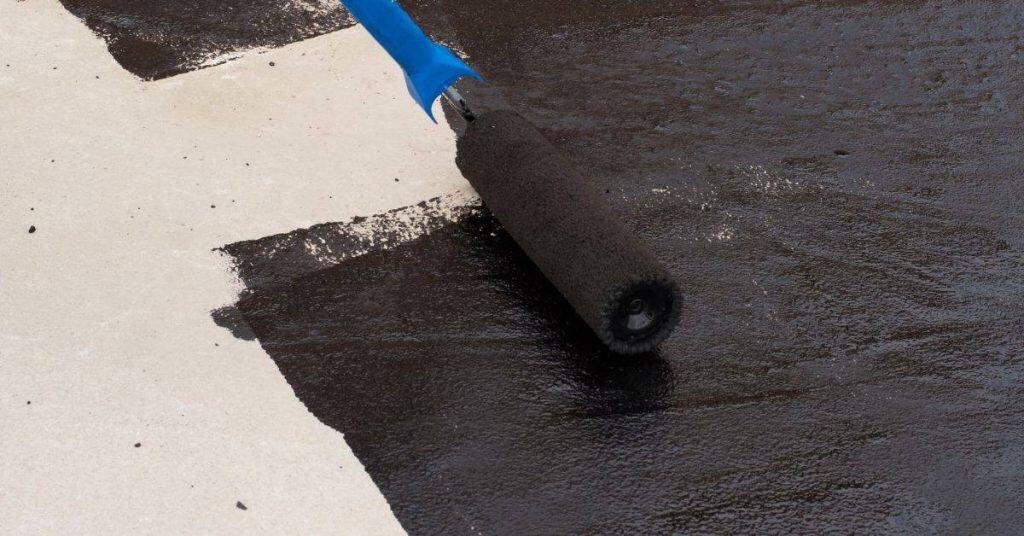
Paint roller applying black sealer on concrete surface

Concrete Sealer Slip Problems: How to Add Traction Without Peeling the Finish

Introduction A concrete sealer is a surface coating intended to protect and seal a concrete floor. When it becomes slick or peels, traction is lost and the risk of slips increases. This article explains practical ways to add traction without peeling the finish. There are penetrating sealers that soak in and film-forming coatings that sit

Concrete Sealer Slip Problems: How to Add Traction Without Peeling the Finish Read More »

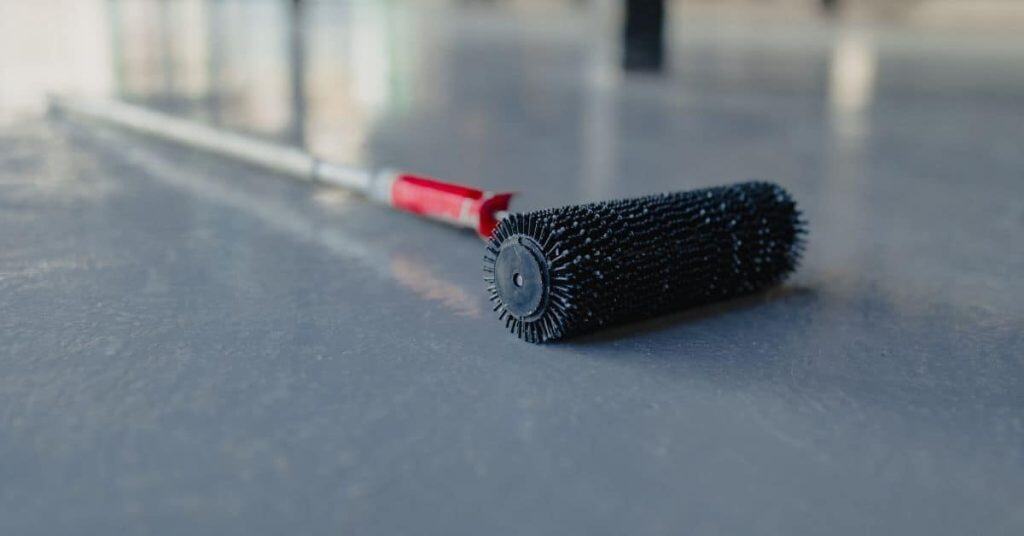
spiked roller lying on smooth epoxy resin floor

Use Epoxy Resin Like a Pro: Mixing, Pouring, Bubbles, and Finishing

Introduction Epoxy resin is a two-part system that you mix and pour to create a hard, glossy surface. This guide walks you through mixing, pouring, and finishing like a pro, with practical, DIY-friendly steps. Keep it simple, check the product label and follow manufacturer instructions for safe use. Air bubbles come from rushing mixing, too-fast

Use Epoxy Resin Like a Pro: Mixing, Pouring, Bubbles, and Finishing Read More »

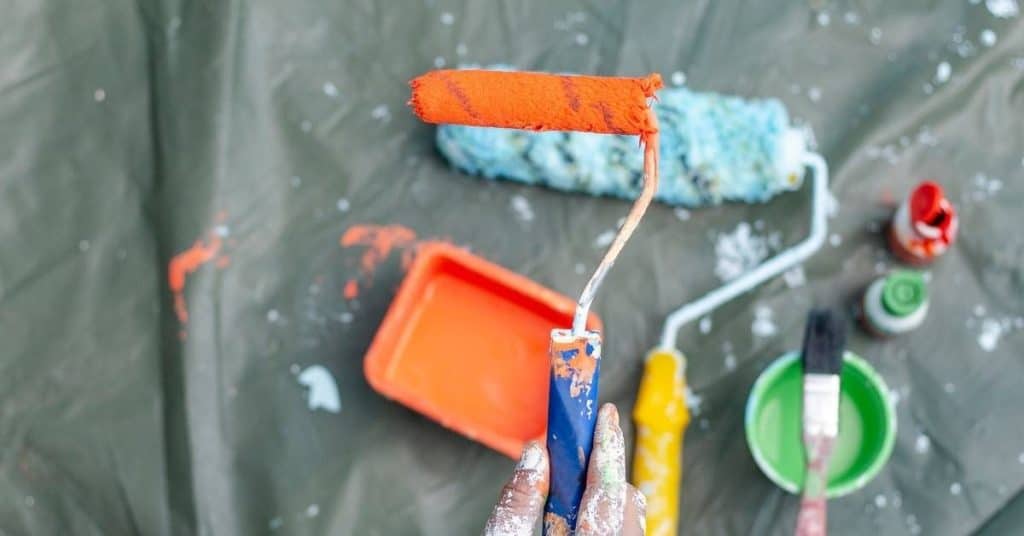
Hand holding paint roller with orange paint over plastic drop cloth

Special-Effect Paint Rollers: 9 Finishes, How They’re Done, and When They Fail

Introduction Special-effect paint rollers create textured or patterned finishes on walls using unique roller covers. They work with ordinary paint and standard tools, but the roller design dictates the look. This introduction covers the main types, how to apply them, and common failure points to watch for. Types include swirls, stipple-like textures, comb patterns, and

Special-Effect Paint Rollers: 9 Finishes, How They’re Done, and When They Fail Read More »

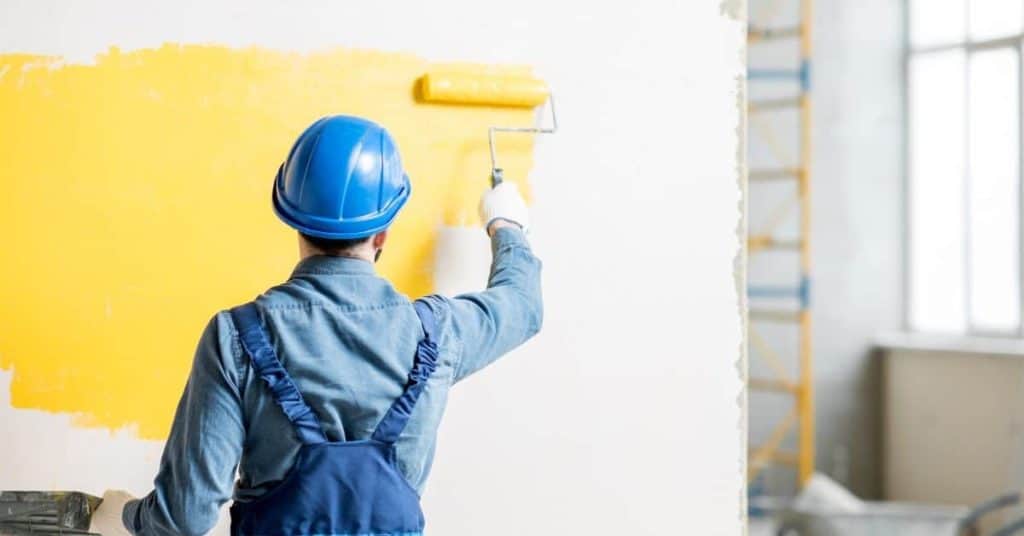
Worker painting interior wall yellow with roller

Painting Over Efflorescence: How to Stop Salts From Ruining Your Finish

Introduction Efflorescence is the white, powdery salt that can migrate to a wall surface when moisture moves through masonry. It can appear on painted or unpainted surfaces and can ruin a finish if not addressed. Before painting, you need to identify and clean it so the new coating can adhere. Identify efflorescence on walls and

Painting Over Efflorescence: How to Stop Salts From Ruining Your Finish Read More »

Person sanding drywall with power sander

Paint Sheen Flashing on Drywall: Controlling Porosity Before Finish Coats

Introduction Paint sheen flashing on drywall is the uneven absorbency you see when the wall soaks in primer or finish at different rates. It’s caused by porosity differences in the surface that show up as uneven sheen after the first coat. To address it, look for high-porosity spots and use a compatible primer to even

Paint Sheen Flashing on Drywall: Controlling Porosity Before Finish Coats Read More »