Search Results for: EIFS

old red brick wall with mortar joints and some white stains

How to spot failed brick flashing: stain trails, damp sheathing clues, and inspection points

Introduction Failed brick flashing shows up as moisture intrusion at joints, leaving stain trails and damp spots on the wall. It signals that water is not being directed away properly. You’ll want to look for signs of staining, softness, or peeling where the flashing meets the surface. In practice, inspect for moisture clues around manufactured […]

How to spot failed brick flashing: stain trails, damp sheathing clues, and inspection points Read More »

Plaster worker smoothing wall with trowel wearing black glove

Common rookie plaster mistakes: overwatering, overworking, and chasing perfection too soon

Introduction Rookie plaster mistakes are doing too much water, overworking the mix, and chasing a perfect finish before it’s ready. These habits can cause cracks, shrinkage, and a surface that won’t hold paint. Take a steady, practical approach: mix only what you need, apply in damp coats, and let each layer set. During a shifting

Common rookie plaster mistakes: overwatering, overworking, and chasing perfection too soon Read More »

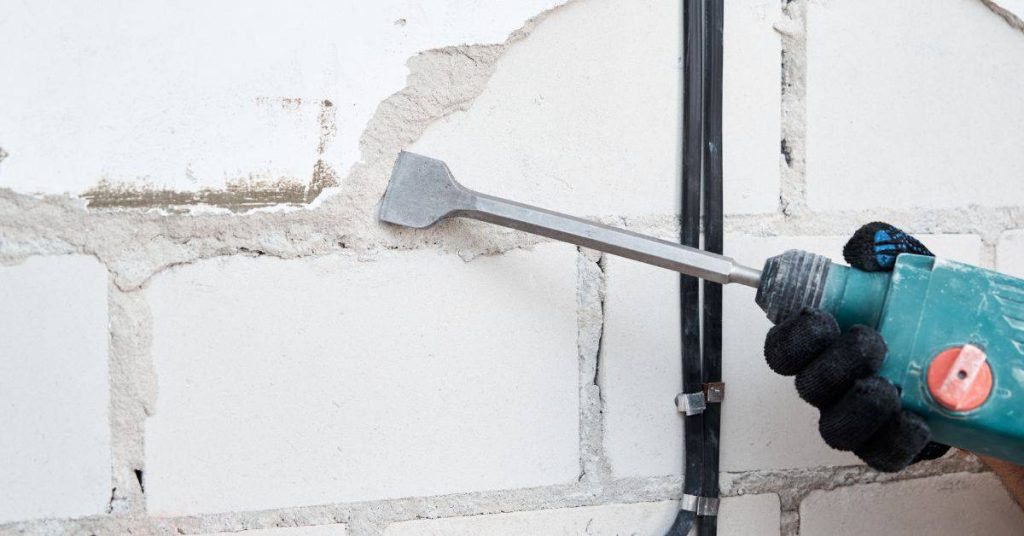
Gloved hand holding power tool against stucco joint

Sealant failure at stucco joints: choosing the right sealant type and tooling shape

Introduction Sealant failure at stucco joints means the sealant loses adhesion, cracks, or pulls away, allowing water intrusion. Choosing the right sealant involves matching the substrate and climate, and confirming compatibility with stucco. Think of the job as preparing the joint, selecting a compatible sealant, and planning proper tooling. Selecting the right tool shapes helps

Sealant failure at stucco joints: choosing the right sealant type and tooling shape Read More »

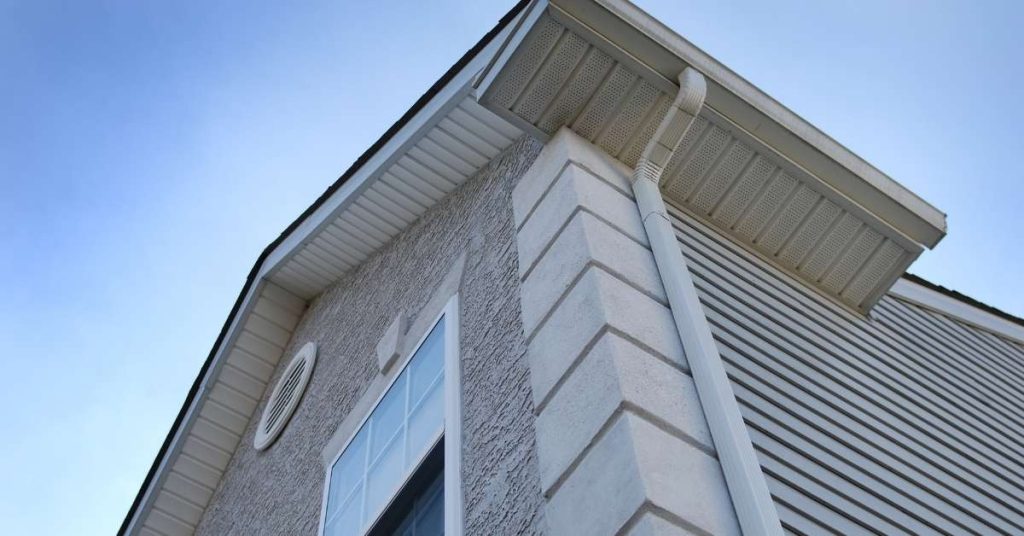
Close-up of exterior corner with stucco finish and siding

Stucco expansion gaps at slab lines: why they crack and how to detail the break

Introduction Expansion gaps at slab lines are deliberate spaces that allow concrete and stucco to move with temperature and moisture changes. They help prevent cracks by giving seams somewhere to open and close without telegraphing through the finish. Cracking often occurs when gaps are too small, poorly located, or not sealed properly over time. Detailing

Stucco expansion gaps at slab lines: why they crack and how to detail the break Read More »

Close-up of damaged stucco wall with peeling and exposed underlying surface

Wind-driven rain on stucco walls: drainage details that matter more than thicker coats

Introduction Wind-driven rain on stucco walls is best managed through proper drainage details rather than thicker coats. This article focuses on how flashing, joints, weep screed, and surface slope influence moisture control. A DIY approach works when you follow practical steps and check manufacturer guidance. Myths about EIFS trapping moisture are common, but proper drainage

Wind-driven rain on stucco walls: drainage details that matter more than thicker coats Read More »

Stucco exterior walls with tile roof under blue sky

Stucco around electrical service: clearances, sealing, and safe mounting methods

Introduction Stucco around electrical service means installing stucco while maintaining safe clearances, sealing around components, and mounting boxes and fixtures correctly. Plan the work to keep access to service fittings and enclosures, and verify what the manufacturer and local rules require. Always check guidance from the hardware or electrical guidance for your area and follow

Stucco around electrical service: clearances, sealing, and safe mounting methods Read More »

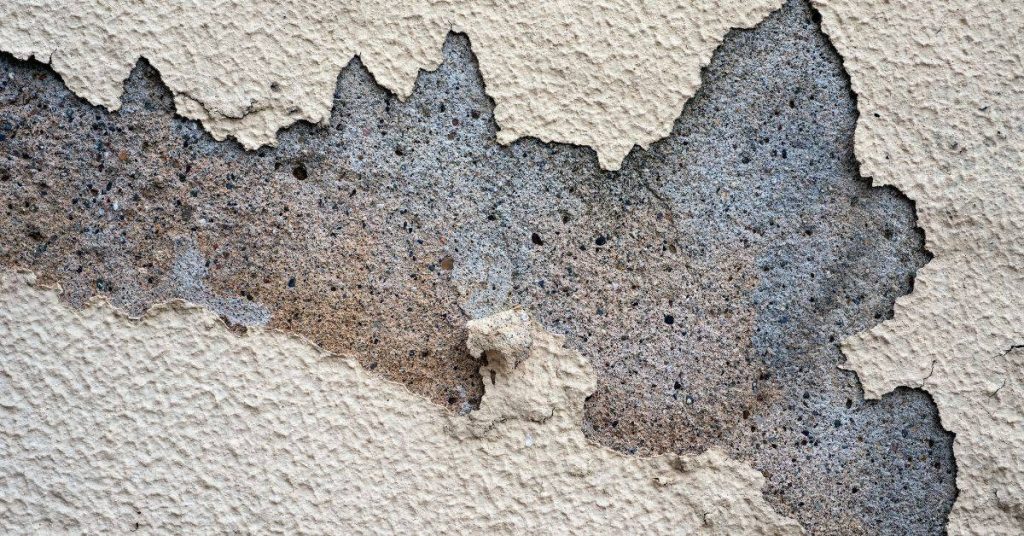
Peeling beige stucco revealing rough concrete underneath

Freeze-thaw damage on stucco base coats: recognizing it early and rebuilding the right way

Introduction Freeze-thaw damage occurs when trapped moisture in stucco base coats freezes and expands, causing cracking and delamination. It can weaken the surface and open pathways for water to enter surrounding layers. Damage often starts on the exterior and can spread if not addressed with proper repairs. Common signs include hairline cracks, chipped or powdery

Freeze-thaw damage on stucco base coats: recognizing it early and rebuilding the right way Read More »

Stucco exterior walls on a house under clear blue sky

Stucco color fade on south walls: UV reality, pigment choices, and repaint intervals

Introduction Stucco color fade on south walls happens when sun exposure and UV light fade the pigment over time. This is common on exterior surfaces that receive strong afternoon sun. Understanding what to expect helps plan when to repaint and what finishes stand up best. Choosing the right paint type and pigment can improve durability

Stucco color fade on south walls: UV reality, pigment choices, and repaint intervals Read More »

Close-up of stucco edge with foam insulation and sealant

Bottom edge stucco moisture wicking: diagnosing capillary rise and fixing the drainage plane

Introduction Bottom-edge stucco moisture wicking occurs when capillary rise pulls moisture from the foundation into the lower stucco courses. This guide helps you spot the signs and understand why the drainage plane matters. Look for damp patches, staining, softening, or peeling where the stucco meets the foundation, and check for poor drainage or blocked weep

Bottom edge stucco moisture wicking: diagnosing capillary rise and fixing the drainage plane Read More »

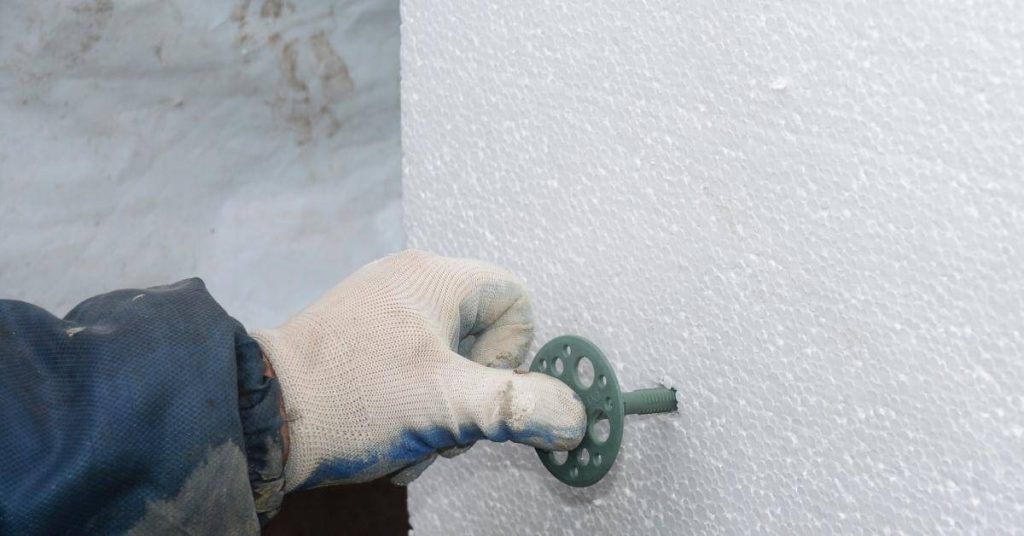
Hand with glove pushing plastic anchor into foam board insulation

Anchors that work in stucco over foam vs stucco over wood sheathing

Introduction Anchors that work in stucco over foam versus stucco over wood sheathing are fasteners chosen for different backing materials used in exterior walls. Foam-backed stucco requires considerations for how the anchor transfers load and how the insulation is protected, while wood sheathing provides a solid, continuous surface for grip. This introduction sets up what

Anchors that work in stucco over foam vs stucco over wood sheathing Read More »