Search Results for: EIFS

close-up of white textured stucco wall surface

How to Identify Your Stucco Type (Traditional, Acrylic, Eifs) Before Repairing

Introduction Identifying your stucco type means distinguishing traditional cement or lime-based stucco from acrylic and EIFS. Traditional stucco is usually cement-based, acrylic uses polymers, and EIFS adds an insulated finish. Check the surface feel, appearance, and any labeling to confirm the type before starting repairs. Have the right tools and materials on hand, including scrapers, […]

How to Identify Your Stucco Type (Traditional, Acrylic, Eifs) Before Repairing Read More »

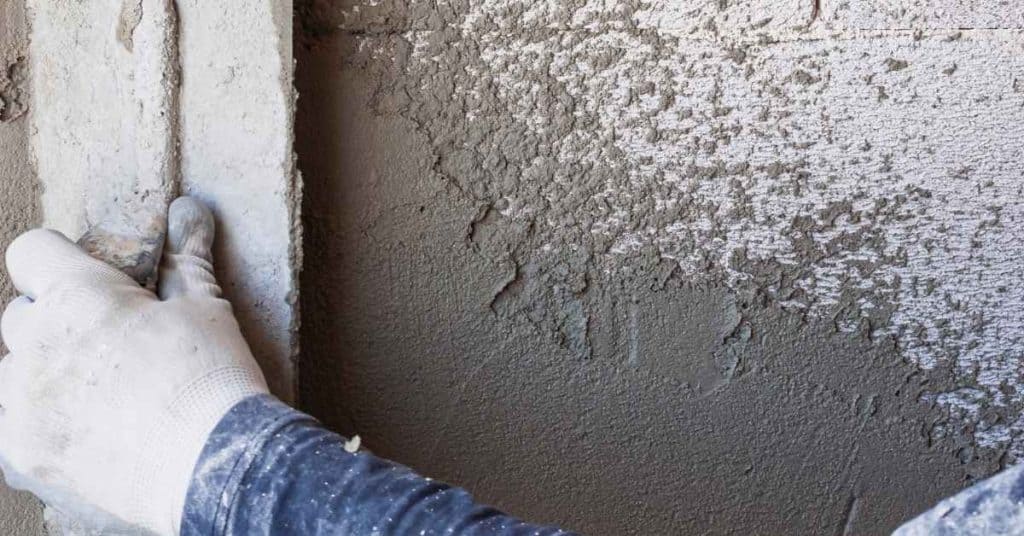
Hand with glove applying stucco using metal trowel on wall

Stucco System Breakdown: 3-Coat Vs 1-Coat Vs Eifs (What You’re Actually Getting)

Introduction Three-coat stucco is the traditional layered plaster finish built up in separate coats over a lath or substrate. In practical terms, it yields a durable, textured look when done right. It’s labor intensive and relies on proper substrate prep, mixing, and careful control of cracking and finish work. One-coat systems combine base and finish

Stucco System Breakdown: 3-Coat Vs 1-Coat Vs Eifs (What You’re Actually Getting) Read More »

Stucco over Foam (Eifs/Thin Coat): What Changes with Base Coat and Mesh Placement

Stucco over Foam (Eifs/Thin Coat): What Changes with Base Coat and Mesh Placement

Introduction Stucco over foam (EIFS/thin coat) is a layered exterior finish that uses insulation foam beneath a base coat and reinforced mesh. This article keeps it practical for DIYers and focuses on how base coat and mesh placement change when you install over foam. Think of it as a lightweight, flexible alternative to traditional stucco,

Stucco over Foam (Eifs/Thin Coat): What Changes with Base Coat and Mesh Placement Read More »

The Compatibility Trap: How Mixing Eifs with Incompatible Paints Leads to Moisture Traps

The Compatibility Trap: How Mixing Eifs with Incompatible Paints Leads to Moisture Traps

Introduction Mixing EIFS with incompatible paints can trap moisture and cause damage to the wall system. You’ll learn how to spot common compatibility issues, why moisture becomes trapped, and practical steps to prevent failures. The guide walks through simple rules of thumb and decision-making tips you can apply when choosing coatings and planning maintenance. Back

The Compatibility Trap: How Mixing Eifs with Incompatible Paints Leads to Moisture Traps Read More »

The Most Overlooked Step to Stop Cracks in Exterior Eifs Systems

The Most Overlooked Step to Stop Cracks in Exterior Eifs Systems

Introduction Proper substrate preparation and moisture control is the most overlooked step to stop cracks in exterior EIFS systems. In this guide you’ll learn why neglecting the substrate and drainage leads to cracking and how to address issues with practical inspection, moisture checks, and detailing strategies. You’ll come away with a clear sense of what

The Most Overlooked Step to Stop Cracks in Exterior Eifs Systems Read More »

How to Use a Pinless Moisture Meter to Find Hidden Water in Stucco and Eifs

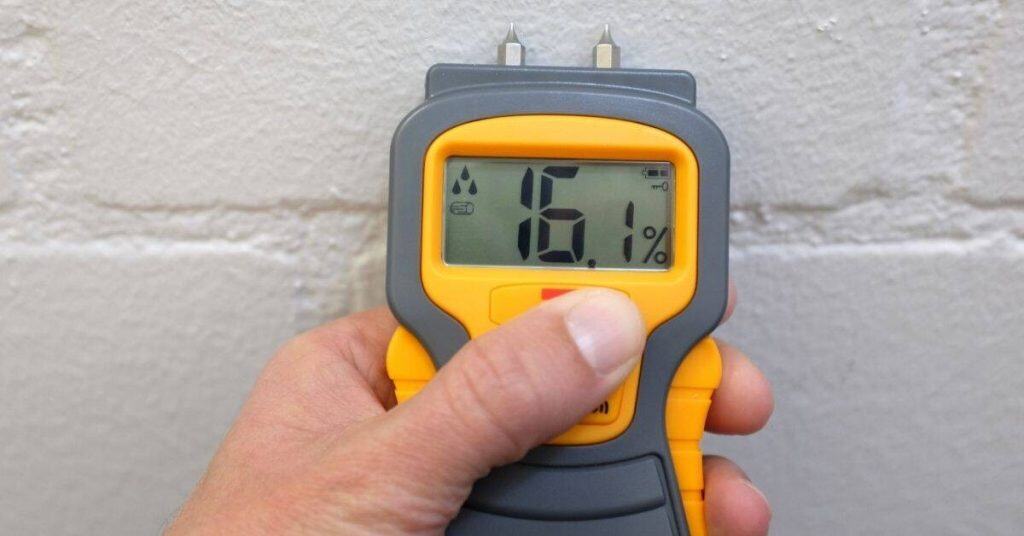
How to Use a Pinless Moisture Meter to Find Hidden Water in Stucco and Eifs

Table of Contents What is a pinless (non‑invasive) moisture meter? When to use pinless vs. pin/probe meters and moisture scanners Tools, gear, and prep checklist for safe EIFS/stucco moisture scans Step‑by‑step scanning technique for stucco and EIFS Interpreting readings: thresholds, relative values, and common confounders Confirming suspect readings and avoiding false positives Common user errors,

How to Use a Pinless Moisture Meter to Find Hidden Water in Stucco and Eifs Read More »

Understanding EIFS Siding: A Comprehensive Guide

Understanding EIFS Siding: A Comprehensive Guide

Table of Contents Introduction to EIFS Siding Essential Components of EIFS The EIFS Installation Process In-Depth Analysis & Alternatives Addressing Common EIFS Challenges The Science Behind EIFS Effectiveness Exploring Alternatives to EIFS Conclusion FAQ Introduction to EIFS Siding The Exterior Insulation and Finish System (EIFS) stands out as an advanced cladding solution that merges aesthetic

Understanding EIFS Siding: A Comprehensive Guide Read More »

EIFS vs Stucco Exterior: A Comprehensive Comparison

EIFS vs Stucco Exterior: A Comprehensive Comparison

Table of Contents Introduction What Distinguishes EIFS from Traditional Stucco? How Do Their Compositions Differ? Which Is Better for Your Home: EIFS or Stucco? How Do EIFS and Stucco Impact Energy Efficiency? Conclusion FAQ Introduction Choosing the right exterior finish for your home is important. In this article, we’ll explore the differences between EIFS and

EIFS vs Stucco Exterior: A Comprehensive Comparison Read More »

The Pros and Cons of Buying a Home with EIFS Stucco

The Pros and Cons of Buying a Home with EIFS Stucco

Table of Contents Introduction Understanding EIFS Stucco and Its Composition Advantages of Opting for an EIFS Stucco Home Cons to Consider: Potential Risks Associated with EIFS Stucco Homes Identifying and Managing Water Damage in EIFS Stucco Homes Evaluating Structural Integrity: Inspections for EIFS Stucco Homes Essential Considerations for Buying or Selling a Home with EIFS

The Pros and Cons of Buying a Home with EIFS Stucco Read More »

Gray brick wall with visible mortar joints

Winter brick repointing: temperature limits, protection, and curing reality

Introduction Winter brick repointing means renewing mortar joints during cold weather while managing temperature and curing. The process requires careful protection of the work area and an awareness of how low temperatures affect mortar performance. Prepare to adapt with weather-appropriate methods and follow manufacturer instructions for products. Expect questions about temperature limits, protective enclosures, and

Winter brick repointing: temperature limits, protection, and curing reality Read More »