Search Results for: Al ala 19

Why seal concrete driveway

Why seal concrete driveway

Table of Contents Introduction Causes of Cracking in Concrete Driveways Advantages of Sealing Your Concrete Driveway Selecting the Right Concrete Sealer Application Methods for Sealing Concrete Driveways Conclusion FAQ Introduction Whether you have a new driveway or an older one showing wear, protecting it is essential. Driveways face heavy vehicles, harsh winters, and constant use,

Why seal concrete driveway Read More »

Precast concrete wall panels stored outdoors under cloudy sky

Concrete dust respirator habits: storage, filter changes, and staying protected on off-and-on tasks

Introduction Concrete dust respirator habits are the routines you follow to store, maintain, and use your respirator so you stay protected when working with dusty concrete. Store it in a clean, dry place and inspect seals and straps before each use. Check manufacturer instructions for any care steps and avoid exposing the respirator to extreme

Concrete dust respirator habits: storage, filter changes, and staying protected on off-and-on tasks Read More »

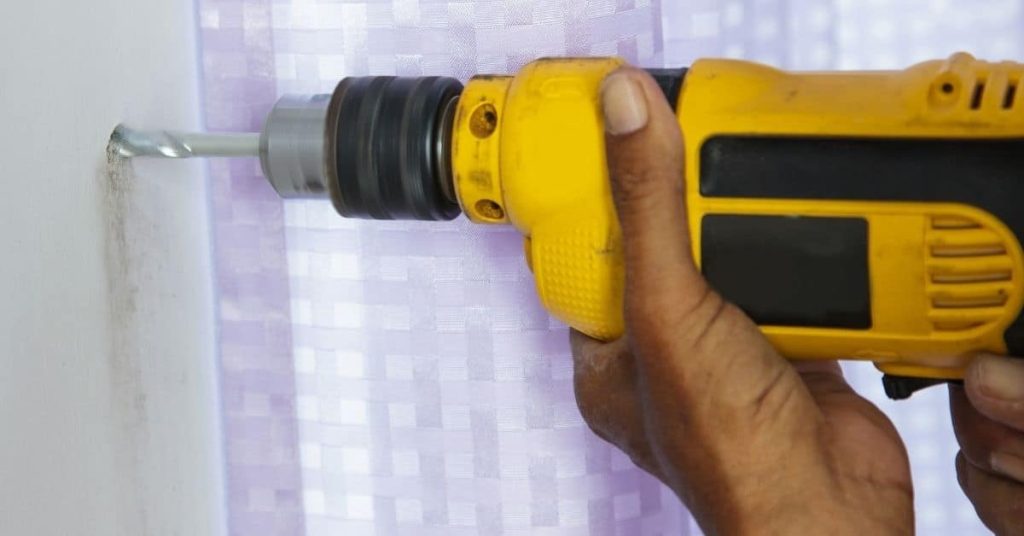
Hand using yellow electric drill to drill hole in masonry wall

Masonry anchors compared: sleeve, wedge, tapcon, and epoxy

Introduction Masonry anchors secure items to brick or concrete by gripping into the material. This guide compares sleeve, wedge, tapcon, and epoxy anchors, focusing on their grip mechanisms, installation methods, and ideal applications. Each anchor type has a unique setup and installation approach: Sleeve and Wedge Anchors: These use expansion grip to secure into place.

Masonry anchors compared: sleeve, wedge, tapcon, and epoxy Read More »

Close-up of drill bit drilling into concrete wall

Choosing a mixer for concrete and mortar: drill paddle vs mortar mixer vs tow-behind for your batch size

Introduction Choosing a mixer for concrete and mortar comes down to batch size and material, with drill paddles, stand-alone mortar mixers, and tow-behind units as common options. Drill paddles attach to a drill and work best for small jobs or light mixes, while dedicated mortar mixers and tow-behind models handle larger or tougher batches. Each

Choosing a mixer for concrete and mortar: drill paddle vs mortar mixer vs tow-behind for your batch size Read More »

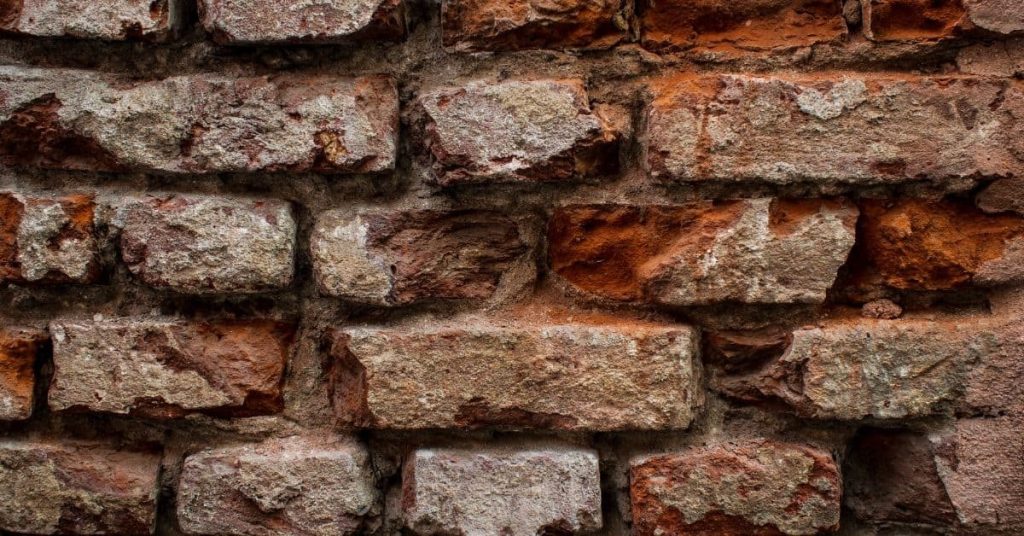
Close-up of weathered red brick wall with white deposits

Efflorescence on brick that keeps returning: stop the water path before you scrub again

Introduction Efflorescence is mineral salt deposits that reappear on brick when moisture moves through the wall. If it keeps returning, the moisture path through the masonry is still active. Stopping that path is the first step before you scrub again. Start by tracing where the water is coming from and address leaks, irrigation, or poor

Efflorescence on brick that keeps returning: stop the water path before you scrub again Read More »

Hand pressing foam insulation board against plaster wall

Adding insulation behind plaster: approaches that don’t destroy historic trim

Introduction Adding insulation behind plaster is placing insulation in the wall cavity behind the plaster to improve warmth while preserving historic trim. It aims to balance preservation with better energy use using approaches that keep trim intact. You’ll work with methods that minimize damage to plaster surfaces and trim during installation. Common options for historic

Adding insulation behind plaster: approaches that don’t destroy historic trim Read More »

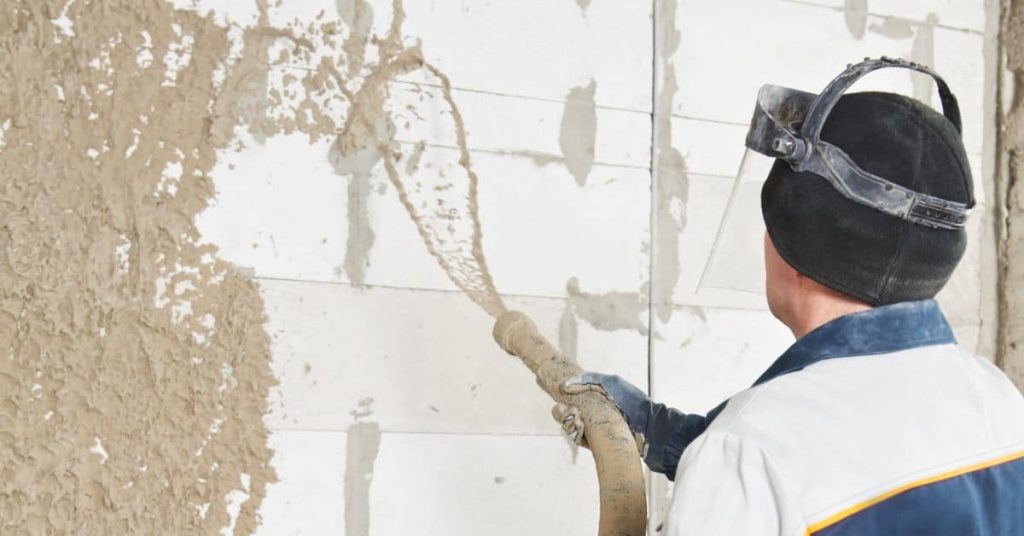
Worker spraying stucco on exterior wall

Cold-weather stucco patching: cure protection and when ‘it’ll be fine’ isn’t true

Introduction Cold-weather stucco patching is repairing damaged stucco surfaces during cold temperatures while ensuring the patch cures properly. This guide explains why curing conditions matter and how to set up the patch so it can harden without cracking. You’ll find practical, hands-on steps for a DIY approach. Cure protection means controlling moisture, warmth, and shelter

Cold-weather stucco patching: cure protection and when ‘it’ll be fine’ isn’t true Read More »

Hand scraping delaminated stucco from wall with scraper

Stucco delamination from paint layers: how to test adhesion before you repaint

Introduction Delamination in stucco paint means the coating is no longer firmly attached to the underlying surface. Testing adhesion before repainting shows whether the surface is ready to be prepped and primed. A quick check helps you plan the cleaning, scraping, and sealing steps. To test adhesion, use a simple peel or lift test on

Stucco delamination from paint layers: how to test adhesion before you repaint Read More »