Search Results for: 120 mortar

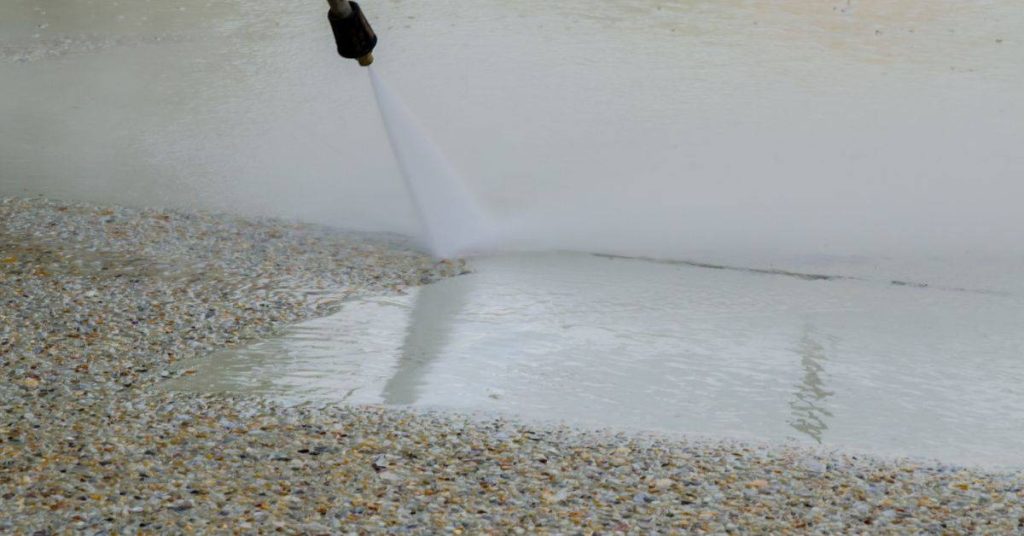
pressure washer cleaning exposed aggregate concrete surface

Concrete Countertop Mix Design for DIY: Step-by-Step Timeline and Duration Guide

Introduction Planning a concrete countertop project involves careful timing to ensure the best results. From mix design to curing, each step takes specific time commitments. This guide walks you through the timeline and duration of key processes, helping you plan your DIY project efficiently. Let’s dive into the step-by-step timeline, so you know exactly what […]

Concrete Countertop Mix Design for DIY: Step-by-Step Timeline and Duration Guide Read More »

Closeup of a cracked white stucco wall surface

Choosing Elastomeric Coatings for Stucco: When They Help and When They Trap Moisture

Introduction Elastomeric coatings are thick, flexible paint-like products designed to bridge small cracks in stucco and shed water, but they work only when the wall is dry, well-prepared, and compatible with the substrate. Think of them as a weatherproof skin that can help stop rain infiltration on sound stucco but can trap moisture if applied

Choosing Elastomeric Coatings for Stucco: When They Help and When They Trap Moisture Read More »

close-up of weathered pink stucco wall with some peeling

Fog Coating Stucco Explained: When a Thin Coat Beats a Full Repaint

Introduction Fog coating stucco is a very thin skim of paint-like material applied over existing stucco to even out color and hide minor texture issues without stripping and redoing the whole surface. Think of it as a light cosmetic refresh rather than a full repaint or re-stucco, useful when the substrate is sound but tired-looking.

Fog Coating Stucco Explained: When a Thin Coat Beats a Full Repaint Read More »

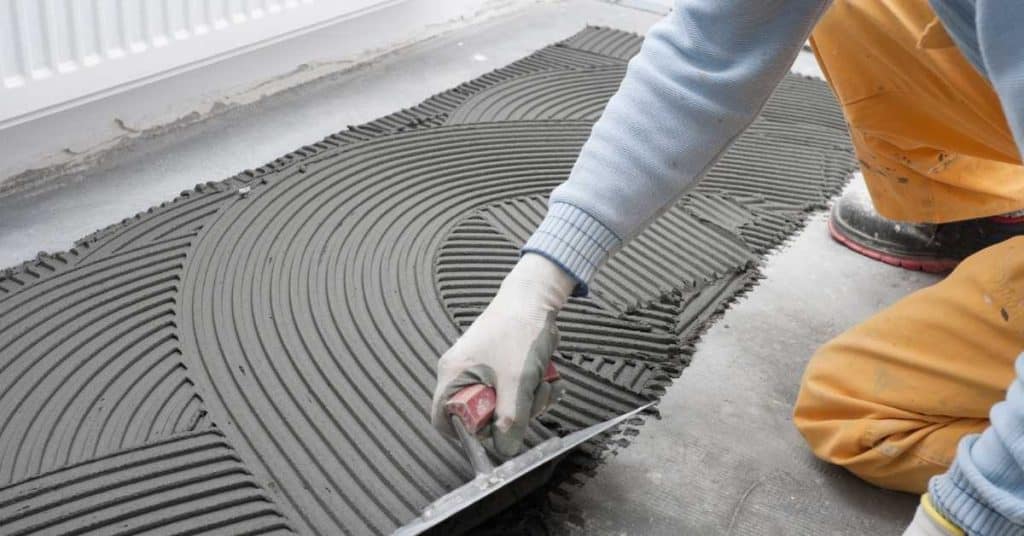
Person spreads thinset using a notched trowel, creating circular ridges.

Tile Leveling Systems Mistakes: When Clips Cause Lippage, Hollow Spots, or Wasted Time

Introduction Tile leveling systems are tools meant to hold tiles flat during setting, but when used wrong the clips and wedges can create lippage, hollow spots, or waste time. In plain terms: wrong clip placement, uneven mortar, or over-tightening are the usual culprits. This piece tells you what to watch for and how to think

Tile Leveling Systems Mistakes: When Clips Cause Lippage, Hollow Spots, or Wasted Time Read More »

Interior walls with unfinished drywall and visible joint compound

How to Finish Drywall Over OSB/Sheathing Interior Walls (Adhesion and Joint Strategy)

Introduction Finishing drywall over OSB means applying drywall to bare OSB sheathing with proper bonding, taping, and joint methods. Before you start, confirm the OSB is clean, dry, and reasonably flat and plan how you’ll attach the drywall. This approach centers on solid adhesion and clean joints without compromising the panel. Use the methods and

How to Finish Drywall Over OSB/Sheathing Interior Walls (Adhesion and Joint Strategy) Read More »

Drywall panels with taped and mudded joints in unfinished room

Drywall Butt Joint ‘Humps’: Prevention With Back-Blocking and Repair Options

Introduction A drywall butt joint hump is an uneven bump along a seam where two panels meet. It happens when compaction or framing flex creates a little bulge that catches the eye. This article covers how back-blocking and simple repair steps can keep seams flat. Back-blocking involves inserting solid material behind the joint to help

Drywall Butt Joint ‘Humps’: Prevention With Back-Blocking and Repair Options Read More »

Worker applying plaster with trowel on wall corner

Plaster Over Painted Concrete Block: Bonding Agent Choices and Keying Techniques

Introduction Plaster over painted concrete block means applying plaster to a surface that has paint, using a bonding agent and surface keying to make the plaster stick. You’ll want a bonding agent that’s compatible with both the paint and the plaster mix you plan to use. Keying techniques involve scuffing or abrading the paint and

Plaster Over Painted Concrete Block: Bonding Agent Choices and Keying Techniques Read More »

Close-up of rough stucco dash finish texture surface

Stucco Texture Blending 101: How to Hide a Patch in Sand Float, Dash, and Lace Finishes

Introduction Stucco texture blending is the art of disguising a repair by matching texture and sheen under common finishes like sand float, dash, and lace. Treat the patch as a small project inside the bigger wall, plan to feather edges and adjust trowel pressure. Start by inspecting the surrounding texture and choosing a blending technique

Stucco Texture Blending 101: How to Hide a Patch in Sand Float, Dash, and Lace Finishes Read More »

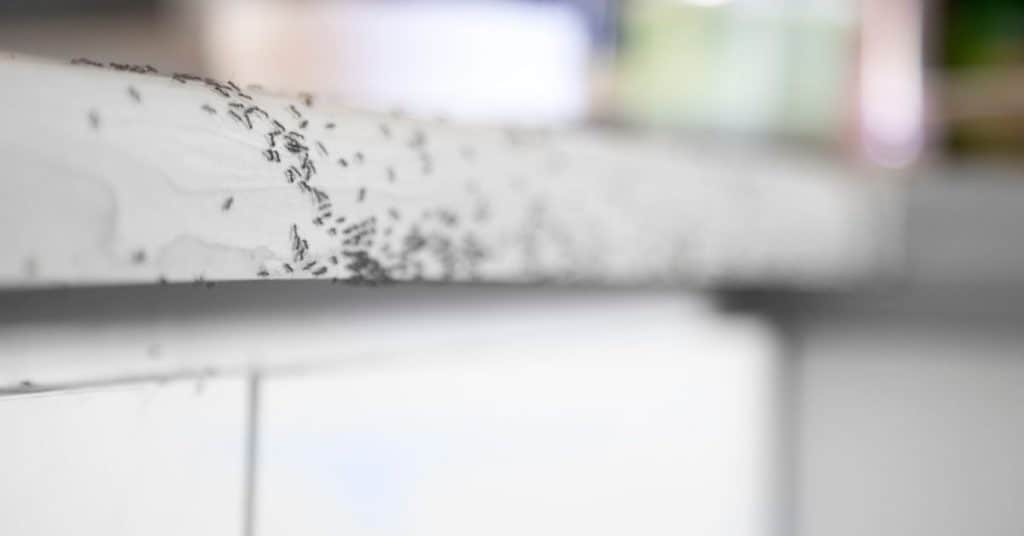
Ants marching along a white kitchen countertop edge

Concrete Countertop ‘Ghosting’ From Rebar or Mesh: Prevention and Fix Options

Introduction Ghosting on concrete countertops means the imprint or shadow of rebar or mesh showing through the surface. It usually happens when the reinforcement sits too close to the surface or moves during the pour. To avoid it, confirm your reinforcement is properly located in the forms with enough cover and secured before the mix

Concrete Countertop ‘Ghosting’ From Rebar or Mesh: Prevention and Fix Options Read More »