Search Results for: 10 INCH ROUND CONCRETE

white plaster wall with uneven textured surface

Venetian Plaster Over Existing Texture: When to Skim, When to Sand, and When to Remove

Introduction Venetian plaster over existing textured walls means deciding whether to skim, sand, or remove that texture so the final finish looks smooth and bonds properly. In plain jobsite terms: skim if the texture is shallow and solid, sand if it’s flaky or slightly high, and remove if it’s loose, highly uneven, or has adhesion […]

Venetian Plaster Over Existing Texture: When to Skim, When to Sand, and When to Remove Read More »
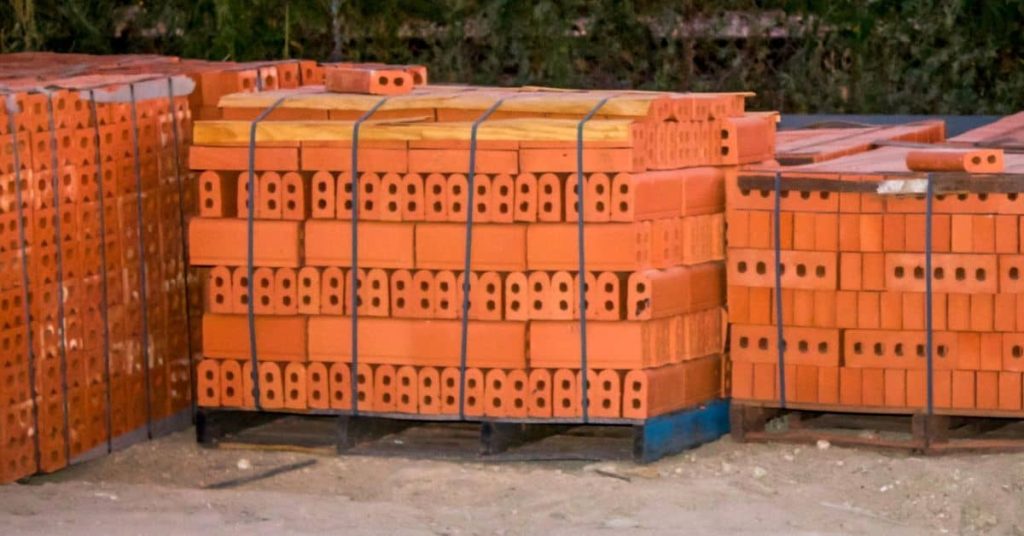
Stacks of orange hollow clay bricks on wooden pallets

Roman Clay Maintenance: Spot Repair, Re-Seal, and How to Avoid Shiny Patches

Introduction Roman Clay maintenance means keeping the finish patched, resealed, and matte where you want it, not shiny where you don’t — spot repairs and the right re-seal process fix most problems. This is a hands-on job: check the product label and manufacturer’s instructions for compatible patch mixes and sealers before you start. Expect to

Roman Clay Maintenance: Spot Repair, Re-Seal, and How to Avoid Shiny Patches Read More »

Glossy shiny black epoxy coated floor reflecting light

Polyurea vs Epoxy Floor Coatings: Where Fast Cure Helps and Where It Causes Failure

Introduction Polyurea and epoxy are two different floor coatings: polyurea cures very fast and stays flexible, while epoxy cures slower and tends to be harder and more rigid. For a DIYer that means polyurea can get you back on the floor quickly, but the fast cure also makes surface prep and application less forgiving. Check

Polyurea vs Epoxy Floor Coatings: Where Fast Cure Helps and Where It Causes Failure Read More »

Spiked roller tool on wet floor coating surface

Polyaspartic Floor Coatings for DIY: Working Time, Odor, and Surface Prep Requirements

Introduction Polyaspartic floor coatings are fast-curing two-part coatings used to protect and finish concrete, and for a DIYer that means short working time, noticeable odor, and careful surface prep. Think like a tradesperson: plan your mixing and application in short, deliberate steps and check the product label for working time, recommended respirators, and substrate requirements.

Polyaspartic Floor Coatings for DIY: Working Time, Odor, and Surface Prep Requirements Read More »

Thick yellow paint strokes on a white surface

Mineral Paint vs Acrylic on Masonry: Breathability, Washability, and Best Use Cases

Introduction Mineral paint is a thin, breathable coating made from mineral binders that soaks into masonry while acrylic is a film-forming paint that sits on the surface and sheds water. For DIY use, think mineral paint where you need vapor permeability and historical compatibility, and acrylic where you need tougher washability and abrasion resistance. Check

Mineral Paint vs Acrylic on Masonry: Breathability, Washability, and Best Use Cases Read More »

Hand wearing glove spraying paint with airgun spray gun

Sprayer Filters and Strainers: The Hidden Cause of Spitting, Clogs, and Orange Peel

Introduction Sprayer filters and strainers are the small screens and inline pieces that catch debris before it gets to your nozzle and cause spitting, clogs, and orange peel. In practical terms, they’re often the hidden troublemaker when a sprayer stops spraying smoothly. Check the product label or manufacturer instructions for the filter mesh size and

Sprayer Filters and Strainers: The Hidden Cause of Spitting, Clogs, and Orange Peel Read More »

Blueprints with paint tools level tape measure and paintbrush

Airless Spray Tip Sizes Explained: Matching Tip, Pressure, and Paint for Clean Fan Patterns

Introduction Airless spray tip sizes are the matching of tip orifice, pump pressure, and paint thickness to produce a clean fan pattern for the job. In plain terms, pick a tip that can pass your paint at a pressure the sprayer can deliver, and test on scrap to confirm the fan is even and free

Airless Spray Tip Sizes Explained: Matching Tip, Pressure, and Paint for Clean Fan Patterns Read More »

Person painting interior wall with roller

Painting Over Chalkboard Paint: Bonding and How to Stop ‘Ghosting’

Introduction Painting over chalkboard paint means getting new paint to stick and look even without the old writing ghosting through; it requires cleaning, proper priming, and the right topcoat. In practice that means remove chalk residue, test adhesion, and choose a primer compatible with both the chalkboard surface and your finish. If you’re unsure which

Painting Over Chalkboard Paint: Bonding and How to Stop ‘Ghosting’ Read More »

Hand painting metal structure with red paint roller

Painting Behind Radiators: Tools, Edge Control, and Heat-Cycle Considerations

Introduction Painting behind radiators means prepping a tight, hot-prone area so paint adheres and edges stay clean while you work around pipes and fins. It’s a hands-on job of turning off heat, protecting floors and fins, and using the right tools and edge control to reach back surfaces without making a mess. Check paint and

Painting Behind Radiators: Tools, Edge Control, and Heat-Cycle Considerations Read More »