Search Results for: 10 INCH ROUND CONCRETE

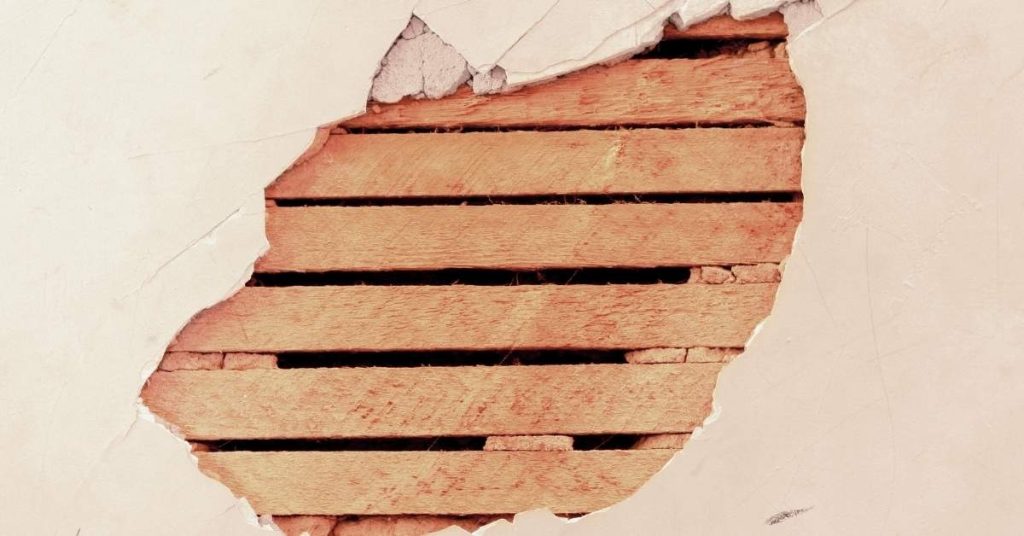
Wooden lath exposed through broken plaster wall

Plaster Key Failure on Wood Lath: Diagnosing, Re-Keying, and When to Add Mesh

Introduction Plaster key failure on wood lath happens when the plaster pulls away from or loses grip on the lath, leaving loose or hollow areas that will crack or fall out. This write-up shows practical ways to diagnose where keys failed, how to re-key small patches, and when adding mesh or repairing lath is the […]

Plaster Key Failure on Wood Lath: Diagnosing, Re-Keying, and When to Add Mesh Read More »
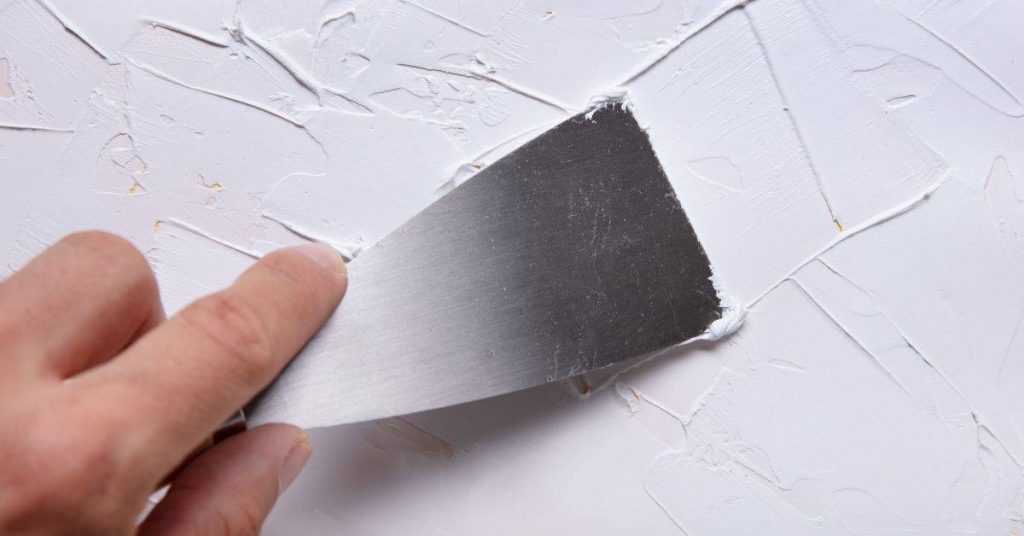
Hand applying white plaster with putty knife

How to Choose Lime Putty vs Hydrated Lime for Plaster: Workability and Strength Differences

Introduction Lime putty is hydrated lime that has been slaked and aged into a smooth, creamy paste, while hydrated lime (powder) is the dry product you mix on site; putty gives a softer, more workable mortar and powder is quicker to store and use. For a DIY plaster job, choose putty when you want long

How to Choose Lime Putty vs Hydrated Lime for Plaster: Workability and Strength Differences Read More »

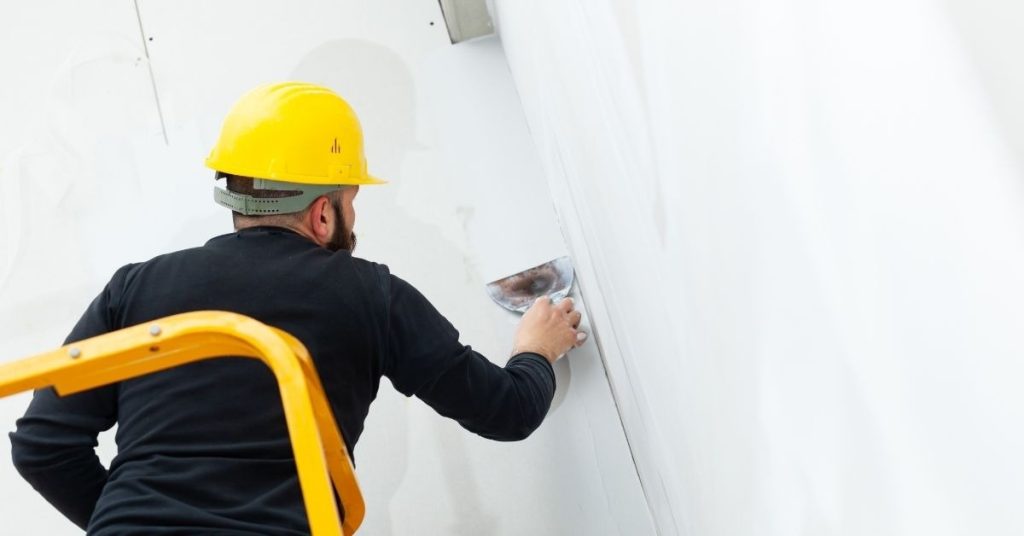
Worker wearing yellow helmet applying plaster to wall

Lime Plaster Base Coats: Sand Selection, Hair Reinforcement, and Shrink Control

Introduction Lime plaster base coats are the first thick layer of lime-rich render that provides a key substrate for finish coats and helps control moisture and movement. For DIY work that means picking clean, well-graded sand suited to lime, keeping hair or fiber reinforcement evenly distributed to bridge shrinkage, and using mixing proportions recommended by

Lime Plaster Base Coats: Sand Selection, Hair Reinforcement, and Shrink Control Read More »

Worker applying stucco around windows with protective coverings

Stucco at Window Sills: Drip Edges, End Dams, and How to Stop Staining Below

Introduction Stucco at window sills is the way the exterior plaster and the window flashing work together to shed water away from the opening; a proper setup keeps water off the wall below and prevents staining. In practice that means installing a flashinged sill, a drip edge or kerf, and end dams where the stucco

Stucco at Window Sills: Drip Edges, End Dams, and How to Stop Staining Below Read More »

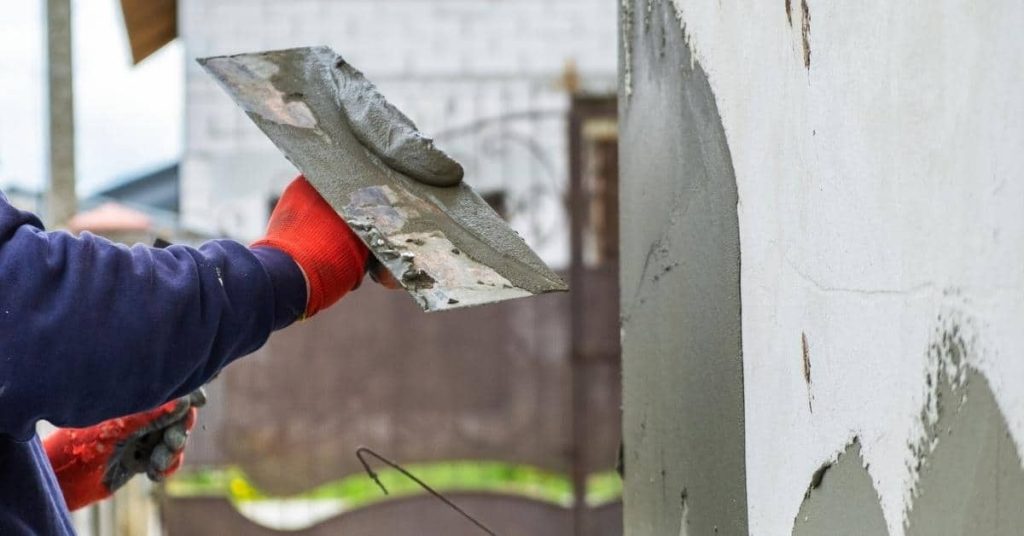
Worker applying stucco to exterior wall with trowel

Galvanic Corrosion at Stucco Accessories: Why Beads Rust and How to Stop Repeat Staining

Introduction Galvanic corrosion is a common issue that affects stucco accessories, particularly metal beads and trims. This process causes rust stains on your otherwise pristine exterior, marring its appearance and potentially leading to more serious damage over time. The good news? Understanding the cause of this problem can help you prevent it from happening again.

Galvanic Corrosion at Stucco Accessories: Why Beads Rust and How to Stop Repeat Staining Read More »

Hand holding spray gun applying paint in mist

HVLP vs Airless vs Conventional Sprayers: Picking the Right System for DIY Durability

Introduction HVLP, airless, and conventional sprayers are three different ways to apply paint or finish, each defined by how they break up and deliver the material to the surface. Pick HVLP when you want low overspray and fine control, airless for fast coverage and thicker materials, and conventional if you need a middle ground with

HVLP vs Airless vs Conventional Sprayers: Picking the Right System for DIY Durability Read More »

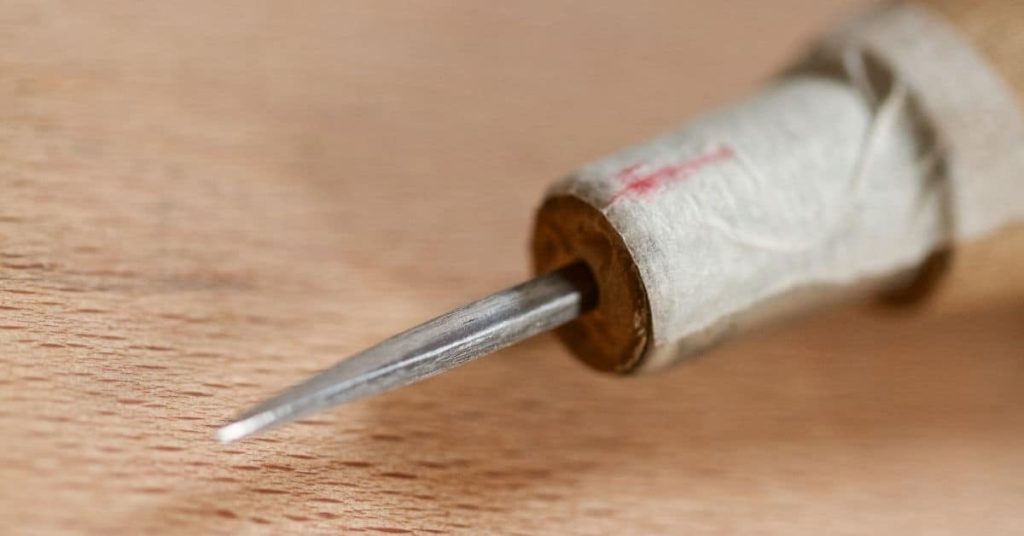
Close up of a pointed metal scratch tool tip wrapped in paper

Plaster Undercoats on CMU: Scratch Keys, Moisture Control, and Cure Timing

Introduction Plaster undercoats on CMU are the first bonded layers of cement or gypsum-based material applied to concrete masonry units to create a flat, sound surface for finish coats. They include types like cementitious scratch coats and bonding or leveling coats; check the product label and manufacturer instructions to pick the right one for your

Plaster Undercoats on CMU: Scratch Keys, Moisture Control, and Cure Timing Read More »

Close-up of textured lime plaster wall surface

Casein Paint Compatibility With Lime Plaster: Prep Steps That Prevent Flaking

Introduction Casein paint is a milk-protein–based paint and lime plaster is a breathable, alkaline render; used together they can work but only with the right prep because lime’s high alkalinity and porosity can make paints fail. In plain terms: casein can bond to lime if the plaster is clean, stable, and its surface chemistry is

Casein Paint Compatibility With Lime Plaster: Prep Steps That Prevent Flaking Read More »

Man smoothing plaster on wall with float tool

How to Get Dead-Flat Plaster Walls: Straightedge Checks and Build-Up Strategy

Introduction Getting dead-flat plaster walls means using straightedge checks and a stepwise build-up of layers until any high or low spots are leveled out. It’s a practical process of finding the worst deviations, feathering in material, and rechecking with a straightedge until the surface reads flat to the eye and tool. Expect to use joint

How to Get Dead-Flat Plaster Walls: Straightedge Checks and Build-Up Strategy Read More »

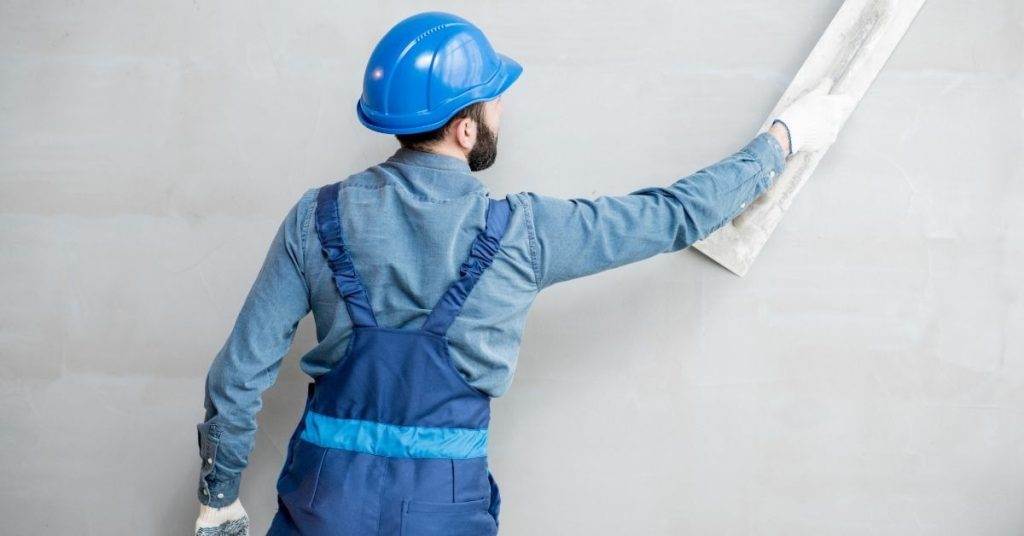
Construction worker smoothing plaster on wall wearing blue helmet

Repairing Polished Plaster Chips: Patch Blending Without Visible ‘Halos’

Introduction Repairing polished plaster chips means filling and feathering the damaged area so the patch matches surrounding sheen and texture without a visible ring. Start by cleaning and undercutting loose edges, use compatible repair material, and build thin layers that are troweled and polished to blend into the existing finish. Check product labels and manufacturer

Repairing Polished Plaster Chips: Patch Blending Without Visible ‘Halos’ Read More »