Search Results for: 10 INCH ROUND CONCRETE

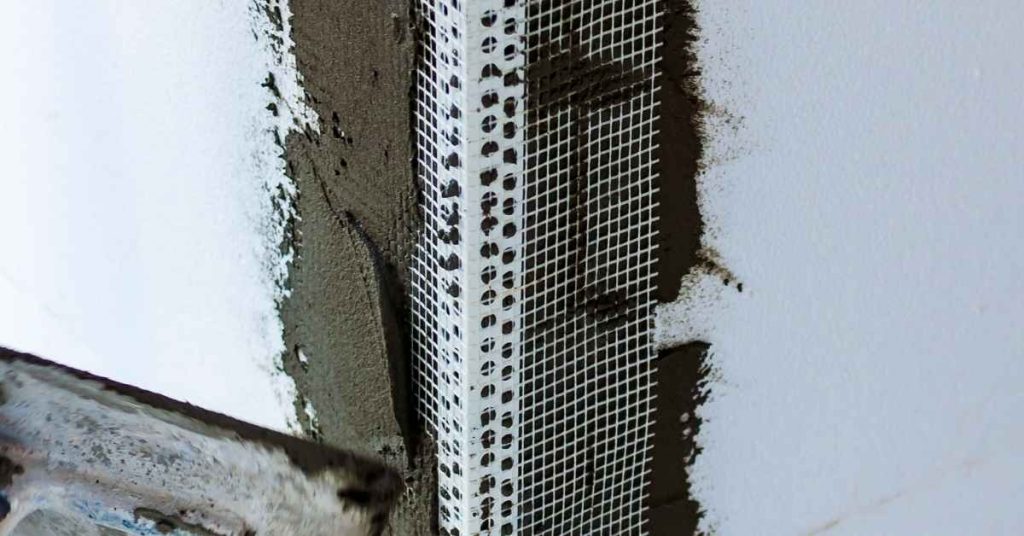
White mesh embedded in wet stucco on white wall surface

Stucco Over ICF Walls: Mesh, Fasteners, and Crack Control at Openings

Introduction Stucco over ICF walls means applying a cement-based veneer to insulated concrete forms using a proper weather-resistive layer, reinforcement mesh, and secure fasteners so the finish sticks and moves with the wall. This job needs the right mesh type, fastener method, and detailing at windows and doors to control cracking; check the stucco manufacturer’s […]

Stucco Over ICF Walls: Mesh, Fasteners, and Crack Control at Openings Read More »
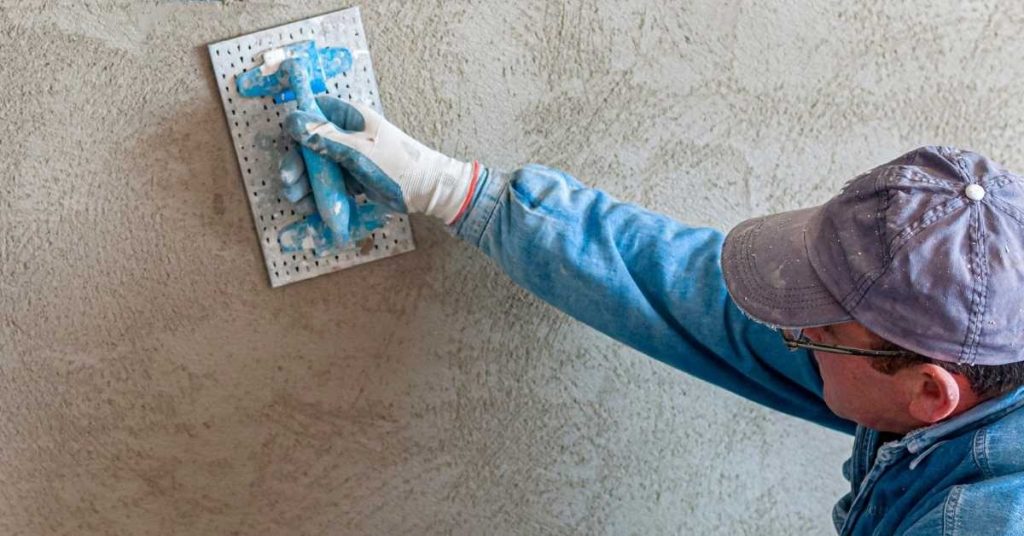
Worker smoothing fresh stucco on wall with trowel

Stucco Moisture Meter Readings Explained: When High Numbers Matter and When They Don’t

Introduction Stucco moisture meter readings are simply numbers that tell you how much moisture a meter senses in the wall material and whether that moisture might need attention. Think of the reading as one piece of a hands-on inspection—compare it to what you see on the surface and to any invasive checks before deciding if

Stucco Moisture Meter Readings Explained: When High Numbers Matter and When They Don’t Read More »

Close-up of blue stucco wall texture

Diagnosing Moisture Behind Stucco: Basic Probe Holes, Borescopes, and What to Look For

Introduction Diagnosing moisture behind stucco means checking for where water has crossed the exterior and is wetting the wall assembly; that can be done with basic probe holes, borescopes, and non‑invasive tools to confirm wet areas. Start by looking for staining, soft or sagging finishes, efflorescence, or indoor musty odors that suggest intrusion, and use

Diagnosing Moisture Behind Stucco: Basic Probe Holes, Borescopes, and What to Look For Read More »

Hand marking wall near electronic stud finder device

Stucco Clearance Over Walkways: How to Fix Wicking Without Full Removal

Introduction Stucco clearance over walkways means keeping the bottom edge of an EIFS or stucco finish high enough and detailed so moisture doesn’t wick into the walking surface; in plain terms, it’s about creating a gap and proper flashing so water drains away instead of soaking the path. For DIYers that can mean trimming finish,

Stucco Clearance Over Walkways: How to Fix Wicking Without Full Removal Read More »

Hand applying stucco on brick wall with trowel

Stucco Termination at Brick or Stone: Transition Details That Don’t Crack or Trap Water

Introduction Stucco termination at brick or stone is the method of finishing and sealing the edge where stucco meets masonry so water is kept out and movement doesn’t crack the finish. Do the job with a clear gap for flashing, a solid backstop, and a termination trim that lets water drain; check product labels and

Stucco Termination at Brick or Stone: Transition Details That Don’t Crack or Trap Water Read More »

Hand holding paint roller with rusty orange paint near old paint-splattered ladder

Clay Plaster Pigments: Color Mixing, Mottling Control, and How to Test Panels

Introduction Clay plaster pigments are natural earths and oxides mixed into clay-rich binders to tint finishes, and color control comes down to careful mixing, testing, and understanding how clay and additives shift hue and value. For DIY panels, make small test boards, try layered thin coats, and note drying color versus wet—check product labels and

Clay Plaster Pigments: Color Mixing, Mottling Control, and How to Test Panels Read More »

Worker smoothing plaster on a wall wearing blue uniform and helmet

Clay Plaster in Bathrooms: Where It Works, Where It Fails, and Safe Sealing Options

Introduction Clay plaster in bathrooms is an earthen wall finish that can work well in low-splash, well-ventilated areas but is not inherently waterproof. It handles humidity better than some gypsum finishes and gives a warm, tactile surface, though you need to check product instructions and local building rules before using it near showers or tubs.

Clay Plaster in Bathrooms: Where It Works, Where It Fails, and Safe Sealing Options Read More »

Gray Venetian plaster wall texture with subtle irregular patterns

Plaster in Kitchens: Grease Contamination Tests and Primer Choices Before Painting

Introduction Plaster in kitchens means checking for grease contamination and choosing the right primer before you paint to ensure the finish sticks and cleans up later. I’ll walk you through quick, practical grease tests you can do with household items and what to look for so you know when surface conditioning is needed. This is

Plaster in Kitchens: Grease Contamination Tests and Primer Choices Before Painting Read More »

Worker applying plaster with trowel over cement board

Plaster Over Cement Board: Bonding Agents and Scratch Patterns That Hold

Introduction Plaster over cement board means using the right bond coat and a keyed scratch surface so the plaster mechanically and chemically adheres to the board. In plain jobsite terms: use a compatible bonding agent or cement-based scratch coat, make a consistent scratch pattern so the plaster keys, and follow product label instructions for mixing

Plaster Over Cement Board: Bonding Agents and Scratch Patterns That Hold Read More »

Hand applying plaster to wall with trowel

Veneer Plaster Repairs: Feathering, Timing, and Avoiding Hollow Spots

Introduction Veneer plaster repairs are the process of fixing damaged plaster by feathering new material into the old so the wall looks continuous and solid. This means assessing whether the existing veneer is well-bonded, cleaning and wetting the surface, and choosing a compatible patching mix and bonding method. I’ll focus on practical steps you can

Veneer Plaster Repairs: Feathering, Timing, and Avoiding Hollow Spots Read More »