Search Results for: 10 INCH ROUND CONCRETE

Close up of a concrete core drilled hole with wet slurry and orange pipe

Epoxy Setting Rebar Dowels: Hole Size, Cleaning, and Cure Time Basics

Introduction Epoxy setting rebar dowels are epoxy-anchored steel rods installed into concrete to transfer load. Getting the hole size, cleaning, and cure time right is a hands-on, DIY task you can manage with common tools. Check the manufacturer instructions for exact hole diameters, cleaning steps, and cure-time guidance. Hole size requirements vary by product, so […]

Epoxy Setting Rebar Dowels: Hole Size, Cleaning, and Cure Time Basics Read More »
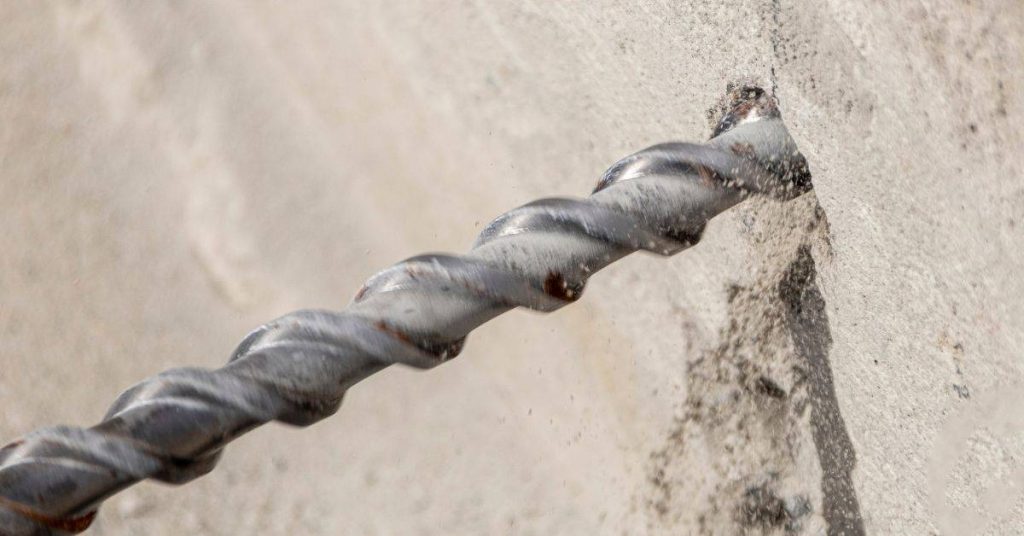
Close up of drill bit penetrating concrete surface

Drilling Rebar Dowels: How Deep to Go and How to Avoid Blowouts

Introduction Drilling rebar dowels is the process of making a hole that the steel bar can sit in securely. Key takeaways Verify embedment depth per plans and code requirements before drilling. Choose drill bits matching hole diameter and concrete hardness per label. Drill slowly with steady pressure to reduce blowouts and surface spalling risk. Clean

Drilling Rebar Dowels: How Deep to Go and How to Avoid Blowouts Read More »

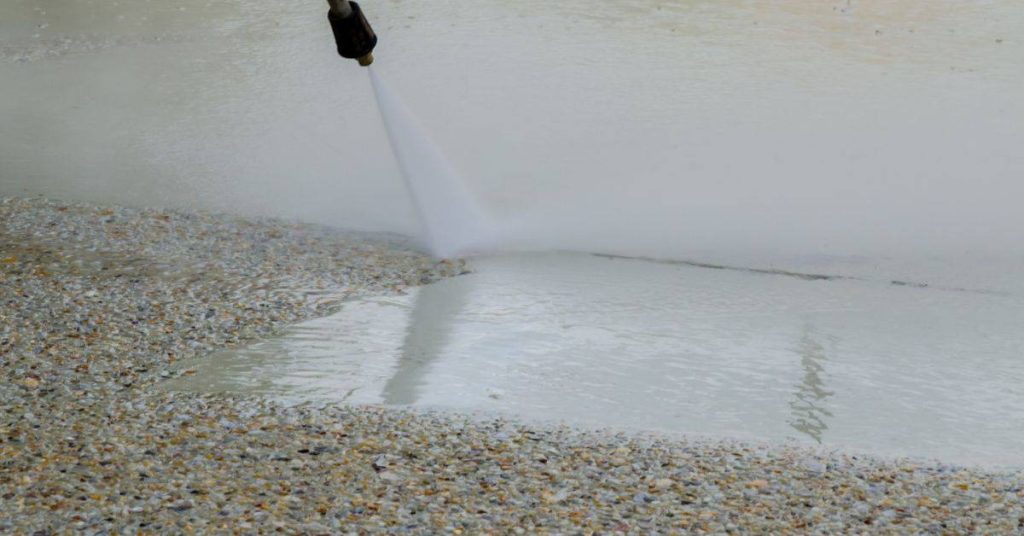
Pressure washing exposed aggregate concrete surface

Exposed Aggregate Finish: Timing, Washing, and Sealing for Long-Term Durability

Introduction Exposed aggregate finish is when you reveal the decorative rocks in fresh concrete by washing away the surface grout at the right time. Plan the pour with your exposure goal in mind, and monitor the surface as it firms so you can decide when to start washing. Have a clear sequence for washing, exposing

Exposed Aggregate Finish: Timing, Washing, and Sealing for Long-Term Durability Read More »

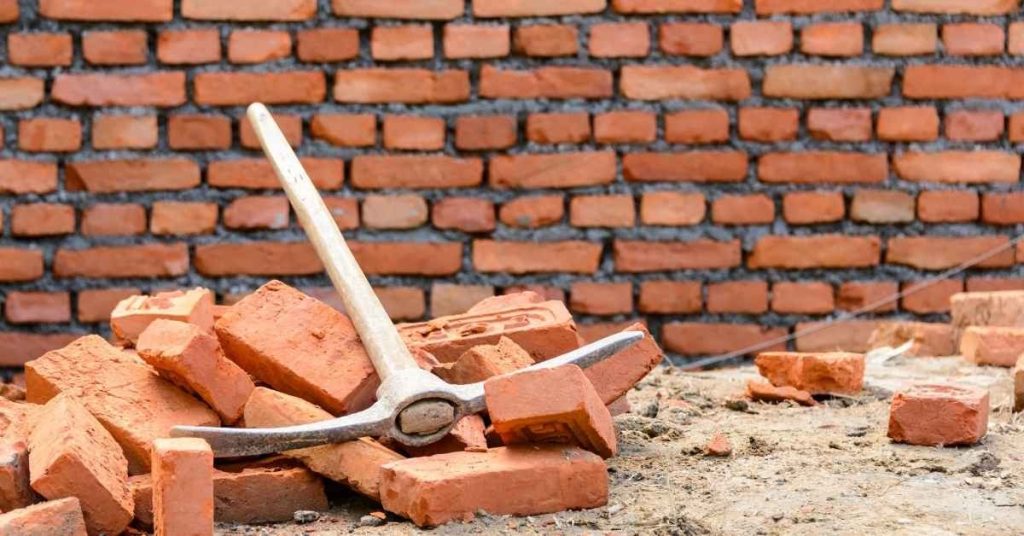
Pile of red bricks with a pickaxe resting on top

Efflorescence on Brick and Block: Removal Methods That Don’t Make It Worse

Introduction Efflorescence is the white, powdery deposit that forms on brick or block when water brings soluble salts to the surface. This article explains simple removal methods that avoid making it worse. You’ll get practical, hands-on steps you can do yourself without fancy tools. Start with the easiest, low-risk approach and test a small area

Efflorescence on Brick and Block: Removal Methods That Don’t Make It Worse Read More »

Closeup of red brick wall with mortar joints

Type N vs Type S Mortar: Which One to Use for Block, Brick, and Stone

Introduction Type N mortar is a medium-strength masonry mix used for general-purpose joints. It balances workability with enough strength for blocks, bricks, and stone in typical home projects. Check the product label and local requirements to confirm it fits your wall type and curing needs. Type S mortar is a higher-strength option that resists higher

Type N vs Type S Mortar: Which One to Use for Block, Brick, and Stone Read More »

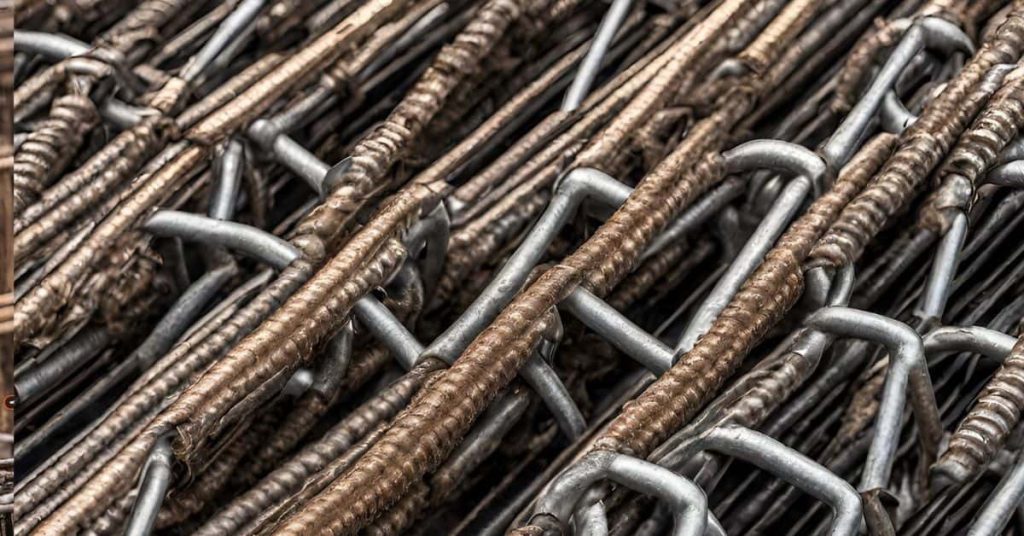
Close-up of galvanized steel rebar bundles tied with metal wires

Galvanized Rebar: Pros, Cons, and Compatibility with Repair Mortars

Introduction Galvanized rebar is steel reinforcing bar coated with zinc to resist rust. In DIY projects, that coating matters for longevity in moist concrete, but you still need to follow local rules and manufacturer guidance. When you’re tying it into repair work, consider how the galvanized surface will interact with repair mortars and what to

Galvanized Rebar: Pros, Cons, and Compatibility with Repair Mortars Read More »

Worker pouring concrete over steel rebar grid footing

Rebar Lap Splices: Simple Rules to Avoid Short Laps in DIY Footings

Introduction A rebar lap splice is the overlapping of two reinforcing bars to transfer load from one bar to the next. In footings, this overlap helps continue the reinforcement where bars end. Check local rules and manufacturer guidance for any required overlap length or placement specifics. Make sure you place bars with proper alignment and

Rebar Lap Splices: Simple Rules to Avoid Short Laps in DIY Footings Read More »

Two black rectangular planters with green plants outside white house

Ferrocement Planters and Thin Structures: Mesh Layout, Mortar Mix, and Curing

Introduction Ferrocement is a thin, reinforced cement mortar system that uses mesh and a cementitious mix to build lightweight, curved shells like planters. It relies on multiple coats and a strong mesh lattice to hold shape and resist cracking. It’s a hands-on technique that you can adapt for small DIY projects, with attention to formwork

Ferrocement Planters and Thin Structures: Mesh Layout, Mortar Mix, and Curing Read More »