Search Results for: 10 INCH ROUND CONCRETE

Person wearing dusty work boots standing on exposed wooden floor joists

Polyaspartic That Sets Too Fast: Staging Your Work to Avoid Lap Marks

Introduction When a polyaspartic coating sets too fast, you lose time to blend edges and fix lap marks. Staging your work means breaking the job into smaller batches so you can maintain a wet edge and avoid visible seams. This article gives practical, hands-on tips you can apply at the jobsite. Factors like temperature, humidity, […]

Polyaspartic That Sets Too Fast: Staging Your Work to Avoid Lap Marks Read More »
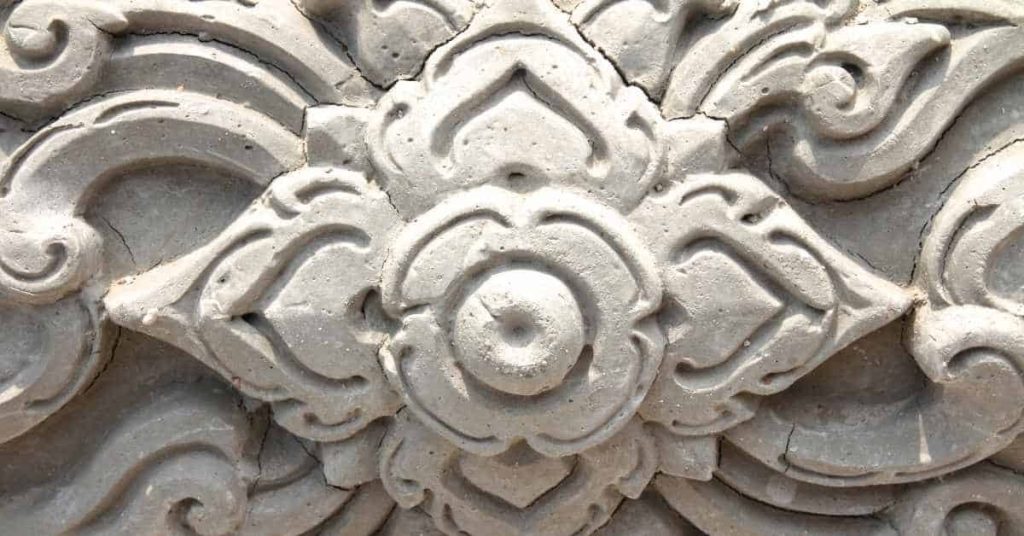
Decorative plaster floral relief with visible cracks

Fixing Plaster Cracks Above Doorways: Stress Relief Cuts and Reinforcement Choices

Introduction Stress-relief cuts and reinforcement help fix plaster cracks above doorways by reducing tension and adding support. I’ll show you how to identify the crack pattern and decide if you need cuts, mesh, or patching compound. This is a hands-on job you can do with common tools, but check your plaster type and any local

Fixing Plaster Cracks Above Doorways: Stress Relief Cuts and Reinforcement Choices Read More »

Man using cordless drill on white wall with woman watching

Using Plaster Washers Correctly: Screw Spacing and How to Avoid Dimpling

Introduction Plaster washers are flat rings that sit under a screw head to spread the load and reduce dimpling in plaster or drywall. They help keep the surface smooth while you fasten material to the wall. Always check the product label and local rules for recommended spacing and installation guidance. In this article we’ll cover

Using Plaster Washers Correctly: Screw Spacing and How to Avoid Dimpling Read More »

Person applying plaster over blue mesh on wall

Clay Plaster Over Plywood: Movement Joints and Mesh Choices That Reduce Cracking

Introduction Clay plaster over plywood is a breathable, clay-based wall finish bonded to a plywood base. If you’re DIYing, expect a more flexible layer that can absorb minor movement without cracking. Plan for movement joints and appropriate reinforcement to guide cracks where you want them. Placement of joints and the right mesh help the plaster

Clay Plaster Over Plywood: Movement Joints and Mesh Choices That Reduce Cracking Read More »

Workers applying fresh stucco to exterior house wall

Limewash on Exterior Stucco: When It Lasts and When It Chalks Off Fast

Introduction Limewash is a breathable coating made from lime putty and water that you apply to exterior stucco. It can darken or chalk as it ages, and how long it lasts depends on weather and how it’s applied. You should check the manufacturer’s guidance and local rules for reapplication and maintenance. On stucco, limewash lets

Limewash on Exterior Stucco: When It Lasts and When It Chalks Off Fast Read More »

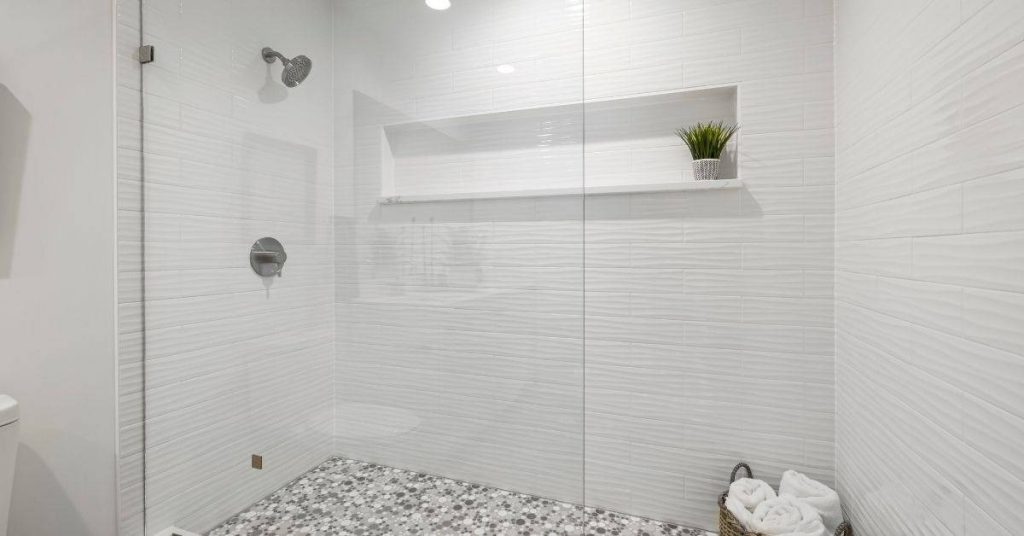
white textured tile shower with niche and glass door

Tadelakt on Shower Niches: Edge Details That Keep Water Out of Transitions

Introduction Tadelakt on shower niches is applying a polished lime-plaster finish to the niche with well-planned edge details to keep water from leaking into transitions. This is a hands-on DIY job, so you’ll be shaping and sealing the edges as you plaster and tile. Focus on edge trim profiles and how they meet the wall

Tadelakt on Shower Niches: Edge Details That Keep Water Out of Transitions Read More »

Paintbrush dipping into open can of blue paint

Paint Storage in Winter: Freezing Damage, Re-Mixing, and When to Toss a Can

Introduction Paint storage in winter means keeping paint properly so it doesn’t separate, freeze, or go bad and knowing when to toss leftovers. Cold conditions can cause damage to the mix or seal, so plan ahead to protect cans and contents. Keep lids tight, store upright, and avoid exposing cans to drafts or extremes. If

Paint Storage in Winter: Freezing Damage, Re-Mixing, and When to Toss a Can Read More »

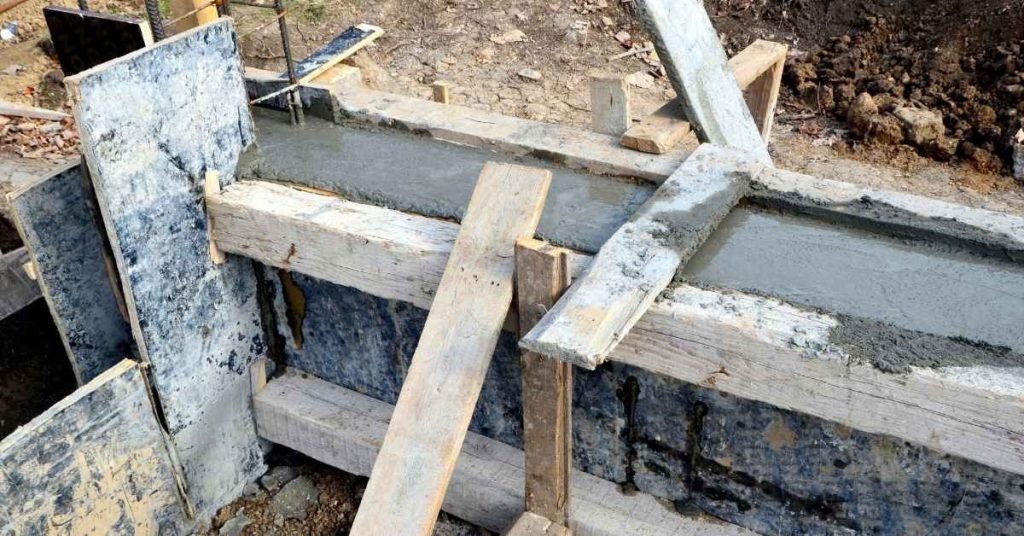
Wooden braces supporting concrete forms during pouring

How to Brace Tall Forms for Hydrostatic Pressure: A Practical DIY Design Check

Introduction Bracing tall forms against hydrostatic pressure means preventing movement and failure by anchoring and tying the forms securely. This introduction walks you through practical checks you can do on site, without heavy jargon or guesswork. Keep the focus on stability, simplicity, and safety as you set up supports. Before you pour, check that your

How to Brace Tall Forms for Hydrostatic Pressure: A Practical DIY Design Check Read More »

fresh concrete partially poured on rough surface

Using Burlap for Wet Curing: How to Keep It Wet Without Staining the Surface

Introduction Burlap can be used to keep concrete moist during curing without staining the surface when applied correctly. This method relies on evenly saturated burlap laid over the fresh pour and kept moist. Check the burlap material and manufacturer guidance for suitability and any surface protection needs. Choose burlap that is plain and untreated, and

Using Burlap for Wet Curing: How to Keep It Wet Without Staining the Surface Read More »