Search Results for: 10 INCH ROUND CONCRETE

Hand pressing foam insulation board against plaster wall

Adding insulation behind plaster: approaches that don’t destroy historic trim

Introduction Adding insulation behind plaster is placing insulation in the wall cavity behind the plaster to improve warmth while preserving historic trim. It aims to balance preservation with better energy use using approaches that keep trim intact. You’ll work with methods that minimize damage to plaster surfaces and trim during installation. Common options for historic […]

Adding insulation behind plaster: approaches that don’t destroy historic trim Read More »

Person holding plaster mold over orange mold container on table

Mold on plaster surfaces: safe cleanup, moisture control, and repaint system choices

Introduction Mold on plaster surfaces is mold growth that appears where moisture is present. Look for discolored patches, texture changes, and a musty smell. This article covers safe cleanup, moisture control, and repaint options. Health effects of mold exposure can vary and may be more serious for some people. Follow safe cleanup practices, wear protection,

Mold on plaster surfaces: safe cleanup, moisture control, and repaint system choices Read More »

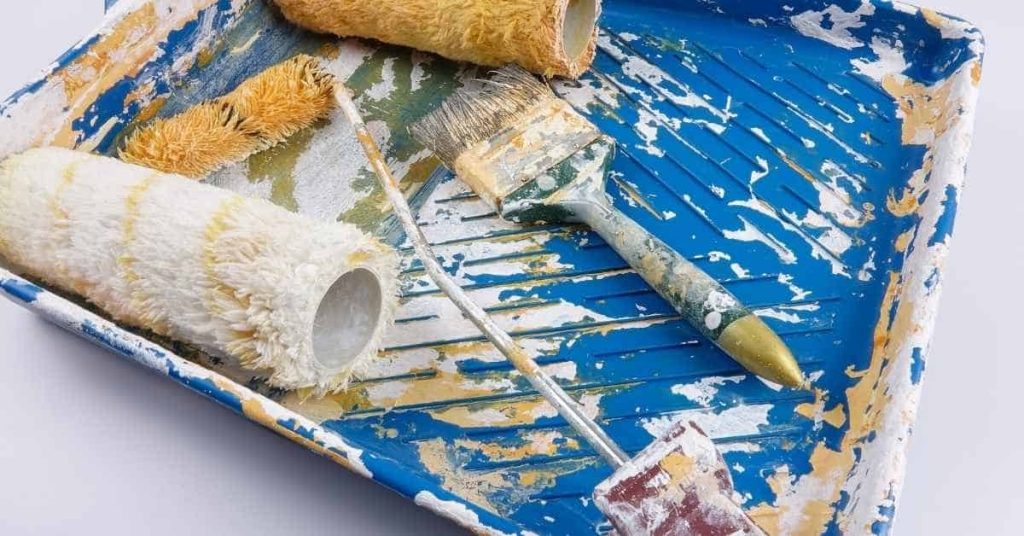
paint tray with rollers and brush covered in paint

Preventing flashing under paint on plaster: primers that lock down porosity changes

Introduction Primers that lock down porosity changes help prevent flashing under paint on plaster by sealing the surface before coating. Proper surface prep and choosing the right primer are crucial steps. Follow the product label and local guidance for preparation and recoat requirements. Assess plaster porosity by a simple, dust‑free test and plan primer accordingly.

Preventing flashing under paint on plaster: primers that lock down porosity changes Read More »

Cordless drill and scattered wood screws on wooden surface

Stabilising small plaster areas over wood lath: when spot washers are enough

Introduction Spot washers can stabilise small plaster areas over wood lath. This article explains a practical, hands‑on approach for assessing and addressing those loose patches. Keep the work simple and focused on local repairs rather than rebuilding whole walls. Evaluate the wall condition first to decide if spot washers alone will hold or if additional

Stabilising small plaster areas over wood lath: when spot washers are enough Read More »

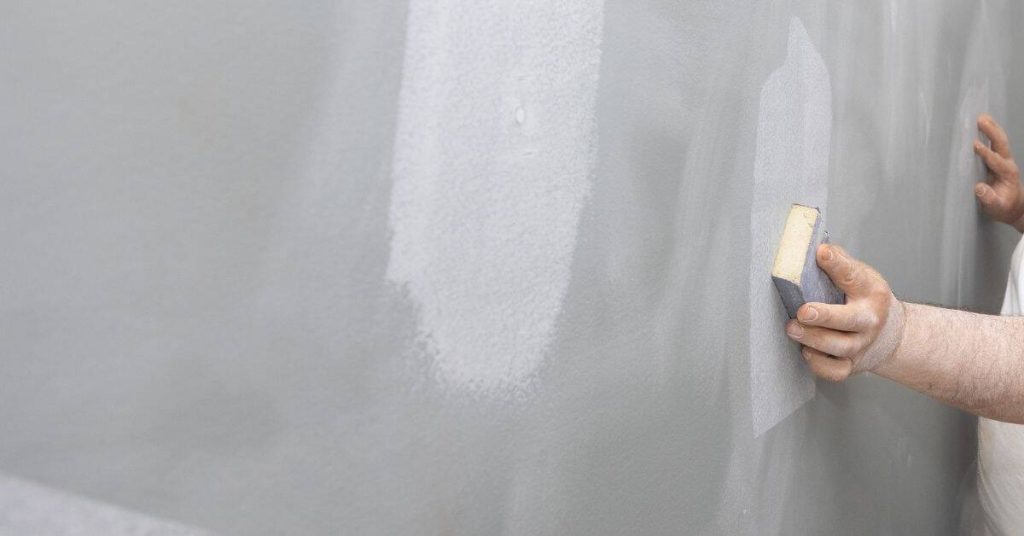
Hand applying sponge to textured plaster wall

Blending textures on old plaster walls: sand grading tricks and sponge timing

Introduction Blending textures on old plaster walls means smoothing uneven surfaces by using sand grading and sponge timing to achieve a cohesive finish. This article focuses on practical, hands-on steps you can follow in a DIY setting. You’ll balance texture retention with a softer final look while it remains within safe expectations for plaster repair.

Blending textures on old plaster walls: sand grading tricks and sponge timing Read More »

Close-up of damaged stucco wall with peeling and exposed underlying surface

Wind-driven rain on stucco walls: drainage details that matter more than thicker coats

Introduction Wind-driven rain on stucco walls is best managed through proper drainage details rather than thicker coats. This article focuses on how flashing, joints, weep screed, and surface slope influence moisture control. A DIY approach works when you follow practical steps and check manufacturer guidance. Myths about EIFS trapping moisture are common, but proper drainage

Wind-driven rain on stucco walls: drainage details that matter more than thicker coats Read More »

Hand scraping delaminated stucco from wall with scraper

Stucco delamination from paint layers: how to test adhesion before you repaint

Introduction Delamination in stucco paint means the coating is no longer firmly attached to the underlying surface. Testing adhesion before repainting shows whether the surface is ready to be prepped and primed. A quick check helps you plan the cleaning, scraping, and sealing steps. To test adhesion, use a simple peel or lift test on

Stucco delamination from paint layers: how to test adhesion before you repaint Read More »

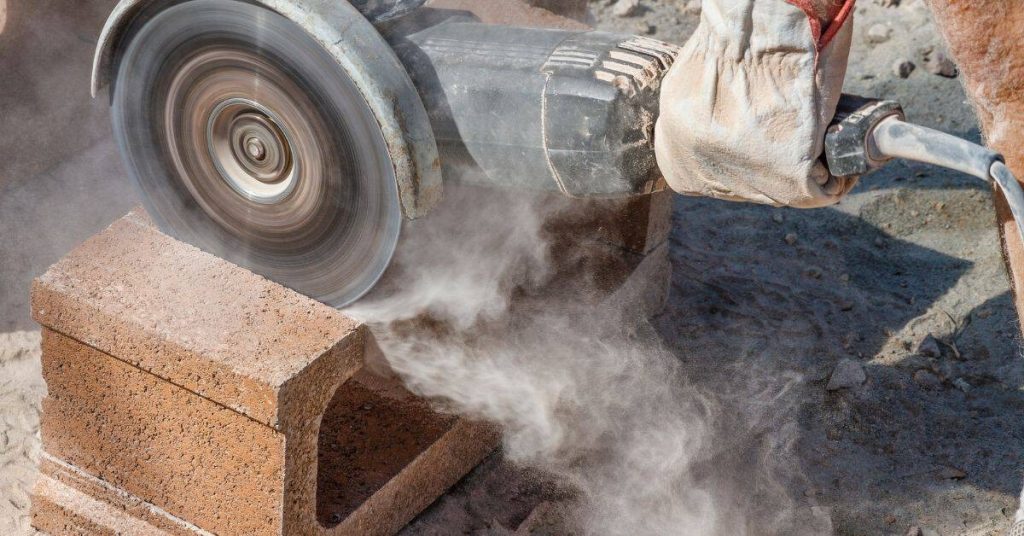
Person cutting cinder block with angle grinder outdoors

Re-sealing old stucco window edges: cutting out bad caulk and reinstalling proper backing

Introduction This is the process of removing deteriorated caulk around a stucco window and replacing it with proper backing and sealant. You will inspect the edge, cut out the old caulk, and prepare the gap for new material. The goal is a clean joint that stops water intrusion and allows for flexible, long-lasting sealing. Next,

Re-sealing old stucco window edges: cutting out bad caulk and reinstalling proper backing Read More »

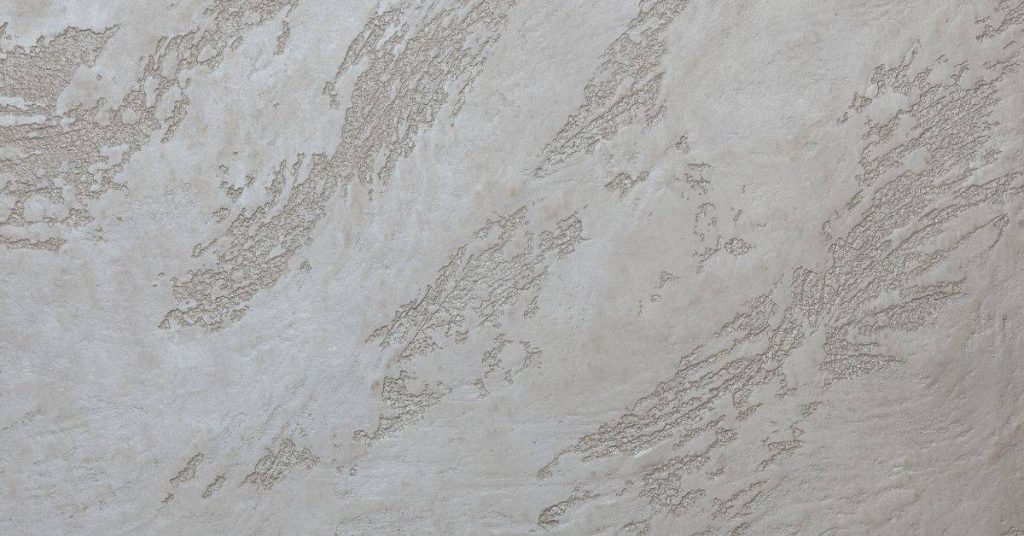
close-up of textured light grey plaster wall finish

Feather finish vs polymer patch: choosing a repair that won’t pop off in winter

Introduction Feather finish is a thin cement skin designed to feather the edges and blend with the surrounding concrete. Polymer patches are thicker repairs that use a polymer-based material to fill and bond, creating a solid patch that can be sanded smooth. In winter, prep is key: make sure the area is clean, dry, and

Feather finish vs polymer patch: choosing a repair that won’t pop off in winter Read More »

black box fan on concrete floor with dark moisture stains on wall and floor

Overlay vs full replacement: a decision guide based on movement, moisture, and thickness

Introduction Overlay vs full replacement is a choice between patching a deck with an overlay or tearing it out and rebuilding, based on movement, moisture, and thickness. For overlays, assess whether the existing concrete can accept an overlay without excessive cracking or movement, and follow manufacturer instructions and local rules. If movement is high or

Overlay vs full replacement: a decision guide based on movement, moisture, and thickness Read More »