Search Results for: 10 INCH ROUND CONCRETE

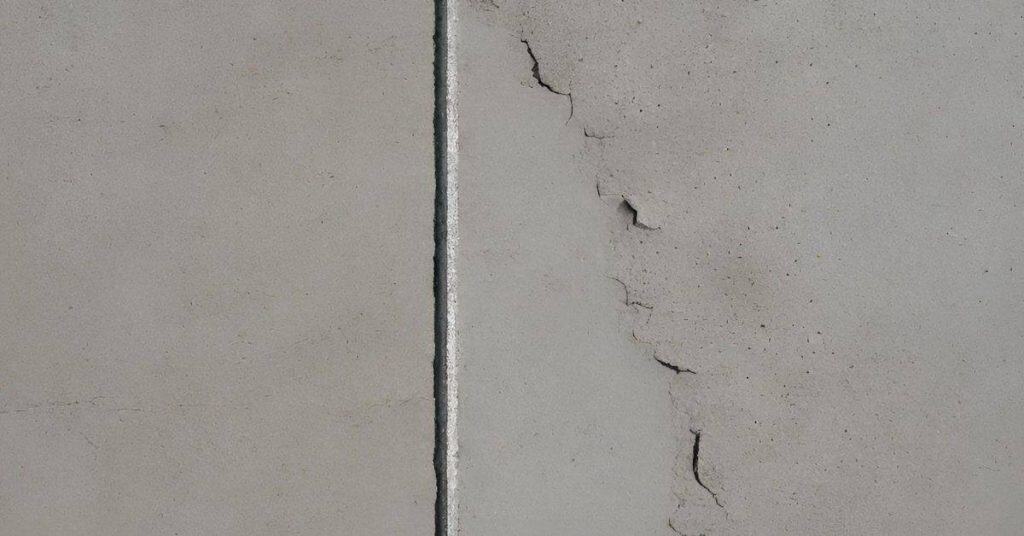
Close-up of concrete slab surface with pitting and rough texture

Concrete Resurfacing That Lasts: Surface Prep and Bonding Rules

Introduction Resurfacing concrete means applying a new layer to the top of an existing slab to refresh its look and functionality. If the slab has deep spalling, wide cracks, or structural problems, you may need replacement instead of a surface coat. Check with a contractor or local guidelines to confirm what your situation needs. Then, […]

Concrete Resurfacing That Lasts: Surface Prep and Bonding Rules Read More »
Concrete wall with visible cracking and peeling surface

Concrete Etching Gone Wrong: How to Neutralize and Recover the Surface

Introduction Concrete etching gone wrong means a surface that has been over-etched or uneven, requiring neutralizing and surface recovery. This intro covers surface preparation before etching, how to apply the corrective solution, and what comes after. Always follow the product label and your local rules for handling chemicals. After etching, neutralize the surface as directed

Concrete Etching Gone Wrong: How to Neutralize and Recover the Surface Read More »

Stacked precast concrete hollow core slabs on dirt ground

Concrete Crazing vs Cracking: How to Tell the Difference on New Slabs

Introduction Crazing is a fine, spiderweb-like network of tiny surface cracks on a new slab. Cracking refers to larger, more obvious breaks that can run through the slab. They behave differently in the field and require different checks. Crazing is usually tied to rapid surface drying, finishing practices, or the way the surface was treated,

Concrete Crazing vs Cracking: How to Tell the Difference on New Slabs Read More »

polished concrete floor with large glass window and ocean view

Concrete Blisters and Delamination: How to Avoid a Weak Top Layer

Introduction Blisters and delamination are weak, separated patches on the top layer of cured concrete. They happen when moisture, trapped air, or improper finishing create gaps under the surface. As a DIYer, you want to catch the signs early and fix the surface before it gets worse. Signs include raised areas, hollow sounds when tapped,

Concrete Blisters and Delamination: How to Avoid a Weak Top Layer Read More »

Person painting interior wall with roller near ceiling

Interior Paint Prep: 10 Simple Steps for Better Adhesion and Fewer Flaws

Introduction Interior paint prep means getting walls and nearby surfaces ready so paint sticks well and dries smooth. Start by clearing the room or work area and removing obstacles that block access to the walls. Then inspect for damage, peeling paint, or rough patches and plan any small fixes before you begin. Choose simple tools

Interior Paint Prep: 10 Simple Steps for Better Adhesion and Fewer Flaws Read More »

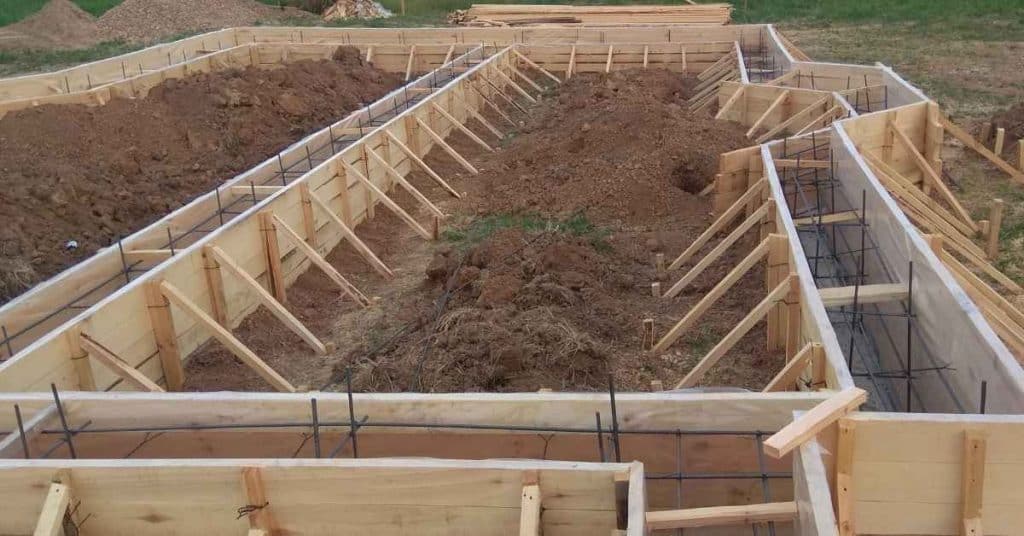
Wooden concrete forms with metal rebar inside trenches

Crack-Resistant Concrete Prep: Base, Rebar, Mix, and Curing

Introduction Crack-resistant concrete prep means setting up the base, reinforcement, mix, and curing plan to minimize cracking and movement in the slab. Start with a solid, well-drained base and clean forms, then place appropriate reinforcement and ensure everything is tied and supported before mixing. Follow the manufacturer’s instructions for any additives or metalwork, and check

Crack-Resistant Concrete Prep: Base, Rebar, Mix, and Curing Read More »

Hand using paint roller applying blue paint on wall

10 Tips for a Near-Perfect Paint Job: Prep, Technique, and Touch-Ups

Introduction This article explains how to prep, apply, and touch up paint for a near-perfect finish. It covers clearing the space, evaluating wall condition, and selecting the right tools and materials. You’ll get straight, hands-on steps you can follow without getting lost in theory. Wall prep matters most, from patching small dents to scuffing surfaces

10 Tips for a Near-Perfect Paint Job: Prep, Technique, and Touch-Ups Read More »

rows of rusty concrete chisels and demolition tool bits

Concrete Demolition Tips: Planning, Tool Choice, and Safety Checks

Introduction Concrete demolition is the careful removal of existing concrete while protecting people and nearby structures. Start with a simple plan that outlines what will be removed, what will stay, and how you’ll control dust and vibrations. Check your work area for utilities, know any local rules, and have a clear safety checklist before you

Concrete Demolition Tips: Planning, Tool Choice, and Safety Checks Read More »