
Introduction
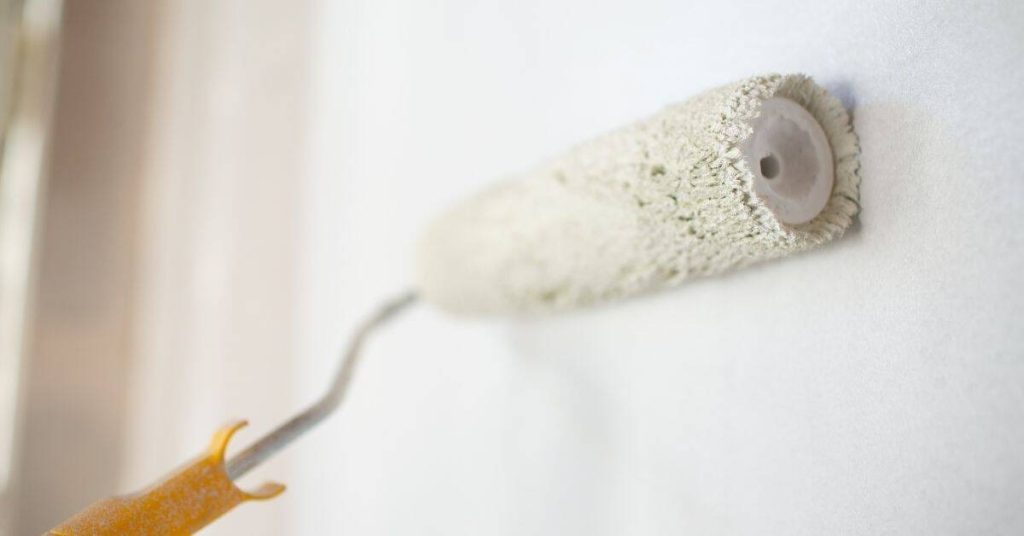
Roller lint in paint is loose fibers left on the surface after the paint dries. It shows up as fuzzy specs or strings and can come from the roller sleeve or improper loading. In this DIY intro, you’ll learn how to spot it early and choose practical fixes.
To prevent lint, choose a quality roller, test a small area, and follow the label directions for loading and cleaning. If lint shows up after drying, inspect the roller sleeve and use a fresh coat, carefully removing loose fibers according to the manufacturer instructions. Consider your project and the type of paint, and if unsure, check local rules or guidance from the paint supplier.
Key takeaways
- Identify lint in paint by visible fibers and occasional fuzz on surface.
- Use high-quality, low-shed rollers and replace if shedding increases during use.
- Plan painting with lint-susceptible areas masked and rollers pre-cleaned before starting.
- Wear a mask when sanding or scraping lint-prone surfaces to avoid dust.
- Clean and inspect rollers after use to prevent future lint.
- After drying, repair surface and recoat if fibers remain visible.
Table of Contents
- Introduction
- Key takeaways
- What Roller Lint Is and Why It Matters
- Planning Steps Before Painting to Avoid Lint Issues
- Types of Paint Rollers That Reduce Lint
- Tools and Materials Checklist
- Preventive Methods While Painting
- Removing Lint from Wet Paint
- Fixing Lint After Paint Has Dried
- Cleaning and Maintenance of Rollers to Prevent Future Lint
- Conclusion
- FAQ
What Roller Lint Is and Why It Matters
Roller lint is loose fibers shed from the roller cover and surrounding environment that end up in the paint as you roll. It is not the same as pigment or random debris, so a visual misread of lint won’t just wash away with a quick brush. Understanding what lint is helps you distinguish fiber from dirt and plan to keep it out of the finish.
Common sources include roller cover materials such as cotton, polyester, and blends, plus dust and stray fibers from clothing or carpets. Lint can enter paint during loading, rolling, or rewetting, and poor prep or storage can increase shedding. The finish shows lint as rough texture, visible fibers, or surface irregularities that can compromise adhesion and long-term durability.
Common causes of roller lint
Roller lint is a common issue, but understanding its causes can help you prevent it. Here are the main culprits:
Poor-quality rollers: Cheap or low-grade rollers shed more fibers than high-quality ones.
New roller shedding: Even good quality rollers shed some fibers when new, especially during the first few uses.
Improper roller prep: Not washing your roller before use can leave behind dirt and debris that mixes with paint and sheds onto the surface. Similarly, not wetting a roller cover properly can cause it to absorb too much paint and shed excess fibers.
Contamination from work area: Dust, carpet fibers, or clothing fibers can stick to your roller and end up in your paint.
How lint affects finish and durability
Roller lint doesn’t just look bad; it also compromises the quality of your painted surface. Here’s how:
Lint shows up as obvious fibers in the finish, ruining an otherwise smooth appearance. It can cause a rough texture, making the surface feel bumpy to the touch.
Lint can also create orange peel or fisheyes – small, raised bumps that look like the skin of an orange, or tiny craters in your paint. These defects are hard to sand out and require rework.
Worse still, lint can compromise topcoat adhesion, making it harder for subsequent coats to stick properly. This can lead to peeling, chipping, or flaking over time, reducing the overall durability of your paint job.
Planning Steps Before Painting to Avoid Lint Issues
Set the pre-paint environment to minimize lint shedding and dust pickup. Maintain conditions that support smooth drying and steady roller performance without causing rapid changes that pull lint into the film. Check manufacturer guidelines or product data sheets for any temperature or humidity ranges you should aim for in your space.
Get paints, rollers, trays, masking, and cleaners staged and inspected before you start. Designate a clean, lint-free area for the setup and keep mid-project tools away from dusty zones. A clear surface plan reduces the chance of bringing lint-prone tools into the work zone.
Surface and workspace preparation
The first step to minimizing roller lint is preparing your surface and workspace properly.
Start by cleaning the surface thoroughly. Use a degreaser for greasy spots, soap and water for dirt, and sand lightly any rough areas. Vacuum or wipe off all dust.
Ventilation is key to controlling airborne fibers. Open windows if possible, but avoid drafts that can whip up dust. Use fans to circulate air gently.
Scheduling and environmental factors
Timing is crucial when it comes to painting to avoid lint issues. Paint when humidity levels are low, usually between 40-70%. High humidity can cause rollers to shed more fibers.
Check the weather forecast before you start. If rain or high humidity is expected, reschedule your project.
Dust is another enemy of a smooth finish. Avoid painting on windy days or when there’s construction nearby that could kick up dust.
Choosing the right paint and roller combo for the job
The right roller can make a big difference in preventing lint. For smooth surfaces, use short nap rollers (1/4″ to 3/8″). For textured surfaces, go for longer naps (3/8″ to 1/2″) or specialty rollers.
Check your paint’s label. Some paints are designed for specific roller types. Always follow the manufacturer’s guidelines.
Padding and loading your roller correctly also helps minimize lint shedding. Don’t over-saturate the roller, and use a roller tray with a grid to control paint flow.
Types of Paint Rollers That Reduce Lint
Roller construction and material choice matter for lint resistance. Look at nap length, fiber type, and core design, and how those elements behave when you load and roll. Testing a small swatch or panel on site can help you spot shedding before committing to a full coat.
Common options include synthetic polyester, nylon, microfiber, and lambswool, each with different tendencies to shed and interact with latex or oil-based paints. Sealed or bonded fiber constructions and flocked naps generally shed less than traditional unbonded naps, but performance varies by surface type. Keep in mind the job’s smoothness, porosity, and finish requirements when selecting a roller.
Microfiber, woven, and knit rollers
Microfiber rollers are a popular choice for reducing lint. They’re made from synthetic fibers that don’t shed much. Use them on smooth surfaces like walls and ceilings.
Woven rollers have tightly woven fabric covers. They hold paint well and release little lint. Great for textured surfaces and trim work.
Knit rollers are similar to woven but with a looser weave. They’re good for smooth surfaces and hold more paint than microfiber.
Foam and specialty covers
Foam rollers are best for ultra-smooth finishes. They don’t shed lint but may leave marks on textured surfaces. Use them with care.
Specialty covers like flocked or sealed fiber rolls reduce lint further. Flocked naps grab paint better, while sealed fibers prevent shedding. Great for high-end jobs and tough-to-paint surfaces.
Selecting nap length and texture
For smooth surfaces, use short naps (1/4″ to 3/8″). They hold less paint but reduce lint. Check manufacturer recommendations for low-shedding models.
On textured or porous surfaces, longer naps (3/8″ to 1/2″) are better. They hold more paint and cover better. Again, check for low-lint options.
Always follow manufacturer guidelines for the best results. If lint persists, consider switching applicators or techniques.
Tools and Materials Checklist
Choose high-quality, lint-free roller covers or microfiber sleeves with an appropriate nap length for the surface. Avoid damaged or low-quality rollers that shed fibers during use. A simple visual inspection and a gentle spin check can help confirm suitability.
Keep cleaning and prep gear ready: vacuum or lint-roll surfaces, tack cloths or microfiber rags, painter’s tape to pick up stray fibers, and a pre-paint wipe-down. Include clean trays, liners, extendable poles, and clean gloves to minimize transfer of lint during setup and application.
Must-have items
Before you start painting, tick off this list to ensure a smooth, lint-free job.
- High-quality roller covers: Invest in good quality, lint-free rollers or microfiber sleeves. Low-quality ones shed and leave marks.
- Appropriate nap length: Match the nap length to your surface – shorter for smooth walls, longer for textured surfaces.
- Lint-free cloths/tack cloths: Use these to wipe down surfaces before painting. They pick up dust and debris.
- Drop cloths: Protect floors with drop cloths. Old sheets or canvas work too.
- Soft-bristle brush: For finishing, use a soft-bristle brush to remove any excess paint from the roller.
- Painter’s tape: Apply it before painting to seal edges and prevent bleeding. It also picks up stray fibers.
- Pre-paint wipe-down: Wipe down surfaces with a damp cloth before painting to remove any remaining dust or dirt.
- Clean paint trays/liners: Use clean trays or liners to prevent lint from old paint getting into your new coat.
Quick rule: Don’t skip these essentials. They’re the backbone of a good paint job.
Helpful extras
These optional items can make your painting task even smoother and lint-free.
- Lint roller: Run it over surfaces before painting to pick up any remaining fibers. It’s a quick, easy way to minimize lint.
- Roller cages with smoother edges: These prevent the roller from leaving marks on walls and help maintain a smooth edge.
- Breathable mask: Wear one while painting to avoid inhaling paint fumes and dust. It’s not directly related to lint, but it keeps you safe.
- Small vacuum: Use it for on-the-spot dust pickup. It’s faster than a broom and doesn’t spread dust around like a duster.
- Extendable poles: They reduce contact with the roller, minimizing lint transfer from your hands.
- Clean, lint-free gloves or sleeves: Wear these during setup to prevent lint from your hands getting onto the roller.
- Extra-wide painter’s tape: Use it to lift fibers from cured areas. It’s wider than standard tape, so it picks up more.
- Plastic putty knife: If needed, gently scrape dried paint with this. Metal knives can damage the surface.
Quick rule: These extras aren’t must-haves, but they sure make the job easier and the finish better.

Preventive Methods While Painting
Prep the roller and tools by selecting low-shed microfiber or dense foam and replacing any rollers that shed. Maintain a clean, lint-free tray and keep your work area free of loose fibers. A quick check before loading paint helps catch shedding early.
Load and apply with control to avoid overloading the roller, and create a barrier by sealing off areas with clean drop cloths. Minimize air currents and wipe surfaces to remove loose fibers before you begin rolling, then pause with the tools covered during breaks. Regularly inspect as you work and re-roll any stray fibers you notice on the wall.
Preparing and conditioning a new roller
Before you start painting, it’s crucial to prepare your new roller. This helps remove any loose fibers that could end up in your paint.
First, inspect the roller. Check for any frayed edges or loose threads. If you find any, trim them with scissors.
Next, shake the roller. Hold it by the handle and give it a good shake to dislodge any loose fibers. You can also roll it over a scrap board to remove any excess material.
Some manufacturers recommend washing new rollers before use. If that’s the case, follow their instructions. Otherwise, a quick rinse with water should do the trick.
Loading and rolling technique to reduce lint
How you load your roller and apply paint can significantly impact lint transfer. Here’s how to do it right:
Start by dipping the roller into the paint. Make sure it’s evenly coated, but not overloaded.
Next, roll it on the tray ramp. This helps remove excess paint and ensures an even coat. Be gentle; you don’t want to sling fibers or create drips.
When rolling, use even pressure. Don’t press too hard or you’ll force fibers into the paint. And remember, less is more – a light touch goes a long way in preventing lint.
Mid-job inspection and quick fixes
Regularly checking your work during painting helps catch any issues early. Here’s what to look for:
- Visible fibers: If you see any, stop and remove them immediately with a small brush or roller sleeve comb.
- Overworking paint: Be careful not to overwork the paint. This can cause it to absorb lint from the air.
- Drips and runs: These can pick up fibers as they dry, so fix them promptly.
- Uneven coverage: If you’re getting patchy results, it might be due to lint. Check your roller and technique.
Quick rule: If you find any issues, address them immediately. A little extra time spent checking now can save a lot of trouble later.
Removing Lint from Wet Paint
Lint in wet paint comes from roller fibers, dust, or other fibers and depends on the paint type. Visual cues like fuzz in the film or a gritty feel indicate you’ve got lint present before the surface dries. Treat these cues as a signal to act quickly and gently.
Use lint-free rags, clean damp cloths, disposable gloves, and the right solvent or water approach for the paint type, avoiding aggressive scrubbing. For latex, gentle dabbing with a cloth or rolling over with a fresh cover can help; for oil-based finishes, a clean pad can assist before wipe-down, with care not to disturb the film.
Gentle removal techniques
Lint in wet paint can be removed gently without smudging the film. Use a lint-free cloth, soft brush, or tack cloth to lightly dab at the fibers.
Be careful not to rub too hard as this may spread the lint around or even push it into the paint, making removal more difficult. The key is to lift the fibers without disturbing the wet paint.
Stop and re-evaluate your technique if you start seeing smudges or feel that the lint isn’t coming off easily. It might be time to try a different method or let the paint dry slightly before attempting again.
Solvent and cleaner guidance by paint type
Different paints require different cleaners. For latex paints, use water and a mild detergent. Dampen a cloth, not soaking wet, to avoid diluting the paint.
For oil-based paints, use the manufacturer-recommended thinner. Apply it sparingly on a pad or cloth and gently dab at the lint.
Always test your cleaner in an inconspicuous spot first to ensure it doesn’t affect the paint’s finish.
When to sand and recoat instead of spot-cleaning
If lint is deeply embedded or won’t come off easily, it’s time to let the paint dry completely. Then, you can lightly sand the area with fine-grit sandpaper.
After sanding, wipe off any dust with a damp cloth and let it dry. Then, recoat the area with a fresh layer of paint. This ensures an even finish and prevents further lint from getting trapped.
Remember, spot-cleaning is best for minor lint issues. If the problem is extensive or won’t budge, sanding and recoating is usually the better option.
Fixing Lint After Paint Has Dried
Identify the lint type and origin, then assess whether spot fixes are sufficient or if a light refinishing is required. Evaluate the finish to ensure you don’t remove more than necessary to preserve texture and color.
Follow safety steps and surface integrity checks before starting repairs. Gather lint-free tools, mask surrounding areas, and protect edges to prevent new lint transfer. Use precise, low-abrasive repairs such as light sanding, careful fiber picking, or targeted touch-up painting to avoid adding texture or dull spots.
Gentle sanding and feathering
Start by selecting a very fine grit sandpaper, typically 400–600. This range is gentle enough to remove lint without damaging the paint’s finish.
Lightly sand the affected areas in circular motions, following the direction of the original roller strokes. Be careful not to press too hard or you might sand through the paint.
To feather the edges before repainting, use a lighter touch and gradually reduce the pressure as you approach the clean paint. This helps blend the repaired area with the rest of the wall.
Always check your paint’s manufacturer guidelines for recommended grit ranges to ensure you’re using the right abrasive.
Spot priming and touch-up techniques
Begin by gently brushing off any loose lint or dust with a soft, dry brush. This prevents these particles from becoming embedded in the primer or paint.
If the affected area is large or you’re using a different paint color, apply an appropriate primer to seal the surface and promote better adhesion of the touch-up paint. Use a small, fine-bristle brush for precise application.
For touch-ups, use a fine-tipped artist’s brush or a mini-roller with a short nap. Blend the edges of your touch-up area into the existing paint to minimize any visible repair lines. Make sure to match the sheen and texture of the original paint as closely as possible.
When to strip and repaint
If you find that lint is widespread across your entire wall or surface, it might be more efficient to strip the paint completely and start over. This ensures a uniform finish and saves time in the long run.
Similarly, if the existing paint has adhesion failure or texture mismatch issues due to the lint, it’s best to remove all the affected paint and recoat. Trying to spot repair these areas can lead to visible patches and an uneven finish.
Before you decide to strip and repaint, consider the time and effort involved in each approach. If the area is small and the damage isn’t too severe, spot repairs might be sufficient. But for larger areas or extensive damage, a full repaint may be the better option.
Cleaning and Maintenance of Rollers to Prevent Future Lint
Outline cleaning methods that suit your roller type and paint base, including whether to rinse, agitate, or use solvents. Avoid harsh cleaners that can degrade the nap or loosen fibers.
Rinse and remove residue to lift trapped lint without damaging the nap, and handle caked-on paint with care to avoid permanent shedding. Dry the rollers using a method that minimizes fiber loss, and store them in a way that prevents spin-off lint, such as keeping them off surfaces and in a clean container or bag. Regular wear-and-tear checks guide when it’s time to retire a roller and switch to fresh supplies.
Effective cleaning methods for different paint types
Cleaning your roller properly extends its life and reduces future lint. Here’s how:
Water-based paints: Rinse under lukewarm water, agitate gently to remove residue, then let air-dry.
Oil-based paints: Use a solvent like mineral spirits or paint thinner. Soak the roller, agitate, rinse with water, and let dry. Always dispose of solvents responsibly.
Drying, storing, and reusing rollers safely
Proper drying and storage prevent lint buildup:
Air-dry in a low-dust area. Avoid heat as it can damage the roller. Once dry, wrap tightly to keep clean.
Before reuse, inspect for any contamination or wear. If unsure, replace to avoid reintroducing lint.
When to replace your roller
Knowing when to retire a roller saves you time and reduces future issues:
Persistent shedding: If lint keeps coming off despite cleaning, it’s time for a new one.
Matted fibers: A flattened nap won’t hold paint properly. Check manufacturer guidelines for reuse limits.
Deformation: Bent frames or handles can cause application issues. Replace if damaged.
Conclusion
Keeping lint out of paint protects the finish, saves time, and reduces costly touch-ups. A clean job looks sharp, lasts longer, and keeps you safe from rework or damage.
To finish strong, use a low-lint roller and a suitable cover, prep the surface, test on a hidden spot, keep your area clean, apply with steady strokes, and remove lint while the paint is wet if you see it. Afterward, check for missed spots, fix them promptly, and clean and store your roller correctly so it’s ready to go next time.
Common mistakes to avoid are using a cheap, high-lint roller and reusing dried linty paint, skipping a test patch, and racing the job with sloppy technique. Safety rules to follow are ventilate well, wear a mask when sanding or cleaning, and never pressure-safe areas beyond your comfort level. If big areas, high ceilings, or finish types require exacting standards, don’t push on alone—call a professional and protect your investment. Stay focused, work methodically, and you’ll see the results in a smooth, durable coat that lasts.
FAQ
How can I identify roller lint in paint before I apply it?
Look for fuzzy specks or fibers in your wet paint. If the roller cover is shedding, you’ll see lint on the surface as you roll or after you stop. Run a small test patch to check for excessive lint pickup.
What practical steps can I take to prevent lint while painting?
Use high-quality roller covers and keep them clean and free of loose fibers. Gently shake or tap the roller to remove loose lint before loading it with paint. Avoid pressing hard and don’t overwork the paint in the tray, which can pick up fibers.
How do I fix lint after the paint has dried?
If you see lint in dried paint, carefully remove the lint with a clean dry tool or scraper if possible. For small areas, you can sometimes touch up with fresh paint on a new roller cover; avoid rubbing the lint into the surface. If the lint is widespread, sanding and repainting may be required.
How should I choose rollers and cleaning practices to minimize lint?
Select rollers designed to minimize shedding and match your paint type. Clean rollers promptly after use and inspect them before reuse; replace covers showing wear or excess lint. Follow manufacturer instructions for washing or replacing roller covers, and store them dry and clean.