

Introduction
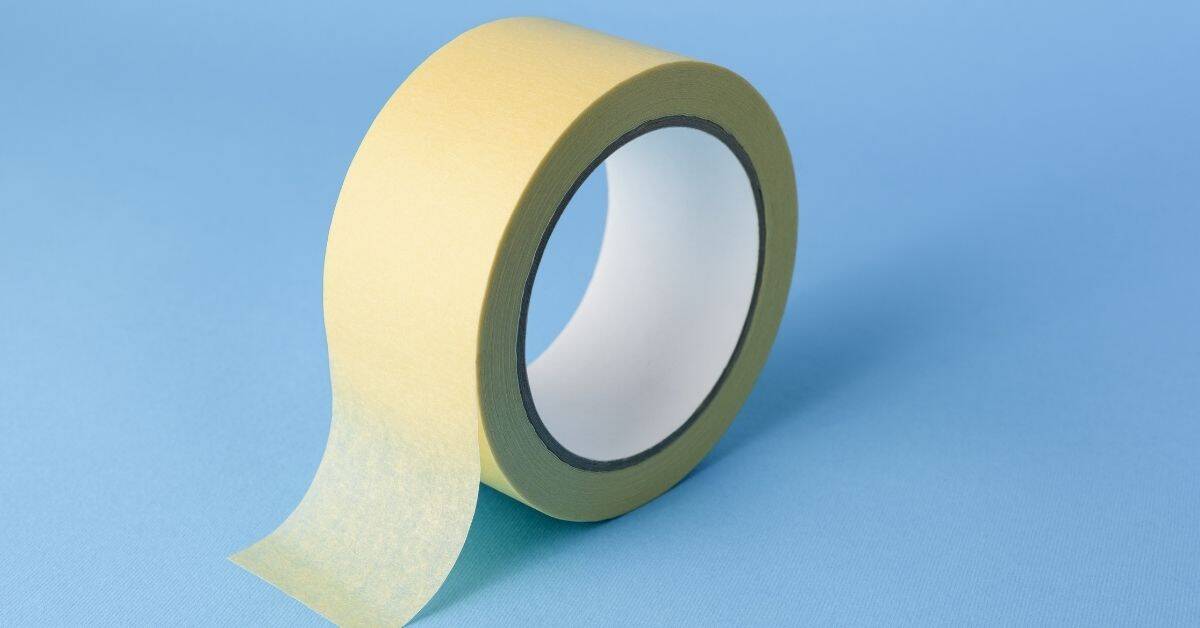
Masking tape for painting is a painter’s tape used to protect surfaces and create sharp paint lines. Apply it along the edge you want, press down firmly, and smooth out any bubbles with a fingertip. Choose a tape with a clean edge and low residue, then remove it while the paint is still tacky.
Start with a clean surface and lay the tape evenly to avoid lifting paint. Press the tape down along the edge with a fingernail or a flat tool to seal it. If the edge is tricky, make small bends and work slowly, then remove the tape in a single smooth pull after painting.
Key takeaways
- Choosing the Right Masking Tape for Painting: pick painter’s tape with low adhesion for delicate surfaces.
- Surface Preparation and Inspection: Clean and dry surfaces, remove contaminants before taping to maximize adhesion and edge sharpness.
- Application Technique for Sharp Lines: Apply tape straight, press edges firmly with a card or tool.
- Sealing the Tape Edge to Prevent Bleed: Lightly rub edge with finger or plastic squeegee, ensure seal.
- Painting Techniques to Avoid Peel and Bleed-Through: Use even strokes, avoid overloading brush or roller to minimize peel and bleed-through.
- Tape Removal Best Practices and Troubleshooting: Remove while paint is slightly tacky; wear gloves, check for peeling edges.
Table of Contents
- Introduction
- Key takeaways
- Choosing the Right Masking Tape for Painting
- Surface Preparation and Inspection
- Application Technique for Sharp Lines
- Sealing the Tape Edge to Prevent Bleed
- Painting Techniques to Avoid Peel and Bleed-Through
- Tape Removal Best Practices and Troubleshooting
- Tools, Materials Checklist and Visual Checkpoints
- Conclusion
- FAQ
Choosing the Right Masking Tape for Painting
Masking tape isn’t one size fits all. Different adhesive strengths and edge profiles behave differently with paint and surfaces. The goal is to match the tape to your project to keep lines sharp and lifts to a minimum.
Think about the surface texture, paint type, and whether you’ll be masking for a clean edge or a softer feather. Check the product label or manufacturer instructions to confirm suitability for your surface and environment. When in doubt, test a small patch on a hidden area to verify removal without damage.
Tape types and backing materials
The material of your masking tape’s backing affects how it performs on the job. Here are the main types:
- Paper: Cheap, easy to find. Use for flat surfaces and quick jobs. Spec/look for thin, flexible paper. Avoid on curves or delicate surfaces.
- Crepe: Thinner, more flexible than paper. Use for curves and intricate details. Spec/look for crepe backing. Watch out for cracking on tight bends.
- Low-tack film: Plastic-like, leaves no residue. Use for delicate surfaces like wallpaper or glass. Spec/look for low-tack rating. Avoid on porous surfaces to prevent staining.
Adhesive strength and surface compatibility
The adhesive’s stickiness is crucial. Too much, it’ll peel paint; too little, it won’t stay put.
High-tack adhesives are great for clean, smooth surfaces. They stick well but can be tough to remove without damaging the surface or pulling off paint.
Low-tack adhesives are gentler. They’re perfect for porous or delicate surfaces, like wallpaper or textured walls, but might not hold as well on smooth surfaces.
Always test a small area first to check adhesion and paint removal.
Tape width, edge profile, and cut quality
The tape’s width determines how much surface it covers. Narrower tapes are better for fine details and curves, while wider ones are great for straight lines and large areas.
The edge profile – how sharp the cut is – affects your line’s crispness. A sharp, straight edge gives you a clean line. A jagged or rounded edge will result in a messy line.
For best results, use a new, sharp utility knife to cut your tape. This ensures a clean, straight edge every time.
Surface Preparation and Inspection
A clean, dry surface is the first line of defense against tape failure. Wipe away dust, oils, wax, and any residue from previous coatings. Minor repairs should be completed before you start taping.
Inspect for lingering contaminants that could lift paint or cause edge creep. Remove stubborn residues with the appropriate cleaner for the surface material. Verify that the area is dry to the touch before applying tape as a rule of thumb.
Cleaning and decontamination
Before applying masking tape, ensure your surface is clean to prevent paint peeling. Use this checklist for best results.
- Remove dust: Wipe down the area with a damp cloth. Dust can cause poor adhesion.
- Check for grease: Lightly rub with a soapy water solution. Grease prevents tape from sticking.
- Scrape off loose paint: Use a putty knife or scraper to remove any flaking paint.
- Vacuum: Get rid of any remaining dust and debris with a vacuum cleaner.
- Check for mold/mildew: Inspect corners and crevices. Remove if present using a solution of bleach and water (1:8 ratio).
- Remove cobwebs: A quick wipe with a damp cloth will do.
- Test for smoothness: Run your hand over the surface. Any rough patches need sanding.
- Dry completely: Ensure the surface is bone-dry before taping. Moisture weakens adhesion.
Quick rule: A clean, dry surface ensures your tape sticks and paint adheres properly.
Repairing, sanding, and priming
Before taping, fix any uneven or flaky areas to prevent paint from chipping. Follow this checklist.
- Fill gaps: Use spackling compound for small holes or cracks. Let it dry, then sand smooth.
- Sand rough spots: Lightly sand any uneven surfaces with fine-grit sandpaper (120-220 grit).
- Check for flaking paint: Gently scrape off any loose paint. Prime these areas.
- Prime bare wood: Apply a coat of primer to prevent tannins from bleeding through your paint.
- Sand again: After priming, lightly sand the surface with fine-grit sandpaper and wipe off dust.
- Check for level surfaces: Run a level along the wall. Fill any low spots with spackling compound.
- Tape edges: Apply painter’s tape to protect areas you don’t want painted.
- Wipe off dust: Use a damp cloth to remove any remaining sanding dust.
Quick rule: A smooth, even surface ensures your paint looks great and lasts longer.
Test a small patch first
Before taping your entire project, test a small area to ensure the tape adheres well and doesn’t affect your paint finish.
- Choose an inconspicuous spot: Test in a corner or behind a piece of furniture where it won’t be seen.
- Apply a small piece of tape: Use the same type and width you’ll use on your project.
- Let it sit: Leave the tape on for at least 24 hours to ensure proper adhesion.
- Check for lifting edges: If the tape lifts, try a different brand or type. If it sticks well, proceed.
- Paint over the tape: Use the same paint you’ll use on your project.
- Let it dry completely: Follow the manufacturer’s drying time recommendations.
- Peel off the tape: Slowly and carefully pull the tape away from the surface at a 45-degree angle.
- Inspect the results: Check for any paint lifting, peeling, or residue. If it looks good, proceed with your project.
Quick rule: A successful test patch ensures your tape won’t lift your paint and gives you peace of mind.
Application Technique for Sharp Lines
Plan your tape line before touching the wall. Use alignment tools or marks to keep the edge straight. Lay the tape smoothly with minimal stretch to avoid buckling.
Work corners and curves with patient, small segments rather than trying to cover a long run at once. Press down firmly along the edge with a flat tool to seal against the substrate. If you see bubbles, lift and reapply from the edge rather than smearing the tape.
Laying down tape and alignment tools
Start by positioning your masking tape accurately. Use guides, chalk lines, or straightedges for long runs and edges.
- Chalk line: Snaps a line onto the wall. Use it to align your tape’s edge.
- Straightedge: Presses against the wall, guiding your tape along its edge. A 2′ or 4′ level works great.
- Guides: Clips onto the wall, keeping your tape at a consistent distance from the edge. Rentable for around $10-$20 per day.
- Tape measure: Marks precise points along the wall to ensure straight lines and even spacing.
- Laser level (optional): Projects a line onto the wall, helping you position your tape perfectly. Around $30-$50 to buy or rent.
Burnishing and applying even pressure
Press the tape down firmly along its edge, a process called burnishing. This creates a tight seal, preventing paint from seeping underneath.
Use a burnishing tool: A plastic or metal tool designed to press the tape down evenly. Around $5-$10 to buy.
If you don’t have one, use your fingers. Wear gloves for better grip and protection.
Apply even pressure along the entire length of the tape. Don’t stretch it, as this can cause the adhesive to lose its grip.
Working around corners, trim, and curves
Complex shapes require special techniques. Here’s how to keep your edges continuous:
Corners: Fold the tape at a 45-degree angle before applying it to the corner. This creates a smooth edge with no gaps.
Trim and curves: Make micro-cuts or use segmented application. For trim, cut the tape at an angle, then press it onto the trim’s edge. For curves, apply small segments of tape, overlapping them slightly to maintain a smooth line.
Use your fingers or a burnishing tool to press these areas down firmly, ensuring no gaps or wrinkles.
Sealing the Tape Edge to Prevent Bleed
Non-destructive sealing options can help prevent bleed without damaging the tape line. Options include a light edge seal with compatible caulk, painting the base color before applying tape, or a clear sealer over the edge. Each method has its own setup and removal considerations.
Consider the surface type and paint system when choosing a method. Verify compatibility by reading the label or manufacturer guidance. If you’re unsure, test on a scrap piece or inconspicuous area first.
Caulk and Sealant Options for Gaps
When you’re aiming for a super sharp line, tape alone might not cut it. That’s where paintable caulk comes in.
Use it to fill tiny gaps or cracks before applying your tape. It seals those hard-to-reach spots and gives you a smooth edge to work with.
Pro tip: Choose a paintable, latex-based caulk for easy cleanup and compatibility with most paints.
Apply it with a caulk gun, then use your finger or a damp sponge to smooth it out. Let it dry before taping over it.
Paint-Back (Locking) with Base Color
Before you slap on that final coat, give your tape edge a quick once-over with the base color. This technique, called ‘paint-back’ or ‘locking’, seals the pores in the surface and prevents bleeding.
Use a good quality brush or roller to apply a thin, even coat right over the edge of your tape. Don’t worry about getting it perfect; you’ll be painting over it soon anyway.
Remember: Let this first coat dry completely before moving on to your final color.
This method works best when you’re using a base color that’s similar to or lighter than your final color. It helps seal the surface without affecting the finished look.
Clear Sealers and Acrylic Barriers
Sometimes, you want to prevent bleed without altering your paint color. That’s where clear sealers and acrylic barriers come in.
These products create a thin, invisible barrier over the surface. They’re great for when you’re using dark colors or want to maintain the natural look of your material (like wood).
Note: Clear sealers work best on surfaces that are already primed and sanded smooth.
Apply them with a brush, following the grain if you’re working with wood. Let it dry according to the manufacturer’s instructions before painting.
Painting Techniques to Avoid Peel and Bleed-Through
Load brushes and rollers in a way that keeps a consistent bead along the edge. Apply paints in thin, even coats to minimize pressure that can push under the tape. For spray, maintain steady distance and even passes to avoid building up at the tape line.
Avoid overloading the edging area and watch for thick edges that lift tape. Follow the paint manufacturer’s guidance on recoat times and film build. If in doubt, verify throughput with the label or data sheet before continuing.
Brush, roller, and spray best practices
When painting near masking tape, it’s crucial to control your paint application. Here’s how:
Brushing: Use light, even strokes along the edge of the tape. Don’t press too hard or force paint under the tape.
Rolling: Apply paint in a ‘W’ or ‘M’ pattern, working outwards from the center. This helps avoid building up too much paint at the edges.
Spraying: Use a light, even spray technique, holding the can perpendicular to the surface. Keep a consistent distance to maintain an even coat.
Managing coats and dry windows
Proper drying time is key to preventing peel and bleed:
Follow the manufacturer’s drying guidance on your paint. Typically, this is around 4 hours for latex paints and longer for oil-based ones.
Before applying a second coat or removing tape, ensure the first coat is fully cured. This usually takes 24-48 hours. Touching uncured paint can lift it off.
If you’re unsure, gently touch the painted surface with a clean finger. If there’s no residue, it’s likely dry enough for tape removal or another coat.
Edge film thickness control
Avoid heavy paint buildup at the tape line to prevent peel and bleed:
When painting near the edge of your tape, feather the edges. This means gradually reducing the amount of paint you apply as you get closer to the tape.
Use a dry brush or damp cloth to remove any excess material from the tape line after applying paint. This helps ensure an even coat and reduces the chance of peel when removing the tape.
Remember, it’s better to have thin, even coats than one thick, heavy one. You can always apply another light coat if needed.
Tape Removal Best Practices and Troubleshooting
Remove tape while the paint is still at the correct cure stage and at a shallow angle. A slow, steady pull helps avoid tearing or lifting fresh paint. If you see micro-lifts, stop and rework the edge from the opposite direction as needed.
Environmental factors like temperature and humidity can affect pull strength. Have a plan for quick touch-ups and feathered edges if issues appear. Confirm removal conditions with the product label or manufacturer guidelines when in doubt.
When and how to remove tape
Remove masking tape gradually, while the paint is still tacky-to-dry. This gives you a better chance of getting clean lines.
Start at one corner and pull slowly, using a low angle. This minimizes film lifting. Be patient; rushing can cause peeling.
Never remove tape when paint is wet or fully dry. Wet paint will peel off with the tape. Fully dried paint might crack or lift.
Fixing bleed marks and softening edges
For small bleed lines, lightly sand the area after painting is fully cured. Use fine-grit sandpaper (220 or higher) to avoid creating more visible marks.
Spot-paint over any remaining lines using a small brush and your wall color. Let it dry, then touch up with a light coat of paint if needed.
If edges are soft, use a razor blade or sharp craft knife to carefully trim away the excess paint. Be gentle; you don’t want to gouge the surface.
Dealing with lifted or peeling paint
If paint is lifting, start by re-adhering the edges. Use a hairdryer on low heat to warm the area and encourage adhesion.
For larger areas, fill with spackling compound or lightweight spackle. Let it dry, then sand smooth. Feather the edges with fine-grit sandpaper to blend into the surrounding wall.
Before repainting, prime the area to seal and create a better surface for new paint to adhere to.
Tools, Materials Checklist and Visual Checkpoints
Create a compact list of tapes, blades, spacers, and applicators you will use. Include cleaning supplies and a small level or straightedge for alignment. Establish a simple workflow from prep to removal.
Use visual checkpoints at each stage: prep clean and dry, taped edge sealed, painted area uniform, and final removal clean. If something isn’t right, pause and reassess before moving on. When in doubt, refer to the product instructions or local rules for best practice.
Tools and consumables checklist
Before you start, make sure you have all the essentials on hand to ensure a smooth painting process.
- Painter’s tape: Choose high-quality, low-tack tape to avoid paint peeling. Check for any damaged rolls before use.
- Applicator tools: Have a sharp utility knife and scissors ready for cutting tape cleanly.
- Sealant or caulk: For gaps, choose one that matches your paint type to prevent bleed-through. Check expiration dates.
- Scraper: A flexible scraper helps remove excess sealant and ensures a smooth edge.
- Cleaning materials: Have soap, water, and rags ready for cleaning hands and tools.
- Masking paper or film: For larger areas, use masking paper to protect from overspray. Check for tears or holes.
- Protective gear: Safety glasses, gloves, and a dust mask are crucial for protecting yourself while working.
- Paint stirrer: Ensure your paint is well-mixed before application to avoid inconsistencies.
Quick rule: Always check your materials before starting. Damaged or expired items can ruin your project.
Visual checkpoints before painting
Before you start rolling on that paint, take a moment to inspect your taped edges. A thorough check now prevents costly mistakes later.
- Sealed edges: Ensure all tape edges are sealed with caulk or sealant. Unsealed edges can cause bleed-through.
- No wrinkles: Smooth out any wrinkles in the tape to prevent paint from seeping underneath and causing a ragged line.
- Proper alignment: Check that all lines are straight and aligned properly. Use a level or laser guide if needed.
- Tape tension: Gently pull on the tape to ensure it’s securely adhered. Loose tape can lift during painting.
- Edge condition: Inspect the edges of your surface for any damage or imperfections that could affect paint adhesion.
Quick rule: A thorough inspection before painting saves you from having to fix mistakes later.
Post-paint inspection checklist
After removing the tape, take a few moments to inspect your work. Catching issues early allows for quick fixes before they become bigger problems.
- Crisp lines: Check that all edges are clean and sharp. Any ragged lines may need touch-ups.
- Paint adhesion: Gently pull on the paint at the edges to ensure it’s well-adhered. Lifting paint indicates poor preparation or application.
- Bleed-through: Look for any signs of color bleed, especially in areas where tape was not sealed properly.
- Drips and runs: Inspect for any drips or runs, which may need touch-ups or repainting.
Quick rule: The sooner you catch issues, the easier they are to fix. Don’t wait until the paint is dry to inspect your work.
Conclusion
Sharp, durable lines come from choosing the right tape, prepping the surface, and sticking to a simple plan. Safety matters and a solid edge protects your finish from costly touch-ups.
Start by selecting tape rated for painted surfaces, ensure the surface is clean and dry, apply pressure along the edge with a firm burnish, seal the edge to prevent bleed, paint in light, even coats, keep the work area clean, and remove the tape while the paint is still tacky to avoid peeling. Do a quick test in a small area first and progress in manageable sections to avoid mistakes.
Common mistakes to avoid are skipping surface prep, rushing tape removal, or yanking tape off dry or recessed edges. Always follow the safety basics: wear eye protection when sanding or scraping small edge dings, work at a comfortable height, and keep solvents and tools away from children and pets. If you’re unsure about the surface or the color change involves multiple steps, don’t push it—address the risk before it becomes a repair job.
If the project involves high walls, complex color patterns, or unseen trims where a slip could cost you dearly, consider bringing in a professional. With the right approach, you’ll finish with crisp lines, minimal touch-ups, and real confidence in your work.
FAQ
How can I prevent bleeding at tape edges on tricky corners?
Use tape designed for painting on clean, dry surfaces and press the edges down firmly. Avoid stretching the tape and apply along clean lines. If you’re covering an uneven edge, consider a second piece of tape to seal the corner and check the edge before painting.
How to remove tape after painting without peeling fresh paint?
Lift the tape slowly at a sharp angle away from the painted edge. Do it once the paint has developed the appropriate set per the product instructions, not when it’s still soft. If any paint lifts, wait for full cure on the surface first and touch up as needed.
Can I reuse masking tape after it cures?
No. Reusing tape is unreliable and can pull off fresh paint or fail to seal the edge. Use fresh tape for each application or coat of paint to protect sharp lines.
What should I check on the tape label before buying?
Look for tape marketed for painting on walls and trim, with clear guidance on surface types and adhesion. Check the label for intended temperature range, surface compatibility, and any instructions from the manufacturer. When in doubt, confirm with the product instructions or local rules.