
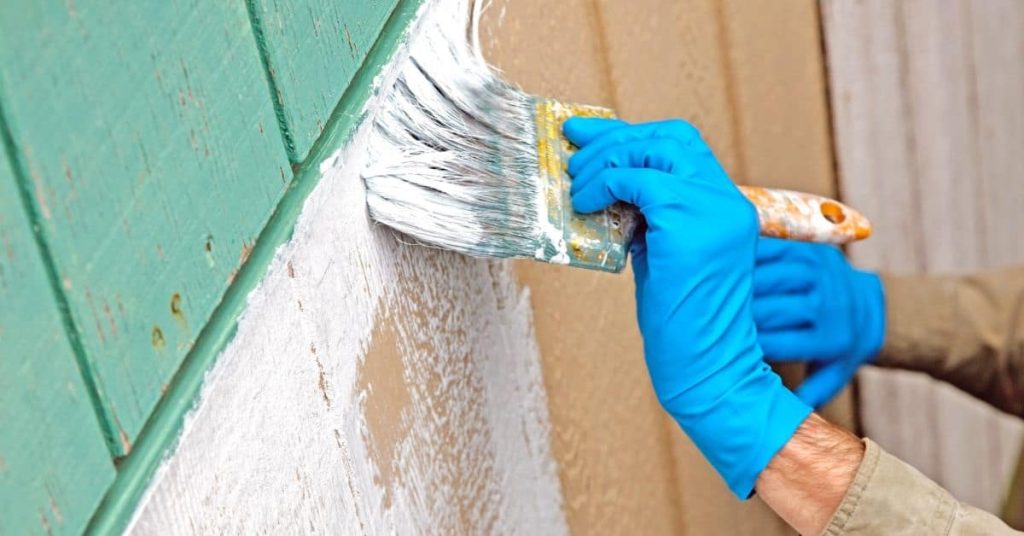
Introduction
Primer, sealer, and undercoat are coatings that prepare surfaces for paint by sealing, bonding, and smoothing. Primer helps the paint stick, sealer blocks stains and moisture, and undercoat provides a base layer that evens texture. Check product labels for the exact job they claim to do.
Use them in sequence when you’re dealing with bare wood, stained surfaces, or repairs. Choose primer to improve adhesion, sealer to block stains, and undercoat to even out surface texture; apply according to brand instructions and surface condition. If you’re unsure, read the label or ask the store for guidance and match with your project needs.
Key takeaways
- Primer, sealer, and undercoat are distinct coats serving unique surface goals.
- Use primer to improve adhesion and uniform porosity before topcoats.
- Seal ers minimize stain bleed and moisture migration before paints.
Table of Contents
- Introduction
- Key takeaways
- Quick Definitions — What Each Product Is
- Core Functions and Benefits of Each Product
- When to Use Primer, Sealer, or Undercoat — Application Scenarios
- How Many Coats and Drying/Cure Considerations
- Surface Preparation and Application Best Practices
- Compatibility with Substrates and Topcoats
- Safety, Vocs, and Environmental Considerations
- Cost, Time, and Project Planning Trade-Offs
- Conclusion
- FAQ
Quick Definitions — What Each Product Is
Primer, sealer, and undercoat are three different layers in a paint system, each with its own job. Think of them as a base coat, a protective barrier, and a finishing skin ready for the topcoat.
Use plain terms: primer helps paint stick and soak into the surface; sealer blocks moisture and stains from coming through; and an undercoat creates a smooth, uniform surface for the topcoat. Common surface examples include wood, drywall, metal, and concrete. Check product labels or instructions to confirm these roles for your project.
Primer — basic definition
A primer is like the base coat of your paint system. It’s the first layer you apply to bare surfaces.
Think of it as a bridge between your surface and your topcoat. It improves adhesion, meaning your paint will stick better.
Primer also blocks stains from bleeding through. So if you’re painting over something like knotty wood or a previously painted surface with old color, primer’s got your back.
Use it on: bare drywall, wood, metal, and concrete. It’s especially useful when painting over porous surfaces or stains.
Sealer — basic definition
A sealer is like a protective layer that prevents absorption or bleeding. It’s often used alongside primers for porous surfaces, but it can also be used on its own.
Imagine you’re painting a wooden deck. Without a sealer, the wood would absorb too much paint and the color wouldn’t look even. A sealer stops this from happening.
Some sealers also act as primers, blocking stains and improving adhesion. But their main job is to prevent absorption and bleeding.
Use it on: porous surfaces like wood, concrete, and some types of drywall. It’s great for outdoor projects or when you want a smooth, even finish.
Undercoat — basic definition
An undercoat is the mid-layer in your paint system. It’s applied after the primer to create a uniform surface for your topcoat.
Think of it as a smoothing agent. It evens out color and fills minor imperfections, giving you a better base for your final coat.
Undercoats also help with coverage. They make sure your topcoat goes on evenly and uses up less paint.
Use it on: surfaces that need a bit of smoothing out or color evening, like previously painted walls with wear and tear, or surfaces with minor imperfections.
Core Functions and Benefits of Each Product
In concrete work, primer focuses on adhesion and porosity control, while sealer targets moisture and staining. The undercoat adds a level, even surface to receive the topcoat.
Benefits include better topcoat adhesion, reduced porosity and staining, and a smoother substrate for even finish. Look for performance cues like film thickness guidance, drying and cure expectations, and compatibility notes in the manufacturer data. Always verify this information on the product label or data sheet before mixing or applying.
What primers do for adhesion and longevity
A primer’s main job is to promote strong bonding between your concrete surface and the topcoat. It does this by filling microscopic pores and creating a better surface for the paint or sealer to stick to.
Primer also improves the durability of your final finish. It helps protect against moisture, which can cause peeling or blistering. Some primers even hide minor imperfections in the concrete, giving you a smoother start.
Film thickness is usually thin, around 1-2 mils. Curing time is quick, often just a few hours. VOC levels vary but are generally low. Primers are compatible with most sealers and paints.
What sealers do for absorption and stains
A sealer’s primary function is to stop tannin, water, smoke, or other contaminants from bleeding through your topcoat. It does this by filling the concrete’s pores and creating a barrier.
Sealers also reduce the amount of liquid that can be absorbed into the concrete, protecting it from moisture damage. This makes them great for surfaces exposed to heavy foot traffic or harsh weather conditions.
Film thickness varies but is typically around 1-3 mils. Drying times are usually quick, within a few hours. VOC levels can be high, so proper ventilation is crucial. Sealers are compatible with most paints and stains.
What undercoats do for colour and smoothness
An undercoat, or base coat, is designed to build film thickness on your concrete surface. This helps even out colour transitions and creates a smoother substrate for the topcoat.
Undercoats also help achieve a uniform final finish by reducing the appearance of any remaining imperfections in the concrete. They can be tinted to match or complement your topcoat, providing better colour consistency.
Film thickness is usually around 3-4 mils. Drying times are longer than primers and sealers, often up to 24 hours. VOC levels vary but are generally moderate. Undercoats are compatible with most paints and stains.
When to Use Primer, Sealer, or Undercoat — Application Scenarios
Use clear criteria to decide: is the surface new or previously painted, and what is the substrate type? Consider stains or contaminants as a separate factor.
Create a practical decision matrix that links scenarios to product choices, using yes/no prompts. Note how bare concrete, efflorescence, tannin bleed, and moisture exposure influence the selection and order. Always confirm compatibility with the chosen topcoat and existing coatings.
New bare substrates and high-adhesion needs
When tackling new, untreated surfaces like wood, metal, concrete, or drywall, your top priority is ensuring excellent adhesion for your paint or finish. That’s where primers come in.
Primers create a solid bond between the substrate and your topcoat, preventing peeling and enhancing durability. They also seal porous surfaces, reducing absorption of your paint or stain.
For new bare substrates, always start with a primer. It’s your foundation for a long-lasting, professional-looking finish.
Previously painted or colour-change projects
Got an old paint job you want to update? Or maybe you’re dealing with a less-than-perfect surface that needs smoothing out? That’s where undercoats come in handy.
Undercoats, also known as top primers or intermediate coats, serve two main purposes. First, they help change the colour of your existing finish without having to sand and repaint everything. Second, they smooth out imperfections, giving you a better surface for your final coat.
When changing colours or dealing with an older paint job, use an undercoat. It’ll save you time and effort in the long run.
Problem surfaces — stains, tannins, efflorescence, and high porosity
Some surfaces come with their own set of challenges. Tannin bleed on wood, smoke stains on walls, or efflorescence on masonry can all cause issues if not addressed properly. That’s where sealers, or stain-blocking primers, step in.
Sealers create a barrier between your substrate and your topcoat, preventing stains from bleeding through and ruining your finish. They’re also great for sealing highly porous surfaces like concrete or unsealed wood.
Before tackling problem surfaces, always use a sealer or stain-blocking primer to prevent issues down the line.
How Many Coats and Drying/Cure Considerations
Define typical coat counts for primer, sealer, and undercoat based on porosity and surface condition, then explain why those factors matter. Use the guidance as a starting point and verify with the product instructions.
Discuss surface drying versus full cure, recoat windows, and how moisture affects both. Give practical, product-type guidance for common scenarios and remind readers to check manufacturer recommendations before proceeding to the next coat.
Typical coat guidance (safe ranges)
For most concrete jobs, you’ll typically apply 1 to 2 coats of primer or sealer. This helps ensure good adhesion and protection.
Primer: Apply one coat for new, bare surfaces. For high-adhesion needs or problem surfaces like stains or efflorescence, two coats might be necessary.
Sealer: One to two coats are usually enough to prevent absorption and stains. High-porosity surfaces may require a second coat.
Undercoats? You’ll need 1 to 2 as needed for colour and smoothness, but this depends on the final look you want.
Drying vs cure and how it affects recoating
Surface dry means your coat has lost its wetness, but that doesn’t mean it’s ready for another layer. Full cure is when the product has reached its final hardness.
Drying time: This is usually a few hours to a day. Check your product label for exact times.
Cure time: This can take days to weeks, depending on the product and conditions. Again, check the label.
Follow the product’s recoat window – this tells you when it’s safe to apply the next coat without affecting performance.
Environmental factors that change timing
Temperature, humidity, and ventilation can speed up or slow down drying times. Warmer temps and lower humidity help coats dry faster. Better ventilation also helps.
Cold temperatures: Drying times can double in cooler conditions. You might need to wait longer between coats.
High humidity: This can triple drying times. Again, plan for extra time.
Thicker coats take longer to dry too. Adjust your timelines accordingly and always check the product label for specific recommendations.

Surface Preparation and Application Best Practices
Outline essential prep steps: cleaning, laitance removal, and addressing oil, dust, wax, or curing compounds. Proper prep ensures the layers perform as intended.
Cover substrate inspection and repair, moisture and alkalinity tests, and achieving the right surface profile. Include sequencing notes, pot-life and mixing tips, and environmental guidelines to avoid problems during coating.
Surface cleaning, sanding, and repair
Start by sweeping and vacuuming to remove loose debris. Use an etcher or grinder to clean the surface and open up the profile. Remove all dust, oil, wax, and curing compounds. Fill cracks, spalls, and voids with appropriate patch or epoxy products. Ensure surfaces are flat, even, and free of high spots.
Sanding helps achieve a consistent surface profile (CSP 2–3). Use fine-grit sandpaper to smooth out any rough patches. Remember, a clean, open profile promotes adhesion. Don’t forget to wear appropriate safety gear during these steps.
Application methods: brush, roller, spray
Primers and sealers can be applied using a brush, roller, or spray. For small areas, a brush might be best. It offers better control and is great for edges and details.
For larger surfaces, use a roller or spray applicator. Rollers provide even coverage but can be slower. Spraying is faster but requires proper ventilation and may need thinning to achieve the right consistency. Always follow manufacturer guidelines for tip sizes and thinning ratios.
Undercoats are typically applied with a brush or roller. Spraying might not be suitable due to their thicker consistency. Ensure you’re using the right tool for the job, and apply in thin, even coats.
Adhesion tests and small patch checks
Before applying any product, perform a small test patch. This helps ensure compatibility with your surface and other products. Apply the primer or sealer to a hidden or inconspicuous area and let it cure according to manufacturer guidelines.
After curin