

Introduction
Painting over smoke stains means preparing the wall by cleaning soot, sealing to block odors, and applying fresh paint. This is a practical, hands-on job you can do with common tools. Assess the stains and follow the label on primers and paints for the right compatibility.
Clean thoroughly with a suitable cleaner to lift soot without damaging the wall surface. Use a stain-blocking sealer as directed, then apply your topcoat once it’s dry according to the product instructions. Ventilate, and check local codes or manufacturer guidelines if you’re unsure about products or methods.
Key takeaways
- Assess prior smoke damage and test odor before choosing repaint scope
- Ventilate during cleaning, wear respirator, goggles, and gloves for safety
- Use stain-blocking primers and sealers per manufacturer for best odor blocking
- Clean smoke stains with approved methods and avoid over-wetting plywood or drywall
- Match paint sheen and type to room use; consider odor-neutralizing options
- Check local rules and test odors after sealing before final repaint
Table of Contents
- Introduction
- Key takeaways
- Quick Overview and When Repainting Is Appropriate
- Safety, Ventilation, and Personal Protective Equipment
- Tools, Materials, and Material Specs Explained
- Assessing and Preparing Surfaces
- Cleaning Techniques for Smoke Stains
- Sealing and Priming to Block Stains and Odors
- Painting Techniques and Choosing the Right Paint
- Odor Control, Neutralization, and Long-Term Monitoring
- Conclusion
- FAQ
Quick Overview and When Repainting Is Appropriate
Smoke stains come from different sources, like cigarette use, cooking, or a nearby fire. These stains can cause discoloration and lingering odors in walls, ceilings, and framing. Repainting is often a practical solution when samples clean up and odor control are feasible, but some situations require replacement or professional remediation.
Use repainting when the stains are not deeply embedded or widespread, and when you can seal odors effectively with primers. If the surface has extensive damage, structurally compromised areas, or severe odor migration, consider alternatives and consult local codes or a pro before proceeding.
Types of smoke residue
Smoke stains come in various forms, each requiring specific attention. Here’s what to look for:
Dry Soot: This is the most common type, appearing as grey or black powdery residue from incomplete combustion. It’s usually easy to clean.
Nicotine/Tar Staining: Cigarette smoke leaves behind a yellowish-brown stain due to nicotine and tar deposits. These stains can be tougher to remove but are still manageable with the right cleaning agents.
Heat-Altered Finishes: In case of house fires, intense heat can melt or alter paint, wallpaper, and other finishes. These areas may need replacement rather than just painting over.
When repainting is enough vs. structural repair
Sometimes, smoke damage goes beyond what paint can fix. Here’s how to tell:
If you notice warping, bubbling, or discoloration of drywall, it might be water-damaged from firefighting efforts and needs replacement.
For insulation and structural materials, if they’re damp, damaged, or emit a musty odor, they should be inspected by a professional. They may need repair or replacement to prevent mold growth and maintain structural integrity.
If you’re unsure about the extent of damage, it’s always best to err on the side of caution and consult with a professional before proceeding with any repairs or repainting.
Safety, Ventilation, and Personal Protective Equipment
Smoke residues can contain irritating particles and lingering smells that affect air quality. Ensure good ventilation to dilute fumes and keep occupants out of the work zone when needed. Contain dust and debris to minimize contamination to other rooms.
Wear appropriate PPE such as a dust mask or respirator, gloves, and eye protection. Always follow manufacturer instructions and local rules for ventilation, cleanup, and disposal, and adjust plans if anyone in the home has allergies or respiratory concerns.
PPE checklist
Before you start, gear up. Here’s a quick checklist to keep you safe.
- Respirator: Use an N95 or P100 respirator for heavy contamination. For light smoke stains, a dust mask will do.
- Gloves: Wear rubber gloves to protect your hands from chemicals and residue.
- Eye protection: Safety glasses or goggles are a must to keep debris out of your eyes.
- Disposable coveralls: Slip on some coveralls to protect your clothes and skin.
- Head covering: A bandana or cap can keep residue off your head and hair.
- Safety glasses (if not using goggles): Protect your eyes from debris and chemicals.
- Gloves (if not wearing coveralls): Don’t forget to protect your hands!
- Upgrade protection: If you’re dealing with heavy contamination, consider a full-face respirator and Tyvek suit.
Quick rule: Always check your gear before starting. Missing something could lead to exposure or injury.
Lead paint considerations and testing
Before you start scrubbing, consider this: if your home was built before 1978, it might have lead paint. Sanding or aggressive cleaning can release harmful lead dust.
First, test for lead using a DIY kit from the hardware store. Follow the instructions carefully to get accurate results.
If you find lead: Don’t panic. But do follow local regulations and guidelines for handling and removing lead paint. This might mean hiring a professional certified in lead abatement.
Always prioritize safety when dealing with potential lead paint. It’s not worth risking your health or the health of your family.
Tools, Materials, and Material Specs Explained
Create a DIY-friendly checklist: cleaners, sponges, brushes, a stain-blocking primer, finish coats, odor absorbers, and basic tooling. Note safe substitutes if a product is unavailable or unsuitable for your surface. Keep track of substrate type and local code requirements when selecting materials.
Always check product labels and data sheets for surface compatibility, ventilation needs, and curing times. If in doubt, verify instructions with the manufacturer or a local retailer before buying.
Cleaning agents and safe substitutes
Smoke stains require specific cleaning agents to tackle the soot effectively. Here are your options:
Commercial Soot Cleaners: These are designed specifically for smoke damage. They’re strong but safe when used as directed. Use them on heavy soot and grease.
TSP (Trisodium Phosphate) Alternatives: If you’re sensitive to harsh chemicals, consider TSP alternatives like dish soap or borax solutions. These are gentler but may need multiple applications.
Vinegar Solutions: For light smoke stains, a mixture of white vinegar and water can be effective. It’s the mildest option but may not cut through heavy soot.
Sealers, primers, and odor-blocking products
Before painting, you’ll need to seal the surface and block odors. Here’s what to use:
Shellac-Based Sealers: These are great for sealing in odors. They dry fast but can be messy and have a strong smell.
Oil-Based Primers: These provide good adhesion and stain-blocking properties. They take longer to dry and clean up with mineral spirits.
Water-Based Stain-Blockers & Odor-Blocking Formulations: These are low-odor, easy-to-clean options. They may not be as effective at blocking stains or odors as oil-based products but are a good eco-friendly choice.
Tools and protective supplies
Having the right tools makes the job easier. Here’s what you’ll need:
- Chemical Sponges & Scrub Pads: These are essential for applying cleaners and scrubbing soot. Choose ones with a fine grit (120-220) to avoid damaging surfaces.
- Scrub Brushes: Stiff-bristled brushes help remove heavy soot. Use them gently to avoid scratching paint.
- Sponges & Drop Cloths: Regular sponges are useful for applying sealers and paints. Drop cloths protect floors from drips and splashes.
- Fans: Box fans help dry surfaces faster and ventilate the area during cleaning and painting.
- Optional/Rentable Tools: Consider renting a paint sprayer for even coverage or a sander to smooth out rough spots. Prices vary but typically range from $25-$100 per day.
Assessing and Preparing Surfaces
Start with a visual survey of each room to evaluate surface type and stain severity. Perform a simple test-clean on a small area to gauge how the stain responds to cleaners and primers. Identify any damaged drywall, plaster, or masonry that needs repair before sealing.
Protect surrounding areas with drop cloths and masking, and plan repairs to restore surface integrity. When unsure about the extent of damage, consult local guidelines or a professional before sealing.
Test-cleaning a small area
Before diving into the whole job, test your cleaning method on a small, inconspicuous spot. This helps you choose the right primer and avoid damaging the surface.
Pick an area that’s representative of the rest – not too bad, not too good. Use your chosen cleaner and follow the instructions to the letter.
If it works well, great! If not, try another method or product. Once you’re satisfied with the results, you can proceed with confidence.
Repairing drywall and wood surfaces
Before painting, fix any damage to ensure a smooth finish. For drywall, fill gouges with joint compound, let it dry, then sand smooth.
For wood, remove charred or damaged pieces, replace them if necessary, and sand the area smooth. Remember, minor repairs are usually sufficient; don’t overdo it.
Always test your repair in an inconspicuous spot first to ensure it takes paint well. If not, you may need to sand more or apply a primer specifically designed for bare wood or drywall.
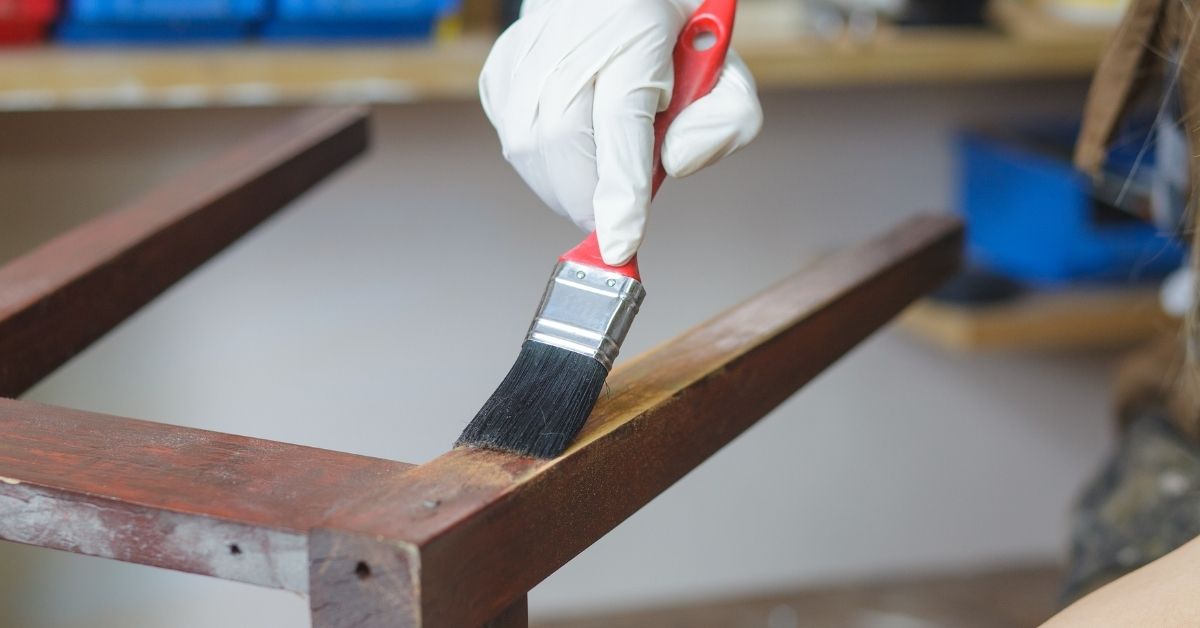
Cleaning Techniques for Smoke Stains
Follow a progression from dry methods to moisture-based cleaning. Begin with dusting and vacuuming to remove loose soot, then move to gentle wet cleaning if needed. Avoid aggressive scrubbing that can embed stains or damage substrates.
Rinse and dry in stages, and stop if stains or odors persist after testing a cleaner. If you can’t achieve satisfactory results, consider professional remediation or structural assessment per local rules and label guidance.
Dry cleaning with chemical/soot sponges
Start by wearing your PPE. Soot sponges are great for removing loose dry residue from surfaces without smearing. They’re like a dry eraser for smoke stains.
Here’s how to use them: Gently rub the sponge over the stain in multiple light passes. Don’t press too hard, as that can push the soot deeper into porous materials.
Tip: For tough spots, lightly dampen the sponge with water and a drop of mild detergent. But remember, less is more to avoid spreading or setting the stain.
Wet cleaning and degreasing (TSP alternatives)
For tougher stains, you’ll need a wet clean. TSP (trisodium phosphate) is traditional, but it’s harsh. Opt for safer alternatives like dish soap or borax.
Dilute your cleaner in warm water according to the product’s instructions. Dip a soft-bristle brush into the solution and gently scrub the stain. Work from top to bottom to avoid spreading dirt.
Rinsing: Rinse thoroughly with clean water, working from top to bottom again. Be careful not to over-wet porous surfaces or you’ll end up with tide marks.
Cleaning porous materials and fabrics
Porous materials like wood, brick, or fabric absorb stains differently. The right cleaner and technique make all the difference.
- Curtains & Upholstery: Use a mild detergent and warm water. Gently blot with a damp cloth. Avoid scrubbing, as it can damage fibers.
- Carpets: Choose a cleaner designed for your carpet’s fiber type (nylon, polyester, etc.). Always test in an inconspicuous area first.
- Soft Goods: For clothes and linens, use a gentle detergent. Pre-treat tough stains with a stain remover before washing.
- Wood & Brick: Use a cleaner specifically designed for these materials. Avoid harsh chemicals that can damage or discolor.
- Professional Help: If the material is delicate, heavily soiled, or you’re unsure, call a professional. It’s cheaper than replacing damaged items.
Sealing and Priming to Block Stains and Odors
A quality sealer or primer helps block bleed-through from tannins, nicotine, and odors. Choose a product labeled for stain blocking and odor control, compatible with your substrate. Apply as directed to create a uniform foundation for paint.
Match the sealer to the surface type (drywall, plaster, masonry, wood) and review the label for compatibility with topcoats. If in doubt, verify product specs with the manufacturer or store data sheets before purchase.
Shellac vs Oil-Based vs Water-Based Primers
Choosing the right primer is crucial to block stains and odors. Here’s a comparison:
Shellac – Natural stain blocker, ideal for tannins in wood. Dries fast but can darken over time.
Oil-Based – Good stain blocking, slow drying. Can yellow over time. Great for nicotine stains.
Water-Based – Low VOCs, quick drying, no yellowing. May not block as well as oil or shellac but still effective.
Application Tips for Effective Sealing
Prep your surface: Clean, dry, and sand lightly (120-grit). Wipe off dust.
Apply primer in thin, even coats. Don’t overapply – it won’t block better, just take longer to dry.
Follow label directions for recoat times. Typically, wait 4-6 hours between coats and 24 hours before painting.
Tip: Use a good quality brush or roller for even coverage.
Painting Techniques and Choosing the Right Paint
After priming, select a paint type and finish that balances durability with cleanability in spaces that had smoke exposure. Consider surfaces that resist staining and are easy to wipe down. Follow the manufacturer’s guidance for application on smoke-affected areas.
Choose finishes that are less prone to showing imperfections and can be cleaned without damage. Always check the product instructions for substrate compatibility and recommended number of coats with your specific setup.
Paint finishes and durability
When choosing a paint finish for formerly smoke-affected rooms, consider both appearance and ease of cleaning. Flat paints have a matte look but are harder to clean. Eggshell and satin finishes offer a balance between sheen and washability, making them great choices for living spaces.
Satin finishes are more durable and easier to clean than flat or eggshell, but they reflect light more, which can highlight imperfections in the surface. Semi-gloss is highly durable and easy to clean, perfect for high-traffic areas like kitchens or bathrooms, but it has a noticeable sheen.
Tip: For durability and cleanability, satin finishes are often the best choice for living spaces that have been affected by smoke. They provide a good balance between appearance and ease of maintenance.
Painting high-risk or repeat-exposure areas
Kitchens, rooms with fireplaces, or smoking areas are prone to repeated exposure to smoke, grease, and other contaminants. To extend the life of your paint job in these areas, consider using washable paints.
Washable paints are designed to withstand frequent cleaning without losing their color or sheen. They’re an excellent choice for high-traffic areas where surfaces may need periodic maintenance. Additionally, consider applying a fresh coat of paint every 2-3 years in these areas to maintain the surface’s protection.
Tip: For extra durability and stain resistance, consider using a paint with built-in mildew and mold inhibitors, especially for rooms prone to moisture like bathrooms or kitchens.
Odor Control, Neutralization, and Long-Term Monitoring
Address odors with a combination of immediate options such as ventilating, masking, or small-scale absorbers, while understanding each method has limitations. Avoid relying on a single fix for persistent smells. Plan multiple approaches if needed.
Monitor the room over time after painting and sealing to catch any lingering smells. If odors reappear, review the product labels, data sheets, and local guidelines to determine next steps or ventilation adjustments.
Air treatment options: HEPA, activated carbon, ozone (cautions)
After cleaning and sealing surfaces, focus on treating the air to remove lingering odors. Air purifiers are your best bet.
HEPA filters trap 99.97% of particles as small as 0.3 microns. They’re great for dust and soot but less effective against gases and odors.
Activated carbon filters absorb odors, VOCs, and smoke. Combine them with HEPA for best results. Change filters regularly to maintain effectiveness.
Beware of ozone generators. While they can neutralize odors, they produce ozone, a lung irritant. Use only in well-ventilated areas and avoid prolonged exposure. Safe alternatives include natural air purifiers like plants or essential oil diffusers with proper ventilation.
Hidden sources and follow-up checks
Smoke odors can hide in unexpected places. Inspect thoroughly to prevent recurrence.
Check HVAC ducts. If they’re contaminated, consider professional cleaning. Seal any leaks to prevent re-entry of odors.
Inspect insulation, wall cavities, and closets for trapped odors. Remove and replace insulation if it’s saturated with smoke or soot. Seal wall cavities after ensuring they’re clean and dry.
Regularly check these areas post-painting, especially during the first few months. If odors return, deeper remediation may be required. Keep records of follow-up checks for future reference.
Conclusion
Getting a clean, durable finish after smoke damage comes down to careful prep, proper sealing, and smart painting. Prioritize safety, protect your home from lingering odors, and avoid costly rework by following solid steps and testing as you go.
Make this a practical sequence: assess the surfaces with a good light, wear the right PPE, ventilate the area well, clean the stains, dry completely, seal and prime to block stains and odors, choose the right paint, and apply in thin, even coats while watching for runs or peeling. Start with a small test area to confirm adhesion and odor control before you commit to the whole project, then monitor results over the next days and be ready to recoat if needed.
Common mistakes to avoid include skipping ventilation or PPE, rushing cleaning or sealing, and using the wrong primer or paint for smoke stains. Never skip a test patch, never skip drying time between steps, and never seal over a dirty or damp surface. If in doubt about the extent of damage, or if you smell lingering odors after sealing and painting, pause and reassess—strong odors or wet patches can signal deeper issues.
If the stains are widespread, the area is structurally compromised, or odor control remains stubborn after a second coat, consider bringing in a pro. Stay steady, follow the steps, and you’ll see durable results and keep your project moving forward with confidence.
FAQ
How do I know when cleaning is sufficient before sealing?
Look for surfaces that aren’t tacky and have no lingering smoke smell. If stains bleed or odors persist after wiping, you may need another cleaning pass or a stronger cleaner per label directions. Always follow the product instructions and test a small area first.
What should I check on sealants or primers intended to block odors and stains?
Read the label for stain-blocking or odor-control claims and any surface prep notes. Check drying times, ventilation needs, and whether it can be used under the paint you chose. If in doubt, consult the manufacturer’s instructions or local rules.
How should I ventilate during cleaning, sealing, and painting to stay safe?
Open all doors and create airflow with windows or a temporary fan setup. Avoid confined spaces with strong fumes; don’t run multiple high-odor tools in a small room. Always wear PPE and follow product-specific ventilation guidance from the label.
What are common mistakes to avoid after smoke damage when repainting?
Skipping proper cleaning, skipping or over-sealing, or rushing primer and paint layers leads to bleed-through. Don’t ignore odor lingering or stained areas; re-check surface prep and follow label directions for each product. If unsure, pause and verify with the product instructions or manufacturer guidance.