

Introduction
CSA cement repairs are fast-setting patches that stay solid rather than crumbling. This guide shows you how to apply them on small cracks, chips, and damaged edges without turning the project into a mess. You’ll get a workable patch quickly and keep the surface ready for use.
Check product labels and follow manufacturer instructions for mixing and curing. Prep the area, choose the right patch product, and apply in thin layers, letting each set. If in doubt about local rules or safety, ask the store or read the label.
Key takeaways
- Inspect moisture and structural damage before selecting CSA repair patch materials.
- Ensure surface is clean, roughened, and dry for optimal patch adhesion.
- Follow manufacturer instructions for mixing and curing; don’t rush the set.
- Use proper PPE and know ventilation when working with CSA cement powders.
- Protect patches during cure with barriers and avoid traffic until firm.
- Surface preparation and dust control prevent delamination and future repairs.
Table of Contents
- Introduction
- Key takeaways
- What Is CSA (Calcium Sulfoaluminate) Cement and How It Works
- Common Applications and Use Cases for CSA Repair Patches
- Surface Preparation — the Critical First Step
- Tools and Materials Checklist for DIY and Pro Crews
- Mixing and Application Best Practices
- Curing, Protection, and Rapid Reopening Strategies
- Troubleshooting Dusting and Delamination — Causes and Fixes
- Material Specs, Standards, and Quality Control Testing
- Conclusion
- FAQ
What Is CSA (Calcium Sulfoaluminate) Cement and How It Works
CSA cement is a rapid-setting binder used for patches and repairs. It reacts differently from ordinary Portland cement, delivering quicker early strength under proper conditions. Understanding the chemistry helps you predict performance and plan your repair schedule.
Look up the technical data sheet from the manufacturer to confirm strength gain, curing requirements, and environmental notes. Verify any claims about CO2 impact and compatibility with associated products. Use the label and instructions as your baseline for a successful patch.
Key properties that make CSA ideal for repairs
CSA cement’s rapid set and high early strength are game-changers when it comes to repairs. Here’s why:
Rapid Set: CSA sets in as little as 15 minutes, meaning you can apply the patch and get back to using the area quickly.
High Early Strength: Within a few hours, CSA reaches strengths comparable to Portland cement. This means your repair won’t crumble under light traffic or usage.
CSA also has unique shrinkage behavior and excellent bond potential, making it less likely to crack or peel over time compared to other repair materials.
How CSA differs from Portland cement repair mixes
While both can be used for repairs, CSA and Portland cement have distinct characteristics:
Setting Time: As mentioned earlier, CSA sets much faster than Portland cement. This is due to its different chemical makeup.
Strength Development & Curing Needs: CSA reaches early strength quickly but may not match Portland’s long-term strength. However, it requires less water and has lower curing needs, making it more user-friendly for DIY repairs.
Common failure modes with Portland-based mortars include delayed ettringite formation (DEF) and sulfate attack. CSA is resistant to these issues but can be sensitive to high temperatures during application.
Common Applications and Use Cases for CSA Repair Patches
CSA fast-set patches excel for spalls, shallow repairs, and trowel finishes where time matters. They’re handy for vertical and overhead repairs where work windows are tight. In some situations a slower product may be preferable for extended working time.
Consider the repair context and traffic needs when choosing CSA. Always check if a slower option provides better bond and finishing control, and verify recommendations on the product label or data sheet. Align your choice with the task at hand and local guidance.
Typical repair scenarios (concrete spalls, toppings, joints)
CSA fast-set patches shine in quick turnaround repairs. Here’s when to use them:
Spalls: CSA’s rapid strength gain lets you fix those ugly concrete chips quickly and safely reopen the area.
Toppings: Need a new surface layer fast? CSA can be applied and reopened in hours, not days.
Joints: CSA’s resistance to sulfate attack makes it ideal for filling expansion joints. Plus, it sets fast, minimizing downtime.
In cold weather, CSA’s ability to set at lower temperatures keeps your project on schedule.
When not to use CSA — limitations and contraindications
While CSA is versatile, it’s not the best choice in these situations:
Large pours: CSA isn’t designed for massive volumes. For big jobs, consider traditional Portland cement-based mixes.
Long working times needed: If you need hours to place and finish your repair, choose a slower-setting product. CSA starts setting within minutes.
Compatibility concerns: CSA isn’t compatible with certain admixtures or reinforcing materials. Always check before mixing.
For these cases, stick with traditional Portland cement-based repairs or consult a concrete specialist for advice tailored to your project.
Surface Preparation — the Critical First Step
Start with a clear assessment of the damaged area. Remove all unsound concrete and loose material until sound edges show. Clean the surface to remove dust, oil, and debris that can prevent bonding.
Profile the substrate to the level required by the product instructions. If in doubt, test adhesion on a small area and follow up with manufacturer guidance. Poor prep almost always leads to dusting or bond failure.
Mechanical preparation and visual checkpoints
Before you start patching, follow this checklist to ensure a solid foundation for your CSA cement repair.
- Remove loose concrete: Chip or grind away any unsound, crumbling material. If not done, the patch won’t stick.
- Exposed aggregate: Ensure at least 1/4″ of clean, sound aggregate is visible. Less than this may lead to weak bonding.
- Surface profile: Use abrasive blasting or grinding to create a rough surface. This increases the patch’s grip on the substrate.
- Edges defined: Clearly define the edges of the repair area. This prevents the patch from bleeding into unwanted areas.
- No laitance: Remove any smooth, weak, cement-rich layer (laitance) left behind after chipping or grinding.
- Uniform depth: Ensure the repair area is of uniform depth. Inconsistencies can cause stress points in your patch.
- No active delamination: Check for any lifting or peeling of the existing concrete. If present, address it before proceeding.
- No visible cracks: Fill and seal any visible cracks with a suitable material before applying the CSA cement patch.
Quick rule: A good visual check ensures your repair starts on solid ground.
Contaminant removal and moisture considerations
Before applying the CSA cement patch, it’s crucial to remove any contaminants and control substrate moisture for a successful repair.
Oils, salts, dust: Remove these using suitable cleaning agents or methods. Contaminants can prevent proper bonding of the patch.
Moisture is key. The surface should be damp but not saturated. If it’s too wet, allow it to dry until it feels like a wrung-out sponge. Consult product guidance for specific moisture requirements.
When in doubt: If you’re unsure about the substrate’s condition or moisture content, consult with a professional or the product manufacturer before proceeding.
Tools and Materials Checklist for DIY and Pro Crews
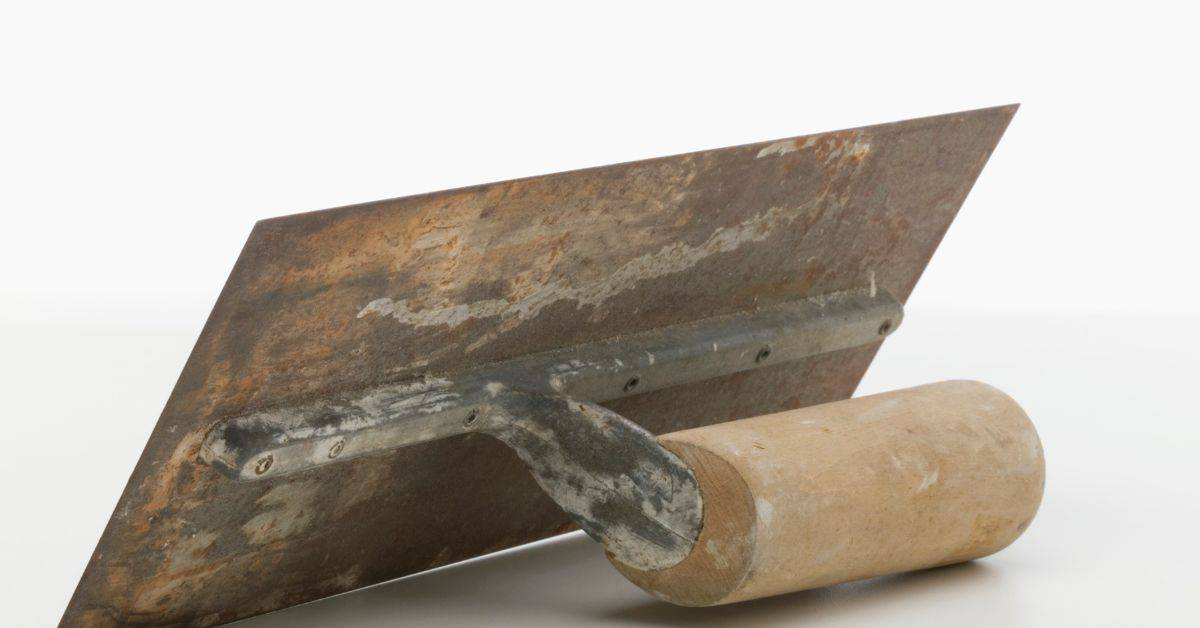
Gather mixing bowls, trowels, margin blades, and a suitable spreader for even patches. Include PPE such as gloves, eye protection, and a dust mask. Have a clean water source and a scupper or bucket for waste mix nearby.
Bring bonding agents or primers only if the CSA system requires them, and confirm compatibility with other products. Check the product label or technical data sheet for exact recommendations. Prepare a small, clean area to test compatibility before large repairs.
Personal protective equipment and safety notes
Before you start mixing, gear up to protect yourself from fast-set cement dust and heat.
- Respiratory protection: Use a NIOSH-approved respirator with a particulate filter. Fast-setting cements kick up plenty of fine dust.
- Eye protection: Wear safety goggles to shield your eyes from cement particles and splashes.
- Gloves: Use heavy-duty gloves to protect your hands from cement burns and cuts. They’ll also help you grip tools better.
- Ventilation: If you’re working in an enclosed space, use a fan to blow dust away from you. Exothermic cures can make it hot too, so keep that in mind.
- Avoid contact with skin: Fast-setting cements cure quickly and generate heat. They can cause burns if left on the skin.
- Protect your clothes: Wear old clothes or a jumpsuit to protect your regular work gear from cement stains.
- Safety glasses with side shields: These offer extra protection for your eyes and face.
- Avoid contact with eyes: If you get cement in your eyes, rinse immediately with water. Don’t rub them!
Quick rule: Always follow manufacturer safety guidelines. They know their product best.
Recommended ancillary materials (primers, bonding agents, admixtures)
To ensure your CSA patch sticks like it should, use these compatible materials.
- Bonding agent: Use a CSA-compatible bonding agent or primer to improve adhesion. Check the manufacturer’s recommendations for their product.
- Acrylic primer: For concrete surfaces with low absorption, an acrylic primer can help your patch bond better.
- Bonding slurry: A thin layer of CSA-based bonding slurry can enhance adhesion and penetration into the existing concrete.
- Avoid unapproved additives: Don’t mix in unapproved additives. They could weaken your patch or cause it to fail.
- Check compatibility: Before mixing, ensure all products are compatible with each other and with CSA cement.
- Follow manufacturer guidelines: Always follow the manufacturer’s instructions for mixing ratios and application methods.
- Clean surface before applying: Ensure the concrete surface is clean and dry before applying any primer or bonding agent. Dirt and moisture can hinder adhesion.
- Test patch first: If you’re unsure about a product, test it on a small, hidden area first to ensure compatibility.
Quick rule: Always check manufacturer recommendations before combining products. Better safe than sorry!
Mixing and Application Best Practices
Mix small batches according to the product instructions to maintain workability. Add water gradually and monitor consistency for a paste that can be compacted without slumping. Work swiftly to place and finish while the mix is within its workable period.
Place patches in layers if needed and use tapping or light compaction to remove voids. Finish with a smooth surface that matches adjacent concrete, then follow the label for any trowel finishing steps and cure requirements.
Achieving the right consistency and avoiding overwatering
Getting the mix right is crucial for a strong, durable patch. Here are common mistakes to avoid:
- Adding too much water: This weakens the patch and can cause dusting later on.
- Ignoring the data sheet: Check your product’s technical data sheet for recommended water-to-cement ratios.
- Not checking mix rheology: The mix should hold its shape when scooped, not be too runny or too stiff.
- Mixing in large batches: For fast-set products, mix small batches to ensure you use it all before it sets.
Remember, a little water goe