

Introduction
Tighten post-installed anchors to a level that provides reliable holding strength without cracking the concrete.
The guide offers practical guidance, tips, and rules of thumb to help you judge tightness, recognize signs of over- or under-torquing, and apply sensible limits across common anchor types.
Key takeaways
- Follow manufacturer torque specs; excess twist risks concrete cracking and anchor failure.
- Preload must align with load type, anchor diameter, and concrete strength.
- Use calibrated torque wrenches and verify setting with consistent torque readings.
- Avoid over-torque on hollow-core or retrofit anchors to prevent embedment damage.
- Document installation torque, anchor type, and concrete condition for future inspections.
- Compare torque sensitivity across anchor types; some require tighter control than others.
Table of Contents
- Introduction
- Key takeaways
- Why torque matters for post-installed anchors
- Torque specifications and how to use them safely
- Tools, measurement, and calibration for accurate torque application
- Preventing concrete cracking while achieving required preload
- Comparing anchor types: torque sensitivity and concrete impact
- Common mistakes, safety considerations, and long-term consequences
- Conclusion
- FAQ
Why torque matters for post-installed anchors
Torque is not the same as strength. It is the tool that helps develop a clamping force inside the hole. Different post-installed anchor types react differently to torque, which changes how well the anchor grips the concrete and transfers load.
Think of preload as the tension in the clamp under service use, while the torque you apply is a means to reach that target preload. Manufacturer torque-tension charts define this relationship for each anchor, and leaving the chart or misreading it can hurt capacity. Proper procedure matters: use a calibrated torque wrench, keep threads clean and dry, and avoid rapid or impact torquing that can shock the substrate. Embedment depth and edge proximity also shift the torque-to-clamp relationship and can lead to crushing if not accounted for. Common pitfalls include under-torquing and over-torquing, with quick verification steps and re-torque considerations after cure to ensure stability.
Torque vs. tension — fundamentals for anchors
When you apply torque to a post-installed anchor, it’s not the torque itself that holds your connection together. It’s the axial tension, or preload, that develops in the anchor bolt as a result of that torque.
The relationship between applied torque and resulting tension varies depending on the type of anchor. For example, expansion anchors rely more on friction to develop clamp force, while undercut anchors depend heavily on mechanical interlock.
Remember, torque is just a tool to achieve the desired preload. It’s not a direct measure of strength or clamping force.
How concrete responds to torque and preload
Concrete is strong in compression but weak in tension. When you install an anchor, it’s subjected to local compressive stresses at the base of the bolt and tensile stresses around the hole.
If not properly managed, these stresses can lead to cracking. Too much torque can cause excessive compression, leading to concrete crushing. Too little torque may result in insufficient embedment, causing tension cracks.
The key is to find the sweet spot where you apply enough torque to develop a good clamp force without overstressing the concrete.
When torque is not the limit — other failure modes
While proper torquing helps prevent anchor failure, it’s not the only factor. Other failure modes can occur if not designed for:
Pullout happens when the anchor slips out of the hole under load. This is often due to insufficient embedment depth or edge distance.
Concrete cone failure occurs when a cone-shaped piece of concrete breaks off around the anchor, reducing its load-carrying capacity. This can happen if the anchor is too close to an edge or crack.
Even with correct torquing, steel yielding can occur if the anchor bolt itself isn’t strong enough to withstand the applied loads.
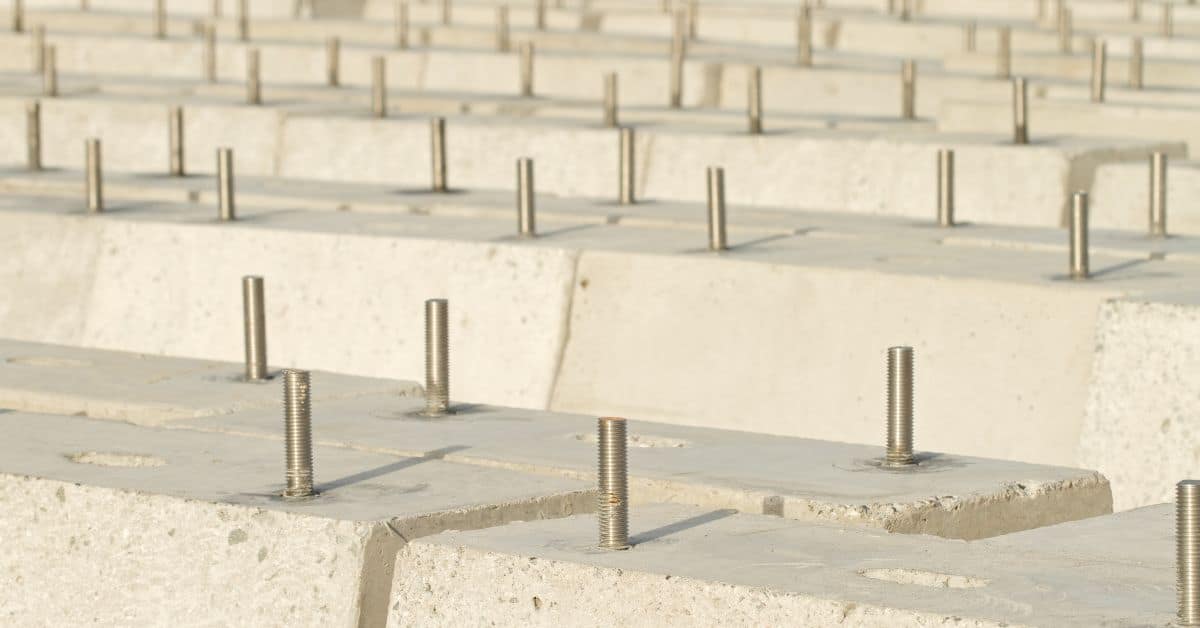
Torque specifications and how to use them safely
Torque specs come from manufacturer charts, testing reports, and design standards. Look for the exact chart version or data sheet that matches your anchor type and concrete. Cross-check with applicable codes or standards that the project references.
When you read torque data, connect it to tension, friction, embedment, and geometry. Substrate variability and surface conditions can shift the real-world results. Map jobsite conditions such as concrete strength and edge distances to the spec values, and use calibrated wrenches and verification methods to confirm installation. If conditions deviate from standard, document the reason and consider test data or engineering judgment to fill gaps.
Manufacturer charts vs. published standards
Both manufacturers and design standards provide torque specifications, but they’re not always the same.
Manufacturers’ charts are based on their own tests and often include specific anchor types and concrete conditions. They’re a good starting point.
However, published standards like ICC-ES, ACI, or ASTM offer general guidelines applicable to various anchor types and conditions. They should be your final authority when designing critical connections.
If there’s a conflict, always prioritize the tested values from either the manufacturer or standard that best matches your jobsite conditions.
Adjusting torque for concrete condition and anchor type
Concrete condition and anchor type can affect torque requirements. Here’s how to adjust:
Cracked or low-strength concrete: Reduce torque by 20-30% to avoid further damage.
Different anchor families have varying torque needs:
- Wedge anchors: High torque, but can cause cracking in weak concrete.
- Sleeve anchors: Moderate torque, less likely to crack weak concrete.
- Screw anchors: Low torque, suitable for low-strength concrete.
- Adhesive anchors: Varies by type; follow manufacturer’s guidelines.
When to perform on-site verification testing
Sometimes, you need to verify torque values with on-site tests. Here’s when:
Unusual substrates: If your concrete is significantly different from standard conditions (e.g., lightweight or recycled aggregate), test it.
Critical connections: For life-safety or high-load applications, pullout or tension tests can provide peace of mind.
Inconsistent torque results: If you’re getting varied readings during installation, perform a test to ensure all anchors are performing as expected.
Tools, measurement, and calibration for accurate torque application
The tools covered include manual torque wrenches, torque screwdrivers, torque multipliers, and calibrated impact wrenches. Choose the tool based on anchor type, access, and the smoothness you need in tightening. Each tool has its best-use scenario on the jobsite.
Calibration is essential. Calibrate regularly and keep records with tolerance ranges and traceability. Read torque on the appropriate dial or scale and know where to place indicators for accurate readings. Handheld versus power tools each have trade-offs in control, consistency, noise, recoil, and the risk of over- or under-torquing. Follow pre-use checks and recheck after setting, and stop if anything looks off or shows wear.
Choosing the right torque tool for the anchor and environment
The right torque tool makes your job easier, faster, and more accurate. Here’s what to consider:
- Manual Torque Wrench (0-150 ft-lbs): Affordable, portable, and precise for smaller anchors like expansion and undercut anchors.
- Torque Screwdriver (0-30 ft-lbs): Ideal for small anchors in tight spaces. Great for DIY projects but limited torque range.
- Torque Multiplier (0-500 ft-lbs): Provides high torque for large anchors like drop-in and post-tensioned systems. Requires a drill or impact wrench.
- Calibrated Impact Wrench (0-200 ft-lbs): Fast and powerful, perfect for repetitive installations. Needs regular calibration to maintain accuracy.
- Rentable Tools: For occasional use, consider renting tools like high-torque impact wrenches or multipliers. Prices vary by region but expect $20-50 per day.
Calibration, maintenance, and on-site verification
Regular calibration ensures your tool’s accuracy. Here’s how to keep your tools in top shape:
Calibrate annually or after 50 hours of use. Check manufacturer guidelines for specific tools. Acceptable tolerance is ±3% of full scale.
Use a certified lab or follow traceability to NIST standards for calibration. Document results for QA and compliance.
Maintain your tool: Store in a dry place, clean after each use, and lubricate as needed. Check for damage before each use.
Visual and mechanical checkpoints during installation
Regular checks ensure a solid anchor installation. Use this checklist:
- Embedment Depth: Check the anchor is set to the correct depth for your application.
- Flushness: Ensure the anchor head is flush with or slightly below the surface to prevent stress concentrations.
- Crack Checks: Look for cracks around the hole before and after installation. If present, re-evaluate your concrete condition.
- Torque Reading Consistency: Check readings are within 5% of target torque to ensure consistency.
- Witness Marks: Make a mark on the anchor or use a witness hole to check for rotation during tightening.
- Concrete Condition: Inspect concrete for signs of damage, delamination, or weak areas before and after installation.
- Anchor Type Compatibility: Ensure your tool is suitable for the anchor type being installed (e.g., expansion, undercut, etc.).
Quick rule: If something doesn’t look right, stop and re-evaluate. Catching issues early prevents costly mistakes.
Preventing concrete cracking while achieving required preload
Start with proper hole preparation: correct diameter, depth, cleanout, and thorough dust removal to prevent binding. A clean hole reduces peak stresses and helps the anchor seat evenly. The right anchor type for the concrete condition also matters to minimize cracking risk.
Define a torque or tension sequence that steps up gradually to the target preload using manufacturer guidance. Maintain safe edge distances and spacing to reduce crack initiation. When needed, load-distribute with backing plates, washers, or spacers to spread load and lessen localized crushing in the surrounding concrete.
Drilling, cleaning, and hole condition best practices
The first step to preventing concrete cracking is drilling a clean, well-prepared hole. Use the correct drill size – too small means the anchor won’t fit right, too big leaves room for movement.
Clean out the hole thoroughly. Blow out dust with compressed air or brush it away. Dust left behind can cause stress concentrations when you tighten the anchor, leading to cracks.
Drill to the correct depth. Too shallow and the anchor won’t have enough concrete to grip; too deep and you risk hitting reinforcement or weakening the structure.
Spacing, edge distance, and layout planning
Spacers between anchors matter. Too close together and you increase stress on each anchor. Aim for at least three times the anchor diameter apart.
Edge distance is crucial too. Concrete near edges is weaker. Keep anchors at least 1.5 to 2 times their diameter away from edges.
If you’re anchoring into a corner, use an L-shaped anchor or increase edge distance on both sides. If spacing is tight, consider using smaller anchors or alternate anchoring solutions.
Using load-distributing hardware and protective measures
For high-torque applications, use washers or bearing plates. They spread the load over a larger area, reducing local concrete stresses.
Grout pads can help too. They fill voids between the anchor and hole, distributing stress evenly and preventing localized cracking.
Remember, these are protective measures. They won’t prevent cracks entirely if you’re overtightening or using the wrong anchor for your concrete conditions.
Comparing anchor types: torque sensitivity and concrete impact
Torque sensitivity varies by anchor type: wedge, sleeve, drop-in, screw, undercut, and adhesive all respond differently to tightening. This translates into varying levels of stress in the surrounding concrete. Choose the system based on how torque will affect embedment and crack risk.
High-torque scenarios reveal different failure modes across anchors: some may crack the concrete, others may pull out or strip threads. Factors like concrete strength, embedment depth, and edge distance shift the torque requirements. A quick, practical snapshot helps with decision-making, and always check manufacturer charts and post-install verification steps for accuracy.
Mechanical expansion anchors vs. screw/lag-type anchors
Expansion and screw/lag anchors differ in how they develop clamp force and react to overtightening, affecting concrete stress.
Expansion Anchors: These use a wedge or sleeve that expands when the bolt is tightened. Overtightening can cause excessive expansion, leading to concrete cracking if not installed properly. Torque must be controlled to prevent this.
Screw/Lag-Type Anchors: These rely on friction between threads and concrete for holding power. Overtightening can strip threads or cause the anchor head to fail, but they’re less likely to crack concrete than expansion types. Torque must be high enough for proper engagement but not so high that it causes failure.
Adhesive/Epoxy Anchors — Torque Considerations and Advantages
Bonded anchors rely on adhesive strength rather than immediate mechanical torque. Correct torque is crucial to develop preload without damaging the substrate or bond.
Torque should be enough to ensure proper embedment and initial set of the adhesive, but not so high that it causes concrete cracking or disrupts the bond. Follow manufacturer guidelines for specific torque ranges.
Advantages include higher capacity in low-strength concrete and better resistance to vibration and cyclic loading compared to mechanical anchors.
Specialty Anchors for Thin or Low-Strength Concrete
Fragile concrete requires special attention. Thin sections and low strength can lead to cracking under high torque.
Undercut anchors: These create a recess in the concrete, reducing stress concentration at the surface. They’re suitable for thin sections but require specialized tools.
Light-duty mechanical anchors: Some expansion and sleeve anchors are designed for low-load applications and can be used in low-strength concrete with careful torque control.
If in doubt, consult an engineer or use alternative anchoring systems like powder-actuated fasteners or chemical anchors specifically designed for thin or weak concrete.
Common mistakes, safety considerations, and long-term consequences
Three common user errors are over-torqueing, under-torqueing, and improper hole preparation. Each has practical indicators and quick checks you can perform on site. Safety considerations include PPE, buried utilities awareness, dust control, and safe handling of anchors to prevent injuries.
Environment and substrate factors like age, moisture, temperature, and exposure influence torque choices and long-term performance. Incorrect torque can lead to cracking, anchor pull-out, or reduced load capacity, which drives higher maintenance or replacement costs. Keep documentation of verifications, calibrations, and inspection intervals to support ongoing safety and performance.
How over-torqueing accelerates damage and repair costs
Over-torquing is a common mistake that can cause immediate and long-term damage to your concrete anchor installation. Here’s what happens:
Crack Initiation: Excessive torque creates high stress concentrations around the anchor, leading to micro-cracks in the concrete. These cracks reduce the anchor’s grip strength and allow moisture and chemicals to penetrate.
Reduced Service Life: Cracks provide pathways for corrosion, which weakens the anchor and reduces its service life. Over-torqued anchors may fail prematurely under load, leading to costly repairs or replacements.
Likely Repair Scenarios: You might notice cracks around the anchor, anchor pull-out, or reduced load capacity. Repairs can range from simple re-anchoring to extensive concrete repair or replacement, increasing lifecycle costs.
Legal, inspection, and documentation practices
Proper documentation is crucial for liability protection, future inspections, and maintenance. Use this checklist when installing anchors:
- Record Torque Readings: Document the torque applied to each anchor.
- Calibration Records: Keep records of your torque wrench calibration dates and results.
- As-Built Conditions: Note any anomalies, cracks, or other issues present during installation.
- Anchor Type & Size: Record the type, size, and manufacturer of each anchor used.
- Installation Date: Log the date of installation for future reference.
- Environmental Conditions: Note temperature, humidity, and other relevant conditions at the time of installation.
- Inspection Intervals: Schedule regular inspections to catch any issues early.
- Sign-off & Witnesses: Have a witness sign off on the work and keep their contact information.
Quick rule: Always document your anchor installations. It’s not just good practice; it’s often required by law or code for certain projects.
Troubleshooting and repairs for torque-related issues
If you encounter problems with your anchor installation, here’s how to address them:
Stripped Anchors: If the anchor head strips or the nut spins, you’ll need to remove it. Use a left-handed drill bit or an impact wrench to reverse out the stripped anchor. Replace it with a new one, ensuring proper hole preparation and torque application.
Cracked Concrete: If cracks appear around the anchor, assess their severity. Hairline cracks may be okay, but wider cracks warrant repair. Use an epoxy injection or other appropriate method to fill and seal the crack, then re-anchor if necessary.
Compromised Anchors: If anchors are damaged, loose, or show signs of corrosion, remove them and replace with new ones. Always follow manufacturer guidelines for removal and reinstallation. If you’re unsure about any aspect, consult a structural engineer.

Conclusion
Getting the torque right on post-installed anchors protects safety, keeps the structure durable, and makes the finish look good. If you over-torque or under-torque, you risk cracks, loose fasteners, or costly fixes later.
First, confirm the exact torque specification for your anchor and use the right tool with proper calibration. Check the installation surface and setback, then apply torque in steady steps, pausing to inspect for any cracking or movement. Test on a small, inconspicuous area first, keep to the specified range, and document your readings so you stay consistent.
Common mistakes to avoid are pushing beyond the rated torque, using the wrong anchor type for the concrete, and skipping calibration or regular checks. A simple safety rule: never guess the tightness by feel alone, always verify with a torque check within the spec and stop if you see cracking, bond loss, or unusual resistance.
If the project would require unusual loads, mixed substrates, or you’re near edges or existing damage, call a professional and get a second opinion before proceeding. Stay methodical, work cleanly, and you’ll finish with anchors that hold, look right, and stand up to long-term use. You can do this, one precise torque at a time.
FAQ
How tight is tight when installing post-installed anchors?
Follow the manufacturer’s torque spec for the exact anchor and sleeve size. Use a torque wrench and stop as soon as the screw or bolt reaches that spec. Don’t guess or go by feel.
What happens if I over-tighten an anchor?
Over-tightening can crack or spall the concrete around the hole. The anchor can deform or fail to grip, which weakens the hold and may cause the fixture to come loose.
Should I tighten until the fixture is snug or get it extra tight?
Tighten to the specified torque, not past it. Once the fastener reaches the proper torque, stop and check that the fixture sits flush without wobble.
How do I know the installation is correct after torquing?
Verify you’ve reached the design torque with a torque wrench. Check for solid seating and no movement, then perform any required load test per the project specs or manufacturer guidance.