
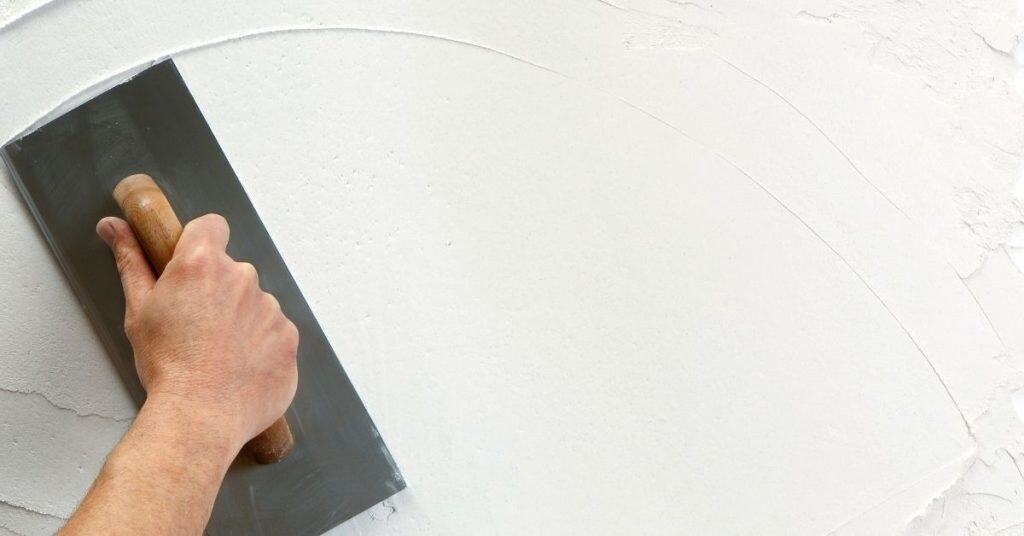
Introduction
Stabilizing movement before patching means stopping the wall from shifting so the patch can stick. This is a hands-on job, not a quick cover-up. You’ll address the underlying cause first, then patch.
Start by locating what’s moving in the wall and take steps to stop it. Secure loose framing with basic fixes and let any adjustments settle before you patch. Once the area feels stable, follow the patch material’s instructions for bonding and curing.
Key takeaways
- Stabilize movement before patching; use proper bracing or anchors to prevent new cracks.
- Diagnose crack cause early to choose patch method and repair sequence.
- Safety warning: wear eye protection and respirator when cleaning or sanding.
- Control moisture and humidity around plaster to reduce re-cracking risk.
- Use compatible repair materials; follow manufacturer instructions and local code guidelines.
- Visual checkpoints: inspect movement after stabilization before final patching.
- If in doubt, call a professional early; describe expected process and what to discuss.
Table of Contents
- Introduction
- Key takeaways
- Diagnose the Cause Before You Repair
- Plan the Repair: Stabilize First, Then Patch
- Stabilization Techniques That Stop Re-Cracking
- Materials and Tools Checklist
- Step-by-Step Workflow for a Lasting Repair
- Visual Checkpoints and Quality Inspections
- Prevent Recurrence: Environmental and Maintenance Strategies
- When to Call a Professional and What to Expect
- Conclusion
- FAQ
Diagnose the Cause Before You Repair
Start by identifying why the crack appeared in the first place. Movement, moisture, thermal changes, impact, or settlement each point to a different repair path. Understanding the root cause helps you choose a lasting fix rather than a quick cover up.
Check visible cues, then confirm with product labels, manufacturer instructions, or local guidance. If in doubt, document what you observe and what you plan to verify before proceeding. This step sets the direction for the whole repair.
Common crack patterns and their likely causes
Cracks in your plasterwork can tell a story. Understanding these patterns helps you diagnose the root cause before you repair.
Hairline cracks are thin, usually less than 1mm wide. They often indicate minor settlement or thermal movement.
Stair-step cracks follow the corners of walls and ceilings. This is a sign of structural settlement or foundation issues.
Diagonal cracks run at an angle to walls, floors, or ceilings. They often indicate serious structural problems like foundation failure or roof sagging.
Corner cracks appear where walls meet the ceiling. They can be due to thermal movement or settlement.
Map cracks, with their irregular, branching pattern, suggest impact damage or severe settlement.
How to tell active movement from dormant cracks
Not all cracks are equal. Some are old and harmless, others are active and need immediate attention.
Use duct tape or a paint marker to monitor crack width over time. Mark the edges of the crack, then recheck after a few weeks. If the marks have moved, the crack is active.
Take photographs from the same angle and distance at regular intervals. Compare them to see if the crack has widened or changed shape.
If you notice progressive widening or new branching, act fast. These are signs of ongoing movement that needs immediate repair.
Red flags that need a structural assessment
Some cracks are more than just cosmetic. They’re warning signs of serious issues that need professional attention.
If cracks are progressively widening, it’s time to call in the experts. This could indicate ongoing settlement or foundation failure.
When doors or windows start to bind or stick, it’s a sign of structural movement that needs assessment.
Visible foundation shifts, like bulging or leaning walls, are clear red flags. Don’t wait – get a professional inspection right away.
Plan the Repair: Stabilize First, Then Patch
Evaluate whether a cosmetic patch will suffice or if stabilization of the substrate is needed. The decision hinges on movement, continuing stress, and the crack pattern. A clear plan prevents wasted effort on an unstable surface.
Outline the sequence: stabilize, then patch and finish. If you’re unsure, consult the material data sheet or manufacturer instructions for the recommended workflow. Make sure your plan aligns with local rules or codes as needed.
Matching repair scope to cause and location
Before you start patching, figure out what caused the crack. The fix depends on that.
For cosmetic cracks – small, hairline, no movement – a simple touch-up might do. But if it’s wider, or there’s movement, you need more.
If the cause is localized (like a leak), stabilize just that area. If it’s structural (like settling), you’ll need to address the whole system.
Prioritizing actions: stop movement vs. fix plaster
Don’t rush into patching. First, stop whatever’s causing the movement.
If it’s framing or lath, stabilize that first. If it’s moisture, control that before you apply any filler.
Why? Because if you just patch over moving plaster, your repair will crack again. And again.
Stabilization Techniques That Stop Re-Cracking
Cover the main methods: stitching or bridging to span the crack, ties and anchors to reattach loose parts, substrate repair to solidify the base, and adhesive injections for bonded control. Each technique addresses different movement and setup. Choose the method that matches the crack behavior you observed.
Use product labels or installation guides to confirm how to apply each technique. If you’re uncertain, note the conditions you’ll check before starting and proceed only after you’ve verified the approach. Tailor the plan to the specific crack pattern on your wall.
Stitching and mesh bridging across cracks
Cracks in plaster can be caused by differential movement. To stop them from reopening, you need to bridge the crack with reinforcement. This transfers loads evenly and limits further movement.
Use metal or fibrous mesh for this. Stainless steel is best as it won’t rust. Fiberglass is also good but less durable.
Key: The mesh should be wider than the crack to provide proper support.
Securing loose lath/plaster with ties or anchors
Loose plaster can flex and cause cracks. To fix this, you need to re-anchor it back to the framing.
Use expansion anchors for this. They’re easy to install and provide good holding power. Screw them into the studs behind the loose plaster.
Tip: Use a toggle bolt if you hit a hollow spot where there’s no stud.
Fixing the moving substrate (framing, foundation, or masonry)
The source of movement could be from the substrate itself. Before patching, fix this first.
For framing, sister studs to strengthen them. For settlement issues, use a piering system to lift and stabilize the foundation. For masonry, repair mortar joints to prevent further cracking.
Remember, these repairs need to be done by a professional if you’re not sure how to do it yourself.
Materials and Tools Checklist
Put together a practical kit with reinforcement, bonding agents, patching compounds, and safety gear. Include items for stabilization and for the actual patch work. Keep the list focused on what you will use in this project year and plan.
Cross-check product instructions or the label on each item for prep, application, and curing notes. If a detail isn’t clear, look up the manufacturer’s guidance or local requirements. This helps you avoid surprises during the job.
Material types explained and when to use them
Before you start, understand the different materials available. Each has its own strengths and best uses.
- Lime-based plasters: Traditional, breathable, great for historic homes. Not ideal for new builds with high moisture.
- Gypsum-based plasters: Common in modern homes, easy to apply, but can crack if not allowed to dry slowly.
- Cement-based plasters: Durable, water-resistant. Can be too hard and brittle for interior walls.
- Modern patch compounds: Quick-setting, flexible. Ideal for small repairs, but may not match existing finish.
- Bonding agents: Essential for ensuring new plaster sticks to old. Skip it, risk delamination.
- Epoxy/resin injections: For deep crack repair, stop movement at source. Not DIY-friendly, consider professional help.
- Reinforcement options: Lath, mesh, or fiberglass tape. Prevents cracking from substrate movement.
Quick rule: Match material to your home’s age, moisture levels, and the specific repair needed.
Essential tools and safety equipment
Gather these tools before starting. Safety first, always!
- Hawk and trowel: For applying plaster. Different sizes for different jobs.
- Putty knife: For small repairs and smoothing edges.
- Scrub brush: To clean surfaces before application.
- Safety glasses: Protect eyes from dust and debris. Don’t skip, it’s dangerous!
- Dust mask: Essential for mixing and applying plaster. Reduce health risks.
- Gloves: Protect hands from chemicals and sharp edges.
- Ladder or scaffolding: For high walls. Ensure stability, use levelers if needed.
- Mixing equipment: Bucket, drill with paddle attachment for smooth mixes.
Quick rule: Always check material compatibility before purchase to avoid costly mistakes.
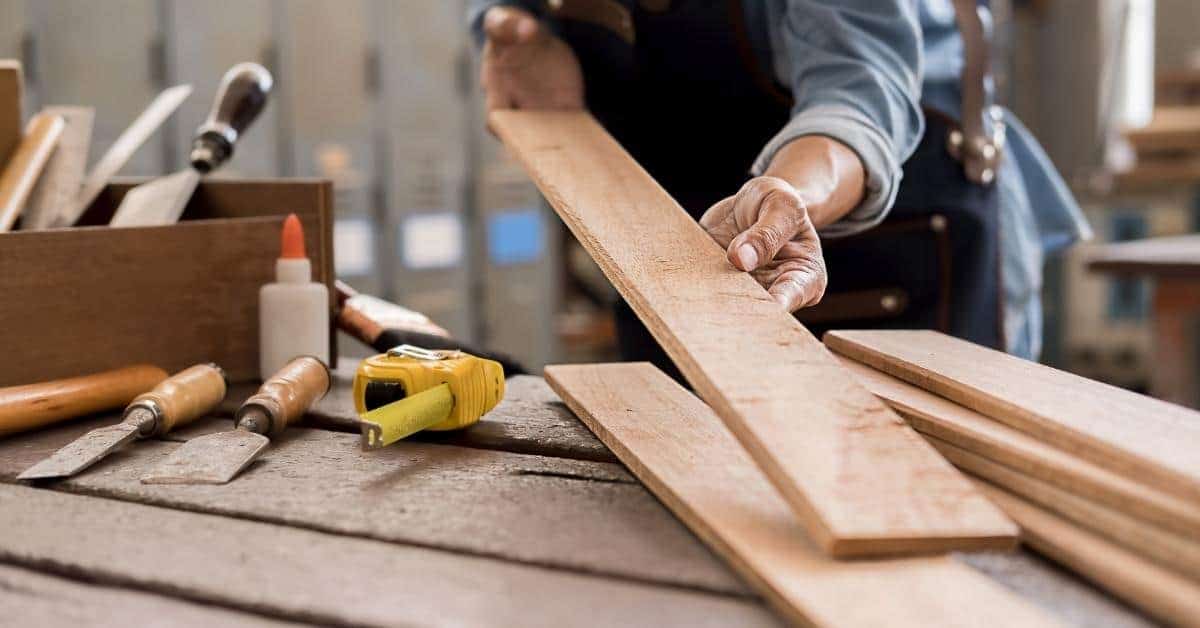
Step-by-Step Workflow for a Lasting Repair
Outline a high-level sequence: prep, stabilization, patching, curing, texture matching, and final inspection. Emphasize that stabilization comes first and sets the foundation. A clear flow reduces rework and delays.
Follow the progression in order and verify each stage before moving to the next. If you need specifics, refer to the product instructions or manufacturer guidelines for the exact steps. Adjust the plan based on your observation of the substrate behavior.
Step-by-Step Repair Process
Follow this clear, numbered sequence to achieve a lasting plaster crack repair. Safety checks and preparation lead the way, followed by main work steps, and concluding with cleanup or final checks.
- Safety first: Clear area, wear safety gear (gloves, goggles).
- Prep tools: Gather needed equipment based on your repair scope.
- Main work begins: Follow stabilization techniques before patching.
- Allow set time: Respect cure times for best results.
- Final checks: Inspect and test repaired area, clean up workspace.
Surface preparation and crack preparation
Thoroughly clean out loose material to expose enough substrate for reinforcement. Ensure conditions are optimal for adhesives or bonding agents to work effectively.
Remove all loose plaster, dirt, and debris using a wire brush or scraper.
Widen cracks if necessary, using a chisel or grinder, to ensure proper penetration of repair materials. Ensure the substrate is sound and stable before proceeding.
Typical stabilization-to-patch sequences
Here are example workflows that combine stabilization techniques with patching processes, ensuring a strong, lasting repair without prescribing specific fasteners.
For hairline cracks: Stitching/mesh, secure anchors, allow set, then apply base coat and finish coat.
For larger cracks or areas: Install reinforcement (mesh/stitching), secure loose lath/plaster with ties/anchors, let it set, then apply base coat, reinforce with mesh if needed, and finally apply finish coat.
Finishing, curing, and texture matching
Proper layering, drying/curing observations, sanding/feathering techniques, and replicating original texture are key to a successful finish.
Layer materials as recommended: base coat, reinforcement (if needed), finish coat. Allow each layer to cure according to manufacturer’s guidelines.
Sanding/feathering helps blend the repair into existing texture. Use fine-grit sandpaper and follow the grain of the plaster for best results.
To match original texture: Observe, replicate using tools (trowel, brush), and practice on scrap pieces before applying to the final area.
Visual Checkpoints and Quality Inspections
Identify checkpoints at key milestones: after stabilization, before patching, and after finishing. Look for solid anchors, no wobble, and consistent movement control. Use tactile and visual cues to judge readiness.
Document what you see and feel, then compare against guidance from product labels or instructions. If anything looks off, pause and recheck the technique or materials before proceeding.
Inspecting Reinforcement and Anchors Before Covering
Before you apply your patch, ensure all reinforcement work is up to par. This checklist helps confirm everything’s secure and ready.
- Ties and anchors: Check they’re tight and secure. Wiggle them gently; if they move, they’re not set right.
- Mesh bridging: Ensure it spans the crack fully, with no gaps or overlaps.
- Bonded repairs: Inspect for good adhesion to both sides of the crack. Tap gently; a solid sound indicates good bonding.
- Crack width: Measure again after reinforcement. If it’s wider, re-evaluate your stabilization.
- Lath/plaster contact: Ensure lath is securely tied to the wall and in full contact with the plaster.
- Mesh embedment: Check mesh is fully embedded in the fresh patching material.
- No residual movement: Gently push on either side of the crack. If it moves, recheck your stabilization work.
- Crack alignment: Ensure the crack runs straight and true. Any deviation may indicate underlying issues.
Quick rule: If anything’s not right, fix it before proceeding. A solid start ensures a lasting repair.
Post-Repair Monitoring and Documentation
Regular checks after your repair helps catch any repeat movement early. Here’s how to keep tabs on things.
- Weekly check: Inspect the repaired area visually for any signs of cracking or movement.
- Monthly check: Gently push around the repair area to feel for any movement.
- 6-month check: Re-measure crack width to ensure it’s not increasing.
- Document findings: Keep a simple record of your checks, noting any changes or concerns.
- Photograph the area: Take photos from the same angle and distance each time for easy comparison.
- Check surrounding areas: Look for new cracks nearby that could indicate ongoing movement.
- Review records: If you see repeat issues, re-evaluate your stabilization work.
- Consult a pro if needed: If problems persist, don’t hesitate to call in an expert.
Quick rule: Regular checks and record-keeping help ensure your repair lasts. Catch issues early to avoid costly rework.
Prevent Recurrence: Environmental and Maintenance Strategies
Address moisture, temperature swings, and load conditions that contribute to cracks. Implement drainage, ventilation, or shading as needed to reduce stress. Regular checks help catch changes before they worsen.
Develop a simple maintenance routine and verify it against local climate guidance or building standards. When in doubt, rely on manufacturer recommendations for long-term protection and periodic inspections.
Moisture and humidity control measures
First, find and fix any water leaks. Check pipes, roof, windows, and doors.
Manage condensation: Ensure proper ventilation in kitchens and bathrooms. Use exhaust fans or open windows.
Stabilize interior humidity: Aim for 40-50% relative humidity. Use a hygrometer to monitor it. If too high, use dehumidifiers; if too low, consider humidifiers.
Choosing finishes that tolerate slight movement
Use flexible fillers for cracks. They can stretch and compress without cracking again.
At junctions, use caulks designed for minor movement. These have more ‘give’ than standard caulks.
Textured coatings: Consider using textured paints or wallpapers that can hide minor cracks better than flat finishes.
When to Call a Professional and What to Expect
Know when DIY isn’t the right path, such as complex movement, hidden structural issues, or unsuitable materials. In those cases, professionals can diagnose and stabilize with specialized methods. Getting a clear scope helps you plan accordingly.
Ask potential pros about their approach, expected deliverables, and any warranties. Compare how they communicate stabilization decisions and patch strategies to your project notes. Verify what they will cover and what you should provide for a smooth process.
Key questions to ask contractors or engineers
When you’re considering hiring a professional, it’s crucial to ask the right questions. Here are some key ones:
About their methods: Ask about their approach to stabilization and patching. They should be able to explain how they’ll address the root cause of the cracks.
Experience with similar plaster types: Inquire about their experience working with your specific type of plaster. This ensures they understand its properties and can provide an effective solution.
Materials used, timelines, and guarantees: Ask about the materials they’ll use, how long the job will take, and what kind of warranty or guarantee they offer. This helps you make an informed decision and manage your expectations.
Typical professional approaches without price specifics
Professionals often use several methods to tackle plaster cracks, depending on the severity and cause. Here are some common approaches:
Targeted stabilization: This involves addressing the underlying issue causing the cracks, such as reinforcing structural elements or fixing moisture problems.
Injection systems: Professionals might use injection systems to fill cracks from within, providing a strong bond and preventing further cracking.
Partial or full replastering: In some cases, the best solution is to remove and replace the damaged plaster entirely. This could be just the affected area (partial) or the entire wall (full).
Structural remediations: If the cracks are due to structural issues, professionals may suggest reinforcing the structure itself, such as by installing new supports or anchors.
Conclusion
Stabilizing movement is the make-or-break step. If you don’t lock the wall, patches fail and cracks come back, sometimes worse. Do it right for safety, durability, and a clean look that lasts.
Check it this way: verify the root cause, isolate the area from vibration or load, set up the stabilization first, prepare a solid surface, mix and apply the repair in the proper order, let it cure without disturbance, and finally review the repair with a close visual and tactile test. Do each step in sequence, and test a little at a time to confirm stability before you move on.
Avoid these mistakes: skipping stabilization or trying to patch through movement, not cleaning or roughening the surface, and rushing cure times or ignoring moisture and temperature limits. Always wear eye protection and gloves, switch off nearby power if wiring is involved, and test a small area first to confirm the plan works before committing big material or effort.
If movement is severe, you see ongoing settling, or you’re unsure about framing or structural issues, call a professional and ask what to expect for stabilization and repair. You can handle the routine steps, stay practical, and finish with confidence when you know you’ve controlled movement and checked your work at every stage.
FAQ
What should you check on the crack before choosing a repair method?
Look for movement, width, and whether the crack is active or dormant. Note if there’s related damage to nearby plaster, drywall, or finish. If in doubt, review product labels or manufacturer instructions for recommended repair options.
How do you decide between stabilization methods and patch options?
Choose stabilization first if the structure shows movement or the crack widens with motion. If movement is minimal and the crack is stable, you can plan a patch repair after the area is secured. Always follow manufacturer guidance for materials and methods.
What safety steps should you take during stabilization and patching?
Wear eye protection and a dust mask. Keep the work area clear and support any loose sections before work starts. Check local rules or product instructions for any specific safety requirements related to the materials you use.
How can you tell if the repair is holding after you’re done?
Monitor the crack for signs of renewed movement after a test period. Look for new or widened cracks on both sides of the repair. If you see ongoing movement, recheck stabilization and consult the product instructions or a professional as needed.