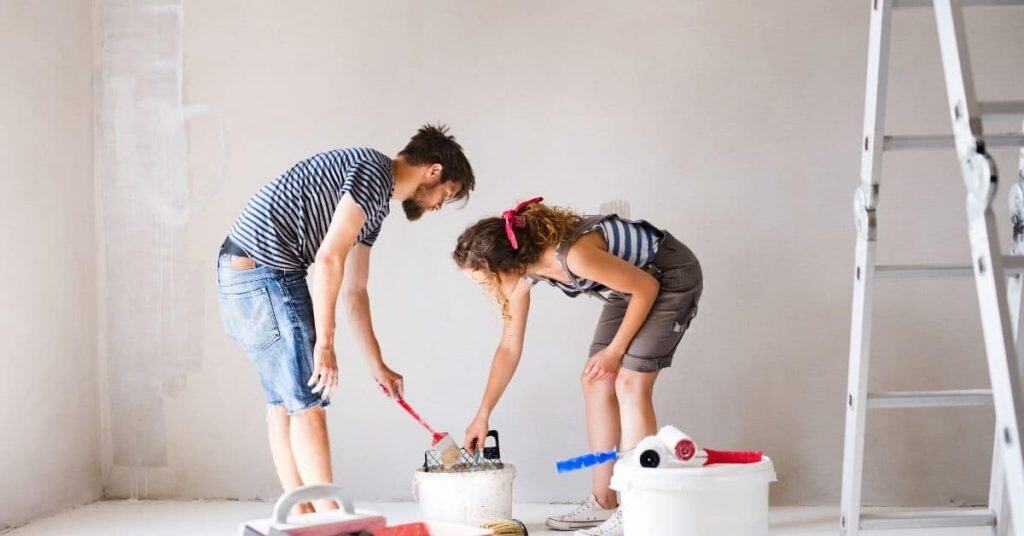
Couple preparing paint and tools in empty room

Paintable Wallpaper — DIY Steps + Stop Points

Introduction

Paintable wallpaper is wallpaper that you can paint over after installation. This article walks you through preparing the room, choosing brushes and tools, and checking the wall condition before you start. Keep it hands-on and practical.

Before you start, clear the room and protect floors. Check for peeling patches, texture issues, or damp spots so you know what to fix. Choose brushes and rollers suited to the surface, and have a sharp utility knife, putty knife, and sandpaper handy.

Key takeaways

  • Clear the room and protect floors before starting any wallpaper or paint work.
  • Evaluate wall condition for peeling paint, moisture, or wallpaper remnants before installation.
  • Choose brushes and rollers designed for paintable wallpaper and smooth finish.
  • Plan a realistic timeline with stop points to verify adhesion and drying.
  • Prime paintable wallpaper and adjacent walls to improve coverage and adhesion.
  • Safety: vent area, wear PPE, and follow manufacturer instructions for materials.
Table of Contents

Project Planning, Measurements, Timeline, and Stop Points

Start by defining the project scope and goals. Confirm room dimensions, wall conditions, and whether the paintable wallpaper will cover entire walls or serve as an accent. Consider design choices like pattern matching, color, and finish.

Accurate material estimation is essential. Measure wall area and account for openings to estimate wallpaper rolls and adhesive needs, including a waste factor. Plan for pattern matching and edge trimming to minimize rework and last‑minute trips to the store.

How to measure and calculate materials

Choosing the right materials is crucial for a durable, attractive finish. Measure carefully, consider pattern repeat and waste, and verify roll widths before buying.

  • Cement: Used as base for mortar and grout. Look for Type I or II Portland cement. Avoid fast-setting types if you’re a beginner.
  • Masonry Cement: Pre-mixed with sand, saves time. Check sand-to-cement ratio (1:3 or 1:4). Cheaper options may have lower quality sand.
  • Type N Mortar: Recommended for most masonry work. Look for ASTM C270 rating. Avoid Type S unless specified, it’s too strong for most DIY jobs.
  • Grout: Fills joints. Check sand-to-cement ratio (1:3 or 1:4). Cheaper options may stain or crack over time.
  • Masonry Sealer: Protects from water and stains. Look for penetrating, breathable sealers. Avoid film-forming types that can trap moisture.
  • Bonding Agent: Ensures good bond between old and new surfaces. Check compatibility with your existing surface. Cheaper options may not work as well.
  • Masonry Cleaner: Removes dirt, efflorescence. Look for non-acidic cleaners if you’re unsure about your masonry type. Acidic cleaners can damage some surfaces.
  • Tape Measure: Essential for accurate measurements. A cheap homeowner tape measure is fine. Avoid flimsy ones that bend easily.
  • Level and Square: Ensures walls are plumb, level, and square. Hire or rent if you don’t already own these. Cheap tools can lead to crooked work.

Pro tip: When buying materials, check the bag for an expiration date. Old cement can weaken your mortar. Also, mix small batches at a time to avoid waste and ensure consistency.

Budget considerations and cost checkpoints

Before you start any work, use this checklist to ensure you’ve covered all budget aspects. It’s best to do this after you’ve measured and calculated your materials.

  • Wallpaper: Check the square footage needed against what’s on the roll. Most rolls cover about 55 sq ft, but check the label.
  • Adhesive/Primer: Ensure you have enough for your wall area and test a small patch to confirm coverage and adhesion.
  • Paint (if needed): Calculate gallons based on coverage rate (usually 8-10 sq ft per gallon) and check if you need primer or sealer too.
  • Tools: List what you’ll need – brushes, paste applicator, plumb line, etc. Check if any can be rented to save cost.
  • Contingency (10-20%): Add this to your total for unexpected costs or waste. It’s better to have it and not need it than the other way around.
  • Local Retailer Prices: Compare prices at different stores. Don’t forget to factor in sales tax and delivery fees.
  • Rental Options: Check if tools can be rented instead of bought. This can save a lot, especially for infrequently used items.
  • Labor (if hiring): Get quotes from professionals. Make sure to ask about their experience and check references.

Quick rule: Always add a contingency of at least 10% to your budget for unexpected costs or waste. It’s better to have it and not need it than the other way around.

Project timeline and built-in stop points

Before you dive in, plan your project with clear start and end dates. Break it down into manageable stages, and mark where you’ll need to pause for materials or processes to set.

After applying adhesive: Don’t rush the next stage. Adhesives need time to cure. Check the product label for exact drying times. A general rule is 24-72 hours, depending on humidity and temperature. Use this time to prep other materials or clean up.

After priming: Primers usually take 1-3 hours to dry. Again, check the product label for specifics. Once primed, you can’t rush paint application. A good primer needs at least 24 hours to fully cure before painting.

Between paint coats: Paint needs time to dry and cure between coats. This could take anywhere from a few hours to a full day, depending on humidity, temperature, and the type of paint used. Check manufacturer instructions for specific drying times. Don’t rush this process; it’s crucial for a smooth, even finish.

Back to top ↑

Tools and Materials Checklist

Organize core tool and material categories: prep tools, application tools, masking and edging supplies, measuring gear, safety gear, and a cleanup kit. Group items so you can grab what you need without hunting around the shop.

Check adhesive, primers, and paints for compatibility with paintable wallpaper. Do quick test patches to confirm adhesion and finish before committing to the full area. Decide what to rent versus buy, and list essentials versus nice‑to‑haves for a practical setup.

Essential tools for install and painting

Before you start, make sure you have these must-have tools to ensure a smooth installation and painting process.

  • Scraper: To remove old wallpaper or prep walls. Skip it? You’ll struggle with adhesion.
  • Putty knife: For filling gaps and smoothing adhesive. Miss this? Expect uneven surfaces.
  • Sanding block: To smooth out rough spots. Forget this? Your paint job will show every imperfection.
  • Paintbrush (2″): For edges and corners. No brush? You’ll struggle with a neat finish.
  • Roller (9″ or 18″): For applying adhesive and paint. No roller? Expect a long, back-breaking job.
  • Sponge: To dampen walls before application. Skip this? You might end up with bubbles or wrinkles.
  • Trowel (6″): For applying adhesive. No trowel? You’ll waste adhesive and struggle with coverage.
  • Measuring tape: To ensure straight lines and proper cutting. No tape? Expect crooked wallpaper or wasted material.

Quick rule: Always check your tools before starting to avoid delays and poor results.

Optional tools for a professional finish

These tools aren’t essential, but they can make your job easier and improve the final result.

  • Roller extension pole: For reaching high areas. No pole? Expect ladder-related risks or tired arms.
  • Edging tool (paint guide): For creating straight lines along edges. Skip this? You’ll struggle with a neat, professional look.
  • Trim knife: To cut wallpaper to size. No knife? Expect uneven cuts and wasted material.
  • Texture sleeves (for roller): For creating textured effects. Miss these? Your walls might look flat and boring.
  • Wallpaper seam roller: To smooth out seams. Skip this? You’ll see every seam on your wall.
  • Paint sprayer (optional): For a quick, even paint application. No sprayer? Expect longer painting times and potential drips.

Quick rule: Consider these tools if you want to save time or improve the final look of your walls.

Material specs and standards to check

Before purchasing, make sure to check these specifications on product labels to ensure compatibility and quality.

  • Wallpaper adhesive: Check ‘compatible with paintable wallpaper’. Miss this? Your wallpaper might not stick or could peel off.
  • Primer (vinyl/texture): Look for ‘suitable for vinyl/textured surfaces’. Skip this? You might see every imperfection on your walls.
  • Paint type: Check ‘acrylic/latex’ or ‘oil-based’. Miss this? You could end up with a finish you don’t like or poor durability.
  • Paint sheen: Choose based on desired look and ease of cleaning. Skip this? You might not get the look you want, or cleaning could be tough.
  • VOC levels: Check for low VOCs to minimize fumes. Miss this? You might end up with a strong smell that takes ages to fade.
  • Manufacturer instructions: Follow these for best results. Ignore them? You might void warranties or get poor results.

Quick rule: Always check product labels and follow manufacturer instructions for the best results.

Back to top ↑

Evaluating Wall Condition and Preparing Surfaces

Inspect walls for structural issues, moisture, and any old finishes that could affect adhesion. Look for cracks, bulges, or signs of water intrusion and plan repairs accordingly. Note surface types so you can choose appropriate prep steps.

Plan repairs like patching cracks, fixing loose plaster, and smoothing surfaces. Establish surface flatness criteria and outline steps to meet them before wallpapering. Decide on priming strategy based on the condition and expected moisture exposure.

Inspecting for damage, moisture, and contaminants

Before you start wallpapering, it’s crucial to inspect your walls thoroughly. Look for any signs of damage, moisture, or contaminants that could affect the adhesion and longevity of your paintable wallpaper.

Damage: Check for cracks, bulging, or settling in the walls. These issues need repair before proceeding.

Moisture: Inspect for water stains, peeling paint, or damp spots. Moisture can cause your wallpaper to peel off over time and may require a moisture barrier or dehumidification.

Contaminants: Look out for mold, mildew, or any other contaminants. If present, these need professional remediation before you start papering.

Repair steps: patching, skim coats, and sanding

Once you’ve identified the repairs needed, it’s time to fix them. Here are some common fixes:

Patching: For small cracks or holes, use a spackling compound or joint compound. Apply with a putty knife, let dry, then sand smooth.

Skim coats: If your walls have large areas of damage or are uneven, you might need to apply a skim coat of joint compound. This involves applying multiple thin layers, allowing each to dry and sanding between applications.

Re-plastering: In some cases, extensive damage may require re-plastering the entire wall. If this is the case, consider hiring a professional.

When to pause or call a professional

While many repairs can be done by a DIY homeowner, there are some situations where it’s best to stop and call in a professional:

Persistent moisture: If you find persistent moisture issues, they could indicate a serious underlying problem like a leaky pipe or foundation issue. A professional should assess this.

Extensive mold: While small areas of mold can be cleaned and treated by a homeowner, extensive mold growth should be handled by a professional to ensure it’s properly removed and the source is identified.

Structural cracks: Cracks wider than 1/4 inch or those that run diagonally could indicate structural issues. These require immediate attention from a professional.

Back to top ↑

Installing Paintable Wallpaper — Step-by-Step

Ensure the wall is clean, dry, and smooth, with repairs complete before starting. Verify the chosen primer or sealer is compatible with the wallpaper backing and the intended finish. Test a small area to confirm adhesion and coverage.

Follow a clear panel alignment workflow: start at a corner, align panels, and trim edges for clean seams. Treat seams with appropriate reinforcement so patches and joints remain flat and paint‑ready without ghosting. Build in checkpoints to verify placement before moving to priming or painting.

Step-by-Step Installation Process

Follow this clear, numbered sequence to install paintable wallpaper like a pro. Safety checks first, then the main work, and finally cleanup.

  1. Inspect walls for damage and moisture as explained in Evaluating Wall Condition. Repair if needed.
  2. Measure and cut panels according to your pattern or design, using guidelines from Project Planning.
  3. Apply primer to walls and/or wallpaper backing as outlined in the next section. Let it dry as per manufacturer’s instructions.
  4. Apply adhesive to wall or panel backs, following the specific method for your paintable product. Start from a corner and work outwards.
  5. Hang panels carefully, aligning patterns and edges precisely. Use leveling tricks and smooth out any bubbles.
  6. Trim excess paper at the ceiling, floor, and edges using a sharp utility knife and a straight edge like a metal ruler or t-square.
  7. Check seams for proper adhesion and flatness. Reinforce if needed, following guidelines in Seam treatment.
  8. Let the wallpaper set according to the adhesive’s drying time. Then inspect your work before moving on to priming and painting.

Surface priming and adhesive selection for wallpaper

Priming ensures better adhesion and a uniform finish. Choose a primer compatible with your wallpaper.

For walls, use an acrylic primer-sealer to block stains, promote adhesion, and create a smooth surface. Apply it evenly using a roller or brush, following the manufacturer’s instructions.

For wallpaper backing, some paintable wallpapers come pre-primed. If not, apply a light coat of acrylic primer-sealer to enhance adhesion and seal the paper. Test a small area first to ensure compatibility.

Adhesive selection depends on your wallpaper type:
– Pre-pasted papers come with adhesive already applied.
– Paste-ready or self-adhesive types require you to apply paste to the back of the panel before hanging. Follow the manufacturer’s guidelines for application and coverage.

Hanging technique: alignment, seams, and trimming

Master these techniques to achieve clean edges, smooth seams, and perfect pattern matching.

Alignment: Start in a corner. Use a level to ensure the first panel is straight, then align subsequent panels according to your pattern or design. Keep edges parallel to walls and floors.

Seams: Press seams firmly with a seam roller or smooth edge to remove air bubbles and ensure proper adhesion. Reinforce if needed, following guidelines in Seam treatment.

Trimming: Use a sharp utility knife and straight edge to trim excess paper at the ceiling, floor, and edges. Be careful not to damage the wall or cut into the seam. Test cuts on scrap paper first.

Visual checkpoints and stop points during install

Use this checklist to inspect your work at key stages, ensuring a flawless finish.

  • After hanging each panel: Check for bubbles or wrinkles. Smooth out any imperfections immediately.
  • At seams: Ensure they’re flat and properly adhered. Reinforce if needed.
  • Every 3-4 panels: Step back to check alignment, pattern matching, and overall straightness.
  • Before priming/painting: Inspect the entire wall for any missed bubbles, wrinkles, or seam issues. Address them now to avoid costly rework later.

Quick rule: Never rush through these checkpoints. A few extra minutes spent inspecting can save hours of rework.

Back to top ↑

Man in blue overalls painting interior wall with roller
Illustrates a typical step in interior repainting projects during introduction

Priming Paintable Wallpaper and Adjacent Areas

Explain why priming is important even on paintable wallpaper: it seals porosity and creates a uniform surface for consistent adhesion. Choose a primer that bonds to vinyl surfaces and is compatible with the topcoat you plan to use. Verify the wallpaper is secure and edges are repaired before priming.

Test a small area to gauge primer performance and plan curing time between coats. Apply primer evenly with the right tool, avoiding over‑wetting. Ensure adjacent areas are primed for color and sheen consistency once the primer cures.

Choosing the right primer for wallpaper

When selecting a primer for paintable wallpaper, focus on two key properties: bonding and sealing. A good primer will adhere strongly to both the wallpaper and the substrate behind it, preventing peeling or flaking later on.

Bonding primers, like shellac-based or acrylic ones, are ideal for vinyl-coated wallpaper or underlying surfaces such as plywood or drywall. They create a strong bond that ensures your paint adheres evenly and durably.

A quality primer will also seal the surface, filling in any tiny pores or imperfections. This prevents stains from bleeding through to your topcoat and creates a uniform base for consistent paint application.

Primer application technique and dry-time checks

Apply primer evenly using the appropriate roller or brush. Work in manageable sections, ensuring you don’t over-wet the surface. This helps avoid drips and ensures consistent coverage.

For wallpaper, use a smooth, even motion to apply the primer. Be careful not to pull on any seams or loose edges, as this could damage the wallpaper.

Dry-time checks are crucial before painting. Allow the recommended drying time between coats and check for tackiness or stickiness. Most primers need around 24 hours (or as per product label) to fully cure. Use a small, dry cloth or your finger to test for adhesion and ensure no tack remains.

Test patches and adhesion verification

Before priming the entire wall, perform a patch test on a small, hidden area. Apply primer to this section, allow it to cure fully, then recoat with your chosen paint. This helps you gauge how the primer performs and ensures there are no compatibility issues.

Check for any signs of tackiness or peeling on both the wallpaper and adjacent wall areas. If everything looks good, proceed with priming the rest of the surface. But if you notice any problems, it’s better to address them now rather than after painting the entire area.

Test patches also give you a sneak peek at the final appearance. You can check for color consistency and ensure you’re happy with the sheen before committing to the whole project.

Back to top ↑

Painting Techniques, Coat Sequence, and Finishing Touches

Use cutting‑in and edge preparation techniques that protect texture while achieving clean lines. Select a roller and technique that preserve texture without crushing fibers or causing lap marks. Follow a logical coat sequence and respect drying and curing guidance between steps.

Include clear stop points to check coverage, adhesion, and texture uniformity before proceeding. If you want to preserve texture, plan any sealants or topcoats accordingly and follow maintenance tips after application.

Cutting in and working edges cleanly

For crisp lines near trim and ceilings, use a 1.5-2″ angled brush with synthetic bristles. Dip it just enough to avoid drips.

Edge technique: Hold the brush at a 45-degree angle, press gently against the wallpaper, then pull towards yourself in steady strokes. Keep your wrist firm and follow the texture’s direction.

For tape lines, apply painter’s tape first, pressing down firmly with a putty knife to seal edges. Paint over the tape, then remove it once paint is dry to touch (about 15-30 minutes).

Rollers, nap selection, and paint application method

The roller’s nap length affects texture pickup. Longer naps (3/4″-1″) work best for textured wallpaper as they hold more paint.

Selection: Choose a high-quality roller cover with dense, uniform fibers to distribute paint evenly and minimize lap marks.

Load your roller by dipping it into the paint tray’s well, rolling off excess on the ribbed section. Apply paint in ‘W’ or ‘M’ patterns, working from top to bottom, then side to side. Maintain consistent pressure to avoid crushing fibers or leaving visible roller marks.

When to sand, when to add more coats, and finishing details

Between coats, let paint dry according to manufacturer’s guidelines (usually 2-4 hours). Lightly sand with fine-grit sandpaper (220-320) between coats for a smooth finish. Wipe off dust with a damp cloth.

Additional coats: Inspect your work after each coat. If coverage is uneven or texture uniformity isn’t achieved, apply another coat. Most jobs require 2-3 coats.

Before declaring the job finished, check for any missed spots, drips, or areas where texture was crushed. Touch up as needed. To preserve texture, avoid heavy sanding and use a light touch with your roller.

Back to top ↑

Cleanup, Maintenance, and Repair After Installation

Create a practical cleanup checklist focused on paintable wallpaper, including surface wiping, dust removal, and approved cleaners. Define routines to maintain color, sheen, and adhesion over time. Note signs that indicate it’s time for touch‑ups or resealing.

Outline simple DIY repair methods for nicks, stains, or seam lifting, and when to re‑prime or re‑seal. Include tool care, proper disposal of leftovers, and safety guidance for venting during cleanup and storage.

Post-job cleanup and tool care

Once you’re done painting, it’s time to clean up. Here’s how:

  • Clean brushes/rollers: Rinse with water (not soap) immediately after use. For latex paint, warm water is fine; for oil-based, use mineral spirits.
  • Store tools properly: Let them dry completely before storing in a cool, dry place to extend their lifespan. Consider buying or renting high-quality tools for better results and longevity.
  • Dispose of materials responsibly: Check local regulations for disposing of leftover paint, primers, and solvents. Many have recycling programs or hazardous waste facilities.
  • Wipe down surfaces: Use a damp cloth to remove any drips or splatters from walls, baseboards, and floors.
  • Ventilate the area: Open windows and use fans to ensure proper ventilation after painting and cleanup.

Routine maintenance and cleaning tips

Maintaining your painted wallpaper is easy with these gentle cleaning methods:

Dust regularly: Use a soft, dry cloth or microfiber duster to remove dust every few weeks. Be careful not to scrub too hard.

Spot clean stains: For small marks, dampen a soft cloth with mild dish soap and water, wring it out, then gently blot the stain. Avoid rubbing as it may damage the finish.

Avoid harsh chemicals: Never use abrasive cleaners, solvents, or ammonia-based products on painted wallpaper. Stick to mild soaps and warm water.

Small repairs and touch-up workflow

Minor nicks, scuffs, or seam lifting can be easily fixed with these steps:

For chips or nicks: Lightly sand the area using fine-grit sandpaper. Wipe off dust, apply a small amount of touch-up paint, and let it dry.

For seam lifting: If seams lift slightly over time, use wallpaper adhesive to re-glue them. Apply a thin line along the lifted edge, press down firmly, and smooth with a soft brush or roller.

Retouching paint: For small stains or discoloration, lightly sand the area, wipe off dust, apply touch-up paint, and let it dry. If necessary, add a second coat to match the original finish.

Back to top ↑

Safety, Common Mistakes, and Troubleshooting

Cover safety fundamentals such as ventilation and PPE, and check for hazardous materials before starting. Include site risks like ladder use, electrical clearance, and dust control to keep the project safe.

List frequent mistakes to avoid, and provide a troubleshooting path for bubbling, peeling, or visible seams. Clarify when to pause work or seek professional help, especially for suspected lead or asbestos issues.

Safety precautions and hazardous-material checks

The right safety measures ensure a successful, hazard-free project. Start by checking your materials and workspace.

  • Ventilation: Use fans or open windows to keep the area well-ventilated. This prevents fumes from building up and keeps you safe.
  • Respirator/chemical-rated mask: Wear a respirator or chemical-rated mask when dealing with solvents, primers, or paints. Look for NIOSH approval on the packaging.
  • Gloves: Use gloves to protect your hands from chemicals and potential hazards like sharp edges or nails.
  • Eye protection: Wear safety glasses or goggles to shield your eyes from debris, splashes, or harmful fumes.
  • Hazardous materials check: Before starting, test for lead paint (use a lead testing kit) and inspect for asbestos-containing textures. If found, contact a professional immediately.

Common mistakes and how to avoid them

Learning from others’ errors can save you time, money, and frustration. Here are some common pitfalls to steer clear of.

  • Skipping surface prep: Inadequate cleaning or sanding leads to weak adhesion and peeling. Always clean surfaces and lightly sand for better bonding.
  • Using incompatible primers/patches: Ensure your primer is suitable for the wallpaper type and substrate. Using the wrong one can cause cracking, staining, or poor adhesion.
  • Applying too-thick coats: Over-applying paint or primer results in drips, runs, and uneven coverage. Apply thin, even coats to avoid these issues.
  • Over-wetting the wallpaper backing: Soaking the backing can cause it to stretch, leading to wrinkles and bubbles. Gently wet the paper as instructed by the manufacturer.
  • Ignoring temperature/humidity requirements: Apply wallpaper within the recommended temperature and humidity range for best results. Check the manufacturer’s guidelines before starting.

Avoid these common mistakes to ensure a smooth, long-lasting finish.

Troubleshooting: bubbling, peeling, color mismatch

Even with careful planning, issues can arise. Here’s how to diagnose and address common problems.

Bubbling or Peeling: This usually indicates a problem with adhesion. Check if the surface was properly prepared and primed. If so, try applying a wallpaper-specific adhesive directly to the back of the paper before hanging. If the issue persists, consult a professional.

Visible Seams: This can happen if the wallpaper wasn’t properly matched or aligned during installation. To fix, carefully realign the pattern and use a seam sealer to hide the gap. For severe cases, you may need to remove and rehang the affected strips.

Color Mismatch: If colors don’t match between rolls, it’s likely due to batch variations or improper mixing of paints. To fix, mix all paint from multiple batches before starting to ensure consistency. If the issue persists, return the product and get a new batch.

Back to top ↑

Conclusion

Protecting your walls and your time matters. A solid plan, careful prep, and safe work habits deliver a durable, good-looking finish that lasts.

First, verify the wall condition and repair any damage, test a small area, prime the surface and the adjacent walls, install the paintable wallpaper in straight sections with careful alignment, cut accurately, let the primer dry, apply paint in the recommended coat sequence, and ventilate the room and wear protection while you work. Then clean tools and work surfaces as you go, and check the edges and seams after each step to avoid surprises.

Common mistakes to dodge: over-wetting the wallpaper or the wall, skipping the stop points where you reassess progress, neglecting edge sealing, and skipping a test patch or proper ventilation. Always use safe work practices: keep ladders stable, wear eye protection and a mask when sanding or cutting, and work in a well-ventilated area. If anything looks off, pause and re-check the plan rather than force the job.

If you run into major wall damage, quirky angles, high ceilings, or electrical hazards, this is the time to call a professional. Otherwise, follow the plan, stay patient, and you’ll finish with a durable, attractive result you can be proud of. You’ve got this—stick to the steps, stay safe, and move with confidence toward the final look.

Back to top ↑

FAQ

What should I know before starting to paint paintable wallpaper walls?

Paintable wallpaper is a special surface. Read the wallpaper label and the primer/paint instructions before you start. Don’t skip cleaning and priming; it helps the paint stick and reduces peeling later.

How do I clear the room quickly and safely for painting?

Move furniture out or to the center and cover with drop cloths. Remove wall decorations and outlet covers. Keep a clear path for dust and debris to stay out of the work area.

What tools and brushes work best for paintable wallpaper?

Use a high-quality angled brush for edges and trim, and a smooth roller for large flat areas. Choose tools sized for the wall and the wallpaper pattern; avoid oversized brushes that snag. Check that brushes and rollers are compatible with your primer and paint type.

How should I prepare the walls before painting the paintable wallpaper?

Inspect for damage and repair as needed, then clean the surface to remove dust or oils. Lightly sand glossy spots if the label allows it. Wipe down again after sanding and seal with the recommended primer. If unsure, follow the wall surface instructions on the product label.

Back to top ↑