
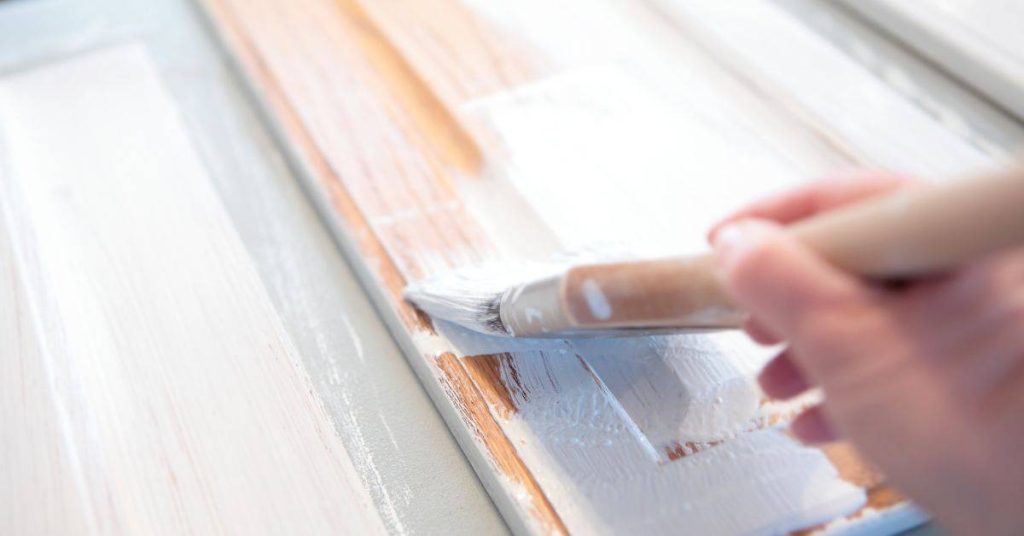
Introduction
This guide covers painting a mahogany entry door and what can cause problems, plus how to test and fix them.
You’ll learn practical checks you can do at home, not a textbook. Look for peeling finishes, swelling, or cracks and use simple tests to see if the wood is dry and ready. Then you’ll see safe options for cleaning, prep, and coats, with notes on what to check on product labels or manufacturer instructions. This is a hands-on job you do step by step, choosing materials and methods that fit your door and climate.
Key takeaways
- Inspect mahogany door for underlying moisture, rot, or finish breakdown before repainting.
- Clean, degrease and dry surface thoroughly to ensure good adhesion and finish.
- Apply appropriate sealers to block tannin bleed from mahogany without overcoating.
- Mask edges, hinges, and weatherstripping; protect surrounding areas during prep.
- Test fix with spot repairs on inconspicuous area before full refinishing.
- Follow manufacturer instructions for primers and topcoats; humidity and temp matter.
- Wear gloves, eye protection, and a respirator when sanding or applying coatings.
Table of Contents
- Introduction
- Key takeaways
- Why Mahogany Doors Develop Paint Problems
- Visual Checkpoints to Diagnose Paint Issues
- Tests to Confirm Cause (Simple DIY and Professional)
- Preparation Steps Before Repainting
- Primers and Sealers: Choosing the Right Products
- Topcoat Selection and Application Techniques
- Fixes for Common Failures (Spot Repairs to Full Refinish)
- Tools and Materials Checklist
- Conclusion
- FAQ
Why Mahogany Doors Develop Paint Problems
Mahogany can release tannins that bleed into fresh paint, especially with lighter colors. This bleed can show up as dark stains on the surface or near joints. Look for evidence that the problem starts at the wood itself rather than the coating alone.
High natural oil content and moisture movement can cause adhesion issues and peeling over time. UV exposure accelerates finish breakdown, while previous finishes can trap moisture or fail at seams. Distinguish surface issues from substrate problems to guide the fix.
Tannin and extractive bleed
Mahogany contains natural tannins that can migrate through paint over time. These tannins are what give mahogany its rich color, but they can also cause problems.
Brown stains or discoloration on your painted door are signs of tannin bleed. You might notice these spots appearing gradually, especially in areas with high heat or humidity.
Tannins can affect both oil-based and latex paints. However, latex paint is more susceptible because it’s water-based, which speeds up the migration process.
Oil and resin migration
Mahogany also contains natural oils and resins that can cause issues with paint adhesion. Over time, these compounds can migrate to the surface of the wood, creating a barrier between the paint and the substrate.
Blistering or peeling paint are signs of oil and resin migration. You might notice these problems in areas where the door is exposed to direct sunlight or high humidity.
Oil-based paints are more prone to this issue because they’re more susceptible to the effects of heat and moisture. However, even latex paints can be affected if they’re not properly primed.
Moisture and movement-related failure
Mahogany is a wood that’s sensitive to changes in humidity. As the door absorbs and releases moisture, it can swell and shrink slightly. This movement can cause paint to crack, flake, or bubble.
Cracking paint around the edges of the door or in areas where there are knots is a sign of moisture-related failure. You might also notice bubbling paint, which indicates that moisture has become trapped beneath the surface.
Trapped moisture behind the paint can also cause problems. This often happens if the door wasn’t properly dried before painting or if it was painted during humid conditions. To prevent these issues, make sure your door is dry and allow for proper expansion and contraction when painting.
Visual Checkpoints to Diagnose Paint Issues
Inspect the face of the door for peeling, cracking, or discoloration that follows grain lines. Check edges and corners for delamination or soft spots where moisture can creep in. Examine joints and hardware cutouts for moisture staining or paint failure around fasteners.
Assess the consistency of the film and look for bleed-through under the finish. Note whether damage is localized or widespread, which helps separate surface failures from substrate movement. Keep a mental map of problem zones to plan repair steps.
Surface symptoms and what they mean
Before you start peeling or sanding, use this checklist to understand your door’s surface issues.
- Checking: Lightly rub with a white cotton cloth. If paint comes off, it’s checking.
- Chalking: Rub with a damp cloth. If paint turns the cloth white, it’s chalking.
- Blistering: Look for bubbles under the surface. They could be filled with water or air.
- Cracking: Inspect for fine lines or deep crevices. Cracks let moisture in.
- Peeling: Check if paint is lifting from the surface. It might be due to poor adhesion.
- Alligatoring: See if the paint has a cracked, alligator skin appearance. This happens when topcoats crack over lower layers.
- Fading: Compare your door’s color with its original shade. Sun exposure can cause fading.
- Mildew or mold: Look for green or black spots. These indicate moisture and poor ventilation.
Quick rule: Don’t skip this step. Surface symptoms point to underlying causes, helping you choose the right fix.
Edge, stile, and panel inspection
Edges and routed details are often where paint problems start. Here’s how to check them.
- Edges: Inspect all four edges for signs of rot or adhesion loss. Use a screwdriver to probe any soft spots.
- Stiles (vertical sides): Check for warping, cracking, or delamination at the joints. Tap gently with a hammer; hollow sounds indicate trouble.
- Rails (top and bottom): Inspect for rot at the ends and along the length. Pay special attention to the bottom rail where water can pool.
- Panels: Check panel edges and corners for any gaps or separation. Fill with wood filler if necessary.
- Routing details: Inspect routed areas like mortise-and-tenon joints for signs of rot or adhesion loss.
Quick rule: Don’t ignore edges and stiles. Hidden rot here can lead to major repairs later on.
Hardware and sill-related checks
Leaks, rub points, and thresholds can cause paint problems. Here’s how to inspect around them.
- Locks: Check for gaps between the lockset and door frame. Fill with caulk if necessary.
- Hinges: Inspect hinges for signs of rust or wear. Tighten screws as needed.
- Weatherstripping: Check that weatherstripping is intact and making proper contact with the door frame.
- Thresholds: Ensure thresholds are level and not causing excessive rubbing on the door’s bottom edge.
- Sill plates: Inspect for rot or water damage. Sill plates can wick moisture up into the door.
Quick rule: Don’t overlook hardware and sill-related issues. They can cause recurring paint problems.
Tests to Confirm Cause (Simple DIY and Professional)
Perform a basic solvent adhesion test by applying a small amount of common thinner to a hidden area to see if the coating lifts. Use a moisture meter to check the wood moisture content in suspect zones. Wipe with a solvent or mineral spirits to see if oils or tannins smear onto the cloth.
If the cause isn’t clear, consider upgrading to professional lab tests or coating system analysis. Note when to call a pro for advanced moisture profiling or tannin testing to confirm the root cause before repainting.
Solvent/adhesion (acetone/isopropyl) test
Before you start, safety first. Put on gloves and work in a well-ventilated area.
Dampen a clean cloth with acetone or isopropyl alcohol. Gently rub the door’s surface where paint issues are visible. If the paint comes off easily, it’s not adhered properly. If it darkens or turns brown, oils are bleeding through.
Remember, this test only checks for physical adhesion and oil bleed. It doesn’t tell you about moisture or movement-related problems.
Moisture content and probe tests
Mahogany should have a moisture content of 12% or less before painting. Use a moisture meter or pin probe to check.
Press the probe into the door’s surface, avoiding hardware areas. Readings over 15% indicate trapped moisture. If that’s the case, let the door dry out naturally or use a dehumidifier.
Pro tip: Check multiple spots on the door for accurate readings.
Stain bleed test and isolation check
To test for tannin/oil bleed, lightly sand a small area of the door. Wipe off any dust.
Apply a sealer sample to this area. Observe it over 24-72 hours. If stains reappear, tannins or oils are bleeding through. This could cause future paint issues.
If stains don’t reappear, you’re good to seal and prime the entire door before painting.
Preparation Steps Before Repainting
Start with thorough cleaning to remove dirt, oils, and efflorescence that can prevent adhesion. Sand the mahogany evenly to create a fresh surface, focusing on glossy areas and damaged zones. Address any rot or loose fibers before applying stain-blocking products.
Apply appropriate stain blockers to curb tannin bleed and seal deflection-prone areas. Repair cracks or gaps with compatible filler, then re-sand lightly for a smooth base. Make sure the surface is dry and dust-free before priming.
Safe cleaning and deglossing methods
Start by removing any hardware – knobs, hinges, etc. Use a soft-bristled brush or cloth with warm water and mild dish soap to clean the door. Avoid harsh chemicals like bleach or ammonia that can damage the wood.
Deglossing is crucial to ensure paint adhesion. Use a deglosser or rubbing alcohol on a lint-free cloth, working in small sections at a time. Be sure to follow the manufacturer’s instructions for proper ventilation and safety precautions.
Rinse thoroughly with clean water after cleaning and deglossing. Let it dry completely – at least 24 hours – before moving on to sanding.
Sanding and feathering best practices
Begin with a low-grit sandpaper (80 or 100) to remove any old paint, stain, or rough spots. Use a random orbital sander for flat surfaces and a sanding block for edges.
Progressively move up in grit – 120, then 150 – to achieve a smooth finish. Always sand with the grain of the wood to avoid damaging the veneer.
Feathering is essential for blending edges and preventing paint buildup. Use a flexible sanding sponge or folded sandpaper to create a smooth transition from the sanded area to the unsanded, following the curve of the door’s profile.
Addressing rot, gaps, and damaged veneer
Inspect your door thoroughly for signs of rot. If found, cut out the affected area using a sharp chisel or knife, following the grain of the wood. Apply an exterior wood filler to create a new surface, allowing it to dry according to the manufacturer’s instructions.
For small gaps, use a paintable caulk designed for exterior use. For larger gaps or veneer splits, consider using wooden shims or splines to repair and reinforce the door before filling with wood filler.
If rot is extensive or the damage affects the structural integrity of the door, it may be best to replace the entire door rather than attempting repairs. Always prioritize safety over aesthetics when dealing with rotten wood.
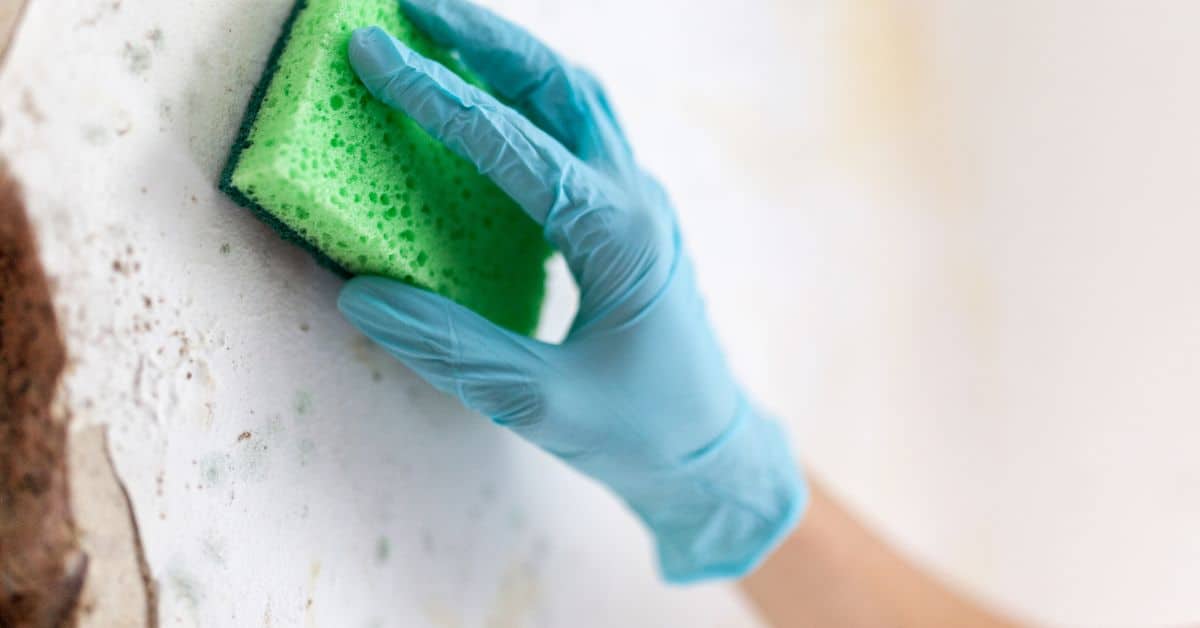
Primers and Sealers: Choosing the Right Products
Oil-based primers offer good adhesion on mahogany and help block tannins in some conditions. Shellac-based primers can provide excellent stain blocking and fast drying, especially for bleed-prone species. Consider a stain-blocking primer when tannin presence is confirmed or suspected.
Use sealers that form a durable, moisture-resistant film to complement the primer choice. Match the primer to the topcoat system and follow manufacturer instructions for recoat windows and compatible substrates. Verify product data sheets for any special surface prep notes.
Shellac vs. Oil-Based Stain Blockers
When it comes to mahogany doors, tannin bleed is a common issue. Both shellac and oil-based stain blockers tackle this, but they have their differences.
Shellac: Natural, fast-drying, and effective at blocking tannins. It’s ideal for spot-priming or when you need