Man painting exterior wall with roller and light paint

Fading Exterior Paint – Causes, Tests & Fixes

Introduction

Fading exterior paint occurs when UV exposure and weathering break down color and sheen, leaving surfaces dull. Over time sun, moisture, and the old paint’s condition drive the fade. Recognize it by color loss, chalky dust, and uneven gloss across walls.

To fix it, start with a clean, dry surface and inspect for peeling or cracking. Then scrape loose paint, wipe clean, and apply a suitable exterior primer before repainting. Follow the product label and local rules for preparation and timing; exact steps depend on your siding and climate.

Key takeaways

  • Regularly inspect faded areas for chalking, peeling, or wood moisture signs.
  • Test substrate with simple moisture check; if soft, delay repaint.
  • Use compatible primers and paints; mismatched products accelerate fading significantly.
  • Prepare surfaces properly: clean, degrease, dry, and abrade glossy coatings.
  • Wear eye protection and gloves when scraping or sanding; fumes risk.
  • Plan for longer-term maintenance: track fading trends and schedule recoats.
Table of Contents

How Exterior Paint Fades: Key Causes

Exterior paint fades mainly from sunlight, chemical exposure, and weather over time. You’ll see UV rays break down the pigment and clear binders, while oxidation can dull sheen. Chalky films and pigment breakdown can create a faded look that’s superficial, not structural. Distinguish between surface fading and actual paint failure that threatens protection.

Always check the product label or manufacturer instructions to confirm the expected performance in your climate. If in doubt, verify guidance with local building rules or a professional before selecting replacement coatings. This section helps you spot what’s likely fading and what may be a sign of more serious trouble.

Sunlight and UV radiation

The sun’s rays are the primary culprit behind exterior paint fading. Here’s what happens:

UV light breaks down the binders in your paint, weakening their hold on pigments. This causes color to fade over time.

Dark colors and oil-based paints are more susceptible because they absorb more UV rays than lighter hues or water-based alternatives.

To minimize this effect, consider using UV-resistant paint for south- and west-facing walls that get the most sun.

Weathering, moisture and temperature cycles

Repeated exposure to wet/dry and freeze/thaw cycles takes a toll on exterior paint. Here’s how:

Moisture seeps into tiny cracks or pores in the paint film, then expands when it freezes. This forces off flakes of paint, exposing more surface area to moisture and accelerating degradation.

High humidity also promotes fading by encouraging chemical reactions that break down pigments.

To mitigate these effects, ensure your paint is well-adhered and apply a quality primer before painting. This helps seal the surface and improves durability.

Surface contamination and pollution

Dirt, airborne particulates, mildew, and chemical pollutants can all contribute to exterior paint fading. Here’s how they do it:

These contaminants settle on your walls, absorbing sunlight and accelerating the breakdown of pigments beneath them. They also trap moisture against the surface, promoting mold growth and further degradation.

Chemical pollutants, like acid rain or exhaust fumes, can react with paint components, causing color to change or fade.

To keep contaminants at bay, regularly clean your exterior surfaces. Use a suitable cleaner for the paint type and follow up with a fresh coat of paint as needed.

Back to top ↑

Types of Fading and Visual Checkpoints

Look for uniform color loss across a surface, chalking, bleaching, peppering, and patchy fading. Each sign points to different underlying causes and needs. Some fading is reversible with cleaning or a fresh coat; others indicate deeper issues.

Note how the fading presents on different substrates like wood, metal, masonry, or vinyl. Document signs that may require inspection for moisture, substrate rot, or rust, which affect repair choices and outcomes.

Chalking and powdery residue

Check for chalking when your paint looks like it’s covered in a fine, white dust.

  • Gently rub: Use a soft cloth to see if the residue comes off. If yes, you’ve got chalking.
  • Wet test: Moisten a small area. Chalking will turn into a milky solution.
  • Sunlight check: Look at the affected area in bright sunlight. Chalking will appear more pronounced.
  • Binder failure: Chalking signals that your paint’s binder is breaking down, making it irreversible.

Quick rule: If you see chalking, it’s time to repaint and consider using a higher quality paint with better UV protection.

Pigment washout and bleaching

Use this checklist when your paint looks faded but you’re not sure if pigments are lost or just obscured.

  • Wet test: Moisten the area. If color reappears, it’s likely a surface film issue (not pigment washout).
  • Scrape test: Gently scrape a small, hidden area. If you see vibrant color underneath, pigments are still there.
  • UV exposure: Check if fading is worse in areas exposed to direct sunlight. This suggests bleaching due to UV damage.
  • Pigment loss: If tests show no vibrant color underneath and scraping reveals bare substrate, pigments have washed out.

Quick rule: If pigments are lost (not just obscured), you’ll need to repaint. But if it’s a surface film issue, cleaning or stripping might be enough.

Uneven or patchy fading patterns

Use this checklist when you notice localized fading on your paint job.

  • Shade exposure: Check if faded areas are consistently in direct sunlight. This could be sun-induced bleaching.
  • Heat reflection: Look for fading near reflective surfaces (windows, metal). Heat reflection can cause localized fading.
  • Poor prep: Inspect the substrate under faded patches. Poor preparation can lead to uneven paint adhesion and fading.
  • Trace pattern: Follow the fading pattern. It might lead you back to the root cause, like a leak or poor prep spot.

Quick rule: Uneven fading often points to specific issues that need addressing before repainting. Find and fix the cause to prevent recurrence.

Back to top ↑

Quick DIY Tests to Diagnose Paint Fading

Start with a rub test on a small area to see if the finish rubs off easily. A solvent test can help identify binder problems or topcoat issues. An adhesion test checks if the coating still sticks well to the surface.

Also perform a simple moisture check to see if dampness is contributing to fading or peeling. Follow safety precautions and avoid solvents on questionable substrates. If results are inconclusive, call a pro for a formal assessment.

The white cloth rub (chalking) test

Grab a clean, dry white cloth. Rub it firmly across the faded area of your exterior paint.

If the cloth comes away with a grey or white residue, you’ve got chalking – a sign of fading due to sunlight and weathering. This is common in older paints.

Note: If the residue is colored, it might indicate pigment washout, where the color has leached out of the paint.

Solvent and water spot tests

First, try a simple water test. Dip a cotton swab in water and dab it on the faded area. If the color lifts off, you’ve got surface contamination – dirt, mold, or mildew.

Next, try a mild solvent like isopropyl alcohol. Again, if the color lifts, it’s likely due to contamination. But if the color dissolves or fades further, it suggests pigment loss – the paint itself is fading.

Caution: Solvents can damage some surfaces. Always test in an inconspicuous area first.

Adhesion and cross-hatch checks

To check paint adhesion, try the tape pull test. Apply a piece of painter’s tape to the faded area, press down firmly, then pull it off quickly.

If any paint comes away with the tape, you’ve got poor adhesion. This could be due to improper preparation, moisture, or temperature cycles. Repainting might not help until you fix the underlying issue.

For a more thorough check: Use a utility knife to score a cross-hatch pattern into the paint. Then apply and pull off the tape. If the paint flakes off in large pieces, adhesion is poor.

Back to top ↑

Assessing Paint and Substrate Condition

Evaluate the paint for wear and the substrate for damage. Wood framing, metal flashing, masonry, and vinyl each react differently to fading and exposure. Look for rot, rust, efflorescence, and bond failures that can worsen fading.

Document conditions and how they relate to repair choices. Substrate issues often dictate whether you need prep work, priming, or even replacement of damaged sections.

Wood and composite siding considerations

When assessing your home’s exterior, pay close attention to wood and composite siding. These materials can present unique challenges when it comes to fading paint.

Tannin bleed is a common issue with wood siding. Tannins are naturally occurring compounds that can leach out of the wood, staining your paint and causing uneven fading. If you notice this, consider using a primer designed to block tannins before repainting.

Rot is another concern. Check for soft or crumbly spots on your siding. These areas need to be addressed before painting, as they won’t hold paint well and could lead to further damage.

Raised grain can also affect how your paint adheres and appears. Sanding these areas smooth before painting will help ensure even coverage and prevent premature fading.

Metal and aluminum surfaces

Metal and aluminum surfaces, like siding or roofing, can also experience paint fading. Understanding the unique challenges of these materials will help you address the issue effectively.

Oxidation is a common problem with metals. It causes the surface to rust or corrode, leading to paint failure and uneven fading. Before repainting, you’ll need to remove any rust and apply a primer designed for metal surfaces.

Factory-coated metals may also experience chalking, where the paint’s binder breaks down and turns into a fine powder. This can cause your paint to look dull and faded. Sanding lightly before painting can help remove this chalky residue and improve adhesion.

To control corrosion, it’s crucial to address any scratches or nicks in the paint immediately. These areas are susceptible to rust and can lead to further damage if left untreated.

Masonry, stucco and EIFS

Masonry, stucco, and exterior insulation and finish systems (EIFS) present their own set of challenges when it comes to paint fading. Understanding these materials can help you diagnose and fix the problem.

Porous substrates like masonry and stucco absorb pigments differently than solid surfaces. This can lead to uneven fading as the paint ages. Using a primer designed for porous surfaces can help ensure even coverage and prevent premature fading.

Efflorescence, or the appearance of white salt deposits on your surface, can also affect perceived color. If you notice efflorescence, clean it off thoroughly before painting. If the problem persists, you may need to address any underlying moisture issues.

Coatings failure can also cause uneven fading. Check for areas where the paint is peeling or flaking. These spots will need to be sanded and primed before repainting to ensure proper adhesion.
Back to top ↑

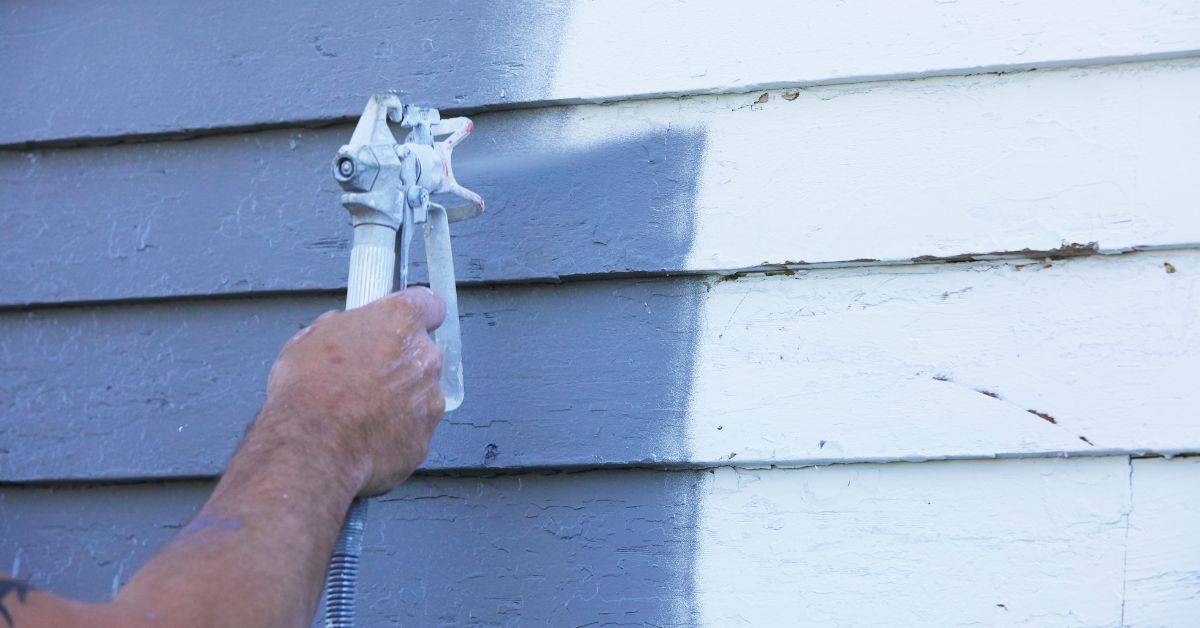
Hand using spray gun to apply paint on exterior wood siding

Preventive Measures to Slow Future Fading

Choose coatings with high UV resistance suitable for your climate. Pair topcoats with proper primers to improve color retention and adhesion. Regular maintenance washing helps remove pollutants that can accelerate fading.

Use shading strategies or protective coatings as needed, and consider clear coats if appropriate for your project. Look up the product label or manufacturer instructions for expected longevity and care routines, and interpret them against your local conditions.

Choosing the Right Paint and Pigments

The first line of defense against fading is choosing the right exterior paint. Acrylic paints are generally more fade-resistant than alkyds due to their better UV resistance.

Check pigment lightfastness ratings before you buy. These ratings, usually on a scale of 1-5, indicate how well colors hold up under sunlight. Opt for pigments rated 4 or 5.

Manufacturer color formulations also play a role. Some brands offer fade-resistant options. Don’t be afraid to ask about this at the paint store.

Surface Preparation and Primers

Proper surface prep is crucial for long-lasting color. Start by cleaning your surfaces thoroughly to remove dirt, grease, and chalking paint.

Sanding roughens the surface, helping paint adhere better. But be careful not to sand too aggressively; you don’t want to damage the substrate.

Seal any stains with a stain-blocking primer before painting. This prevents tannins from bleeding through and affecting your paint’s color.

Use a compatible primer to improve adhesion and seal the surface, reducing the risk of fading and paint failure.

Design and Environmental Controls

Architectural fixes can significantly reduce direct sun exposure, slowing down exterior color fade. Consider adding awnings or overhangs to shield your walls from the harshest sunlight.

Strategic planting can also help. Deciduous trees provide shade in summer but allow sunlight through in winter when it’s less intense.

Reflective materials like metal roofing or light-colored surfaces can also bounce sunlight away, reducing heat absorption and fading.

Remember, these fixes aren’t just about paint longevity; they can also help keep your home cooler in the summer.

Back to top ↑

Fixes: from Spot Repairs to Full Repaint

For minor fading, cleaning and recoating with compatible products can restore color evenly. Spot priming and color touch-ups are appropriate when only small areas are affected. Assess adhesion and surface condition before deciding.

When fading is widespread or underlying issues exist, a full-strip and repaint or substrate repair may be necessary. Use clear decision criteria from the product instructions and local requirements to predict outcomes and durability.

Cleaning and recoating for minor chalking

For mild fading due to chalking, a simple cleaning and recoating can do the trick. First, wash your siding with a solution of water and mild detergent to remove dirt and loose paint.

Next, perform an adhesion test. If the paint sticks, it’s safe to recoat. Use a compatible topcoat and apply it evenly over the affected area.

Let it dry, then inspect your work. If the color matches well and the surface feels smooth, you’re done. If not, consider spot priming or full repaint.

Spot priming and color matching for localized fading

When fading is localized to small areas, spot repairs can save you time and money. First, feather the edges of the faded area using sandpaper or a paint scraper to create a smooth transition.

Next, apply a primer to the exposed substrate. This helps seal the surface and promotes better paint adhesion. Once dry, match your paint color as closely as possible and apply it to the faded spot.

If the repair doesn’t blend seamlessly or if there are multiple faded spots, it might be time for a full repaint. Also, consider why the fading occurred in the first place – underlying issues may need addressing.

Full repaint and substrate remediation

A full repaint is necessary when fading is extensive, or if there are underlying substrate issues. Start by stripping the old paint. This can be done chemically or mechanically, depending on your surface type.

Next, address any substrate problems. Fix rotten wood, repair cracks in stucco, etc. Once the substrate is sound, prepare the surface for painting. This may involve sanding, washing, and priming.

A full repaint ensures even coverage and color. It’s also a chance to correct any previous painting mistakes or address areas that were previously inaccessible. After painting, allow the surface to cure properly before subjecting it to harsh weather conditions.

Back to top ↑

Tools, Materials Checklist and Material Specs

Assemble a homeowner-friendly toolkit: brushes, rollers, scrapers, masking, a pressure washer or hose, safe cleaners, and a moisture meter if available. Have primers, topcoats, compatible cleaners, and possibly a stain or sealant on hand. Keep extra rags and safety gear for spills and dust control.

Key specs to verify include UV resistance, exterior durability, and VOC limits. Compare product data sheets and labels to ensure compatibility with your substrate and climate, and don’t rely on brand claims alone.

Essential tools for inspection and repair

Before you start, gather these tools to ensure a thorough job.

  • Natural bristle brushes: For applying paint. Synthetic ones can leave streaks.
  • Scraper: To remove loose paint. Be careful not to damage the surface.
  • Rags: For wiping and cleaning. Microfiber works well.
  • Mild solvent (like mineral spirits): To clean tools and surfaces. Strong solvents can damage some materials.
  • Sandpaper (120-grit and 220-grit): For smoothing surfaces. Skipping sanding leaves a rough surface for paint to adhere to.
  • Primer: To seal the surface and improve paint adhesion. Skipping primer can lead to peeling.
  • Safety gear (gloves, goggles, mask): Protect yourself from chemicals and debris.
  • Tape measure: For measuring areas to be painted or repaired.

Quick rule: Always have the right tools for the job. It saves time and ensures a better result.

Material specs and labeling to check

When choosing paint, look for these labels and specifications to ensure quality and durability.

  • AAMA rating: Look for AAMA 2604 or higher. It indicates good resistance to fading, chalking, and corrosion.
  • ASTM D6798: This standard ensures the paint’s color retention under UV exposure. Check if it meets or exceeds your needs.
  • Lightfastness rating: A higher number (e.g., 5-8) indicates better resistance to fading from sunlight.
  • Gloss level: Higher gloss reflects more light, reducing the appearance of fading. Consider your preference and maintenance needs.
  • Weathering warranty: Check if it covers fading, chalking, or peeling for a certain period.
  • VOC content: Lower VOCs (Volatile Organic Compounds) are better for the environment and your health. Aim for 50 g/L or less.
  • Exterior durability: Look for terms like ‘exterior grade’ or ‘all-weather’. These indicate good resistance to outdoor elements.

Quick rule: Don’t be swayed by brand names alone. Check these specs to ensure you’re getting a quality product.

When to hire a professional

While DIY is great, there are times when it’s best to call in the pros.

  • Extensive adhesion failure: If more than 20% of your paint is peeling or flaking, it might be a sign of underlying issues that need professional attention.
  • Structural substrate damage: Cracks, holes, or other signs of structural damage should be assessed by a pro before painting.
  • Large-area fading: If your entire house or a large section is faded, it might be due to underlying issues with the paint or surface that a professional can diagnose and fix.
  • Color matching for large areas: Matching colors exactly over large areas can be challenging. A pro can ensure consistency.
  • Specialty surfaces (e.g., EIFS, metal): These require specific techniques and products that a professional is equipped to handle.

Quick rule: If in doubt, err on the side of caution. A professional can save you time, money, and frustration in the long run.

Back to top ↑

Maintenance Schedule and Long-Term Care

Create a simple seasonal check plan and stick to it. Inspect exposed surfaces after harsh weather events and at the start of each growing season. Tidy gutters and debris to prevent water staining that accelerates fading.

Set up an annual task list that’s realistic for your climate and substrate. Use local guidance as a reference point for timing and scope, and adjust based on observed wear and color shift.

Annual Inspection and Cleaning Routine

Inspect your home’s exterior annually, preferably in late spring after winter’s harsh effects have subsided.

  • Wash siding: Use a pressure washer or soft-bristle brush with mild detergent to remove dirt and grime. Neglect can lead to accelerated fading due to trapped sunlight.
  • Check for mildew: Inspect shaded areas for black or green spots. Treat with bleach solution if found.
  • Inspect gutters: Ensure they’re secure and free-flowing to prevent water damage.
  • Touch up minor chips: Apply touch-up paint to small nicks or scratches to prevent rust or moisture intrusion.
  • Check caulking: Inspect around windows, doors, and trim. Reapply if necessary.
  • Examine paint film: Check for peeling, cracking, or chalking. These signs indicate repainting may be needed.
  • Inspect hardware: Tighten or replace loose hinges, latches, and other hardware.
  • Trim trees/shrubs: Keep plants trimmed away from the house to prevent moisture buildup.

Quick rule: Regular cleaning and inspection help maintain your home’s exterior and slow down fading.

Repainting and Touch-Up Intervals

Paint lifespans vary based on type, quality, and environmental factors. Here’s a general guide:

Latex: Expect 5-10 years for siding, 2-4 years for trim. Recoat when chalking appears or paint starts to peel.

Oil-based: Lasts longer, around 10-15 years for siding, 6-8 years for trim. Repaint when peeling occurs.

Climate plays a significant role. Harsh conditions (UV, heat, cold) speed up fading and paint degradation. Inspect your home annually to determine repainting intervals.

Record-Keeping and Paint History

Keeping records simplifies future touch-ups and color matching. Here’s what to keep track of:

Paint codes: Record the exact color code used on each surface. This ensures consistent touch-ups.

Batch numbers: Note down batch numbers for each paint type used. Different batches can have slight color variations.

Maintenance logs: Keep a log of all maintenance work done, including dates and details. This helps plan future upkeep and identify trends in fading or damage.

Back to top ↑

Conclusion

Fading exterior paint is a signal you can fix, not a fate you have to live with. Do the checks, run the tests, and make a solid plan so you protect the substrate, stay within budget, and keep the look intact.

First, run a quick, practical check as you would on site: note what faded, chalky, or peeling, test a small area with the DIY tests you’ve learned, inspect the substrate for moisture or damage, and decide whether you need spot repairs or a full repaint. Gather the tools and materials you decided on, set a realistic timeline, and follow a simple maintenance rhythm so you’re not reacting to fade every season.

Common mistakes are costly and slow you down: skipping a test patch or rushing repairs without proper cleaning and prep, choosing the wrong paint type or finish for your climate, and skipping edge sealing or proper primer where needed. Safety rules are simple: wear eye protection and a mask, use a sturdy ladder with a helper if you’re off the ground, and never work on wet or windy days. Test on a small area first and follow the manufacturer’s directions for drying times and recoat windows.

If you see widespread rot, active moisture intrusion, large-scale blistering, extensive lead paint concerns, or you’re unsure about the existing coating system, call a professional. When in doubt, don’t push on alone. With a clear plan, careful prep, and measured steps, you can restore curb appeal safely and confidently—and you’ll know exactly when to move to the next phase. You’ve got this.

Back to top ↑

FAQ

What should I check first if exterior paint is fading?

Look at where the fade is. Is it on south or west walls that get a lot of sun, or is it across the whole house? Check for chipping, peeling, or signs of moisture behind the paint. If you see moisture or soft spots, fix that before worrying about color.

Can sun exposure and moisture fade be distinguished with simple checks?

Sun fade usually looks uniform on surfaces that get steady sun. Moisture fade often accompanies staining, alligatoring, or peeling where water pools or leaks. Check nearby gutters, flashing, and any cracks that might let water in.

How do I spot substrate damage that causes fading or poor adhesion?

Touch the paint in a few spots. If it pulls away easily or feels soft, the substrate may be failing. Look for cracks in the siding, rot, or old coatings under the fading layer. If you see rot or delamination, address the substrate first.

What are safe, practical fixes before a full repaint?

If the fade is mostly cosmetic, spot repairs and a fresh topcoat can help. Clean and lightly sand glossy areas, prime where needed, and repaint with a compatible coating. Always follow the label for prep, primer, and topcoat directions, and test a small area first. If you’re unsure about the substrate, check manufacturer instructions or local rules before proceeding.

Back to top ↑