
Introduction
Microtopping problems are defects like bubbles, pinholes, and delamination that happen when a thin decorative concrete layer can’t bond or level properly. This article covers straightforward, hands-on steps to prevent them during mixing, prep, and application. You’ll also see how surface preparation and choosing self-leveling options can help you get a smoother, longer-lasting finish.
Self-leveling concrete offers a forgiving base when prepared and applied correctly, but success still depends on clean, dust-free edges and a solid primer or bonding agent as required by the product you choose. I’ll walk through practical surface prep techniques, mixing and application tips, and clear troubleshooting steps for common issues, with safe checks like reading labels, manufacturer instructions, and local rules to stay compliant. If a problem pops up, you’ll know where to look first and what adjustments to try on your next pass.
Key takeaways
- Prioritize thorough surface prep to prevent bubbles, pinholes, and delamination.
- Self-leveling options smooth out irregular floors when mixed and poured correctly.
- Monitor mixing consistency; entrained air is easier to manage with proper technique.
- Apply in staged coats per manufacturer guidance to reduce air voids.
- Ventilate work area, wear respirators when handling coatings and solvents.
- Inspect, repair defects promptly; pinholes and bubbles worsen with traffic and moisture.
Table of Contents
- Introduction
- Key takeaways
- What Is Microtopping and Common Failure Modes
- Surface Preparation: the Foundation for Success
- Tools, Materials, and Specs Checklist
- Mixing Techniques to Minimize Entrained Air and Consistency Problems
- Application Best Practices to Prevent Bubbles and Pinholes
- Troubleshooting: Diagnosing and Repairing Defects
- Safety, Ventilation and Handling Hazardous Materials
- Costs, Maintenance, Longevity, and Common DIY Mistakes
- Conclusion
- FAQ
What Is Microtopping and Common Failure Modes
Microtopping is a thin cement/polymer coating applied over existing concrete to create a smooth, durable finish. It commonly goes down in thin layers and relies on good bonding to the substrate. Thickness and product data sheets matter because they influence performance and defect risk.
Link failure modes to prep and application: improper substrate prep, moisture content, bonding surface preparation, and surface contamination can lead to bubbles, pinholes, and delamination. Understand what bubbles, pinholes, and delamination look like and what typically causes each defect. Prevention comes from surface prep, proper mixing, and controlled application conditions, plus appropriate curing timelines.
Microtopping vs other floor toppings
Microtopping is a thin cement-polymer system, unlike thicker self-leveling overlays or epoxy systems. It’s flexible and bonds well to various substrates, but it needs proper prep and application to avoid defects.
Thickness: Microtopping is typically 1-3mm thick, while self-levelers can be up to 25mm and epoxies vary. This thinness makes microtopping more susceptible to substrate issues if not prepared correctly.
Flexibility & Bonding: Microtopping’s flexibility allows it to move with the substrate, reducing cracking risks. However, it needs a clean, dry, and primed surface to bond properly. Unlike epoxies, it doesn’t rely on mechanical bonding alone.
Typical failure mechanisms (bubbles, pinholes, delamination)
Bubbles, pinholes, and delamination are common microtopping defects. Understanding their sources helps prevent them.
Bubbles: Entrained air or outgassing from the substrate can cause bubbles. Over-rolling, surface moisture, or improper troweling technique can also trap air. Bubbles appear as small, raised blisters on the surface.
Pinholes: These tiny holes form due to dust particles, curing compounds, or insufficiently cured thinner layers. Pinholes look like small, crater-like indentations.
Delamination: Poor adhesion, substrate movement, or insufficient primer can cause delamination. It manifests as flaking or peeling of the microtopping layer from the substrate.
Why prevention saves time and cost
Preventing defects in microtopping installation saves time, money, and reduces long-term maintenance. Reworking or replacing failed microtopping is costly and time-consuming.
Rework Costs: Fixing bubbles, pinholes, or delamination involves stripping the affected area, re-prepping the substrate, and reapplying microtopping. This process can double or triple initial installation costs.
Lifecycle Costs: Defects left untreated can worsen over time, leading to further damage and higher repair bills. Regular inspections and preventive maintenance reduce these lifecycle costs significantly.
Surface Preparation: the Foundation for Success
Start with a clean, profiled substrate. Remove oils, sealers, dust, curing compounds, and concrete inhibitors that can interfere with adhesion. Verify that the surface is ready for the topping material you will use.
Profile the surface to the correct texture, address cracks or hollow spots, and control moisture. Perform moisture testing and plan mitigation if moisture is detected. Select primers and bonding agents compatible with the substrate and topping, and follow dwell times and methods exactly.
Cleaning, repair, and mechanical profiling
Start by degreasing your substrate. Oils, sealants, and curing compounds can stop microtopping from sticking.
Remove all contaminants: dust, concrete inhibitors too. A clean surface is key for adhesion.
Fill spalls and cracks with appropriate patching products. Use bond coats to ensure repairs stick.
Create an anchor profile by grinding or shot-blasting. This gives microtopping something to grip onto.
Moisture, vapor, and pH testing
Test your substrate’s relative humidity (RH). Most microtoppings need RH below 75%. Check product datasheets for specific limits.
Use calcium chloride tests to measure moisture vapor emission rate. High values may require a vapor barrier.
Check pH too. Concrete should be between 6-10. Too high or low can cause issues with microtopping.
Always check product datasheets: Some systems have unique moisture and pH requirements.
Primers, bond coats and curing substrates
Select a primer that seals pores, improves bond, and reduces pinholing. It should be compatible with your microtopping and substrate.
Apply primers according to manufacturer’s instructions. This includes dwell times before applying microtopping.
Check cure times: Primers need time to set before you apply microtopping. Don’t rush this step.
Cure your substrate properly before applying microtopping. Follow the manufacturer’s guidelines for temperature and humidity ranges.
Tools, Materials, and Specs Checklist
Assemble core tools, PPE, and mixing equipment tailored for microtopping prep. Include gauges, levelers, and protective gear suitable for concrete substrates and coatings. Plan for clean, safe handling between steps.
Check materials and supplier questions: primers, skim coats, polymer-modified mixtures, additives, and batch traceability. Verify pot life, curing times, and compatibility with the topping product. Document tests and standard signatures for project records.
Tools and PPE
Before you start, ensure you have the right tools and protective gear. This checklist helps prevent mistakes that lead to bubbles, pinholes, or delamination.
- Mixers: Electric mixers with paddle attachments for consistent microtopping mixing.
- Gauges: Level gauges to ensure even application and proper thickness.
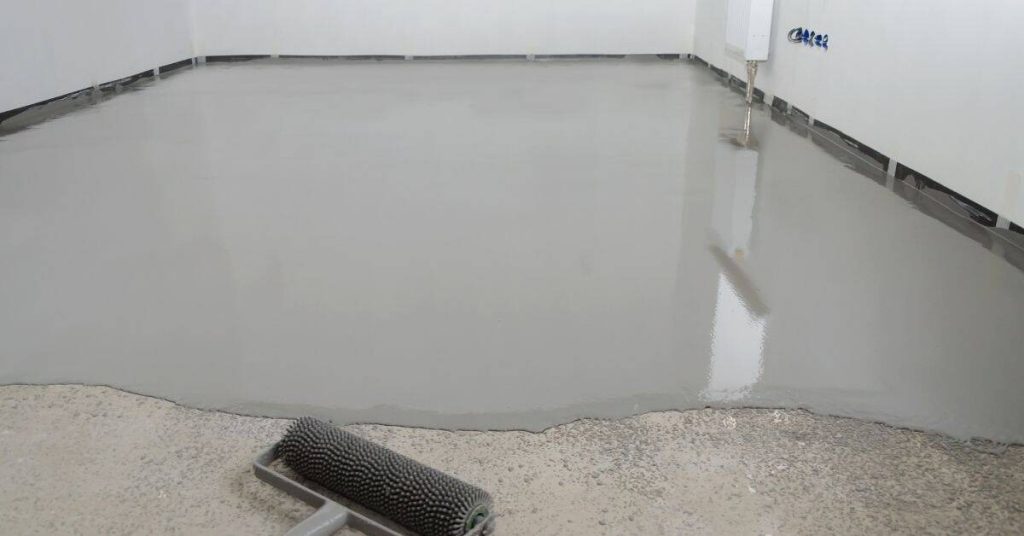
- Spiked rollers: For evening out the microtopping and removing air bubbles.
- Trowels: Sponge float trowels for final smoothing and finishing.
- Vacuums: Wet/dry vacuums to clean up spills and prevent contamination.
- Gloves: Disposable gloves to protect hands from chemicals.
- Eye protection: Safety glasses or goggles to shield eyes from debris and splashes.
- Respirators: Dust masks or respirators for protection against harmful particles.
Quick rule: Always use the right tool for the job. Wrong tools can lead to improper mixing, application, and finish.
Material selection and product specs to verify
Confirm these material specs with your supplier to avoid surprises that could cause defects.
- Primer: Verify compatibility with chosen microtopping. Incompatibility can lead to poor adhesion or delamination.
- Tixotropic agents: Check if they’re included in the mix, as they prevent sagging and improve application.
- Skim coats: Ensure they match your desired finish thickness and profile (R value).
- Pot life: Confirm to plan your work schedule accordingly. A short pot life can lead to waste or rushed application.
- Cure time: Verify to schedule follow-up activities, like applying sealers or foot traffic.
- Compatibility with primers: Ensure the microtopping adheres well to your chosen primer.
- Aggregate sizes: Check they’re suitable for your desired finish and substrate.
- Additives: Verify their purpose and effects on the final product.
Quick rule: Always verify material specs with your supplier. Assumptions can lead to costly mistakes.
Visual checkpoints and test patches
Before full installation, do a small test area and visual checkpoints to ensure the microtopping behaves as expected.
- Test patch: Apply a small test area to check for any unexpected reactions with your substrate or primers.
- Adhesion tape: Perform an adhesion test using tape. Poor adhesion can lead to delamination.
- Cross-hatch: Use a utility knife to score the surface and apply tape. Pulling off the tape should leave no residue if adhesion is good.
- Surface profile (R value): Check if it matches your desired finish. Incorrect R values can lead to slippery or rough surfaces.
- Cure conditions: Monitor temperature and humidity during curing to prevent defects.
Quick rule: Always do test patches before full installation. It’s cheaper to fix issues on a small scale than on the entire project.
Mixing Techniques to Minimize Entrained Air and Consistency Problems
Define the correct mixing sequence: powders first, then liquids or additives, to minimize air entrapment. Follow a step-by-step example and avoid shortcuts. Keep the mix movement steady to limit foam and bubbles.
Monitor equipment speed and mixing time, using the recommended RPM and blade type. Avoid over-mixing, which can trap air. Plan batch sizing to maintain pot life and uniform flow, and control temperature to prevent premature drying.
Correct mixing order and speeds
Start by adding your dry powders to the mix. This helps prevent air entrapment.
Gradually add liquids or additives while mixing at a low speed, around 200-300 RPM. This gives the powder time to absorb the liquid evenly.
Avoid high-speed mixing, which can incorporate too much air into your mix.
Use a paddle blade designed for low-viscosity materials and maintain consistent speed throughout the mixing process.
Batch size, pot life, and temperature effects
Keep batch sizes small to match the product’s pot life. This ensures your mix remains workable and consistent.
Check the product label for pot life limits. Warmer ambient or substrate temperatures can shorten working time, while cooler temps lengthen it.
Monitor temperature rise during mixing. Excessive heat can cause air bubbles to form as the material expands.
Adjust your batching workflow accordingly, ensuring you’re using each batch within its pot life window.
Use of additives, defoamers, and polymers
Air-reducing admixtures or antifoams can help minimize bubbles. Add these after your main powders and liquids.
Test a small batch first to ensure compatibility and the desired effect on air reduction. Overdosing can weaken the mix, so follow manufacturer guidelines.
Be cautious with incompatible additives or polymers. These can cause delamination or other failures if not used correctly.
Always clean your mixing equipment thoroughly between batches to avoid contamination from previous mixes.

Application Best Practices to Prevent Bubbles and Pinholes
Pre-application prep includes sound, clean, dry substrate and proper priming. Test moisture and porosity and address laitance or contaminants that trap air. Ensure the surface is ready for the layer you will apply.
Manage mix design and air: specify slump targets and use additives that minimize air entrainment. Maintain stable environmental conditions and use proper pouring, screeding, and rolling sequences to control air pockets and depth consistency.
Pouring, screeding, and maintaining a wet edge
When pouring concrete, the goal is to place it evenly and maintain a “wet edge” to avoid bubbles and pinholes. Here’s how:
Even placement: Start at one corner of your formwork and pour a section about 6-8 feet wide. Use a shovel or rake to spread the concrete, keeping it level with the top of the forms.
Maintain a wet edge: As you move along, always start from where the previous pour is still wet. This helps prevent lap marks and keeps air from getting trapped. If you must stop for any reason, make sure to overlap the next pour by at least 6 inches onto the still-wet area.
Deaeration methods on fresh surface
Once you’ve poured and screeded your concrete, it’s time to remove air bubbles before they harden. Here are some tried-and-true methods:
Spiked rollers/shoes: These tools have spikes that pierce the surface, allowing air to escape. Work them over the surface in a systematic pattern, starting from one corner and moving towards the opposite side.
Timing is crucial here. Do this within 15-30 minutes after pouring, while the concrete is still fluid but has started to set slightly. Too early, and you might disturb the aggregate; too late, and the bubbles will have already hardened.
Layering strategy and recommended film thickness
Listen up, DIYer. You wanna avoid pinholes? Then you gotta lay down thin, even layers of concrete. Don’t go slapping on a thick coat like you’re frosting a cake.
Each layer should be within the product’s recommended thickness limit. Check the label or manufacturer instructions for this. It’s usually around 1/4 to 3/8 inch. Thinner is better, trust me.
Now, you might be thinking, “But I wanna get ‘er done quick!” Slow down, partner. Proper cure time between coats is crucial. This lets the concrete set and reduces shrinkage-related pinholes. So, check your product’s recommended cure time and stick to it.
Troubleshooting: Diagnosing and Repairing Defects
Use a diagnostic flow to distinguish pinholes from mixing errors, outgassing, or substrate vapor. Look for appearance, timing, bubble pattern, odor, and curing conditions. Use simple on-site checks to guide repairs.
Set clear remediation actions for each cause: restart with a fresh batch if mixing errors occur; ventilate and skim coat after curing for outgassing; install vapor barriers or reseal the surface if substrate vapor is suspected. Keep a quick-reference guide handy.
Identifying the root cause on-site
Start by checking when pinholes appeared. Fresh defects mean mixing errors, while older ones could be due to outgassing or substrate vapor.
Substrate moisture is a common culprit. Use simple moisture test sticks to check the surface before application. If it’s damp, wait until it dries or install a vapor barrier.
Perform adhesion tests by sticking tape on the surface and pulling it off. If it peels easily, you’ve got delamination issues due to poor bonding.
On-the-spot fixes for fresh defects
For fresh bubbles/pinholes, act fast. Use a spiked roller to burst them gently, then recoat with a thin layer of microtopping.
If the defect is large, touch up with thin feathering mortar. Work quickly and smoothly to avoid introducing new defects.
Stop work if defects keep appearing. Assess your mixing technique, substrate prep, or application conditions. It’s cheaper to fix now than redo later.
Repairing delamination and rework strategy
If you’ve got delamination, remove the affected area carefully. Use a chisel or grinder to cut along the defect, then pry it off.
Re-profile the surface using a suitable tool like a sander or grinder. Ensure it’s clean and free of debris before re-priming.
Follow product guidance for reapplication. You might need to switch to a remedial bonding slurry if delamination is severe. Always test first on a small area to ensure compatibility.
Safety, Ventilation and Handling Hazardous Materials
Define mandatory PPE: eye protection, respirators or P100/half-face with organic vapor cartridges, gloves, long sleeves, and appropriate footwear. Upgrade as needed for dust or chemical exposure. Plan ventilation to control airborne concentrations.
Check SDS, verify chemical compatibility, and follow storage and first-aid procedures. Use wet-cutting or dust-containment practices, and maintain spill kits and clear emergency procedures on site.
Personal protective equipment and exposure controls
Protecting yourself from dust and chemicals is crucial. Here’s what you need:
- Gloves: Use chemical-resistant gloves for mixing and handling materials. For grinding, opt for durable work gloves.
- Eye/face protection: Wear safety glasses with side shields or a face shield during prep and application to protect from dust and splashes.
- Respirators: Use a P100 respirator or half-face respirator with organic vapor cartridges for chemical exposure. Upgrade to a full-face respirator if needed.
- Clothing: Wear long sleeves and long pants to minimize skin contact with chemicals. Consider disposable coveralls.
- Footwear: Wear sturdy, non-slip boots or shoes to protect your feet from falling objects and chemicals.
Ventilation, VOCs, and respiratory protection
Proper ventilation is key to managing VOC exposure. First, assess the room:
Room volume determines how much air needs to be exchanged. Use a simple formula: Room length x width x height ÷ 12 = cubic feet.
Next, check airflow. Open windows and doors if possible. Consider using fans for cross-ventilation or exhaust fans for local extraction.
Lastly, plan your respiratory protection. If VOC levels are high despite ventilation efforts, upgrade to a respirator with organic vapor cartridges.
Storage, spill response, and disposal
Follow these guidelines for safe storage, spill response, and disposal:
Storage: Keep materials in their original containers. Store them at temperatures specified on the SDS to prevent degradation.
Spill response: Have a spill kit ready with absorbents, personal protective equipment, and cleanup instructions. Contain spills promptly to prevent further spread.
Disposal: Follow local regulations for waste disposal. Empty containers should be rinsed, dried, and disposed of as regular trash. Never reuse or recycle empty containers.
Costs, Maintenance, Longevity, and Common DIY Mistakes
Outline cost drivers such as materials, prep, tools, additives, and labor. Budget for regional variability and consider when DIY saves versus hiring a pro. Factor in contingencies for repairs or rework.
Provide a maintenance plan: cleaning, resealing, crack repair, and periodic inspections. Explain how substrate condition, thickness, and curing affect longevity, and list frequent DIY mistakes to avoid for best results.
What affects cost and how to get accurate quotes
The cost of microtopping varies based on several factors. Surface preparation, repair work, primers, sealers, and labor all contribute to the final price.
Material costs depend on the type and quantity of microtopping overlay, primers, and sealers needed. These can fluctuate regionally, so check local suppliers for pricing.
Labor costs differ based on your location and the complexity of the job. Ask for itemized quotes from at least three contractors to compare rates. They should break down their charges into surface prep, repair work, product cost, and labor.
Don’t forget a contingency fund for unexpected issues. Plan for 10-15% extra in your budget.
Maintenance schedule and extending service life
A well-maintained microtopping surface can last up to a decade. Regular cleaning, resealing, and inspections keep it looking good and performing well.
Clean spills promptly with mild detergent and warm water. For routine cleaning, use a soft-bristle broom or vacuum to remove dirt every 3-6 months.
Reapply sealers or topcoats every 2-5 years, depending on traffic. High-traffic areas may need resealing annually. Inspect your floor every 6-12 months for signs of wear, delamination, or cracks. Catch these early to prevent them from spreading.
Proper maintenance extends the life of your microtopping and keeps it looking its best. Stay on top of cleaning, resealing, and inspections to maximize your investment.
Common DIY mistakes and how to avoid them
Even with the best intentions, DIYers can make mistakes that compromise their microtopping. Here are some common pitfalls and tips on how to avoid them.
- Inadequate surface prep: Skimping on surface preparation leads to poor adhesion. Ensure your substrate is clean, dry, and free of contaminants.
- Incorrect mix ratios: Following the manufacturer’s guidelines ensures a consistent product. Overworking or underworking the mixture can lead to bubbles, pinholes, or delamination.
- Poor environmental control: Temperature and humidity affect curing and adhesion. Maintain optimal conditions during application and curing.
- Neglecting expansion joints: Without proper edge detailing and expansion joints, your microtopping can crack under stress.
- Skipping primers/sealers: Primers improve adhesion, while sealers protect against moisture and stains. Don’t skip these crucial steps.
Learning from others’ mistakes helps you avoid them in your own project. Take the time to prepare properly, follow manufacturer guidelines, and maintain optimal conditions for a successful microtopping installation.
Conclusion
Paraphrasing what matters: handle microtopping like a trade job, not a DIY hack—proper prep, controlled mixing, and careful application protect safety, durability, and the look you want.
First, check the surface and environmental conditions, confirm the right materials and mix technique, run a small test patch, then follow the application steps exactly, monitor for air traps as you go, and finally allow full curing and proper protection before use. Keep a simple rule: if anything feels off during mixing, surface prep, or placement, pause, reassess, and fix it before proceeding.
Two common mistakes to avoid are skipping ventilation and PPE, which hazards dust and fumes, and rushing through mixing or troweling, which invites bubbles, pinholes, or delamination. Always keep a clean work area, mix and use materials within their stated pot life, and respect curing times. If in doubt, or if the project scope is large, call a professional and get a second set of eyes on corners, edges, and transitions to prevent costly failures.
If the project is near limits of your experience, or you’re dealing with complex shapes, high humidity, or variable substrate, seeking professional help is smart. Stay disciplined, test first, and work methodically—steady progress beats quick fixes, and your finished surface will repay the effort with long life and a clean, even appearance.
FAQ
What are the benefits of using self-leveling concrete for microtopping?
Self-leveling concrete flows out to create a smoother, more even surface. It helps bridge small irregularities and reduces manual troweling. It does not replace solid surface prep or proper substrate repair.
What surface preparation steps help prevent bubbles and delamination?
Clean the surface thoroughly and remove all loose material. Roughen glossy finishes and repair cracks or voids. Test moisture and follow primer and bonding recommendations from the product label.
What mixing and application tips reduce air voids and keep the mix uniform?
Follow the product instructions for mixing order and speed. Do not add water to adjust consistency. Work in manageable batches and pace application to minimize trap or pour lines.
What finishing, curing, and sealing options should I consider?
Let the microtopping cure per the manufacturer’s guidelines and keep it protected from rapid drying. Choose a sealer that suits traffic, cleaning needs, and appearance. Check label for recoat windows and compatibility with the topping.