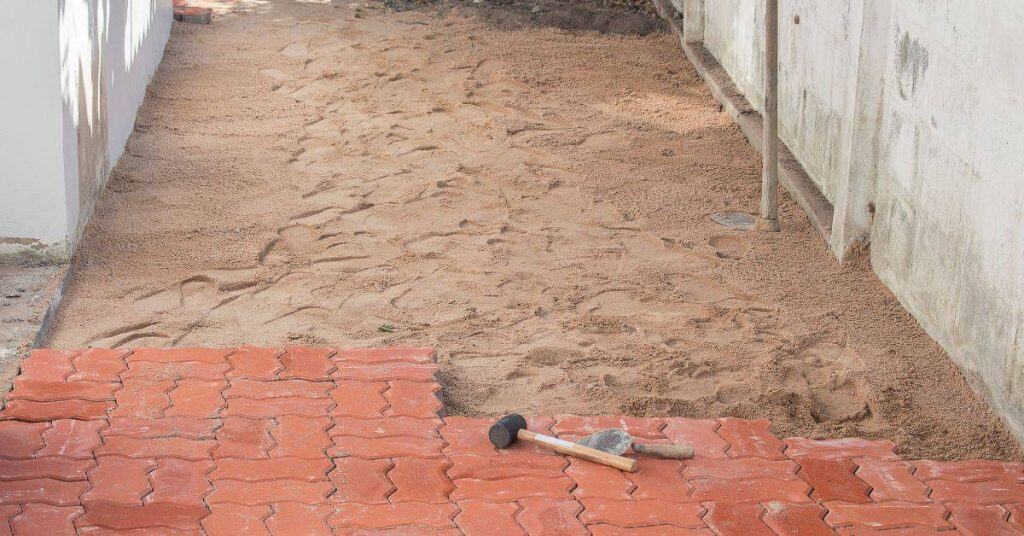
Matching Sand Gradation for Repairs: Why the Same Mix Still Looks Different

Matching Sand Gradation for Repairs: Why the Same Mix Still Looks Different

Introduction

Even with the same sand mix, a repair can look different from the surrounding material.

You’ll learn how particle size (gradations), moisture, curing, and placement affect appearance and how to adjust your mix, batch timing, and finishing approach to get a closer match.

Key takeaways

  • Gradation affects color, texture, and workability of lime mortars on repairs.
  • Even with identical ratios, particle size variations create visible finish differences.
  • Blend lime mortar with calibrated sand and test color under lighting.
  • Document batch compositions, water content, and curing conditions for repeatable results.
  • Estimate yield and cost per square meter to plan repairs.
  • Maintain a tool and material checklist to avoid mismatched finishes.
Table of Contents

Why sand gradation matters in mortar repairs

Sand gradation is the range of particle sizes in the sand you use, with terms like gradation, fines, coarse fraction, and particle size distribution describing how those sizes are spread out. It matters because the mix’s workability, water demand, curing shrinkage, porosity, and bond strength all hinge on that size mix. Even when you keep the same proportions, different gradations can change color, texture, and how the mortar finishes in joints and repairs.

On site, you need a practical handle on gradation: know what the fines do to workability and set times, and how the coarse fraction influences strength and porosity. Use simple sieve checks, estimate fines content, and compare against standards to interpret what you have for a repair mix. When matching color and texture, pick sand with a similar gradation, consider slight adjustments to water or lime/elastomer modifiers if needed, and run small patch tests before committing to the whole job to avoid obvious mismatches later.

How gradation affects color and texture

The type of sand you choose for your mortar repair can really make a difference in how the finished surface looks. Coarse sand will give you a rougher, more textured finish that catches light differently than fine sand does. Fine sand, on the other hand, produces a smoother surface with less visible texture.

When it comes to color, coarse sand tends to show pigments better because of its larger particles and open structure. This means your mortar will have a richer, more vibrant look. Fine sand can sometimes make colors appear washed out or pale due to the tight packing of smaller grains that don’t let pigment stand out as much.

For joints and edges, coarse sand is easier to work with if you want clean lines and sharp corners. It holds its shape better while setting. But for a more uniform look across large areas, fine sand will give you smoother transitions without the need for excessive troweling or finishing touches.

How gradation affects strength and permeability

Sand gradation plays a big role in how strong your mortar repair will be. If the sand is too fine, it can cause shrinkage issues as the mortar dries, leading to cracks and weak spots. On the other hand, if the sand has a good mix of particle sizes, it locks together better, giving you stronger joints.

Permeability is another key factor. Historic masonry needs to breathe; it shouldn’t be sealed up tight like modern concrete. A well-graded sand allows moisture to move through the mortar and brick naturally, preventing water buildup that can lead to freeze-thaw damage in cold climates. So when you’re mixing your mortar, check base compaction and make sure your sand isn’t too fine or too coarse.

Avoid using beach sand for repairs; it’s often contaminated with salt and has the wrong gradation for masonry work. Stick to clean, sharp sand from a reputable supplier that’s suitable for historic mortar mixes. This ensures you get both strength and breathability right in your repair job.

Back to top ↑

Rusty plaster trowel with worn wooden handle on weathered wood.
Wipe and dry tools after use to prevent rust and ensure smooth mortar application.

Why identical mix ratios still look different on-site

Even with the same mix ratio, on-site color and texture can look different because real-world factors always creep in during mixing, placement, and curing. Sand source and mineralogy, moisture in the aggregate and cement, pigment dispersion, finishing technique, and curing conditions all shove the appearance in slightly different directions.

Moisture in the mix and in the substrate shifts shade, workability, and surface sheen, so you should measure it and keep it consistent with simple checks and by keeping the same batch at the same humidity level. Pigment batch variation—type, loading, mixing time, and even settling or stratification between bags—can silently create a mismatched patch, so stick to one pigment batch when possible and run small test patches first. Finish technique and curing choices matter too: trowel patterns, joint tooling, float burnish, ambient temperature, humidity, and curing duration all alter perceived color, so verify with standardized lighting, document batch numbers, and align suppliers and sands for traceability.

Natural sand color and mineral content

The color of your concrete can vary a lot depending on the type of sand you’re using. Sand isn’t just one uniform thing; it’s made up of different minerals like quartz, feldspar, mica, and iron. Each of these gives the sand—and thus your concrete—a unique look.

Quartz tends to give your mix a more neutral gray tone, while higher amounts of iron can make things darker or even reddish. Mica might add some sparkle but also affects how light reflects off your finished surface. Feldspar can change the hue towards a warmer brown if it’s present in large quantities.

When you’re picking out sand for your project, check its mineral content. If you want a consistent look across different batches of concrete, make sure to source from the same supplier or batch. Mixing sands with different mineral compositions can lead to noticeable color variations that might not be what you planned.

Mixing, water content, and finishing technique

The way you mix your concrete and the amount of water you add can really change how it looks when it dries. Too much water makes the surface look washed out and weak. The right water-to-binder ratio is key for a strong finish.

How you spread and tool the joints also affects texture and color. Use a jointer to make clean, straight lines that set off the concrete’s natural grain. Messy or uneven edges can look cheap and unprofessional. Spend extra time on this step if you want your work to stand out.

Remember, even with perfect mix ratios, the final look depends on how well you handle it from start to finish. Check base compaction before pouring and make sure everything is level and smooth as you go. This attention to detail will pay off in a beautiful, durable concrete surface.

Back to top ↑

Customizing pre-blended lime mortars with sand and color

Customizing pre-blended lime mortars means adjusting pigment color and sand gradation to better match existing substrates while keeping the mortar strong and durable. Start with stock color options, know their limits and curing color changes, and then decide when to add pigments or adjust sand to fine-tune shade and texture without sacrificing workability.

This matters on a DIY job because small color diffs can loom large in the finished wall. A simple test batch, proper pigment dosages, and a sensible sand blend let you control depth, opacity, and surface feel, while documenting results helps you repeat success on future repairs and avoid messy field guesswork.

When to accept a stock color vs. order customization

If your repair area is small and not in plain sight, go with the stock colors. It’s quicker and easier on the wallet. But if you’re fixing up something historic or it’s going to be highly visible, customizing the mortar can make a big difference.

Budget and time constraints also play a role. Custom orders take longer and cost more, so weigh that against how much the job matters. If accuracy is key for a heritage project, splurge on customization. Otherwise, stick to what’s readily available.

Remember, when you’re dealing with big patches or entire facades, getting it right from the start saves headaches later. Don’t rush into something that won’t look good in the long run just because it’s cheaper now.

How to request or create a custom gradation blend

If you need a specific sand gradation for your lime mortar, start by checking if the manufacturer offers customization. If they do, provide them with your desired sand size and shape. If not, consider blending sands on-site to match what’s needed.

For on-site mixing, use two or three different types of sand—each with a distinct particle size—to achieve the right gradation. Mix small batches first to test the consistency before scaling up. Remember, getting the sand gradation right is crucial for mortar workability and strength.

When blending sands yourself, also consider the base material under your mortar layer. Ensure it’s well compacted and stable; a weak foundation can lead to cracks in your finished work. If unsure about your mix or base quality, consult with an expert before proceeding.

Back to top ↑

Quality control: ensuring consistent mixes and on-site replication

Quality control starts with what manufacturers test on pre-blended bags and what you verify on site. Built-in controls cover consistency, slump, and compressive strength, plus batch labeling. DIYers should check moisture content, color consistency, and how the mix flows in place. Key factors to watch are sand gradation, aggregate moisture, cement type, water content, and any additives, since each shifts color and strength when you repair with a similar mix. Do small checks as you go: measure sand moisture, run a simple slump test, compare color to a swatch, and prep a tiny batch to confirm workability. Document the mix ratio, water added, and any deviations so you can match future repairs.

On site, keep the same mixing sequence, use the same equipment, and clean between batches to avoid contamination. Curing and finishing matter as much as the mix itself, so control the environment and timing to avoid color or finish variation. Simple batch tracking and clear notes help you reproduce results later rather than guesswork. If a batch looks off, re-temper or adjust in small increments instead of dumping extra cement or water, which can create cold joints or weak spots. The goal is to stage repairs to blend with surrounding concrete while staying structurally sound.

Batch testing and small trial patches

Before you pour a big slab, make sure to do some batch testing. Take the first few bags of concrete and mix them up exactly as you plan for your project. Pour this into a small test panel or patch. This way, you can see how it sets and cures under real conditions.

Check base compaction before pouring your trial patch. If the ground isn’t solid, your concrete will suffer from cracks and settling issues later on. Once the trial patch is set, inspect it for any defects or weaknesses. Adjust your mix if needed by tweaking water content or adding more aggregate.

Note down the batch number of the concrete you used for testing. This helps trace back to specific mixes if problems arise during full application. Don’t skip this step; it’s a small effort that saves big headaches later on.

Sampling and verification methods for gradation

To ensure your concrete mix is consistent, you need to verify the sand’s gradation. Start by grabbing a handful of sand from different spots on your site. It should feel smooth but not clumpy. If it sticks together like wet cement, it’s too fine.

For a more precise check, use a simple field sieve kit. Sieve out samples and compare the sizes to what you ordered. This helps catch any mix-ups early. Remember, consistency in gradation means better concrete quality.

If you’re unsure about your findings or want an expert opinion, send some samples off to a lab for testing. They can give you detailed reports on particle size distribution that match your specs exactly. Don’t skip this step if things look off; it’s worth the peace of mind and quality assurance.

Back to top ↑

Applying fresh mortar into brick joints with a pointing tool.
Pack mortar firmly into joints to seal against moisture and drafts.

Coverage rates, yield, and cost comparison

This section lays out how to estimate coverage by the bag or per cubic foot and how to convert between bags and cubic yards or meters for common project sizes, so you can plan without guesswork. It also explains how sand gradation and pigments change yield, because finer or coarser sand and colorants affect compaction, voids, and actual coverage for the same mix, plus it contrasts stock colors with designed mixes and their known yield adjustments. You’ll find practical, quick formulas or lookup tips for cost per square foot or yard, coverage per bag, and when to re-batch or adjust for overspray or waste.

This matters on real jobs, because small changes in materials can swing both coverage and price. With field checks like spot-thickness tests, edge-to-edge consistency, and a calibration pour, you’ll validate estimates before you pour or lay, and you’ll avoid underestimating material or overpaying for a heavy pigment mix. It’s blunt but true: plan for waste, account for labor time, and compare stock color options against a custom mix with known yield adjustments to keep the project on budget.

How gradation influences yield and coverage

When you’re dealing with sand, the size of its particles—what we call gradation—matters a lot. Coarser sands have bigger gaps between their grains, which means they won’t pack as tightly in your wheelbarrow or bags. This changes how much material fits into each bag and affects your coverage rate.

If you’re using coarser sand for joint fill work, you might find that it doesn’t settle as densely once poured, leaving gaps where water can seep through. Check the base compaction before laying any concrete to ensure a solid foundation, because loose joints will let in moisture and weaken your structure over time.

Remember, when switching from fine to coarse sand, you’ll need more bags to cover the same area due to lower bulk density. This means higher costs per square foot covered. So, always double-check your material specs against your project needs before starting work.

Budgeting for customization vs. standard mixes

When you’re thinking about custom colors and gradations, remember it’s not just about the look. Custom mixes cost more because they require special ingredients and often longer lead times from suppliers. If your project is small or on a tight budget, stick with standard mixes unless you have a strong reason to go custom.

For custom mixes, expect costs to be 20-30% higher than standard ones due to the extra materials and labor needed for mixing. Also, plan for delays—custom orders can take up to two weeks longer to arrive compared to off-the-shelf options. This delay is crucial; don’t rush into it if your project timeline isn’t flexible.

Custom mixes are worth it when you need a specific look or performance quality that standard mixes can’t match, like durability in harsh climates or unique color blends for aesthetic purposes. But always check base compaction and other prep work before finalizing any mix choice to avoid costly mistakes down the line.

Back to top ↑

Tools and materials checklist for repointing and matching finishes

This H2 boils down to a practical DIY toolkit for repointing and finishing with lime mortars that match sand gradations, including a quick-reference for common gradations and lime binders. You’ll see a tailored materials list with sands by gradation (fine, medium, coarse), lime-putty or hydraulic mixes, colorants, water, curing aids, and options like bonding agents or pozzolanic additives. It also covers the right tools and measurement gear—trowels, pointing irons, a hawk and mortar board, a mixing tub, a sieve for gradation checks, sample boards, a moisture meter, PPE, and orderly labeling for batches.

Why this matters on a DIY site is simple: matching texture and color across repointing work saves time, avoids obvious mismatches, and protects the building for longer. The plan emphasizes sourcing and compatibility checks—SDS, technical specs, confirming lime type (air lime vs. hydraulic), and verifying that aggregate gradation lines up with existing mortar—so you don’t end up with weak or wonky joints. It also lays out a lightweight sampling, testing, and documentation routine: make small test patches, record mix ratios and water content, note curing conditions, and create a simple run sheet for consistent future repointing and color matching.

Essential hand tools and finishing tools

This checklist helps you verify that all your essential tools are ready for repointing work to ensure a professional finish.

  • Pointing trowel: Check it’s 4 inches wide with sharp edges. Confirm by testing on a small patch of mortar; should leave clean, straight lines without chipping the surface. Missing this can lead to uneven joints and rough textures.
  • Masonry brush: Ensure bristles are stiff but not too hard. Test by brushing over old mortar joints; it should remove debris without scratching the surface. Skipping this may cause dirt or loose particles in new mortar.
  • Pointing slicker: Confirm its length matches your reach comfortably, typically around 12 inches. Use to smooth out freshly laid mortar; it should leave a clean finish with no ridges. Not having one results in rough and uneven joints.
  • Masonry hammer: Check the head is securely attached and not loose. Test by tapping lightly on a hard surface; it should feel solid without any movement or noise. A loose hammer can cause injury and damage tools.
  • Chisel set: Ensure chisels are sharp with no nicks or chips. Test by cutting into wood; they should cut cleanly without skipping. Dull chisels lead to poor cuts, damaging the mortar joints.
  • Mortar float: Confirm it’s large enough for your work area, typically 6 inches wide and flat. Use to spread and level fresh mortar; it should leave a smooth surface with no gaps or cracks. Missing this can result in uneven surfaces that need rework.
  • Jointer tool: Check the size matches the width of your joints, usually 1/4 inch for standard brick work. Use to create recessed and flush joints; it should leave a clean finish without any mortar buildup. Not having one can lead to inconsistent joint profiles.
  • Masonry chisel: Ensure the blade is sharp with no nicks or chips. Test by cutting into wood; it should cut cleanly without skipping. Dull blades cause poor cuts and may damage surrounding areas.
  • Grout float: Confirm its size matches your work area, typically 6 inches wide and flat. Use to fill small cracks and gaps with grout; it should leave a smooth surface without any voids or excess material. Missing this can result in visible imperfections that need rework.
  • Wire brush: Ensure bristles are stiff but not too hard. Test by brushing over old mortar joints; it should remove debris without scratching the surface. Skipping this may cause dirt or loose particles in new mortar.
  • Masonry saw: Check blade is sharp and securely attached. Test by cutting through a small piece of concrete; it should cut cleanly with no vibration or noise. A dull blade can cause poor cuts and damage tools.

Quick rule: Always check your tools are in good condition before starting any work to avoid costly rework later on.

Materials: pigments, sands, lime types and additives

This checklist helps you ensure your materials are right for repointing and matching finishes.

  • Pigment samples: Get a variety of pigment samples to match existing colors. Check by applying small test patches next to the original masonry.
  • Sand sample packs: Ensure you have multiple sand shades in 5-10 lb bags for color matching. Confirm by laying out and comparing against the wall.
  • NHL lime options: Choose between NHL2, NHL3.5, or NHL5 based on your project’s strength needs. Test compressive strength with a simple test kit to confirm.
  • Additive compatibility: Verify additives are compatible with chosen lime and sand mixtures. Mix small batches to check for consistency issues.
  • Pigment dispersion: Ensure pigments are evenly dispersed in the mortar mix by stirring thoroughly. Check visually for uniform color.
  • Sand grain size: Use a sieve to confirm sand is within 0-3mm range for best results. Larger grains can cause cracking and poor adhesion.
  • Lime purity: Inspect lime powder for impurities like dust or clumps. Pure lime should be fine, white powder without lumps.
  • Additive ratios: Follow manufacturer’s guidelines strictly to avoid overuse which can weaken the mortar bond.
  • Pigment color range: Have a wide range of pigments for subtle variations in existing masonry. Test patches will show if you have enough shades.
  • Sand moisture content: Ensure sand is dry before mixing to avoid weakening the final product. Check by squeezing; no water should come out.

Quick rule: Always test small batches first to catch issues early and save on rework.

Back to top ↑

Step-by-step planning and application workflow for accurate matches

Your plan starts with a clear sampling plan to capture the variability in the existing concrete, then moves through trial panels to set a baseline match before you commit to the full repair. It lays out the sand gradation and aggregate matching steps, specifies mixing and batching order, and maps the deployment workflow from surface prep to final finishing to keep color and texture in line. It also calls out curing and environmental controls and ends with strict QA checkpoints and a project log to track deviations and corrections along the way.

This matters on a DIY job because mismatches show up fast as color drift, texture differences, or unexpected setting times, and a rushed setup is the biggest mistake you can make. Following the plan helps you verify every variable early—reference sampling, trial patches, moisture and slump checks, and documented color and cure behavior—so you can adjust before you ruin the repair. The payoff is less guesswork, fewer callbacks, and a repair that blends with the surrounding concrete rather than shouting for attention.

Step-by-Step Process

This sequence will guide you through preparing, applying, and finishing your concrete work accurately.

  1. Action: Conduct a final safety check on all tools and equipment.
    Reason: Ensures everything is in working order before starting.
    Check: All tools are clean, charged or fueled, and ready to use.
    Professional Alert: If any tool seems faulty, stop and replace it immediately.
  2. Action: Lay out your work area with markers for the concrete edges.
    Reason: Helps maintain accurate dimensions during pouring.
    Check: Markers are clearly visible and placed at correct intervals.
    Professional Alert: If you’re working in a tight space, consider hiring help to ensure accuracy.
  3. Action: Begin mixing the concrete according to manufacturer’s instructions.
    Reason: Proper mix ensures durability and workability of the concrete.
    Check: The mixture is neither too dry nor too wet; it should hold its shape when squeezed.
    Professional Alert: If you’re unsure about mixing ratios, consult a professional.
  4. Action: Pour and spread the concrete evenly across your marked area.
    Reason: Ensures an even surface for finishing steps.
    Check: Use a straight edge to level the surface; it should be smooth without dips or bumps.
    Professional Alert: If you encounter large cracks or unevenness, call in a pro.
  5. Action: Finish the concrete with a float and trowel for a smooth texture.
    Reason: Improves appearance and reduces water absorption.
    Check: Surface is free of air bubbles and has an even sheen.
    Professional Alert: If you notice excessive cracking or pitting, stop work immediately.
  6. Action: Apply a curing compound to the finished concrete surface.
    Reason: Protects the concrete while it cures and hardens.
    Check: The compound is evenly spread with no bare spots visible.
    Professional Alert: If you’re unsure about application, seek professional advice.
  7. Action: Allow the concrete to cure for at least 28 days before using it.
    Reason: Ensures full strength and durability of the concrete.
    Check: No signs of cracking or damage during this period.
    Professional Alert: Rushing curing time can compromise the integrity of your work.

Pro tip: Regularly check weather forecasts to avoid pouring concrete in extreme temperatures, which can affect curing times and quality.

Making and evaluating trial panels

To get an accurate match for your concrete project, start by making a few trial panels. These should be poured under the same conditions as your final pour—same weather, same mix design, and check base compaction. This way, you can see how the concrete behaves in real-world settings.

Once your trial panels are cured, take them out to different light conditions. Look at them early morning, midday, and late afternoon. You want to make sure they look good from every angle. Also, consider how they’ll appear after a few months of weathering—rain, sun, and freeze-thaw cycles can change the color.

If your trial panels don’t match what you’re looking for, tweak the mix or coloring agent slightly and try again. It’s better to figure this out now than to have regrets later when it’s too late to fix.

On-site mixing, storage, and batch control

Mixing concrete on site is a delicate process. Use a measured batch system, where you mix each batch separately to ensure consistency. For small jobs, a wheelbarrow mixer or even a strong drill with a paddle attachment can work fine.

Avoid storing mixed concrete for too long. It starts setting up quickly and loses quality if left out. If you need to store it temporarily, cover the batch tightly with plastic sheeting to slow down drying.

Each batch should have its own unique number, so you can track which parts of your project used specific mixes. This helps in case you need to address any issues later on and want to know exactly what mix was used where.

Back to top ↑

Common mistakes, troubleshooting, and long-term maintenance

Common mistakes in DIY repairs start with matching gradation and appearance: using the wrong sand size, skipping fines, or mixing washed versus unwashed sand that changes texture and hue, which shows up as mismatched patches. Verify texture and color quickly with a visual compare, use basic sieve checks, and compare a test patch to the surrounding concrete to judge match before you commit. When something looks off, fixes are practical: adjust the mix by tweaking aggregate size, adding fines, or nudging pigment, plan a proper patching sequence, and feather the edges so seams disappear rather than stand out.

This matters because small errors compound over time, affecting color retention, durability, and how long a repair actually lasts under traffic and weather, not just how it looks on day one. A deliberate workflow—start with a small test patch, document mix ratios and batch numbers, and outline scaling steps if the patch passes—helps you repeat success and avoid costly rework. Proper curing, sealers, and cleaning choices influence hue, protection, and the prevention of efflorescence or staining that can reveal a mismatch years later, so treating maintenance as a planned part of the job saves time and money in the long run.

Troubleshooting color or texture mismatches

If you spot a mismatch in your concrete’s color or texture, don’t panic. First, check base compaction. If the ground wasn’t properly compacted before pouring, it can cause uneven curing and lead to these issues.

To fix minor color differences, consider applying a surface treatment like integral coloring or acid staining. For major mismatches, you might need to do staged repairs by cutting out the mismatched area and replacing it with new concrete that matches better. Make sure to blend edges well for a seamless look.

Texture issues can often be addressed by sandblasting the affected areas to roughen up the surface or applying an overlay mix to even things out. Always test any treatment on a small, inconspicuous area first to ensure it looks right before tackling larger sections.

Safety considerations and curing best practices for DIYers

First off, always wear the right gear. That means gloves, safety glasses, a dust mask, and long sleeves to protect your skin from rough edges and sharp tools. Don’t forget to read the safety data sheets (SDS) on any materials you’re using—especially lime mortars. They can be caustic and cause serious burns if mishandled.

When it comes to curing, timing is everything. Start by making sure your base is well compacted before laying the concrete or mortar. If you don’t check base compaction, your work won’t sit right and could crack easily. After pouring, cover your new concrete with plastic sheeting within a few hours to keep it moist. This helps prevent cracking and ensures the mix cures properly.

Maintaining the integrity of your repairs or finishes means keeping an eye on how you cure them. For long-term durability, aim for at least seven days of continuous curing with regular misting if possible. If it’s hot out, cover your work and keep it damp to prevent drying too quickly. Remember, a well-cured surface is less likely to show cracks or discoloration over time.

Back to top ↑

Rusty shovel stuck in a pile of fine masonry sand
Shows typical masonry sand used in repairs to highlight texture differences

Conclusion

Solid results come from careful matching, not guesswork. Prioritize safety, test patches first, and treat color and texture as a performance issue you must verify on site.

Mix control in plain terms: check the sand gradation, keep to the chosen mix, prep a small test area, measure yields and costs, and document the steps so you can reproduce them. Confirm the lime mortar is appropriate for your project, blend with the right sand, apply in planned passes, and compare the finished patch to the surrounding work under different light. Sanity checks matter—drying times, cure conditions, and seasonal adjustments all affect look and durability, so keep notes and stay consistent.

Common pitfalls to avoid are mixing too aggressively, using the wrong sand size, and rushing repairs without curing time. Always wear eye protection and gloves, work with breathable coatings, and test color in a hidden corner first. Do not overwork the mortar or apply it in freezing or very hot conditions; damp the area if you must, and protect fresh work from rapid drying. If a patch clearly won’t blend after a small test, stop and reassess rather than repeating the same mistake.

When in doubt or the project involves historic summaries, structural integrity, or high-visibility finishes, call a professional. If you’re unsure about related risks, or you’re seeing failed patches, leaks, or cracking beyond patch depth, get a second opinion. Stay steady, plan, and you’ll keep the repairs durable and looking right for years.

Back to top ↑

FAQ

Why does the same sand mix look different in my repair?

Sand is graded by size. Once you mix it with cement or mortar, the visual result changes with the water content and compaction. Small tweaks can make it look lighter or darker on the wall.

Can I just use any sand that says “same type” on the bag?

No. Gradation and shape matter. If the sand isn’t the same size range, the patch will not blend and can crack sooner.

What should I do to match gradation when repairing multiple areas?

Use the same bag type and batch if you can. If you can’t, take a sample from the area and compare with your mix. Do a quick test patch and adjust with a little more fines or coarser material as needed.

Is there a quick fix if the patch stands out after it dries?

Avoid over-watering and over-smoothing. Dry a bit, then scrub gently and let it cure. If it still sticks out, you may need to remove and redo the section with matched gradation.

Back to top ↑