
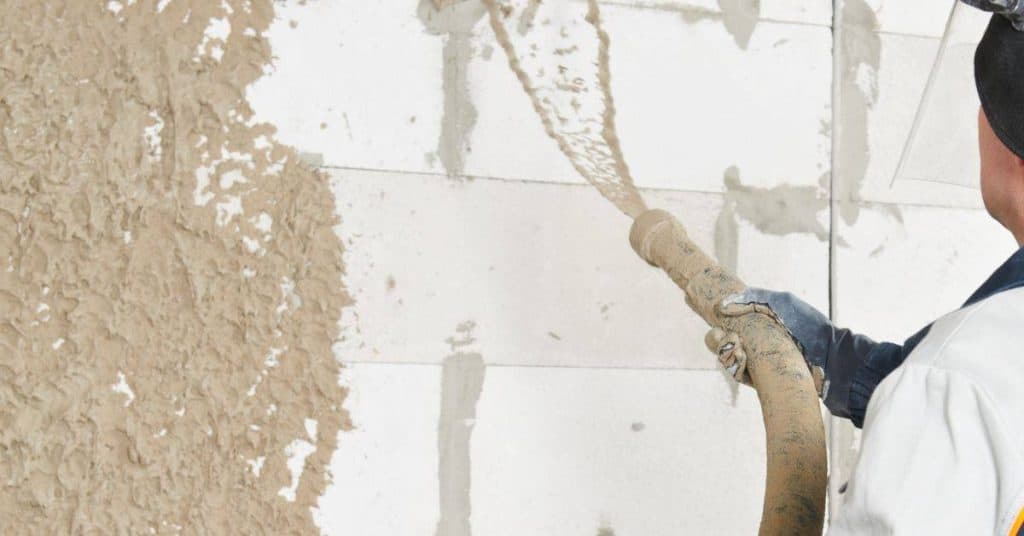
Introduction
This is a practical DIY guide to stuccoing a home correctly, with step-by-step actions and clear stop points.
You’ll learn how to prepare the surface, mix the stucco, apply the base coat, and finish with top coats using common hand tools. Keep in mind this is hands-on work, not a read-through, and outcomes depend on surface condition and weather.
Always check product labels and manufacturer instructions, and follow local codes or rules for exterior finishes.
Watch for proper weather, surface dampness, and curing times, and know when to stop and reassess if conditions aren’t right.
Have a plan for safety, masking, and clean-up, and gather the essential tools and materials before you start.
Key takeaways
- Prepare surface by cleaning, repairing cracks, and dampening before base coat.
- Mix stucco to manufacturer guidance; check bag instructions, avoid lumping.
- Apply base coat in even, continuous passes; maintain control joints and thickness.
- Use proper trowels, hawk, and float tools; keep tools clean and wet edges.
- Wear eye protection and gloves; monitor conditions and avoid dangerous weather.
- Check for uniform thickness, pull tests, and cure conditions before final coats.
Table of Contents
- Introduction
- Key takeaways
- Safety, Permits, and Prep Planning
- Tools, Materials, and Cost Planning
- Surface Preparation and Weather Considerations
- Step-by-Step Application Process (Base Coat to Finish)
- Quality Control, Common Mistakes, and Troubleshooting
- Finishing, Cleanup, Maintenance, and Environmental Considerations
- Conclusion
- FAQ
Safety, Permits, and Prep Planning
Before you start any stucco work, check with your local building department about what triggers permits and inspections. Document approvals in a simple folder you can present if asked. Also verify HOA rules or historic guidelines that might affect finishes or methods.
Plan for site safety with fall protection, PPE, and equipment checks. Confirm utility locations and establish a communication plan with utility companies if interruptions are needed. Review safety gear, scaffold setup, and a pre‑work checklist to ensure guardrails and footing are secure.
Personal protective equipment and site safety
Safety comes first on any job site. Here’s what you need to protect yourself and others while working with stucco.
- Eye Protection: Safety glasses or goggles – Protect your eyes from debris and dust. Ensure they fit well and are comfortable for long hours of work.
- Respiratory Protection: Dust mask or respirator – Essential when sanding, mixing cement, or working with dry materials to prevent silica dust inhalation. Choose a N95 or P100 rated mask for best protection.
- Gloves: Work gloves – Protect your hands from cuts and abrasions. Opt for durable, flexible gloves that allow good grip.
- Hard Hat: Safety helmet – Mandatory when working above head height to protect against falling objects. Ensure it fits well and is in good condition.
- Fall Protection: Harness and lanyard – Required when working at heights over 6 feet (2 meters). Rent or buy a full-body harness with a lanyard for secure tie-off points.
- Scaffolding/Ladders: Inspect before use – Check for stability, levelness, and secure footing. Ensure they’re rated to hold your weight plus materials.
Permits, inspections, and when to get professional help
Before you start any stucco work, check these boxes to ensure you’re in compliance with local regulations and codes.
- Check Local Building Codes: Understand your city’s requirements for stucco work. Some may require permits for exterior re-cladding or height limits.
- Contact Building Department: Reach out to your local building department to confirm permit needs and obtain any required forms.
- Utility Locating: Call 811 before digging – This service marks underground utility lines for free, preventing strikes and potential hazards.
- Permit Application: Fill out and submit your permit application. Include detailed plans, specifications, and any required fees.
- Inspection Schedule: Know when inspections are needed – These typically occur before applying the scratch coat, brown coat, and final finish.
- Hire a Pro for Complex Work: If your project involves structural changes or specialized techniques, consider hiring a licensed contractor.
- Document Approvals: Keep records of all permits, inspections, and approvals – These may be needed if you sell your home in the future.
Quick rule: Always consult local codes and regulations before starting any major exterior work. It’s better to be safe than sorry!
Tools, Materials, and Cost Planning
Use a definitive tools list tailored for stucco over concrete, including margin trowels, hawks, mixing drill, plaster mixer, trowels, screed, level, and PPE. Note any specialty tools needed for scratch and brown coats. Keep a simple plan for organizing tools on site.
Assess material options with pros and cons for lath, mixes, additives, primers, and membranes. Check compatibility with your substrate and climate. For quantities, use a straightforward estimating method and account for waste, then set aside a contingency fund for surprises.
Tools checklist and alternatives
Before you start your stucco project, make sure you have all the necessary tools. Here’s a checklist to help you.
- Mixing drill with paddle: Essential for mixing stucco. A variable-speed drill works best.
- Plaster or stucco hawk: Used to carry and apply stucco. Get one that fits your trowel size.
- Margin trowels (3/8″ – 12″): For applying, spreading, and smoothing stucco. Start with a 6″ and 10″.
- Plaster mixer (or variable-speed drill): For mixing small batches or touching up.
- Mixing container: A large bucket for mixing stucco.
- Screed bar: Used to level and smooth the surface. Get one that matches your wall height.
- Level: To ensure walls are plumb and screeding is even.
- Personal protective gear (PPE): Safety glasses, gloves, long sleeves, and a dust mask.
- Scratch coat tools: A 1/2″ or 3/4″ notched trowel for applying scratch coats. A darby float to strike off excess material.
- Brown coat tools: A 3/8″ or 1/2″ straight trowel for applying brown coats. A darby float to smooth and compress the surface.
- Scaffolding: For reaching high walls. Rent if needed.
Quick rule: Don’t skimp on tools. Good tools make the job easier and faster.
Material selection and quantity estimation
The right materials ensure a durable, long-lasting stucco finish. Here’s how to choose them and estimate quantities.
- Stucco or cement plaster mix: Choose between standard cement-based or acrylic (polymer-modified) stucco. Acrylic offers better flexibility and durability but costs more.
- Base lath: Wire mesh, expanded metal, or wood lath can be used. Mesh is most common; choose one with 1/2″ or 3/4″ openings for concrete substrates.
- Bonding agents and primers: Use a bonding agent to improve adhesion to concrete. A primer seals the surface and improves paint adhesion later.
- Water resistance membranes (WRM): Optional, but recommended in areas with high humidity or frequent rain. They prevent water from penetrating the stucco.
- Reinforcement mesh: Optional for added strength in areas prone to cracking or high winds.
Estimating quantities: Calculate square footage, divide by coverage rate (usually 80-100 sq ft per bag), and add 10% for waste. For lath/mesh, calculate linear feet needed, divide by coverage rate (usually 5-7 sq ft per roll), and add 10% for cuts.
Surface Preparation and Weather Considerations
Start with a thorough surface inspection to identify cracks, delamination, or coatings that trap moisture. Document issues with notes and photos so you can track repairs. Decide on a removal and repair approach based on substrate condition.
Verify moisture barriers and plan tests for dampness. Identify appropriate waterproofing details to prevent future water ingress. Consider weather windows and backup plans for rain or extreme temperatures to protect curing and adhesion.
Inspecting and repairing substrate
Start by checking your home’s exterior walls for any signs of damage. You’re looking for rot, loose siding, or improperly installed flashing.
Sheathing: Inspect for cracks, holes, or soft spots. Repair with exterior-grade plywood or OSB, ensuring it’s securely fastened to the framing.
Framing: Check studs and plates for soundness. Replace any damaged members with pressure-treated lumber.
Flashing: Ensure all windows, doors, and other openings have proper flashing to direct water away from the wall. Repair or replace as needed.
Moisture management, flashings, and weather windows
Proper moisture management is crucial to prevent water damage. Here’s what you need to do:
Flashing: Install or repair flashing around doors, windows, and other openings to direct water away from the wall.
WRB (Weather-Resistant Barrier): Apply a WRB over the entire surface before stucco. This will prevent water intrusion while allowing moisture to escape.
Control Joints: Install control joints at regular intervals (every 8-10 feet) to accommodate wall movement and prevent cracking.
As for weather, apply stucco when temperatures are between 40°F and 90°F. Avoid applying in high humidity or extreme conditions like rain, frost, or high winds.

Step-by-Step Application Process (Base Coat to Finish)
Confirm wall structure, moisture risks, and lath installation before the scratch coat. Ensure the base is clean, sound, and plumb, then apply the scratch coat to create a solid key. Leave the area ready for the next step with proper damp curing in mind.
Detail the base coat batching and application, achieving the correct consistency for the chosen mix and thickness. Scrape or comb to create a proper scratch pattern and keep the surface damp as it cures. Plan the brown coat with attention to even thickness and adhesion, then move to the finish coat when ready.
Step-by-Step Process
The following is a clear, numbered sequence of practical steps for the step-by-step application process (base coat to finish). It starts with preparation and safety checks, then does the main work, and finishes with cleanup or final checks.
- Verify wall structure, moisture risks, and compatibility. Ensure base is clean, sound, and plumb.
- Install metal lath using proper mesh, fasteners, corrosion protection, and overlaps.
- Batch scratch coat mix (cement-sand-lime) with bonding agent. Achieve workable consistency.
- Apply scratch coat, comb with a tool to create key for subsequent coats. Maintain damp curing windows.
- Plan brown coat: target thickness per pass, minimum cure duration, and ambient conditions. Ensure proper compaction and adhesion.
- Choose appropriate finish (smooth, sand, or decorative texture). Apply within recommended timeframes.
- Document final curing method (air, mist, or controlled humidity) and protect from rapid drying.
- Conduct inspections between coats for bond, cracks, and moisture. Address any issues before proceeding.
Lath installation and scratch coat
Before applying the scratch coat, ensure your wall is ready by installing metal lath correctly.
Use fasteners spaced no more than 6-8 inches apart. Overlap lath strips by at least 2 inches for strength. Apply corrosion protection to prevent rusting.
Once lath is installed, batch your scratch coat mix with a cement-sand-lime ratio of 1:3 or 1:4, depending on your needs. Add a bonding agent to improve adhesion. Mix until you achieve a workable consistency.
Inspect the base before applying the scratch coat. Ensure it’s clean, sound, and plumb. Check for any moisture issues that could compromise your stucco application.
Brown coat and leveling
The brown coat is the second layer of your stucco application. It’s designed to build thickness, straighten walls, and provide a smooth surface for the finish coat.
Batch your brown coat mix with a cement-sand-lime ratio of 1:4 or 1:5. Apply it in thin layers, allowing each to cure according to manufacturer guidelines before applying the next. Use a straight edge to level and ensure uniform thickness.
Check for flatness and bond between coats. Ensure edges are feathered for seamless texture. Address any delaminations, pinholes, or unevenness immediately.
Finish coat and texture application
The finish coat is the final layer of your stucco application. It provides the desired aesthetic and protects the underlying layers from weathering.
Choose your