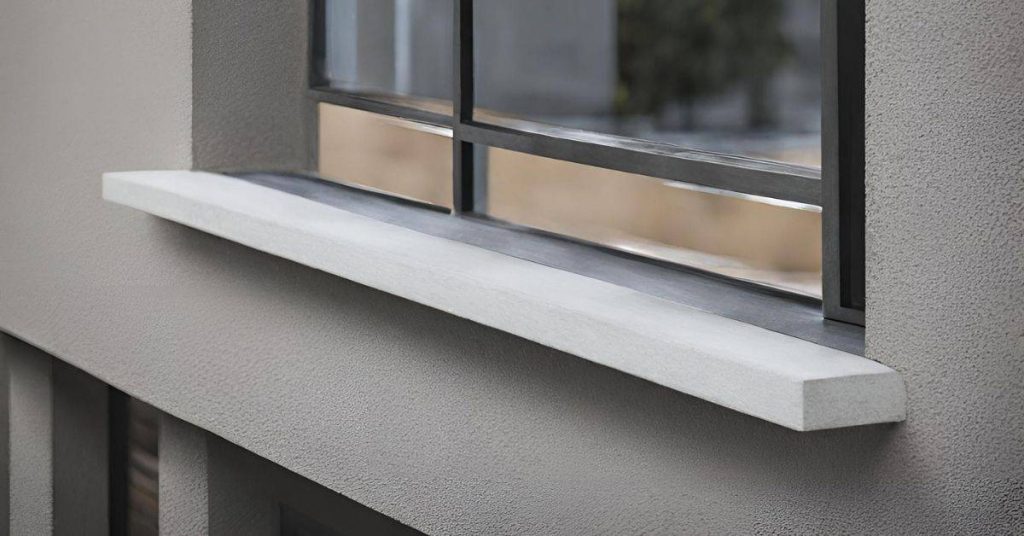
Smooth sandblasted concrete window sill beneath glass window

How to Match a Sandblasted Concrete Finish in a Small Repair

Introduction

Matching a sandblasted concrete finish in a small repair means removing the same surface layer and recreating the texture and color so the patch blends with the surrounding slab. This requires cleaning and profiling the repair area, choosing a compatible repair mortar or topping, and using a light abrasive technique to mimic the sandblasted look. I’ll outline practical steps that work for a typical DIY patch without pretending it’s as simple as slab replacement.

Start by removing loose material and feathering the edges so the new material bonds and the surface transition is smooth. Then match materials, mix and apply the repair, and use gentle sandblasting or abrasive tools to texture the patch until it visually aligns, checking product labels and local guidance for compatibility and safety.

Key takeaways

  • Prepare the repair area by removing dust, loose material, and loose edges thoroughly.
  • Choose compatible, sandblasted-ready finishes and binders labeled for concrete repair use.
  • Use small-area blasting methods with appropriate blast media to minimize texture loss.
  • Mix and apply patch material per manufacturer instructions, achieving uniform texture before curing.
  • Texture-match by brushing, stamping, or light blasting to recreate sandblasted surface.
  • Safety: wear eye protection, respirators, and control dust during blasting and mixing.
Table of Contents

Quick Overview and Deciding When to Attempt a Small Repair

Sandblasted concrete is a surface where the paste has been removed to expose aggregate and create a uniform, matte, rough texture; repairs must replicate the same aggregate exposure, slip characteristics, and adhesion profile to blend. A “small repair” means a localized, shallow intervention limited to a spot patch, thin micro-topping, or shallow restoration rather than full-panel replacement.

DIY outcomes often deliver acceptable texture match and service life for low-traffic areas, while professionals are more likely to achieve near-perfect color uniformity, consistent roughness, and long-term durability in high-use or visually critical zones. Before you start, verify material compatibility and application windows on product labels or data sheets, run a test patch, and weigh tools, PPE needs, weather constraints, and whether you can feather edges and document the substrate condition properly.

When to DIY vs hire a pro

Before you grab your tools, step back and assess the situation. DIY sandblasted concrete repairs are best for small, accessible areas with minimal damage.

DIY: Spot patches (less than 1 sq ft), shallow-depth restoration (up to 2 inches deep), or micro-scar repair (hairline cracks).

Pros: When the damage is extensive, complex, or in hard-to-reach places. Also, if you’re unsure about your skills or the repair needs.

Assessing damage and substrate condition

Inspect the damaged area thoroughly before starting work. What you find will dictate your repair approach.

Look for cracks, even hairline ones, as they can grow. Check for spalling, where chunks of concrete have fallen off, exposing the aggregate beneath.

Test the remaining substrate with a screwdriver or chisel to ensure it’s bonded and sound. Tap it; if it sounds hollow, there might be moisture or delamination underneath.

Back to top ↑

Advanced Planning and Mock-Ups

Start by defining the repair footprint and the finish target: determine the patch boundaries, desired aggregate exposure, and any acceptable color variance so your mock-ups mimic real conditions. Create small representative test patches using the same patch mortar, blasting parameters, and finishing tools you plan to use.

Validate materials and tools by checking manufacturer instructions or product data sheets for compatibility of binders, sealers, and abrasives; document blast pressure, nozzle distance, and media selection used for each mock-up. Sequence the job on paper—clean, profile, patch, texture, cure—and set pass/fail criteria for color, porosity, and roughness so you only scale up once a test patch meets your acceptance thresholds.

Measuring, marking, and creating a mock-up

First things first, you need to size your repair accurately. Use a tape measure and mark out the boundaries with chalk or painter’s tape.

Key: Be precise here. A millimeter off can mean a world of difference in the final finish.

Now, prepare a small test patch within these marks. This is your mock-up. Use the same materials and equipment you’ll use for the full repair.

Your goal? Match the texture and color of the surrounding sandblasted concrete as closely as possible.

Weather, timing, and site staging

Timing is crucial in concrete work. You want warm temperatures – ideally between 50°F to 70°F (10°C to 21°C) – for the best results.

Moisture: The substrate should be damp, not wet. If it’s too dry, you might need to mist it before applying the patch.

Logistics matter too. Ensure you have clear access to the repair site. Contain any debris that might fly around during sandblasting. And plan your curing space – concrete needs a consistent environment to set properly.

Pro Tip: Check the weather forecast before starting. You don’t want rain ruining your hard work!

Back to top ↑

Tools and Materials Checklist

Gather hand tools (cold chisel, hammer, margin trowel), power tools (angle grinder with masonry wheel, small rotary sander), and access to blasting equipment; match compressor size and CFM to the blaster you’ll rent or use. For consumables, plan for silica-free abrasive options, compatible patch mortars or micro-toppings, bonding agents, and any sealers or colorants you may need.

Prioritize safety gear: a properly fitted respirator (check the cartridge rating on the label), eye/face protection, hearing protection, gloves, and dust-control measures such as HEPA vacs or containment. Rent large items like a portable sandblaster, blast cabinet, or high-CFM compressor if it’s a one-off; buy and keep quality PPE and basic hand tools—confirm rental specs and return logistics before committing.

Essential tools and personal protective equipment

Before you start, ensure you have the right tools and safety gear to match your sandblasted finish and protect yourself.

  • Cold chisel & hammer: For removing damaged concrete. Skip this, risk damaging surrounding areas.
  • Angle grinder with masonry cutoff wheel: To cut out the repair area cleanly. Without it, you’ll have a messy edge.
  • Portable sandblaster/blast cabinet & compatible air compressor: For replicating the sandblasted texture. Inadequate equipment leads to inconsistent results.
  • Rotary drum sander (optional): To smoothen edges and prepare for bonding. Miss this, you might have a visible repair line.
  • Qualified P100 respirator: Protects from silica dust. Skip it, risk serious health issues.
  • Safety goggles/full-face shield & hearing protection: Essential for eye and ear safety during blasting. Neglect them, risk injuries.
  • Kevlar/leather gloves, long sleeves/coveralls: Protect skin from abrasives and debris. Without them, you’ll likely have cuts and bruises.
  • Dust-control measures & ventilation: To keep the area clean and safe for breathing. Ignore this, risk respiratory issues.

Quick rule: Always prioritize safety gear over tools. It’s your health on the line.

Material types, selection criteria, and specifications

Choose the right materials to ensure a strong, lasting repair that matches your existing concrete.

  • Abrasive media: Silica-free options like mineral-based or garnet, plus glass beads. Avoid silica sand to prevent health risks.
  • Bonding agents/penetrating sealers: To improve adhesion of the repair mortar. Skip it, your repair might not stick well.
  • Patch mortars/micro-toppings: Match existing concrete’s color/texture. Get it wrong, your repair will stand out.
  • Release agent: To prevent the patch from sticking to the sandblaster nozzle. Without it, you’ll struggle to remove the nozzle.
  • Curing compounds: To protect and strengthen the repair as it cures. Miss this, your repair might be weak.
  • Sealant/colorant (if needed): For a uniform appearance with surrounding concrete. Neglect it, your repair will look different.
  • Check compressive strength: Ensure the repair mortar can withstand expected loads. Get it wrong, your repair might crack under pressure.
  • Confirm bond strength: Make sure the repair adheres well to the existing concrete. Inadequate bonding leads to delamination.
  • Review product data sheets: For specific application instructions and safety guidelines. Ignore them, you might misuse the products.

Quick rule: Always match repair materials to your existing concrete as closely as possible.

Back to top ↑

Surface Preparation and Cleaning

Inspect and prepare the repair area to a sound substrate: remove loose or delaminated concrete, create clean feathered edges, and profile the surface so the patch has full-bearing contact. Remove contaminants—oil, curing compounds, dust, sealers—using appropriate cleaners and mechanical abrasion until the substrate is clean and sound.

Recreate the target blast profile by testing abrasive media and pressure on scrap or an inconspicuous spot and adjust until the roughness matches without over-etching. Mask adjacent surfaces to prevent texture bleed, verify moisture content and drying time per product instructions, and document prep steps and any adhesion tests you perform.

Removing loose material and contaminants

The first step to a successful repair is removing any loose, damaged concrete and contaminants. The right materials ensure strong adhesion and prevent issues like cracking or staining.

  • Loose Concrete: Use a chipping hammer or needle gun to remove deteriorated concrete. Tip: Wear safety glasses and a hard hat.
  • Oils & Grease: Apply an appropriate cleaner, like a degreaser, and scrub with a stiff-bristle brush. Spec: Choose a cleaner rated for the specific contaminant.
  • Paint & Sealers: Use a paint stripper or grinder to remove coatings. Avoid: Using high-pressure washers, which can damage the substrate.
  • Salts & Efflorescence: Wire brush and vacuum to remove salts. Tip: Test for soluble salts before applying a sealer.
  • Dust & Laitance: Vacuum or sweep with a stiff-bristle broom. Avoid: Using water, which can cause the surface to become too wet.

Profiling and matching the existing sandblasted texture

The key to a seamless repair is recreating the original surface profile. Sandblasting creates a specific roughness, and replicating this ensures the new material blends well.

Document: The desired blast texture by taking photos or measuring the existing profile depth.

Test your chosen blasting method on a scrap piece of concrete or an inconspicuous area. Tip: Adjust media type and pressure to match the original finish without over-roughening.

Profiling: Use a chipping hammer, needle gun, or even sandblasting to create the correct profile depth around the repair zone. Ensure corners are beveled for a smooth transition.

Back to top ↑

grey sandblasted concrete wall surface texture

Texture-Matching Techniques for Sandblasted Surfaces

Measure the existing sandblasted texture visually and by tactile comparison to set your target for coarseness and void pattern; this guides whether you re-profile, tool, or cast the texture. Abrasive re-profiling (controlled blasting) generally gives the closest match for small patches when you can control media, pressure, and distance.

Hand-tool methods—chisels, stiff brushes, or carbide scrapers—work for tiny spots or tight access but require practice to mimic pockmarks and uniformity. Template or mold approaches suit repeatable patterns and small cast repairs; whichever method you choose, document tooling, media, and parameters during test patches so you can reproduce the finish across the repair boundary.

Small-area sandblasting and controlled abrasive use

For small repairs, consider using a micro-sandblaster or a small abrasive blaster to redefine the texture without damaging surrounding areas. These tools allow for better control over the blasting process.

Micro-sandblasters: Use compressed air and fine abrasives like aluminum oxide or glass beads. They’re great for detailed work but require a steady hand and proper ventilation.

Small abrasive blasters: These are handheld, electric or pneumatic tools that use a small blast stream. They’re easier to control than full-sized sandblasters but still demand caution to avoid overspray.

Hand-tool texturing and blending techniques

For small repairs, hand tools can help blend edges and recreate fine sandblasted patterns. Here are some effective methods:

  • Trowels: Use a steel trowel to mimic the effects of sandblasting by dragging it across the surface while the repair material is still wet.
  • Wire brushes: Stiff wire brushes can be used to abrade the surface and create a textured finish. Choose one with stiff bristles for better control.
  • Stiff brooms: For larger areas, use a stiff-bristled broom to create a consistent texture. Work in small sections at a time.
  • Manual abrading: Use a handheld orbital sander with coarse sandpaper or a carbide scraper to manually redefine the texture.
  • Carbide scrapers: These tools can be used to create deep grooves and pockmarks, mimicking the effects of heavy sandblasting. Work slowly and carefully to avoid damaging the surface.

Using molds, stamps, and texture mats for consistency

For consistent results, consider using molds, stamps, or texture mats to transfer the desired pattern onto your repair material.

Making your own molds: You can create simple molds using silicone caulk and a base material like wood or plastic. Press the mold into the existing surface to capture the texture, then use it on your repair.

Texture mats: These are pre-made tools with various textures. They’re easy to use but may not perfectly match complex patterns. Apply pressure evenly and hold for a few seconds to transfer the texture.

Stamps: Similar to texture mats, stamps allow you to create specific patterns or designs. They require more effort to apply consistently but offer greater customization.

Back to top ↑

Application, Finishing, and Curing Best Practices

Mix repair mortars to the consistency recommended by the manufacturer and follow their instructions for additives or primers rather than guessing water content; a consistent mix is fundamental to achieving the intended aggregate exposure and texture. Place and consolidate small patches carefully, feathering edges into the host concrete and avoiding cold joints that show up after curing.

Time your finishing steps to match the product’s workable window: float, then texture to match the sandblasted surface without over-working the patch or polishing away the roughness. Cure per the product guidance—use damp curing, plastic cover, or approved curing compounds as directed—and check color and texture at multiple stages so you can adjust before final set.

Proper mixing, placing, and feathering techniques

Start by mixing your concrete with a water-to-cement ratio of 0.5 to 1, depending on the texture you’re aiming for. Add any necessary additives as per the manufacturer’s instructions.

Consistency is key. Ensure aggregates are evenly distributed and exposed consistently throughout the mix.

Place concrete in small batches, feathering each pour into the last to avoid cold joints. Work from one side of the repair area to the other, ensuring a smooth transition between old and new.

Feather the edges by reducing the thickness of the concrete as it meets the existing slab. This prevents ridges and helps maintain a consistent texture.

Finishing timing and curing options

After placing, allow the concrete to set slightly before texturing. This usually takes around 15-30 minutes, depending on temperature.

Be patient. Texturing too early can cause the texture to come off, while waiting too long may result in over-polishing and loss of texture.

Once you’ve achieved the desired texture, cover your repair with a plastic sheet. This helps retain moisture and prevents surface cracks during curing.

For best results, cure for at least 7 days, keeping the concrete consistently damp but not waterlogged. You can also apply a compatible curing compound to further enhance color stability and prevent cracking.

Back to top ↑

Common Errors, Diagnostics, and Corrective Actions

Visible mismatches and failures usually stem from poor prep, incompatible materials, incorrect moisture conditions, or improper finishing timing; recognize symptoms like delamination, color drift, or uneven roughness. Run simple on-site diagnostics—moisture checks, adhesion scratch/pull tests, and visual texture sampling—to narrow the root cause.

Quick corrective actions include light re-profiling, targeted retexturing, or removing and redoing a patch if bond is compromised; for material incompatibility or larger failures, plan for a wider re-profile or professional intervention. Document findings, record the corrective steps, and rerun a test patch to confirm the fix before returning the area to service.

Causes of visible mismatch and how to fix them

Mismatch in color, texture, or sheen can make your repair stand out like a sore thumb. Here’s how to tackle these issues:

Wrong Profile: If the patch has a different texture than the surrounding concrete, you’ll need to re-texture it. Use the same sandblasting technique or hand tools to match the existing finish.

Color Mismatch: Spot-coloring can help blend the repair. Mix a small amount of the original color into your patch material before applying. If that doesn’t work, you may need to remove and redo the patch with the correct color.

Sheen Discrepancy: The sheen of new concrete can differ from old due to curing or sealing. To match, apply a compatible sealer after your repair has cured.

Preventing bond failure, discoloration, and edge cracking

Bond failure, discoloration, and edge cracking can ruin your repair. Here’s how to prevent these issues:

Substrate Preparation: Properly clean and prepare the substrate before applying any bonding agent or patch material. Remove all loose material, contaminants, and moisture.

Bonding Agent Use: Apply a compatible bonding agent evenly across the repair area. This helps create a strong bond between the old concrete and your patch material. Follow the manufacturer’s instructions for application and cure time.

Controlled Curing: Keep the repaired area moist and covered during the initial curing period to prevent edge cracking. Use plastic sheeting or damp burlap, and keep the area consistently moist but not waterlogged. Avoid exposing the repair to extreme temperatures or direct sunlight during this time.

Back to top ↑

Cleanup, Maintenance, Cost Considerations, and Durability

Immediately remove loose debris and blast residue with a HEPA vacuum and hand brushes; keep surrounding areas protected from dust and media spill. Assess the patched area for texture blend and porosity, and perform a small test clean to confirm the patch responds like the host surface.

Estimate costs by listing materials, rental equipment, labor time, and a contingency for dust control or rework—verify rental and material specs before budgeting. Maximize durability with proper curing, edge detailing, sealing if appropriate, and keep a repair log that records products, mix notes, and mock-up outcomes for future reference.

Post-repair cleanup and maintenance tips

First, clean your tools. Brush off dust, remove any residue from sandblasting, and store them properly.

Next, tidy up the site. Sweep away loose debris, vacuum if needed, and dispose of waste responsibly.

For maintenance: Use a pH-neutral cleaner and soft brush to clean the surface gently. Avoid harsh chemicals that can damage the matte finish. Inspect for stains regularly and address them promptly to prevent buildup.

Reapply sealant every 2-3 years, or as needed, to retain the sandblasted look. Keep an eye on high-traffic areas and touch up any spots that show signs of wear.

Cost considerations and estimating for small repairs

First, list your materials: patch mortar, sealant, etc. Get quotes from local suppliers or estimate based on needed quantities.

Next, consider rental tools like sandblasters, vacuums, grinders, and scaffolding. Estimate their daily or weekly rates.

Labor: If hiring help, get quotes or estimate hours based on the repair’s complexity. Don’t forget to account for downtime due to weather or other delays.

Include a contingency for dust-control measures. Sandblasting generates a lot of dust, so consider costs for containment and cleanup.

Longevity checks and inspection schedule

Inspect your repair every 6 months to a year. Here’s what to look for:

  • Cracking: Check for hairline cracks, especially at edges and joints.
  • Discoloration: Look for stains or changes in color that could indicate moisture issues.
  • Edge deterioration: Inspect edges for signs of chipping or crumbling.
  • Joint integrity: Ensure joints remain intact and haven’t opened up.
  • Surface texture: Check if the sandblasted finish remains consistent.
  • Sealant condition: Inspect sealant for signs of wear or peeling.
  • Moisture intrusion: Look for signs of water damage, like efflorescence.
  • Traffic wear: Check high-traffic areas for excessive wear.

Quick rule: Address any issues promptly to prevent them from worsening and compromising the repair’s longevity.

Back to top ↑

Conclusion

Getting a sandblasted texture that looks right and lasts takes careful planning, proper prep, and conservative work. If you keep safety front and center, you protect yourself and the surface, and you boost the chances of a durable, good-looking repair.

Proceed in this order: confirm the repair area is suitable for a small fix, inspect the surface for loose material, and do a controlled mock-up on a scrap patch or inconspicuous spot; assemble and test your texture technique on the mock-up, then clean and prepare the real area thoroughly, apply in thin, even layers, let each pass cure or set per the product guidelines, and finally evaluate the match and repeat only as needed in small steps; mask nearby surfaces, ventilate well, wear proper PPE, and avoid rushing or altering cure times without testing first.

Common mistakes to avoid include skipping a mock-up, rushing the texture or cure times, and using incompatible tools or cleaners that change the concrete finish; also avoid over-wetting the surface or applying coatings over dirty or oily patches, and never mix products without checking compatibility. Always follow safety rules: work in a well-ventilated area, wear eye protection and a respirator as required, and test small areas before committing to the full repair.

If the patch involves large areas, complex textures, or uncertain substrate conditions, don’t push past what you can confidently handle. When in doubt, call a professional for a precise match and proper curing. Stay patient, follow the plan, and you’ll protect durability and appearance without costly mistakes.

Back to top ↑

FAQ

How should I prepare the repair area before sandblasting a small patch?

Clear the area of loose debris and dust. Remove any flaking concrete and rinse to remove surface contaminants. Dry the surface thoroughly before you begin sanding or blasting.

What materials are appropriate for a sandblasted finish on a small concrete repair?

Choose a repair material and finish that match the existing surface texture. Check manufacturer instructions for compatibility with sandblasting and finishing products. If in doubt, opt for products labeled for use on existing concrete and compatible with blast texture.

What sandblasting techniques work best for small repairs?

Use a targeted, light blast to create a uniform texture without gouging. Keep the nozzle at a consistent distance and work in small, overlapping passes. Always wear proper PPE and test a small area first to gauge texture and depth.

How do I mix, apply, and protect the repair to ensure proper curing and durability?

Mix or mix-consistently follow the product instructions and apply in thin, even coats. Allow appropriate curing time per the product label and protect the surface from early moisture and traffic. Inspect the finish for uniform texture and coverage before full exposure.

Back to top ↑

More about this topic