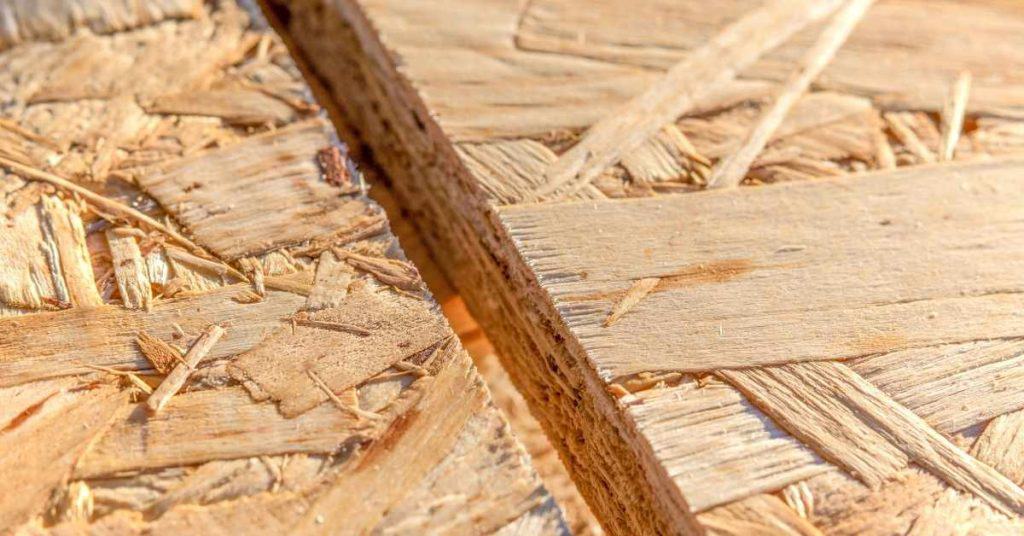
Close-up of OSB particle board showing exposed strands and seam gap

How to Fix OSB Sealer Problems (DIY Steps + Stop Rules)

Introduction

You can diagnose and fix common OSB sealer problems yourself using practical steps and stopping rules.

The article explains why proper sealing matters for durability, and it outlines step by step techniques, common pitfalls to avoid, and simple guidelines for deciding when to stop and reassess.

Key takeaways

  • Identify peeling, whitening, or bubbling sealer on OSB surfaces before repair.
  • Gather compatible sealers, primers, and breathable coatings suitable for exterior use.
  • Wear PPE, cover nearby timber, and ventilate to limit exposure and fumes.
  • Prep by cleaning, drying, and sanding rough OSB before sealing application.
  • Apply sealant evenly in thin coats, curing per product guidelines.
  • Monitor climate; high humidity jeopardizes adhesion and longevity.
Table of Contents

How to recognize OSB sealer problems

Look for signs that the sealer has failed on OSB surfaces. Discoloration, staining, and areas that look damp or dark after rain are common clues. You may also see crystalline deposits where moisture travels through the coating. Swelling or cupping of panels and visible water beads warrant closer inspection.

Feel the surface with a gloved hand to check for softness, tackiness, or a loss of the dry, rigid feel typical of a sealed surface. Edge lifting or coating flaking are additional tactile indicators. Odors such as mustiness or solvent-like smells can point to moisture intrusion and degraded sealant beneath the finish.

Step-by-Step Process

Follow these practical steps to recognize OSB sealer problems effectively and safely.

  1. Prepare your workspace: Clear the area, wear gloves, and have a flashlight ready for dark spots.
  2. Safety first: Turn off power to any nearby electrical outlets. Be careful not to damage insulation or wires behind panels.
  3. Main work: Inspect each OSB panel systematically. Check for discoloration, staining, swelling, cupping, water beads, or darkened areas.
  4. Use a moisture meter: Measure moisture content at multiple points on suspect panels and dry sections for comparison.
  5. Final checks: Seal any obvious gaps from the exterior, test a small area with a new sealant, and flag zones with persistent moisture for remediation before full resealing.

Visual signs (blisters, peeling, staining)

Blisters indicate trapped moisture or poor adhesion. Peeling suggests UV degradation or inadequate sealing. Staining points to water intrusion.

Blisters: These raised, bubbly areas often appear when moisture gets trapped under the sealer. They can burst, leading to further damage.

Peeling: Edges lifting or coating flaking off are signs of UV degradation or inadequate initial sealing. Check for proper adhesion.

Staining: Discoloration or dark spots usually indicate water intrusion. Efflorescence – crystalline deposits where moisture migrates – is another visual clue.

Touch and smell checks (soft spots, musty odor)

Gently probe for soft spots or delamination. Smell for damp, musty, or solvent-like odors indicating moisture intrusion.

Soft spots: Press gently with a gloved hand. Softness may indicate rot, mold, or delamination. Be careful not to cause further damage by pressing too hard.

Musty odor: Detect damp, musty, or solvent-like smells that suggest moisture intrusion and possible degraded sealant beneath the finish. This could indicate mold growth behind the panel.

Remember, safety first! If you suspect mold, wear a respirator and avoid disturbing the area too much before proper remediation.

When to call a pro (structural or extensive mold)

Certain conditions require professional inspection or remediation. Don’t risk further damage or health hazards.

Structural issues: If you find rot, delamination, or other structural problems, stop work immediately and call a professional. These can compromise the integrity of your home’s structure.

Extensive mold: If you suspect extensive mold growth (more than 10 square feet), do not attempt to remove it yourself. Hire a certified mold remediation specialist to ensure safe, thorough removal and prevention of future growth.

Trust your instincts: If something feels unsafe or beyond your skill level, err on the side of caution and call a professional.

Back to top ↑

Stack of OSB roof sheathing panels viewed from the edge.
OSB sheets ready for roof installation; thickness selection affects performance under weather exposure.

Tools, materials, and product selection

Prepare a practical set of hand tools, a ladder or lift, grinder or sander, a moisture meter, and cleaning supplies. Include PPE like gloves, goggles, and a respirator, plus a safe workspace setup. Have waste containers and rags ready for cleanup and disposal.

Know the OSB needs and product labels before buying. Sealer types vary from penetrating to surface sealers, and primers or inhibitors may be required. Check whether the products are water- or solvent-based and verify their suitability for OSB on the label and data sheets.

Tools and PPE checklist

Before you start your OSB sealer repair, make sure you have all these tools and safety gear ready.

  • Putty knife: For scraping off old sealers. Skip this, risk damaging OSB.
  • Scraper: To remove loose material. Neglecting this can trap moisture.
  • Brushes (various sizes): For applying sealers and primers. Wrong size makes application tough.
  • Athletic lift or ladder: Reach high spots safely. Fall risks without proper access.
  • Grinder or sander: To smooth surfaces. Skipping this leaves rough patches for sealers to grab onto.
  • Moisture meter: Check moisture content before sealing. Too much, sealant won’t stick.
  • Clean rags: Wipe surfaces clean. Dirt ruins adhesion.
  • Buckets: Mix sealers and primers. No bucket, no mixing.
  • Gloves, goggles, respirator: Protect hands, eyes, lungs from chemicals. Skip this, risk injury.
  • Safe workspace setup: Clear area of debris. Trip hazards slow work and pose risks.

Quick rule: Always double-check your tools and PPE before starting to avoid delays and safety issues.

Sealers, primers, and tapes — what to use when

Choosing the right products is key for a successful OSB sealer repair.

Sealers: Penetrating sealers soak into OSB, protecting from within. Surface sealers form a barrier on top. Both have their uses; choose based on your specific needs and climate.

Primers: Acrylic primers are usually best for OSB. They improve adhesion and seal the surface. Skip this step, risk weak bond or peeling.

Tapes and flashing: Use compatible products with your cladding system. Wrong tape can cause leaks or delamination.

Material specs to verify

Check these material specifications on product data sheets to ensure you’re using the right stuff for your OSB repair job.

  • Adhesion: Look for high adhesion ratings. Low adhesion means sealant won’t stick well.
  • VOCs (Volatile Organic Compounds): Check VOC levels. High VOCs can be harmful and may violate local regulations.
  • UV resistance: Ensure good UV resistance for outdoor applications. Poor UV resistance causes sealant to degrade over time.
  • Temperature range: Verify the product’s application and curing temperature ranges. Wrong temp, sealant won’t cure properly.
  • Cure time: Check how long it takes for the sealant to cure. Too long, job takes forever; too short, sealant may not be fully cured.
  • Recoat window: See how soon you can apply another coat. Too soon, second coat won’t stick well.
  • Film thickness: Check the recommended film thickness. Wrong thickness, sealant won’t perform as expected.
  • Weather/curing conditions: Note application and curing weather/temperature ranges. Apply in wrong conditions, sealant may not cure properly.

Back to top ↑

Prep and safety steps before any repair

Define the repair scope and ensure you have access to the work area and replacement materials. Confirm the required tools are available and the project is feasible as a DIY fix. Check for any local rules that might apply to sealing work.

Set up PPE and site controls to limit exposure to dust, solvents, and mold. Use dust barriers and containment to minimize spread. Plan moisture and mold pre-checks to determine if professional remediation is needed.

Moisture Measurement and Stop Rules

Before you start, measure moisture content in the OSB using a moisture meter. This helps prevent further damage and mold growth.

Ideally, readings should be below 15%. If it’s higher:

  • Stop work immediately
  • Consider professional drying or replacement of affected panels

Containment and Mold Safety

Isolate the work area using plastic sheeting to prevent spores from spreading. Wear a respirator, gloves, and eye protection.

If you see visible mold or smell musty odors, stop work and consider professional remediation.

Use negative pressure systems if feasible to contain spores and prevent cross-contamination.

Surface Prep: Cleaning, Drying, Sanding

Thoroughly clean the OSB surface using a mild detergent and water. Rinse well and let it dry completely – this could take 24-72 hours depending on humidity.

Lightly sand the surface with fine-grit sandpaper (120-150 grit) to improve sealer adhesion. Wipe off dust with a damp cloth and let it dry again.

Ensure the surface is completely dry before applying any sealers or primers.

Back to top ↑

Step-by-step DIY repair process

Clarify the repair goals by labeling temporary fixes apart from permanent resealing. Identify likely causes such as moisture intrusion, improper application, or aging. This helps guide the sequence of actions.

Follow a staged sequence: intake and safety prep, moisture control and cleaning, surface repair or OSB replacement, resealing and priming, then curing and moisture management. Use clear milestones to track progress and adjust as needed.

Step-by-Step Repair Process

Follow this clear, numbered sequence to safely and effectively repair your OSB sealer problems. Each step is designed for practical DIY/home-improvement action.

  1. Assessment and Safety Prep (30-60 min): Inspect the damage, wear gloves and safety glasses, and set up containment if mold is present.
  2. Temporary Moisture Control and Surface Cleaning (2-6 hours): Apply temporary tape or caulk to stop leaks, clean the surface using a scraper and mild detergent, then let it dry.
  3. Surface Repair/Replacement (1-3 days): Remove damaged OSB if necessary, replace with new panels if required, and ensure all surfaces are clean and dry before proceeding.
  4. Resealing/Priming and Sealing Coat (2-6 hours): Apply a compatible primer to seal the surface, let it dry, then apply your chosen sealer according to manufacturer’s instructions.
  5. Final Finish, Curing, and Moisture Management (1-2 days): Allow the final coat to cure properly, monitor moisture levels, and ensure proper ventilation.

Repairing small delaminations and surface peeling

For localized failures, follow these steps to remove loose material, dry, prime, and recoat your OSB.

Step 1: Gently scrape off any loose or peeling sealer using a scraper. Be careful not to damage the underlying OSB.

Step 2: Lightly sand the affected area with fine-grit sandpaper to ensure good adhesion for your primer. Wipe away dust with a damp cloth and let it dry.

Step 3: Apply a compatible primer using a paintbrush or roller, following manufacturer’s instructions. Let it dry according to package guidelines before applying the sealer.

Sealing gaps, joints, and penetrations

To restore weather resistance, follow these steps to apply flashing tape, backer rod, and compatible sealants around windows, seams, and fasteners.

Step 1: Clean the area thoroughly using a scraper and mild detergent. Ensure all surfaces are dry before proceeding.

Step 2: Apply flashing tape along the seam or gap, pressing firmly to ensure good adhesion. Cut off any excess with a utility knife.

Step 3: If necessary, insert backer rod into wider gaps to create a proper sealant bed. Apply compatible sealant using a caulking gun, following manufacturer’s instructions. Smooth it out using your finger or a damp sponge.

Recoating large areas or replacing boards

Determine whether recoating or replacement is appropriate for your OSB panels. Follow these steps if replacement is needed.

Step 1: Carefully remove damaged OSB panels using a pry bar and hammer, taking care not to damage surrounding structures. Wear safety gear during this process.

Step 2: Inspect the underlying structure for any signs of rot or damage. Make necessary repairs before reinstalling new OSB panels.

Step 3: Reinstall new OSB panels using appropriate fasteners, ensuring they are properly aligned and secured. Apply compatible sealer according to manufacturer’s instructions once the panels are in place.

Back to top ↑

Close-up of peeling white paint on window sill and frame
Example of peeling paint on window sill needing repair

Climate and conditions that affect sealant longevity

Explain how local climate factors like temperature, humidity, sun exposure, and wind-driven rain influence sealer performance. These conditions affect drying and curing behavior and the bond to OSB. Consider seasonal moisture cycles when planning work.

Describe how building movement and substrate moisture change sealant behavior. Expansion, contraction, and incidental leaks can cause cracking or peeling over time. Tailor sealer choices to climate and substrate readiness, and plan for proper cure windows.

Wet/cold climates (freeze-thaw and high humidity)

In wet, cold regions, OSB sealers face freeze-thaw cycles and prolonged moisture exposure. This can lead to delamination or peeling.

Choose breathable sealers like silane-siloxane or acrylic latex. They allow moisture to escape while keeping water out. Avoid film-forming sealers that trap moisture.

Apply sealers when temperatures are above freezing and stay there for at least 24 hours. This ensures proper curing. Keep in mind, even breathable sealers won’t perform well if applied too cold.

Regularly inspect your OSB surfaces for signs of failure, especially during spring thaw or fall rain. Re-seal as needed to extend the life of your sealant.

Hot/sunny climates (UV and thermal expansion)

In hot, sunny regions, OSB sealers face intense UV exposure and thermal movement. This can cause cracking or discoloration.

Opt for UV-resistant sealers like silicone or high-quality acrylic latex. They protect against sun damage and maintain flexibility during temperature changes.

Detail your OSB surfaces to accommodate thermal expansion. Use expansion joints every 10-15 feet to allow movement without stressing the sealer.

Apply sealers when temperatures are below 90°F (32°C) for best results. Reapply every 2-3 years, or as needed based on visual inspection.

Seasonal timing and cure times

The ideal season to apply OSB sealers depends on your climate. Generally, spring or fall offer the best conditions due to moderate temperatures and lower humidity.

For proper curing, maintain a minimum temperature of 50°F (10°C) for at least 24 hours after application. Avoid applying sealers when rain is expected within this window.

Check your local climate data before resealing. Use moisture meters and pH tests to ensure surfaces are dry and ready for sealing. This helps prevent trapping moisture, which can lead to failure.

After sealing, monitor your OSB surfaces regularly. Re-seal or adjust ventilation as needed based on seasonal changes and local conditions.

Back to top ↑

Common mistakes and how to avoid them

Identify frequent DIY errors such as selecting the wrong product for OSB or skipping compatibility checks. Map corrective actions to each misstep to keep repairs on track. Use a simple pre-application checklist to stay organized.

Highlight prep and substrate conditions, including dryness, clean edges, edge sealing, and moisture testing. Cover application errors like improper mixing, thickness, and rushed re-coats with practical fixes and pacing tips.

Product incompatibility and adhesion failures

Using the wrong sealer on OSB can lead to poor adhesion and peeling. Always check product labels for compatibility with OSB.

Test your chosen sealer by applying a small amount to an inconspicuous area of the OSB. Let it cure as directed, then try to scratch or peel it off. If it sticks well, it’s compatible.

Never layer incompatible coatings. This can trap moisture and cause delamination.

Skipping moisture checks or improper drying

Coating wet OSB traps moisture, leading to bubbling, peeling, and mold growth. Always check for excess moisture before sealing.

Use a moisture meter to test the OSB’s surface. It should read below 15% for proper sealing. If it’s higher, let the OSB dry out naturally or use fans to speed up the process.

Wait until the OSB is completely dry before applying sealer. Touch-test the surface; if it feels cold or damp, it needs more drying time.

Poor detailing at joints and transitions

Windows, corners, and fasteners are common problem areas. Sealer can gap or peel off if not properly detailed.

At windows, apply sealer to the OSB first, then press the window into place. Seal any gaps with caulk afterwards.

For corners, use a flexible corner bead or apply sealer to both sides of the joint, pressing them together. For fasteners, fill nail holes and seal around screws or bolts before applying sealer.

Back to top ↑

Costs, time, and when replacement is cheaper

Outline cost drivers such as sealants, primers, and any needed moisture barriers. Include replacement boards and disposal costs in the scope. Consider the impact of hidden damage on overall expense.

Estimate DIY time by listing common steps and anticipated delays. Use a framework to decide when replacement or professional services offer better value. Keep a simple budgeting approach to compare options honestly.

Quick cost checklist for DIY repairs

Before you start, tally these costs to ensure your DIY repair is affordable and practical.

  • Sealant: Type (water-based, oil-based) and quantity needed. Check local prices – expect $20-$50 per gallon.
  • Primer: Required for new boards or bare OSB. Around $10-$20 per can.
  • Replacement Boards: If replacing, count the number needed and check local pricing – around $15-$30 each.
  • Fasteners: Screws or nails? Count what you need. Around $5-$20 per box.
  • Moisture Barrier: If required, add to your list. Around $10-$30 per roll.
  • Disposal Fees: Check local waste management rules and costs for disposing of old boards.
  • Rental Equipment: Sanders, sprayers, or other tools? Add rental fees – around $25-$75 per day.
  • Safety Gear: Gloves, goggles, masks. Around $10-$30 each.

Quick rule: If total costs exceed 50% of a new board’s price, consider replacement or pro work.

Signs replacement or pro work is the better choice

Know when to call it quits on DIY and opt for replacement or professional help.

Extensive rot or swelling indicates moisture intrusion. If more than 10% of your OSB shows these signs, consider full replacement. Structural compromise – like warping or cracking boards – is a safety hazard. Hire a pro immediately.

Widespread mold (more than a few square feet) requires professional remediation to ensure it’s removed safely and completely. DIY repairs here could lead to further growth and health risks.

Pro tip: If you’re unsure, consult with a local contractor. They can assess your situation and provide tailored advice.

Long-term value and warranty considerationsUnderstand how warranties, climate exposure, and maintenance affect your repair’s lifespan and resale value.

Most OSB warranties cover only the original purchaser and last 15-25 years. If you’re not the first owner, check if the warranty is transferable or expired.

Climate exposure matters. In wet/cold climates, expect to reapply sealant every 3-5 years. In hot/sunny climates, UV-resistant sealants can extend this to 5-7 years. Regular maintenance – like recoating and inspecting joints – adds years to your OSB’s life.

Resale tip: Well-maintained OSB with a recent professional repair can boost your home’s value. Poorly done DIY work may have the opposite effect.

Back to top ↑

Long-term maintenance and prevention

Set up a maintenance schedule with regular inspections and documentation. Note dates, areas checked, issues found, and actions taken. Assign responsibility so the plan stays practical.

Incorporate seasonal checks and preventive measures to extend sealer life. Emphasize proper surface prep, compatible products, drainage, and ventilation. Use monitoring tips and recordkeeping to spot issues early and plan resealing when needed.

Annual Inspection Checklist

Use this checklist once a year to ensure your OSB sealer is performing well and address minor issues promptly.

  • Seams: Check for any gaps or cracks. If found, apply a thin bead of caulk immediately.
  • Fasteners: Tighten any loose nails or screws to prevent water intrusion.
  • Flashing: Inspect around windows, doors, and chimneys. Replace damaged flashing.
  • Surface condition: Look for blistering, discoloration, or mold. If present, clean and treat the area.
  • Gutters: Ensure they’re clear and directing water away from OSB surfaces.
  • Vents: Check that roof and attic vents are unobstructed for proper airflow.
  • Caulking: Reapply caulk where needed, especially at joints and transitions.
  • Moisture readings: Use a moisture meter to check for hidden moisture. If readings are high, investigate further.

Quick rule: Address minor issues promptly to prevent them from becoming major problems.

Best Practices for Repainting and Re-sealing Intervals

Inspect your OSB sealer regularly to determine when to recoat. The interval depends on the sealer type, climate, and signs of wear.

Water-based sealers: In humid climates, expect to recoat every 2-3 years. In drier climates, it could be up to 5 years. Recoat when you notice sheen loss or minor cracking.

Oil-based sealers: These last longer, typically 4-7 years in most climates. Recoat when you see discoloration, blistering, or peeling.

Signs that trigger earlier action: If you notice mold, significant cracking, or moisture readings above 15%, recoat immediately to prevent further damage.

Product Comparison and Trusted Aftermarket Options

When choosing a sealer, consider these factors:

Sealer type: Water-based sealers are easier to apply but don’t last as long. Oil-based sealers are more durable but have stronger fumes.

Brand reputation: Stick with established brands that offer warranties and good customer support.

Long-term performance: Look for products with proven track records in your specific climate. Read reviews from other DIYers or consult with a local pro.

Back to top ↑

Worker spraying white stucco sealer on exterior wall
Properly applying sealer ensures OSB protection and finish quality

Conclusion

Fixing OSB sealer problems keeps water out, protects the structure, and preserves the appearance. Do the repair right and you prevent costly damage and downtime.

First inspect for peeling, cracks, or soft spots, then choose compatible sealer and tools, prep the area by cleaning and drying it, test a small patch first, follow the product directions for application and cure time, and recheck after a period of damp weather to confirm the seal is holding. Keep safety in mind, and work methodically in good light and steady conditions.

Watch for these common mistakes and use these safety rules: never seal over damp or rotten wood, always prep thoroughly and test a patch before wide use, avoid mixing products unless the manufacturer approves, wear eye protection, gloves, and a respirator if conditions require it, and keep a clear work area with good ventilation and no open flames.

If you see widespread rot, structural damage, or persistent moisture, call a professional instead of forcing a DIY fix. Stay focused on solid prep, careful product choice, and timely maintenance, and you’ll keep the project safe and the job lasting.

Back to top ↑

FAQ

Why is my OSB sealer bubbling or peeling after application?

Bubbling usually means moisture got trapped under the sealer. Peeling means the surface wasn’t cleaned well or the sealer was too thick. Fix the moisture issue first, clean the surface, and apply thin coats in a well-ventilated area.

How should I prepare OSB before sealing to prevent problems?

Sand the surface lightly to remove dust and rough spots. Wipe clean with a damp cloth and let it dry completely. Use a compatible sealer and follow the label for the right coverage and dry times.

What mistakes should I avoid when applying OSB sealer?

Avoid applying in direct sun or on hot, dusty days. Don’t rush coats or skip drying times between layers. Don’t seal over moisture or existing peeling material.

What steps should I take if the sealer is already failing?

Trim away loose or peeling areas and let the wood dry fully. Reclean the surface and reapply with thin, even coats. If repeated failures happen, check for moisture sources or material damage before trying again.

Back to top ↑