Close up of clean white ceramic floor tiles with grout lines

How to Clean Floor Tile Grout Without Scrubbing (Problems Explained: Causes, Testing, and Fixes)

Introduction

Cleaning floor tile grout without scrubbing means removing stains from the grout lines using gentler methods that don’t require heavy scrubbing. This article explains common grout problems after installation, why they happen, and how to test simple fixes in plain, practical terms. You’ll find practical steps you can try with common household items and ways to know when to move to a more thorough approach.

Different grout types and stains respond to different non-scrubbing methods, so test on a small area first. If grout is excess or hard-dried, you’ll usually need careful edge work with a plastic scraper or tool designed for grout, followed by a gentle cleaning method. Also consider sealing porous materials after grouting and check product labels and manufacturer instructions for what to use and how long to wait.

Key takeaways

  • Test small area first to avoid browning or etching delicate tile during cleaning.
  • No-scrub methods rely on chemistry and agitation, not brute scrubbing force.
  • Inspect grout porosity before sealing; porous grout welcomes stain after grouting.
  • Use appropriate cleaners for cementitious vs epoxy grout to avoid damage.
  • Protect surrounding surfaces and wear gloves; aggressive cleaners can irritate skin.
  • If problems persist, document findings and consult a qualified professional for assessment.
Table of Contents

Why Grout Gets Dirty and Why Scrubbing Fails

Grout discoloration usually comes from soil and mineral buildup, mold or mildew, efflorescence, sealer failure, or pigmentation loss. Cement grout tends to show these issues differently than epoxy grout, which is more resistant to moisture but not immune to staining. Recognizing the pattern helps you pick the right approach.

Aggressive scrubbing often backfires by abrading porous cement grout, pushing stains deeper, and spreading mold spores. It can also widen gaps or scrape adjacent tiles, while epoxy grout’s non-porous surface responds better to gentler methods. Different cleaning paths are needed depending on grout type and the stain source, such as soil, mold, efflorescence, or color fading.

Types of grout and how they behave

Grout comes in two main types: Portland-cement based (conventional) and epoxy/urethane. Both have different properties affecting cleaning.

Portland-cement grout is porous, absorbing water and stains over time. It’s susceptible to mold, mildew, and efflorescence. Cleaning requires mild, pH-neutral solutions and gentle agitation.

Epoxy/urethane grout is non-porous, resisting moisture and stains better. However, it can still be affected by mold and efflorescence. Cleaning needs to be even gentler, using mildew controls that won’t dull the resin.

Common contaminants and visual clues

Identifying grout stains helps choose the right cleaning method. Here are some telltale signs:

Black lines or spots indicate mold/mildew. They grow where moisture is present, often in corners or under tiles.

A white haze suggests efflorescence (mineral deposits) or sealer residue. Efflorescence appears when water evaporates, leaving minerals behind. Sealer residue occurs if the sealer hasn’t been fully absorbed.

Colored staining, like red or brown, points to dyes/oils from spills or soil buildup. These stains can penetrate deep into porous grout.

Why scrubbing can make problems worse

Avoid aggressive scrubbing as it often backfires, damaging grout and spreading stains:

Mechanical abrasion abrades porous cement grout, wearing it down over time. This exposes more pores to absorb stains.

Scrubbing can also push stains deeper into the grout, making them harder to remove. It may even widen grout gaps or damage surrounding tiles, leading to costly repairs.

For epoxy grout, scrubbing can spread mold spores around, encouraging further growth. It might also dull the resin’s glossy finish.
Back to top ↑

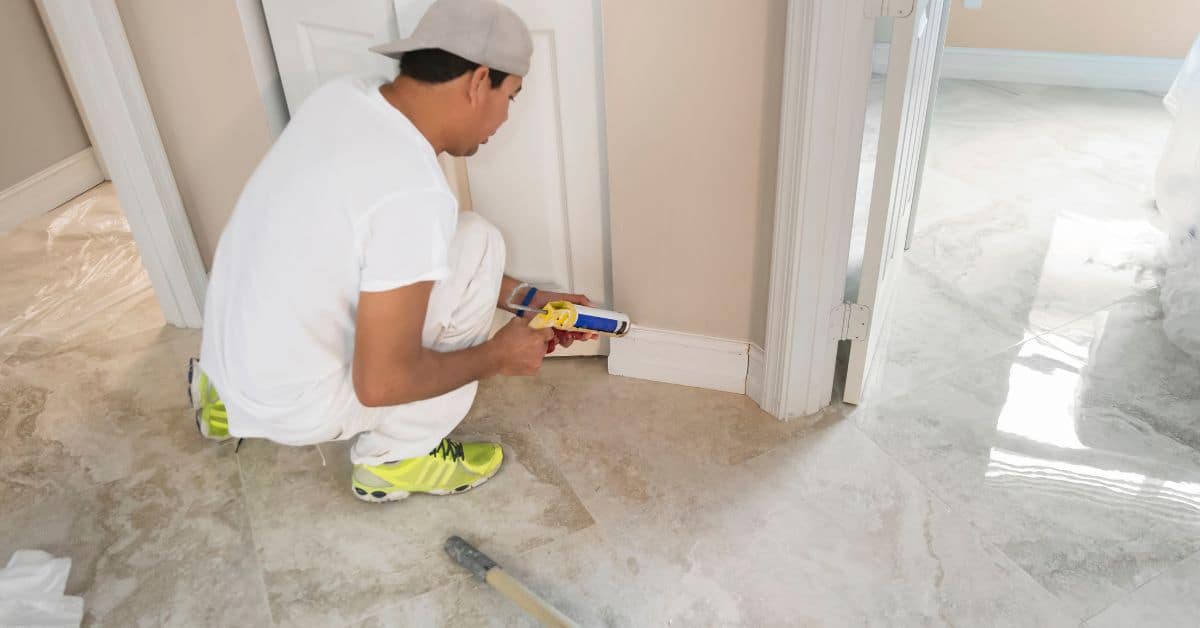
Man in white clothes applying caulk at baseboard corner
Applying caulk to prevent dirt accumulation where grout meets baseboards

Visual Checkpoints and Simple Tests to Diagnose the Problem

Start with clear visual cues: dull haze, crumbling edges, staining, and mold or mildew growth. Note color change when the area is wetter or drier, and whether grout appears lighter or darker than expected. Context like tile type and age helps interpret results.

Use quick tests to narrow causes: a water droplet test for porosity, a vinegar swab for mineral deposits, a bleach spot for organic stains, and a solvent test for tough residues. Record results and map them to treatment paths such as cleaning, resealing, or grout repair, then plan next steps accordingly.

Water absorption test

Before you start cleaning, check your grout’s porosity and moisture levels. This helps you understand why it’s dirty in the first place.

  • Place a water bead: Drop a small amount of water onto the grout line.
  • Observe within 10 seconds: If the water soaks in, your grout is porous and thirsty. If it beads up, it’s hydrophobic or sealed.
  • Check multiple areas: Grout can vary across a surface. Don’t assume one test tells the whole story.

Quick rule: Porous grout needs sealing before cleaning to prevent further dirt absorption.

Acid (vinegar) and alkali (baking soda) spot tests

Use these simple tests to figure out if your grout’s discoloration is due to mineral deposits or organic grime.

  • Vinegar test: Apply a small amount of vinegar to a cotton swab and dab it onto the grout. If it fizzes, you’ve got mineral deposits (efflorescence).
  • Baking soda test: Mix baking soda with water into a paste. Apply it to the grout. If it bubbles, you’re dealing with acidity from organic buildup.

Quick rule: Match your cleaning method to the test results for best effectiveness.

Bleach and mold test; solvent swab for oily stains

Safety first! Always spot-test in an inconspicuous area. Now, let’s identify those tough stains.

  • Bleach test: Dilute bleach (1 part bleach to 9 parts water) and apply it with a cotton swab. If the stain disappears, you’ve got mold or mildew.
  • Solvent test: Use isopropyl alcohol on a cotton swab. If the stain lifts, it’s an oily or dye-based stain.

Quick rule: Match your cleaning method to the test results for best effectiveness and safety.

Back to top ↑

No-Scrub Cleaning Methods That Work (Overview and When to Use Each)

Non-abrasive options include steam cleaning, poultices, enzymatic cleaners, oxygen bleach soaks, and light chemical rinses. Match each method to the diagnosed issue so you don’t overdo it. Always consider tile material and grout type before starting a method.

Use a simple decision approach: if you see grime, start with steam; if staining persists, try a poultice or enzyme cleaner. Steer clear of harsh acids on sensitive surfaces and monitor dwell times, compatibility, and any masking requirements for adjacent surfaces during the process.

Steam cleaning and steam-assisted extraction

Steam cleaning is a powerful, non-abrasive method to clean grout. It’s great for daily grime, mold, and mildew.

Steam softens soils, making them easy to remove without scrubbing. It also kills mold at the root, preventing recurrence.

Use it on: Ceramic, porcelain, and some natural stones like travertine or limestone that can tolerate heat.

Test first for colorfastness and tile integrity. Keep tiles wet during steaming to prevent cracking from rapid temperature change.

Oxygen bleach soaks and rinses

Oxygen bleach is a safe, non-chlorine alternative to remove organic stains like coffee, tea, or rust. It’s gentle yet effective.

Mix according to package instructions, usually 1-2 oz per gallon of water. Soak grout for 15-30 minutes, then rinse thoroughly with clean water.

Use it on: Most types of grout, except those sensitive to bleach or high pH levels.

Test first to ensure no color lift or damage. Do not overpower with ozone/bleach to avoid damaging grout.

Poultices and solvent lifts for deep or greasy stains

For tough, oil-based stains like grease or crayon marks, poultices are your friend. They draw out the stain without scrubbing.

Mix baking soda or kaolin with a suitable solvent (like mineral spirits or acetone) to form a paste. Apply thickly, let it dwell for 24-48 hours, then scrape off and rinse.

Use it on: Most types of grout, but avoid harsh solvents on natural stones like marble or limestone.

Repeat if necessary. Test first to ensure no damage or color lift. Avoid prolonged moisture to prevent grout deterioration.

Back to top ↑

Fixes for Specific Post-Grout Problems (Dull Haze, Hardened Excess, Specks in Pits, Crumbling Grout)

Diagnose the exact post-grout issue and confirm tile and grout types to choose safe fixes. Note if natural stone is present, which requires gentler approaches. This helps prevent unintended damage during cleanup.

For dull haze, start with milder cleaners, plastic scrapers, and low-abrasion pads; use hazes removers carefully and follow cement-based versus epoxy guidance. When grout is crumbling, remove loose material with non-scratching tools, then re-grout and cure according to tile tolerance and sealer recommendations.

Removing dull gray or white haze (grout haze and sealer residue)

Grout haze and sealer residue can leave a dull, gray or white film on your tile surfaces. Here’s how to remove it without scrubbing:

Cement-based Grout Haze: Use a grout haze remover specifically designed for cement-based grouts. Apply, let it dwell (follow product instructions), then rinse repeatedly with clean water until the haze is gone.

Epoxy Grout Haze: Epoxy grout requires a different approach. Use a poultice made from powdered cleanser and water, or a commercial epoxy grout cleaner. Apply, let it dwell (again, follow product instructions), then gently wipe off with a soft cloth or sponge.

For natural stone, be extra gentle. Test cleaners on a hidden area first to ensure they won’t damage the surface. If haze persists, consult a professional.

Removing hardened excess grout without harsh abrasion

Hardened excess grout can be tricky to remove without scratching tiles. Here’s a gentle approach:

Plastic Scrapers and Nylon Brushes: Use a plastic grout saw or a flat-bladed plastic scraper to carefully chip away at the hardened grout. Follow up with a nylon brush, working in small sections to avoid scratching.

Misting and Solvents: For epoxy residues, mist the area with water first to soften the grout. Then apply a suitable solvent (like xylene or acetone for epoxy), let it dwell, and gently wipe off with a cloth. Always test solvents on a hidden area first.

Be patient. Work in small sections, and don’t rush. If you’re unsure, consult a professional to avoid damaging your tiles.

Cleaning specks in pits and protecting textured tile

Specks of grout in pits or textured surfaces can be removed without enlarging gaps. Here’s how:

Micro-Tools: Use a dental pick or a soft nylon brush to gently remove grout from the pits. For deeper pits, use an air/wet/dry vac with a small attachment.

Micro-Poultice: If specks are embedded, try a micro-poultice using powdered cleanser and water. Apply, let it dwell, then gently wipe off with a soft brush or cloth.

Be gentle. Work in small sections, and don’t enlarge the pits. For delicate surfaces, consider consulting a professional.

Diagnosing and repairing crumbling grout

Crumbling grout can be caused by improper mixing, premature drying, or incorrect curing. Here’s how to diagnose and repair it:

Diagnosis: Check for movement (cracks at corners), under-mixing (powdery residue), or premature drying (crust on surface).

Repair: If the damage is localized, remove loose grout with a grout saw. Clean the joint, re-grout using a fresh mix, and cure properly. For extensive damage, you may need to replace entire joints.

After repair, seal the grout to prevent future issues. Always test cleaners and sealants on a hidden area first.

Back to top ↑

White floor tiles with grout lines visible under natural light
Illustrating clean grout lines to address common post-grout problems in tile flooring

Preventive Planning: Pre-Grout Steps and Material Choices to Avoid Future Cleanings

Sealer choices and timing influence how much cleaning you’ll need later. Consider penetrating versus surface-sealing and how each interacts with different tile substrates and grout types. This sets the stage for easier maintenance.

Color, joint width, and substrate preparation affect long-term cleanability. Plan back-buttering, dust removal, and porosity considerations for natural stone or unglazed tile to minimize haze and staining. Include pre-grout testing and a practical post-grout cleaning plan to reduce scrubbing needs.

Choosing the right grout color and joint width

Picking the right grout color can make a big difference in your tile’s appearance. A contrasting color can highlight the grout lines, making them stand out. This works well with larger tiles or when you want to emphasize the grout pattern. On the other hand, matching the grout color to your tile can create a seamless look, minimizing the visibility of grout lines.

When it comes to joint width, wider gaps can make smaller tiles appear bigger and vice versa. A general rule is to keep the gap width around 1/3 the size of the tile. For example, if you’re using 4-inch tiles, a 1/3-inch gap would look best.

Bear in mind that wider joints may require more frequent cleaning due to dirt accumulation. Narrower gaps can make the floor appear dull over time as they fill up with grout haze and dirt.

Pre-sealing porous tiles and masking techniques

Before you start grouting, it’s crucial to seal any porous tiles like unglazed stone or tumbled tile. This prevents the grout from staining the tile. Use a penetrating sealer designed for your specific tile type.

To prevent sealer from getting into the joints, you can use masking techniques. For small areas, tape off the joints with painter’s tape. For larger areas, you can brush on a layer of grout release or use a foam brush to apply a thin coat of sealer just along the edges of the tiles.

Remember to remove any excess sealer and allow it to dry completely before grouting. This will help ensure that your grout lines stay clean and free from stains.

Material specs to consider (mix, water ratio, and cure environment)

The right grout mix is crucial for a durable, long-lasting result. Always follow the manufacturer’s instructions for the best outcome.

  • Water Ratio: Too much water can make the grout weak and crumbly, while too little can cause it to harden prematurely. Aim for a consistency similar to peanut butter – not too runny, not too thick.
  • Pot Life: This is how long your mixed grout remains usable before it starts to set. Most grouts have a pot life of 30-60 minutes. Work quickly but efficiently within this time frame.
  • Cure Environment: Grout needs a cool, damp environment to cure properly. Avoid applying grout in direct sunlight or extreme temperatures. Keep the area moist with a spray bottle or damp cloth for at least 72 hours after grouting.
  • Sandboxed vs. Non-Sanded: Sanded grout is stronger and more durable but can’t be used in narrow joints (less than 1/8 inch). Unsanded grout is best for narrow joints but may not be as strong.

Back to top ↑

Safety, Tools, and Materials Checklist for no-Scrub Cleaning

Prioritize PPE such as gloves, eye/face protection, and a respirator or mask when powders or aerosols are involved. Ensure proper fit and a clear area for kids and pets during the work. Ventilation matters for comfort and safety.

Choose safe cleaners like pH-neutral solutions, oxygen-based options, and mild detergents, while avoiding acidic products on colored grout or natural stone. List rental tools realistically and emphasize electrical safety, containment, and training when needed.

Personal protective equipment and ventilation

Before you start cleaning, make sure to protect yourself and your space.

  • Gloves: Protect hands from harsh chemicals. Use rubber or nitrile gloves.
  • Eye Protection: Goggles or safety glasses prevent chemical splash in eyes.
  • Respirator/Dust Mask: If using powders or aerosols, protect your lungs with a respirator or dust mask.
  • Long Sleeves and Pants: Cover skin to avoid contact with chemicals.
  • Proper Fit: Ensure all PPE fits well. Loose gear can slip off or allow exposure.
  • Replace Timely: Replace worn-out or damaged PPE as needed.
  • Ventilation: Open windows and use fans to circulate air, especially with harsh chemicals.
  • Kids/Pets Away: Keep children and pets away during cleaning to avoid exposure.

Quick rule: Always prioritize safety first. Don’t skip PPE or proper ventilation.

Recommended tools and household substitutes

Use the right tools to clean without scrubbing.

  • Spray Bottles: Apply cleaners evenly. Use for both store-bought and homemade solutions.
  • Microfiber Cloths: Gently wipe grout with these soft, non-abrasive cloths.
  • Plastic Scrapers: Carefully remove excess grout or residue. Use a light touch to avoid damaging tile.
  • Poultice Materials: Apply for deep stains. Use on small areas and follow package instructions.
  • Steamer (Rental): Rent for tough jobs. Ideal for natural stone and sealed grout.
  • Extraction Machine (Rental): Rent to remove excess water after steaming or soaking.
  • Handheld Grout Scrubbers: Use on stubborn stains, but avoid scrubbing too hard.
  • Baking Soda Paste: Mix baking soda with water for mild grout cleaning. Apply and let sit before rinsing.
  • Hydrogen Peroxide + Baking Soda: For mineral stains, mix these to create a fizzing solution. Apply and rinse after.

Quick rule: Always use non-abrasive tools and techniques to avoid damaging grout or tile.

Chemical compatibility and safety notes

Understand what you’re using before applying cleaners.

  • Avoid Mixing: Never mix different cleaners. Some combinations can create harmful gases.
  • Acids vs Alkalis: Avoid acids (like lemon juice, vinegar) on cement grout and tile. They can damage surfaces. Alkalis (like bleach) can discolor colored grout and natural stone.
  • pH-Neutral Cleaners: Use these for most jobs to avoid damaging surfaces.
  • Oxygen Bleach: Use on tough stains, but follow package instructions. It’s safe for most surfaces but can discolor some colored grouts and natural stones.
  • Dilution Ratios: Follow product instructions. Overuse can damage surfaces or create harmful fumes.
  • Test Patch: Always test cleaners on a small, hidden area first to check for adverse reactions.
  • Rinse Thoroughly: After cleaning, rinse thoroughly to remove all cleaner residue. Leftover cleaner can damage surfaces over time.

Quick rule: Always know what you’re using and follow safety guidelines to prevent damage or harm.

Back to top ↑

When to Call a Professional and Cost Considerations

Widespread grout failure, epoxy grout issues, persistent moisture, or loose or cracked tiles are flags for professional help. These situations can exceed DIY capabilities and require specialized assessment. Consider whether substrate checks or moisture tests are advisable.

When comparing costs, weigh DIY product expenses against potential labor, removal, and substrate prep by pros. Gather quotes with photos or measurements and clarify tile type, and expected scope to avoid surprises. A mixed approach may save money if partial regrouting is sufficient.

Red flags that need professional assessment

If you spot any of these issues, it’s time to call a pro:

Widespread grout failure: If more than 20% of your tile floor has crumbling or missing grout, it’s beyond most DIYers’ scope.

Epoxy grout issues: Epoxy grouts are tricky. If you’re dealing with discoloration, cracks, or peeling that won’t budge with DIY methods, get a pro involved.

Moisture intrusion or mold: Active moisture problems or signs of mold mean there’s an underlying issue that needs professional diagnosis and remediation. Ignoring this can lead to serious structural damage.

Tile or substrate issues: If tiles are loose, cracked, or the substrate beneath is damaged, it’s best to leave it to the pros. They have the tools and know-how to assess and fix these problems safely.

Comparing product and service costs

When deciding between DIY and pro help, consider these cost factors:

DIY product costs: Grout type (sanded or unsanded), spacers, sealants, cleaners – these add up. Plus, you might need to rent tools.

Pro service estimates: Labor, removal of old grout, substrate prep, and potential tile replacement all factor into the price. Larger jobs mean higher labor costs.

Budgeting tip: Always get quotes from at least three professionals. Ask about contingencies like tile replacement or moisture mitigation to avoid unexpected expenses.

Expected longevity and maintenance schedule

To keep your grout looking good without scrubbing, follow this maintenance plan:

Regular cleaning: Mop your floors weekly with a mild cleaner to prevent dirt buildup. Use a soft-bristled broom or vacuum for dry areas.

Resealing: Every 2-3 years, apply a fresh sealant to protect grout from moisture and stains. This is especially important in high-traffic or damp areas like bathrooms and kitchens.

Ventilation: Ensure good airflow in your home, especially in bathrooms. Proper ventilation prevents excess moisture that can damage grout over time.

Back to top ↑

Hand spreading grout on floor tile seams
Showing proper grout application as a key maintenance step

Conclusion

Sticking to the no-scrub approach with the right method keeps grout looking good without risking damage or costly fixes. Safety comes first, and a measured test step protects your tile and you.

First, test a small patch to confirm the cleaner and method won’t discolor or roughen the grout, then select the method that matches the diagnosis, follow the product directions, wear eye protection and gloves, work in a steady, predictable pattern, rinse thoroughly with clean water, and dry the area to prevent streaks or new staining. Don’t soak the grout or use harsh blends beyond what the test area tolerates, and always verify results in a low-visibility spot before applying it widely.

Avoid rushing, applying cleaners directly to large areas, or scrubbing hard with abrasive pads, which can wear grout and loosen joints; read labels, ventilate the room, and keep cleaners off vulnerable adjacent materials. If you encounter crumbling grout, hollow spots, or dull haze that won’t respond to the tested method, stop and reassess with a smaller, slower approach or skip to a professional if the damage looks structural or beyond routine cleaning. When in doubt, call a pro sooner rather than later, and you’ll keep a solid floor and a safer jobsite ready for the next project.

Back to top ↑

FAQ

What are common grout problems right after you apply it, and how do you spot them?

Look for color inconsistency, crumbling at the edges, or grout that’s too smooth and brittle. High spots that don’t finish cleanly can trap haze later. If you see gaps or mismatch, mark them and plan touchups after initial set.

How do I clean different types of grout stains without scrubbing hard?

Fresh cementitious grout stains easier with water-based cleaner and a soft sponge. For mineral or hard-water stains, a gentle acid-free cleaner or manufacturer’s grout stain remover is safer than scrubbing. Always test on a small area first and follow label directions.

What should I do about excess or hard-dried grout?

Excess grout on the tile face can be carefully removed with a plastic scraper or damp sponge while the grout is still workable. If grout has set hard, do not attempt aggressive scrubbing; use the prescribed cleaner for set grout and consider gentle mechanical options per label instructions.

Is sealing or pre-sealing the substrate recommended before grouting, and how does it affect cleaning later?

Pre-sealing porous materials before grouting helps keep grout clean and reduces staining risk. If you skipped it, clean more cautiously and follow up with a stain-resistant sealer after curing, per manufacturer directions. Check local rules or product labels for compatibility with your grout type.

Back to top ↑