
Introduction
Dry shake hardeners are a surface additive that you broadcast onto fresh concrete to harden the top layer. They help improve wear resistance when applied correctly and risk delamination if the surface不能 bond well or you overwork the mix.
You can apply them by hand or with a machine, depending on the job size and your setup, and the result should feel tougher under foot with better abrasion resistance if done right. Always check the product label and local requirements, and look for guidance on abrasion testing methods like EN 13892 and ASTM C779 to understand what to expect.
Key takeaways
- Dry shakes add hard wear layer to surface, improving abrasion resistance and durability.
- Apply by hand or with a machine, depending on slab size and finish.
- Expect best results on open-graded surfaces; seal edges to prevent dusting.
- Abrasion tests EN 13892 and ASTM C779 inform performance targets; interpret results prudently.
- Follow curing and post-treatment steps; improper timing causes delamination risk.
- Wear PPE and dust masks; ensure ventilation and manufacturer safety guidelines are followed.
Table of Contents
- Introduction
- Key takeaways
- What Are Dry Shake Hardeners?
- Benefits and Performance Targets
- Where Dry Shakes Work Best (and Where They Don’t)
- Application Methods and Timing
- Application Rates, Mix Design, and Concrete Interaction
- Curing, Post-Treatment, and Long-Term Maintenance
- Causes of Delamination and Troubleshooting
- Standards, Testing, Safety, and Cost Considerations
- Conclusion
- FAQ
What Are Dry Shake Hardeners?
Dry shake hardeners are powdered surface hardeners broadcast onto fresh concrete to harden the top layer. They embed into the concrete as it sets, forming a wear-resistant surface with the underlying slab. The typical composition includes cementitious binder, aggregates, pigments, and additives that influence color and performance.
The result is a monolithic wear layer if integrated properly with the underlying concrete. Proper application, bleed control, and curing are crucial to prevent issues like delamination or dusting. Be mindful of handling, dust control, and compatibility with sealers to ensure long-term performance.
Composition and types
A dry shake hardener is a powdered mix designed to toughen up fresh concrete surfaces. It’s made of four main categories:
Cement binder, like cement or other hydraulic binders, helps the hardener set and bond with the concrete.
Aggregates – usually silica sand or other fine particles – boost density and abrasion resistance. They come in different sizes: mineral (fine), metallic (coarse), or pigmented (colored).
The last two are additives and pigments. Additives enhance specific properties, like accelerating setting time or improving skid resistance. Pigments add color.
How they differ from integral color and topical treatments
Dry shake hardeners are surface-applied, forming a wear layer on top. This is different from:
Integral colors, which are mixed into the concrete batch for uniform coloring throughout.
Topical treatments, like sealers or stains, sit on the surface but don’t provide the same level of hardening as dry shakes.
Dry shake hardeners offer better abrasion resistance than topicals and more even wear than integrals. But they’re less repairable than integrals due to their surface-only application.
Benefits and Performance Targets
The main benefits include improved abrasion resistance and a tougher surface, along with reduced porosity and enhanced aesthetics. The microstructure creates a dense film that resists wear and water uptake. These factors collectively raise durability under traffic and use.
Performance targets translate into measurable outcomes for DIY projects, such as surface hardness and surface uniformity, along with cleanability and gloss. Consider how curing, mix compatibility, and proper application influence whether these benefits are realized. Regular checks help confirm ongoing performance.
Mechanical and durability benefits
Dry shake hardeners beef up your concrete’s surface, making it tougher and more wear-resistant. Here’s how:
Improved abrasion resistance: The dense surface film created by dry shakes reduces wear from foot traffic or equipment. Think of it like a protective skin.
With the right aggregate selection and proper bonding to your slab, you’ll see:
– Longer floor life in high-traffic areas
– Fewer surface repairs needed
Aesthetic and functional benefits
Dry shakes don’t just make your concrete tough, they also give it a boost in looks and functionality. Here’s what you can expect:
Color options: Dry shakes come in various colors to match or complement your project’s design.
Improved imprint definition: For stamped concrete, dry shakes help maintain the pattern’s crispness and clarity.
Plus, you’ll get:
– Better light reflectivity for safer surfaces
– Easier cleaning due to smoother, more uniform finish
Where Dry Shakes Work Best (and Where They Don’t)
Dry shake hardeners excel on high-traffic industrial floors, warehousing slabs, and certain decorative or matte finishes where rapid wear resistance matters. The suitability depends on aggregate size, surface profile, and anticipated abrasion. These factors guide the decision to use or avoid this method.
Environmental limits and access conditions matter, including exterior exposure, freeze-thaw cycles, and chemical exposure. Curing conditions and breathability of formulations influence outcomes. Practical workflow considerations help determine feasibility for retrofit or long pours.
Typical environments and floor types
Dry shake hardeners shine where heavy traffic’s the norm. Think:
- Industrial plants: Forklifts, pallet jacks – they’re a dry shake’s bread and butter.
- Warehouses: Loading docks, aisles – high wear areas that need toughening up.
- Decorative flatwork: Some homeowners want a matte finish with rapid wear resistance. Dry shakes can deliver.
Traffic type matters: High-wear, heavy equipment? Go for it. Light foot traffic? Maybe consider alternatives.
Conditions that reduce effectiveness
Dry shakes aren’t miracle workers. They struggle in:
- Extreme weather: Freeze-thaw cycles, high heat – they can mess with curing and performance.
- High bleed water: Too much water on the surface? Dry shake won’t stick properly.
- Low available surface moisture: Not enough water for the dry shake to bind? You’ll get poor incorporation.
Curing conditions matter: Keep it consistent. No rapid temperature changes or exposure to elements during curing.
Application Methods and Timing
Two main methods exist: hand broadcasting and mechanical application with hopper devices or automated spreaders. Each has its own pros, cons, and ideal DIY use cases. Choose based on surface size, access, and available equipment.
Timing is key: apply after bleed slows but before final finishing, following cues from the set curve. Ensure a clean, dry surface and address laitance to promote adhesion. This helps prevent delamination or dusting later on.
Hand application: technique and visual checkpoints
Use this checklist when applying dry shake hardeners by hand to ensure even coverage and proper embedding.
- Spread evenly: Walk in a back-and-forth pattern, ensuring the hardener is distributed uniformly across the surface. Inconsistent spreading can lead to weak spots or delamination.
- Check for high spots: Look for any areas where the hardener is piled up. High spots can cause uneven finishing and reduce the effectiveness of the hardener.
- Avoid thin patches: Ensure no bare spots are left uncovered. Thin patches can lead to reduced durability and increased wear.
- Confirm surface contact: Gently press down on the hardener with a float or trowel to ensure it’s in direct contact with the concrete surface. Inadequate contact can result in poor bonding.
- Check for proper embedding: The hardener should be fully embedded into the concrete surface, not sitting on top of it. If not properly embedded, the hardener may dust off or delaminate.
- Monitor set time: Keep an eye on the concrete’s set time to avoid applying the hardener too early or too late in the curing process.
- Inspect for laitance: Laitance is a weak, cement-rich layer that can form on the surface of concrete. Remove any laitance before application to ensure proper adhesion.
- Test moisture content: Ensure the concrete’s moisture content is within acceptable ranges (typically 4-6%) to prevent delamination or dusting.
- Check for dusting: A light dusting of the hardener indicates it’s not properly adhering to the surface. This could be due to high moisture content, laitance, or applying too late in the set process.
Quick rule: If in doubt, test a small area first to confirm proper application and embedding before proceeding with the entire floor.
Mechanical application: setup and advantages
Machine broadcasting offers higher coverage rates and better consistency compared to hand application. Here’s how to set up your equipment and avoid common pitfalls.
First, ensure your hopper or broadcasting device is clean and free of any old hardener residue. A dirty machine can lead to inconsistent application and clogging.
Adjust the spread rate: Most machines have adjustable spread rates. Start with a lower setting and gradually increase until you achieve even coverage without overapplying or underapplying the hardener.
When using automated trowel-adjacent spreaders, ensure they’re properly calibrated to maintain consistent contact with the surface. Inconsistent contact can result in uneven application and reduced effectiveness of the hardener.
Tools, materials checklist, and finishing steps
Use this checklist to ensure you have all necessary tools and materials for applying dry shake hardeners and completing the finishing process.
- Broadcast device: A hopper or broadcasting machine for mechanical application, or a shovel and broadcaster’s box for hand application.
- Floats: Several floats of varying sizes to ensure proper embedding and finishing of the hardener.
- Trowels: Trowels in various sizes for final troweling and power tanning operations.
- Curing materials: Curing compounds, membranes, or wet burlap for post-application curing to prevent premature drying or cracking.
- Moisture meter: A moisture meter to test the concrete’s moisture content before application.
- Laitance remover: A tool or chemical to remove laitance from the surface before application.
- Dry shake hardener: The appropriate type and amount of dry shake hardener for your project, based on the manufacturer’s recommendations.
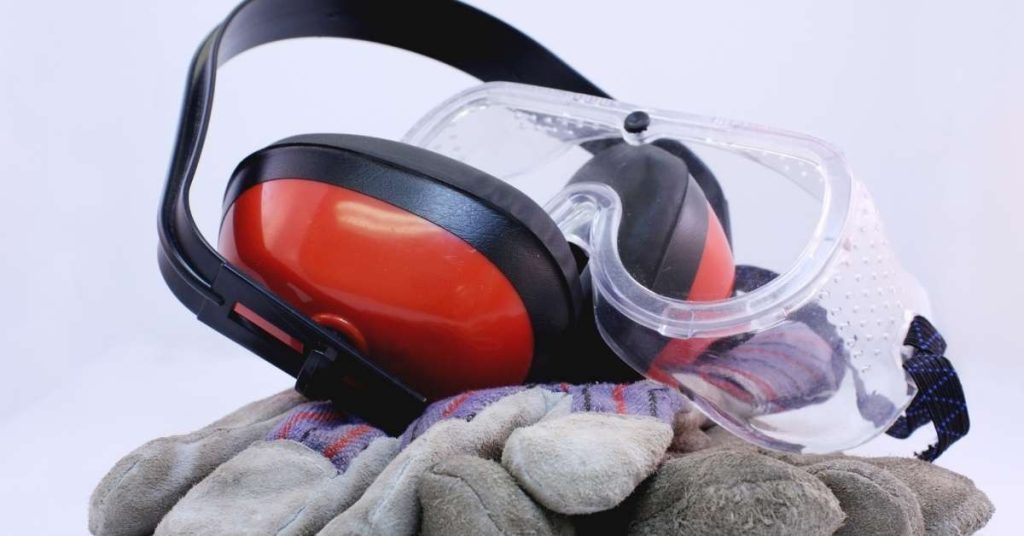
- Personal protective equipment (PPE): Gloves, safety glasses, and a dust mask to protect against powder inhalation during application.
- Ventilation: A fan or ventilation system to ensure proper airflow and reduce dust exposure during application.
Quick rule: Always follow the manufacturer’s recommendations for application rates, curing times, and safety precautions to ensure optimal performance and durability of the dry shake hardener.

Application Rates, Mix Design, and Concrete Interaction
Align manufacturer-specified rates with the actual concrete properties to avoid over- or under-seeding. Check porosity, surface moisture, and curing conditions before starting. Adjust expectations if the substrate varies across the slab.
Mix design parameters like water content, air content, and fibers affect capillary pores and bond. Bleed water and curing regimen influence distribution and adhesion. Use test panels to calibrate and verify coverage under real conditions.
How application rate relates to performance
The amount of dry shake hardener you apply directly impacts its effectiveness and lifespan. Too little, it won’t do much; too much, it might cause problems.
Light application (1-2 lbs/yd²): This is for light-duty areas like sidewalks or patios. It’ll give a bit more durability but won’t significantly boost wear resistance.
Medium application (3-4 lbs/yd²): This is ideal for driveways, garages, and light industrial floors. It provides good balance between cost and performance.
Heavy application (5+ lbs/yd²): Reserved for heavy-duty areas like loading docks or high-traffic warehouses. It’s pricey but offers excellent wear resistance.
Concrete mix considerations to avoid problems
Getting the concrete mix right is crucial for a successful dry shake application. Here are some key parameters to watch out for:
- Insufficient surface water: Dry shake needs moisture to set and bond. Ensure your mix has enough water (around 250-300 lbs/yd³).
- Excessive entrained/entrapped air: Too much air can weaken the concrete and reduce hardener penetration. Keep it below 7%.
- Use of fibers: Fibers can hinder hardener penetration if not properly distributed. Ensure they’re evenly mixed.
- High slump: High-slump mixes (over 6-8 inches) may lead to segregation and poor bonding. Keep slump within recommended limits.
Remember, these are guidelines. Always check your specific product’s recommendations and do test panels to ensure the best results.
Curing, Post-Treatment, and Long-Term Maintenance
Optimal curing maximizes bond strength and surface hardness, with moisture management and temperature control during early strength gain. Follow recommended durations and humidity targets for your environment. Proper curing supports long-term performance.
Post-treatments such as sealants or densifiers should be timed to avoid bonding issues. Plan grinding or polishing if needed, and align with the concrete mix and dry shake layer. Routine maintenance and inspections help catch wear early.
Proper curing to prevent delamination
Curing is crucial for a strong, durable concrete surface. Here’s how to do it right:
Moisture Retention: Keep the concrete moist during the first 7 days. You can use water curing (sprinkling or misting), wet burlap, or curing compounds. This helps maintain a consistent temperature and prevents rapid drying.
Time-Sensitive Nature: Curing needs to start immediately after application of the dry shake layer. Don’t wait for the concrete to start setting – that’s too late. And don’t over-cure either, as this can lead to surface separation.
Repairs, grinding, and surface protection
Proper maintenance includes timely repairs, grinding, and sealing. Here’s when and why:
Grinding: Grind the surface lightly after curing to remove any imperfections or laitance (the weak top layer). This exposes the stronger concrete underneath and improves the bond for subsequent treatments.
Repairs: Patch any cracks or chips promptly. Use a compatible repair material and follow the same curing protocol as the original pour.
Sealing: Apply a suitable sealant after grinding and repairs. This protects against moisture intrusion, stains, and abrasion. Re-apply every 2-5 years depending on traffic and exposure conditions.
Causes of Delamination and Troubleshooting
Primary failure modes include inadequate surface prep, moisture issues, improper aggregate grading, and laitance entrapment. These prevent good bond between hardener, concrete, and coatings. Start by prioritizing surface readiness and moisture control.
Follow a practical troubleshooting checklist for finished floors, including adhesion tests and batch record reviews. Consider corrective actions like grinding or resealing, and document changes for future pours to prevent recurrence.
Common installation mistakes
Here are common pitfalls to avoid when applying dry shake hardeners.
- Timing it wrong: Applying too early or too late can cause detachment. Wait until the concrete’s surface is no longer ‘green’ but still damp.
- Overwatering: Too much water dilutes the hardener, weakening its bond. Use just enough to spread evenly.
- Insufficient broadcast: Not using enough hardener leaves spots without protection. Apply generously and evenly.
- Excessive finishing: Overworking the surface can remove the hardener. Keep finishing to a minimum after application.
Avoid these mistakes for a strong, lasting bond.
Material and environmental factors that trigger delamination
Choosing the right materials and controlling the environment is crucial to prevent delamination.
- Excessive bleedwater: Too much water rises to the surface, diluting the hardener. Use proper concrete mix design to control bleeding.
- Contamination: Dirt, oil, or curing compounds can hinder adhesion. Ensure the surface is clean before application.
- Incompatible admixtures: Some admixtures can react poorly with hardeners. Check compatibility before use.
- Extreme temperatures: Both high heat and freezing can cause problems. Maintain a consistent temperature during application and curing.
- Poor aggregate quality: Inadequate grading or excessive dust can weaken the bond. Use well-graded, clean aggregates.
Control these factors for a successful hardener application.
Standards, Testing, Safety, and Cost Considerations
Identify relevant standards and test methods that apply to dry shake hardeners and how they inform product selection and quality control. Use these references to guide the project from start to finish. Understand what tests are appropriate for your scope and environment.
Safety and PPE measures, dust control, and ventilation are essential on site. Compare upfront costs with lifecycle benefits, considering abrasion resistance and maintenance needs. A quick decision checklist helps assess compliance and safety readiness.
Standards and laboratory tests to reference
When choosing a dry shake hardener, consult authoritative standards like ACI 302 for guidance. For abrasion resistance, refer to ASTM D4060 or EN 13892-5. Adhesion can be tested using ASTM D4541 or EN 1348. Always check the product’s technical data sheet.
These tests help ensure quality and performance. They inform your selection and set expectations for your concrete floor’s lifespan.
Safety, site controls, and quality checks
PPE: Wear gloves, safety glasses, and a respirator when handling dry cementitious products. Keep the area clean to prevent slips.
Dust control: Use water sprays or ventilation to keep dust levels down. Regularly check and maintain your equipment.
Quality checks: Verify product ID, batch counts, and perform visual checkpoints during application. Request manufacturer inspection if issues arise.
Cost, specification, and lifecycle considerations
Upfront costs include materials and labor. But consider long-term benefits: reduced maintenance, less downtime, and increased floor longevity.
Specify performance requirements in your project documents. This ensures you get the right product for your needs and helps with future audits or certifications.
Regular testing during application and commissioning (coverage rates, slump/consistency checks, surface density/hardness tests) helps prevent delamination and ensures quality.
Conclusion
Dry shake hardeners can give a tougher, more uniform surface, but they only pay off when you follow the right steps and guard against delamination fears with solid testing, proper timing, and careful curing. Do it safely, test small first, and you’ll avoid costly mistakes and keep the finish looking good for years.
Checklist: verify you’re using a compatible dry shake and the right mix design, confirm surface moisture and ambient conditions are within limits, plan the timing and coverage to match the product and slab, measure the application rate and mix consistency, cure correctly after hardening, and test a small patch before committing to the whole surface.
Common mistakes to avoid are backing into it without checking conditions, applying too early or too late, over- or under- applying the material, skipping surface prep or curing, and ignoring signs of incompatibility or improper interaction with existing toppings. Safety rules are simple: wear a mask and eye protection when handling dry powders, shower and wash exposed skin after work, ventilate the area, and keep spillage contained until you can clean it up. Do a quick test patch to confirm adhesion and surface behavior before moving on.
If the project is large, or you see signs of delamination, or the slab carries critical finishes, call a professional. When in doubt, don’t push ahead—resolve uncertainties first. Stay disciplined, stay safe, and your surface will perform well and look right for the long haul.
FAQ
What are the defined benefits of dry shake hardeners for DIY projects?
They add surface hardness and improve abrasion resistance on worn or exposed concrete. They can speed up finish quality and reduce dust when used correctly. Always follow the product label for best results.
Should I apply a dry shake by hand or with a machine, and what’s practical for a DIY job?
Hand application works for small areas or patches. Mechanical撒 applications are faster for larger slabs but require proper equipment and safety checks. Read the manufacturer instructions and ensure you’re comfortable with the method you choose.
How important is abrasion resistance, and how is it evaluated in practice?
Abrasion resistance matters where traffic wears the surface. Look for product claims and test references on the label, but verify with the manufacturer’s data sheet. For comparisons, rely on certified test methods listed by the supplier and follow local guidance.
What do EN 13892 and ASTM C779 tests tell me, and how should I use that info?
These tests measure surface abrasion resistance. Use the test results as a guide to compare products, not as a sole decision. Check the supplier’s documentation and compare with your project needs, then decide if the performance aligns with your goals.