
Table of Contents
- Introduction
- Introduction to Sacrificial Coatings
- Understanding Product Features and Descriptions
- Application Instructions and Methods
- Mastering the Application of Sacrificial Coatings on Block Walls
- Technical Data and Specifications
- Suitable Surfaces and Substrates
- Product Support and Resources
- Common Mistakes and Troubleshooting Tips
- Cost Analysis and Budgeting for DIY Projects
- Environmental Impact and Sustainability Aspects
- Related Products and Alternatives
- Conclusion
- FAQ
Introduction
Diy anti-graffiti sacrificial coatings for block walls are protective layers that can be easily applied and removed to prevent graffiti from permanently adhering to surfaces. In this article, you’ll discover step-by-step instructions for creating and applying these coatings, along with tips for maintaining the aesthetic appeal of your block walls.
Introduction to Sacrificial Coatings
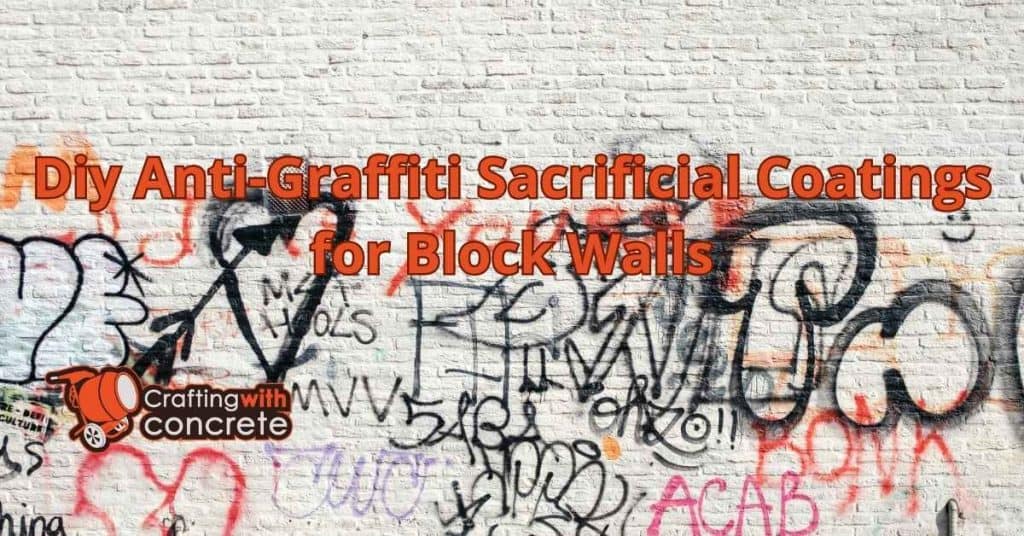
Sacrificial coatings are a specialized solution designed to protect surfaces, such as block walls, from graffiti. These coatings provide a protective layer that can be easily removed along with any graffiti, leaving the original surface unharmed. This method is particularly beneficial for block walls, as it preserves their aesthetic while offering an effective barrier against vandalism.
Using sacrificial coatings is an environmentally friendly choice, as they often utilize biodegradable materials. Compared to non-sacrificial alternatives, these coatings simplify graffiti removal, making maintenance more manageable and less time-consuming. The application process is straightforward, ensuring that even those on a jobsite can achieve professional results. For those interested in further details, related products and technical data can provide additional insights into the best practices for applying sacrificial coatings on block walls.
What Are Sacrificial Coatings?
Sacrificial coatings are a protective layer applied to surfaces to combat graffiti. When graffiti vandals strike, you can simply wash away the coating, taking the graffiti with it. This is a practical solution for those who want to keep their property clean without spending a fortune on constant clean-ups.
The main purpose of these coatings is to provide a temporary shield for your surfaces. Once graffiti appears, you remove the coating and reapply it. This process is straightforward but requires some effort and planning. You need to be ready to reapply the coating after each cleaning session to maintain protection.
When choosing a sacrificial coating, consider the surface type and the environmental conditions. Not all coatings are suitable for every surface, and some might not hold up well in harsh weather. Make sure you pick a product that matches your specific needs to avoid wasting time and money.
 Apply a sacrificial coating to breeze blocks to make graffiti removal easier, preserving the wall’s appearance and integrity.
Understanding Product Features and Descriptions
Sacrificial coatings are specialized protective layers designed to shield surfaces like block walls from graffiti damage. These coatings are easy to apply, have quick drying times, and often come with eco-friendly certifications, making them an ideal choice for environmentally conscious DIY enthusiasts. Popular products like Blok-Guard & Graffiti Control 9 offer reliable protection and are widely used in various projects.
Understanding the technical aspects of these coatings, such as coverage, durability, and compatibility with different materials, is crucial for successful application. DIY users can benefit from available resources like application guides and customer support, ensuring proper use and optimal results. This knowledge empowers individuals to effectively protect their property while contributing to sustainable building practices.
Key Features to Look For
When choosing a product, focus on UV resistance. This feature is crucial if the product will be exposed to sunlight. UV-resistant materials last longer and maintain their appearance, saving you from frequent replacements. Don’t skip checking this, especially for outdoor applications.
Another critical feature is the ease of application. You want something that’s straightforward to apply, even if you’re not a pro. Look for products that come with clear instructions and require minimal tools. This can save you time and frustration, making your DIY project smoother.
Lastly, consider the durability of the product. A durable product withstands wear and tear, providing long-term value. Check reviews and product specs to ensure you’re getting something that won’t fall apart after a season. Investing in durability now means fewer headaches later.
Application Instructions and Methods
Applying sacrificial coatings to block walls involves a detailed process to ensure optimal protection and longevity. This section provides a step-by-step guide on preparing the wall surface, selecting the right coating product, and applying it correctly with the necessary tools.
Understanding this process is crucial for maintaining the aesthetic and structural integrity of block walls, especially in areas prone to graffiti. Proper application not only enhances the wall’s durability but also simplifies future cleaning and reapplication, saving time and resources in the long run.
Preparation Steps
Before you even think about applying the coating, make sure the surface is squeaky clean. Dirt, grease, and old paint can ruin your hard work. Use a good cleaner or degreaser, and don’t skip the rinse. A clean surface is your best friend here.
Next, do a surface assessment. Look for cracks, holes, or any damage. If you find any, fix them up. You can’t just slap coating over problems and hope they disappear. Patch and repair first, or you’ll be redoing the job sooner than you’d like.
Finally, check base compaction if you’re working on concrete or similar surfaces. A solid base prevents future issues. If the base isn’t compacted well, you’re setting yourself up for failure. Make sure it’s stable and ready to support the coating.
Application Techniques
When it comes to applying your chosen material, you’ve got a few techniques to consider: spraying, rolling, and brushing. Each method has its own strengths, so picking the right one can make a world of difference. Spraying is great for covering large areas quickly and evenly. It’s perfect for exterior walls or large surfaces, but you need to be mindful of overspray, especially on windy days. Always mask off areas you don’t want to coat.
Rolling is your best friend for medium to large flat surfaces like walls and ceilings. It offers a good balance between speed and control. Just make sure your roller is evenly loaded with material to avoid streaks. For best results, use a ‘W’ pattern to spread the material evenly, then go back over it to smooth out the finish.
For smaller, detailed areas, brushing is the way to go. It gives you precision, making it ideal for corners, edges, and trim. Use a high-quality brush to avoid leaving bristles behind. Don’t rush it; take your time to ensure a smooth finish. Remember, a poor brush job can ruin the whole look, so patience is key.
Mastering the Application of Sacrificial Coatings on Block Walls
Applying sacrificial coatings to block walls requires precision and attention to detail. This process ensures your walls are well-protected against graffiti while maintaining their aesthetic appeal. Follow these steps to achieve a professional finish and long-lasting protection.
- Gather Your Tools: Before starting, ensure you have all necessary tools, including a high-quality brush, roller, or sprayer, along with protective gear like gloves and masks.
- Surface Preparation: Clean the wall thoroughly to remove dirt, grease, and any existing graffiti. A clean surface is key to proper adhesion.
- Mix the Coating: Stir the sacrificial coating well to ensure uniform consistency. Follow the manufacturer’s instructions for mixing ratios if applicable.
- Initial Application: Apply the first coat using your chosen method—spraying, rolling, or brushing. Ensure even coverage across the entire surface.
- Drying Time: Allow the first coat to dry completely, typically 4 to 6 hours, depending on humidity and temperature. Do not rush this step.
- Second Coat: Apply a second coat for optimal protection. This layer reinforces the barrier against graffiti and enhances durability.
- Final Inspection: Once the second coat is dry, inspect the wall for any missed spots or uneven areas. Touch up as necessary to ensure full coverage.
Choosing the Right Application Method
The method you choose—spraying, rolling, or brushing—depends on the wall’s size and texture. Spraying is ideal for large, flat surfaces, providing quick and even coverage. Rolling works well for medium-sized areas, while brushing is best for detailed sections and edges. Select the method that suits your wall’s characteristics to achieve the best results.
Technical Data and Specifications
Sacrificial coatings are specialized protective layers designed to safeguard surfaces by allowing for easy removal and reapplication. These coatings vary in composition, affecting their environmental impact and suitability for different surfaces. Understanding the coverage rates, drying times, and application thickness is crucial for effective use, especially on block wall surfaces with varying textures and porosity.
For DIY enthusiasts and jobsite professionals, knowing the technical specifications of sacrificial coatings ensures optimal performance and longevity. Proper application can prevent damage to existing wall treatments and coatings, while adherence to safety data and handling precautions minimizes risks. This knowledge empowers users to apply the coatings effectively, maximizing protection and ease of maintenance.
Coverage and Drying Time
To get the most out of your materials, you need to know how to calculate coverage rates. Start by checking the product label for the coverage per unit, usually given in square feet or meters. Multiply this by the number of units you have. If you’re working on a surface with lots of nooks and crannies, factor in a little extra. It’s better to have a bit more than to run short.
Drying time is another crucial factor. Look at the product instructions to see the recommended drying time. Keep in mind that environmental conditions like humidity and temperature can affect this. If it’s humid or cold, expect longer drying times. Rushing this step can ruin your finish, so be patient and let it dry properly.
For the best results, always check base compaction and make sure the surface is clean and dry before applying any product. This ensures that the material adheres properly and lasts longer. Skimping on prep work can lead to problems down the line, so don’t cut corners here.
Environmental and Safety Considerations
When applying these coatings, always be mindful of their environmental impact. Some coatings release volatile organic compounds (VOCs) that can harm air quality. Choose low-VOC or VOC-free options whenever possible. This helps protect the environment and ensures a safer space for you and your family.
Safety is crucial when handling coatings. Always wear protective gear like gloves and masks to prevent skin contact and inhalation of fumes. Work in a well-ventilated area to reduce exposure to any harmful chemicals. If you’re working indoors, open windows and doors to improve airflow. Never underestimate the importance of proper ventilation.
Disposal of leftover coatings and containers should be done responsibly. Do not pour them down the drain or throw them in regular trash. Instead, follow local regulations for hazardous waste disposal. This not only protects the environment but also keeps you on the right side of the law.
Suitable Surfaces and Substrates
Sacrificial coatings are most effective on porous surfaces like concrete, brick, and stone, as these materials allow the coating to adhere properly. The porosity and texture of the surface play a crucial role in determining how well the coating will perform, making it essential to assess these factors before application. Proper preparation of the substrate, including cleaning and possibly priming, is vital to ensure the coating adheres optimally.
Understanding which surfaces are suitable for sacrificial coatings helps avoid compatibility issues with existing wall treatments or finishes. This knowledge is particularly beneficial for DIY enthusiasts or professionals on a jobsite, as it can prevent common pitfalls that lead to poor coating performance. By identifying unsuitable conditions or surfaces, such as those that are too smooth or already treated with incompatible materials, users can ensure the longevity and effectiveness of their protective coatings.
Best Surfaces for Application
When you’re looking to apply sacrificial coatings, you need to start with the right surfaces. Block walls are a top choice. Concrete blocks, brick, and stone walls are all excellent candidates. These surfaces are porous enough to hold the coating well, ensuring it does its job effectively. Check base compaction to make sure the surface is stable and free from loose debris before you begin.
Don’t overlook other surfaces that can work well too. Stucco and cement render are also suitable, as long as they’re in good condition. Make sure there are no cracks or crumbling areas. A solid, clean surface is key. If the surface is damaged, repair it first. Otherwise, the coating won’t adhere properly, and you’ll just be wasting your time and money.
Avoid surfaces that are too smooth or sealed, like polished stone or glazed tiles. These won’t allow the coating to stick. If you’re unsure, do a small test patch first. This will save you from potential headaches down the line. Remember, a little prep work goes a long way in ensuring your sacrificial coating does its job right.
Substrate Compatibility
When you’re choosing coatings, it’s crucial to know if they’re compatible with your substrate. For concrete, ensure the surface is clean and dry. Concrete’s porous nature means it can absorb coatings well, but watch out for moisture that can cause issues. A moisture test will save you headaches down the road.
Brick surfaces are a bit trickier. Their rough texture and variable absorption rates mean you need to be picky with your coatings. Always prime the brick first to create a stable base. This step is non-negotiable if you want the coating to last. Skipping it could lead to peeling or uneven application.
Remember, not all coatings work on every substrate. Check the manufacturer’s guidelines for compatibility. If in doubt, a small test patch can prevent costly mistakes. Don’t assume one-size-fits-all; each substrate has its quirks.
 Before applying sacrificial coatings, ensure breeze blocks are clean and dry to maximize the coating’s effectiveness against graffiti.
Product Support and Resources
Discover a comprehensive range of support channels and resources tailored for sacrificial coating products. From customer service contacts to online help centers, you’ll find everything you need, including links to technical data sheets, product manuals, and information on green building certifications relevant to anti-graffiti coatings.
Understanding industry standards and best practices for applying and maintaining sacrificial coatings is crucial for both DIY enthusiasts and professionals. Access to online forums and community groups can provide valuable insights and guidance, helping you find complementary solutions for block walls and ensuring your projects meet the highest quality standards.
DIY Community Resources
When you’re tackling a project on your own, sometimes the best advice comes from others who’ve been in your shoes. Online forums and DIY communities are a treasure trove of real-world tips and tricks. These spaces are where you can ask questions, share your experiences, and learn from the successes and mistakes of others. Don’t underestimate the value of a second opinion or a fresh perspective. Just remember, while these communities are helpful, always verify advice with trusted sources.
Start by exploring popular DIY forums like Reddit’s DIY subreddit or specialized forums related to your project. These platforms are buzzing with activity and can be a great place to find answers to specific questions. Remember, though, not every suggestion is a good one. Always cross-check information with manufacturer guidelines or professional advice to avoid costly mistakes.
Engaging with these communities can also help you stay updated on the latest trends and techniques. Whether you’re building a deck or fixing a leaky faucet, there’s likely someone who’s tackled a similar challenge. By participating in these discussions, you not only gain knowledge but also contribute to a growing pool of shared expertise. Just be cautious and filter out bad advice—not every DIY enthusiast is a pro.
Common Mistakes and Troubleshooting Tips
Applying coatings can be tricky, and common mistakes like improper surface preparation or uneven application can lead to unsatisfactory results. It’s crucial to follow the manufacturer’s instructions and use the correct tools to avoid issues such as peeling or inadequate coverage. Understanding the role of environmental conditions, like temperature and humidity, can also prevent application problems.
For DIY enthusiasts and professionals alike, knowing how to troubleshoot these issues can save time and resources. Testing a small area before full application helps prevent widespread problems, ensuring a successful project. Proper maintenance of the coating is essential for its longevity and optimal performance, making attention to detail during application worthwhile.
Avoiding Application Errors
When tackling this task, it’s easy to make mistakes that can lead to application errors. Here are some common pitfalls and how to steer clear of them.
- Skipping Surface Prep Neglecting to prepare the surface properly can lead to poor adhesion. Always clean and dry surfaces before application.
- Using Wrong Tools The wrong tool can ruin your work. Refer back to the tool section to ensure you’re using the right equipment.
- Ignoring Drying Times Rushing the drying process can cause failures. Be patient and allow adequate drying time as previously discussed.
- Overloading Material Applying too much material can lead to uneven results. Apply in thin, even layers for the best finish.
- Incorrect Mixing Not mixing materials properly can affect performance. Follow the mixing instructions precisely to avoid this.
Double-check these points to keep your project on track and avoid frustrating errors.
Cost Analysis and Budgeting for DIY Projects
Undertaking a DIY sacrificial coating project involves a thorough cost analysis to ensure it remains budget-friendly. You’ll need to consider the breakdown of materials, including specific quantities and average costs, to compare with professional application expenses. Additionally, factor in the cost of tools, safety equipment, and any unforeseen repairs that might arise.
Understanding these costs is crucial for effective budgeting and can lead to significant savings. By sourcing materials and tools from affordable suppliers or retailers, and considering bulk purchases or alternative products, you can manage expenses more efficiently. These strategies not only help in keeping the project within budget but also enhance your DIY skills and resourcefulness.
Budgeting Tips
Start by making a detailed list of all the materials and tools you need. This isn’t just about jotting down a few items; be thorough. Include everything from nails to paint, and don’t forget the small stuff. Overlooking minor items can lead to unexpected costs, throwing your budget off track.
Next, research prices at different stores or online. Prices can vary significantly, so take the time to compare. Look for sales or bulk discounts, but be wary of sacrificing quality for a lower price. Cheap materials might cost you more in the long run if they need frequent replacement.
Finally, set aside a contingency fund. No matter how well you plan, unexpected expenses can crop up. A good rule of thumb is to allocate an extra 10-15% of your total budget for unforeseen costs. This way, you’re prepared for surprises without derailing your entire project.
Environmental Impact and Sustainability Aspects
Sacrificial coatings offer significant environmental benefits by reducing the need for harsh chemical cleaners and being biodegradable. They align with green building practices and can contribute to earning LEED certification points, thanks to their use of renewable resources and low-VOC formulations.
For those involved in DIY projects or working on job sites, using sacrificial coatings can be a sustainable choice that minimizes environmental impact over time. These coatings require less frequent maintenance compared to non-sacrificial alternatives, leading to a smaller environmental footprint. By integrating sacrificial coatings with other eco-friendly products, you can create a comprehensive sustainable building strategy.
Eco-Friendly Product Options
When you’re looking at sacrificial coatings, it’s smart to consider eco-friendly options. These coatings protect surfaces while being kind to the planet. Look for products that are water-based and avoid harmful solvents. This not only reduces environmental impact but also makes cleanup easier. Remember, a water-based coating is usually a safer bet for both your health and the environment.
Another key aspect is biodegradability. Choose coatings that break down naturally over time. This means less hassle for you when it comes to removal and disposal. Plus, it minimizes waste in landfills. Always check the product label or manufacturer’s website for information on how the coating degrades.
Finally, consider the source of the materials. Opt for coatings made from renewable resources. These products often have a lower carbon footprint compared to those made from non-renewable materials. By selecting renewable-based coatings, you’re not just protecting your surfaces but also supporting sustainable practices.
Long-Term Environmental Benefits
Sacrificial coatings offer significant long-term environmental benefits by reducing the need for harsh chemicals and frequent maintenance. These coatings form a protective layer that can be easily removed and replaced, which means less wear and tear on the underlying surfaces. This approach helps in minimizing waste and extends the life of the materials they protect.
By opting for sacrificial coatings, you’re also contributing to a reduction in resource consumption. Since these coatings are designed to be temporary, they encourage a more sustainable cycle of use and replacement, rather than constant repair or reconstruction. This method is more environmentally friendly than traditional coatings that may require toxic solvents for removal.
Another benefit is the reduction in energy use. With sacrificial coatings, surfaces remain in good condition for longer periods, which means less energy is needed for repairs and replacements. This not only helps the environment but can also save you money in the long run. Remember, choosing the right coating is crucial, so ensure it aligns with your sustainability goals.
Related Products and Alternatives
Explore a range of sacrificial and non-sacrificial anti-graffiti coatings, each designed for specific applications and needs. These coatings, such as Blok-Guard & Graffiti Control 9 and VandlGuard, offer unique features and are suitable for various surfaces. Additionally, consider the environmental benefits and ease of application when choosing between water-based and solvent-based options.
Understanding the technical data and available product support can help you make informed decisions about graffiti prevention. Alternative methods like physical barriers or landscaping can also be effective, depending on your specific situation. By comparing these options, you can determine the most suitable solution for your project, ensuring long-lasting protection against graffiti.
Non-Sacrificial Coating Options
Non-sacrificial coatings are a smart choice if you’re looking for a long-term solution. Unlike sacrificial coatings, these don’t need to be reapplied after cleaning. They create a permanent barrier that protects surfaces from graffiti and environmental damage. This means less maintenance over time, saving you both effort and money.
When choosing a non-sacrificial coating, consider the type of surface you’re protecting. Some coatings work better on concrete, while others are suited for metal or wood. It’s crucial to pick the right product for your specific needs to ensure maximum protection and durability.
Application is straightforward, but don’t skip the prep work. Clean the surface thoroughly before applying the coating. Any dirt or residue left behind can affect the coating’s effectiveness. Once applied, these coatings offer robust protection, making them a reliable alternative to traditional methods.
Additional Graffiti Prevention Tools
To effectively prevent graffiti, you can combine sacrificial coatings with other tools that make surfaces less appealing to vandals. Here are some practical options.
- Anti-Graffiti Film: Apply this clear film to windows and smooth surfaces. It acts as a barrier, making graffiti easy to peel off. Ideal for glass and metal.
- Textured Paint: Use this on walls to create a rough surface. It makes spray paint harder to apply and less attractive to vandals.
- Security Cameras: Install visible cameras to deter graffiti artists. They’re less likely to target areas under surveillance.
- Motion-Activated Lights: Set these up in poorly lit areas. Bright lights can scare off potential vandals before they start.
- Landscaping Barriers: Plant thorny bushes or install decorative fences close to walls. They create physical obstacles that can discourage graffiti.
Pro tip: Regularly inspect and maintain these tools. A well-kept environment not only deters vandals but also shows that you care about your property.

Conclusion
Applying a DIY anti-graffiti sacrificial coating to your block walls is a smart move. It protects your surfaces and saves you from constant cleaning headaches. Make sure you understand the product features and follow the application instructions closely. Skipping steps or using the wrong tools can lead to poor results.
Pay attention to the technical data and choose the right product for your wall type. Don’t cut corners on surface preparation. A clean and dry surface is crucial for the coating to stick properly. If you’re unsure, reach out to product support or check available resources. It’s better to ask than to make costly mistakes.
Consider the environmental impact of your project. Opt for sustainable products when possible. Budget wisely to avoid surprises, and remember that a little extra investment now can save you a lot of trouble later. Stick to these guidelines, and you’ll have a wall that looks great and stays graffiti-free.
FAQ
What is a sacrificial coating?
A sacrificial coating is a protective layer you apply to a surface. It absorbs graffiti so you can wash it off without damaging the underlying material. Once cleaned, you’ll need to reapply the coating.
Why use a sacrificial coating on block walls?
Block walls are porous and can soak up paint, making graffiti tough to remove. A sacrificial coating prevents this by creating a barrier. It’s easier to clean and keeps your walls looking good.
Can I make a DIY sacrificial coating?
Yes, you can make a DIY version using wax or other water-based solutions. They’re not as durable as commercial products but can save you money. Just remember, you’ll need to reapply after each cleaning.
How do I apply the coating?
Clean the wall first, then apply the coating with a brush or roller. Make sure to cover the entire surface evenly. Let it dry completely before exposing it to the elements.
What should I avoid when using sacrificial coatings?
Don’t skip the cleaning step before application. Applying over dirt or existing graffiti will trap it under the coating. Also, don’t expect it to last forever; it’s meant to be temporary.